

Loose Skin After Bariatric Surgery: Prevention, Timing, and Treatment Options
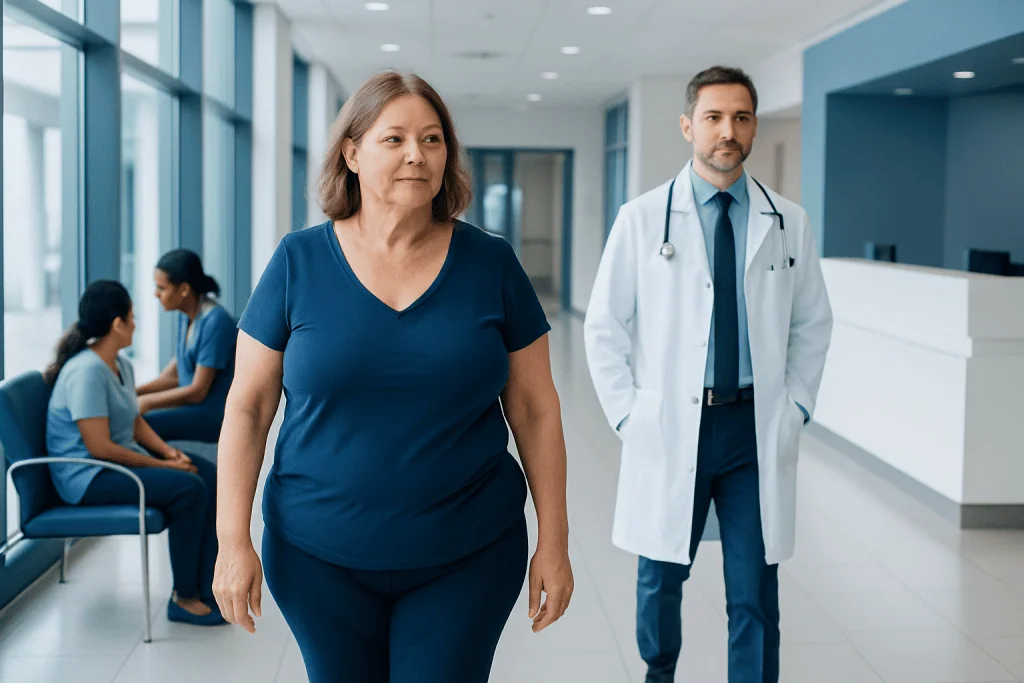
Loose skin after bariatric surgery happens because skin may not fully shrink after rapid or major weight loss. Age, genetics, amount of weight lost, smoking, sun damage, nutrition, and muscle mass all influence skin elasticity.
Key Takeaways
- Loose skin after bariatric surgery happens because skin may not fully shrink after rapid or major weight loss.
- Age, genetics, amount of weight lost, smoking, sun damage, nutrition, and muscle mass all influence skin elasticity.
- Strength training, adequate protein, hydration, and good skin care may improve comfort and body shape, but they cannot remove large folds of extra skin.
- Body-contouring surgery is usually considered after weight has been stable for several months and nutrition is optimized.
- Medical advice is important if loose skin causes rashes, infections, pain, hygiene problems, or emotional distress.
Loose skin after bariatric surgery is a common and manageable part of major weight loss. Prevention focuses on steady habits and skin health, while treatment may include supportive care, exercise, and carefully timed body-contouring surgery.
Overview
Loose skin after bariatric surgery is the soft, hanging, or folded skin that can remain after significant weight loss. It commonly appears on the abdomen, upper arms, thighs, chest, back, neck, or buttocks. For many people, it is a visible sign of major progress in treating obesity, but it can also affect comfort, clothing fit, hygiene, and confidence.
Weight-loss procedures such as bariatric surgery, gastric sleeve surgery, and gastric bypass can help people lose a substantial amount of weight when used as part of a structured medical program. As body size decreases, the skin must adjust to a smaller shape. In some people, the skin contracts well; in others, it has been stretched for too long or has lost elasticity, leaving excess folds.
Loose skin is not a failure of weight loss and does not mean the surgery was unsuccessful. It is a normal concern after major weight reduction. The best approach is individualized: some people need only reassurance and self-care, while others may benefit from medical treatment for skin irritation or from body-contouring surgery once weight and health are stable.
Why Loose Skin Happens
Skin is living tissue made of several layers, including collagen and elastin fibers that help it stretch and recoil. When a person carries excess weight for a long time, these fibers can become stretched. After rapid or large weight loss, the underlying fat volume decreases, but the skin may not have enough elasticity to fully tighten around the new body shape.
The amount of loose skin varies widely from person to person. It is influenced by how much weight was lost, how long the skin was stretched before surgery, the person’s age, genetics, pregnancy history, smoking exposure, sun damage, and overall skin quality. Areas that carried the most weight often show the most laxity, especially the abdomen and upper arms.
Loose skin can also be more noticeable during the first year after surgery because weight is still changing. The body may continue to reshape gradually, and some mild tightening can occur over time. However, when there is a large amount of extra skin, lifestyle measures can improve strength and comfort but usually cannot remove the excess tissue completely.
Can Loose Skin Be Prevented?

Loose skin cannot always be prevented, especially after very large weight loss. However, healthy habits before and after surgery may support skin quality, preserve muscle, and reduce the severity of skin-related problems. The goal is not to promise perfectly tight skin, but to help the body heal well and adapt as safely as possible.
Important prevention strategies include following the bariatric team’s nutrition plan, taking prescribed vitamin and mineral supplements, staying well hydrated, and attending regular follow-up visits. Protein is especially important for wound healing, muscle maintenance, and skin structure. Patients should avoid crash dieting or skipping meals unless specifically directed by their medical team.
Helpful habits may include:
- Starting gentle activity as advised after surgery and progressing toward regular exercise.
- Adding resistance or strength training when medically cleared to build lean muscle under the skin.
- Avoiding smoking and nicotine products, which can reduce blood flow and impair skin healing.
- Protecting skin from excessive sun exposure and using moisturizers to reduce dryness and friction.
- Treating rashes or irritation early to prevent discomfort and infection.
Timing: When the Body Settles After Weight Loss
Timing matters when considering treatment for excess skin. After bariatric surgery, weight loss often occurs most rapidly in the first months and then slows. Many people continue to lose weight for 12 to 18 months, depending on the procedure, starting weight, eating pattern, activity level, and medical factors. During this period, the body shape may change frequently.
Because of these ongoing changes, surgeons usually recommend waiting until weight has stabilized before body-contouring surgery. Stability often means the person has maintained a consistent weight for several months, has no major nutritional deficiencies, and is able to maintain healthy eating habits. This helps improve surgical planning and reduces the chance that additional weight loss will create new looseness afterward.
The right time is also emotional and practical. Patients should feel ready for recovery time, follow-up appointments, possible scars, and temporary limits on activity. A consultation with a bariatric surgeon, plastic surgeon, dietitian, and primary care doctor can help determine whether the body is ready and whether any medical issues should be addressed first.
Non-Surgical Treatment and Self-Care
Non-surgical care is often the first step, especially for people with mild to moderate looseness or those still losing weight. Exercise cannot tighten large amounts of stretched skin, but it can improve posture, strength, mobility, and body shape by building muscle. Many patients feel more comfortable in their skin when the body becomes stronger and more stable.
Skin care is also important. Folds of skin can trap moisture and sweat, leading to chafing, odor, itching, or rashes. Keeping folds clean and dry, wearing breathable clothing, using barrier creams when recommended, and choosing supportive garments can reduce irritation. If a rash persists, becomes painful, or produces discharge, a doctor should assess it rather than relying only on over-the-counter products.
Some aesthetic treatments, such as radiofrequency, ultrasound-based tightening, or laser procedures, may offer modest improvement in selected people with mild laxity. Results vary and these treatments are not substitutes for surgery when there is a large apron of skin or heavy folds. Patients should seek evaluation from qualified clinicians who can explain realistic benefits, risks, number of sessions, and suitability for their skin type and health status.
Body-Contouring Surgery Options
Body-contouring surgery removes excess skin and, when appropriate, reshapes underlying tissue. It is different from bariatric surgery: bariatric surgery treats severe obesity by helping with weight loss, while body-contouring surgery addresses the physical effects of weight loss after the person’s weight has stabilized. The procedures are planned according to the areas affected, the quality of the skin, and the patient’s health and goals.
Common options include abdominoplasty, sometimes called a tummy tuck, for excess abdominal skin; panniculectomy to remove a hanging apron of skin; arm lift for the upper arms; thigh lift; breast lift or chest contouring; and lower body lift for the abdomen, hips, buttocks, and outer thighs. Some patients have one procedure, while others need staged operations for safety and better recovery.
Like all operations, body-contouring surgery has benefits and risks. Possible considerations include scars, wound-healing problems, fluid collections, changes in sensation, infection, blood clots, and the need for time away from work or exercise. Good nutrition, stable weight, not smoking, and careful management of conditions such as diabetes can help reduce risk and support healing.
Acibadem International’s multidisciplinary specialists and JCI-accredited hospitals diagnose and treat obesity-related concerns for international patients, including follow-up after weight-loss treatment and evaluation for post-weight-loss body contouring. Patients considering surgery should receive a personalized assessment, clear information about expected scars and recovery, and guidance on whether treatment should be done in one stage or several stages.
When to See a Doctor
A medical visit is recommended if loose skin causes repeated rashes, sores, bleeding, unpleasant odor, fungal infections, pain, difficulty exercising, or hygiene problems. These symptoms are common and treatable, and a doctor can check whether prescription creams, wound care, supportive garments, or referral to a specialist is needed.
Patients should also speak with their bariatric team if they notice hair loss, extreme fatigue, poor wound healing, weakness, dizziness, or numbness, as these may suggest nutritional deficiencies or other issues after weight-loss surgery. Regular blood tests and supplement adjustments are part of safe long-term care after bariatric procedures.
Emotional wellbeing matters too. Loose skin can affect body image even when weight loss has improved health. If it causes distress, avoidance of social activities, anxiety, or low mood, support from a healthcare professional, counselor, or support group can be helpful. The aim is to care for both physical comfort and quality of life.
Frequently asked questions
Is loose skin after bariatric surgery normal?
Yes. Loose skin after bariatric surgery is common after major weight loss because the skin may not shrink fully to the body’s new size. It is not a sign that weight loss was done incorrectly. The amount varies depending on age, genetics, weight history, and overall skin elasticity.
Will loose skin tighten on its own over time?
Some mild tightening may occur as weight stabilizes and the body adjusts, especially in younger people or those with good skin elasticity. However, large folds of excess skin usually do not disappear completely without surgery. Improvements in muscle tone and skin care can still make a meaningful difference in comfort and appearance.
Can exercise remove excess skin after weight loss?
Exercise cannot remove extra skin, but it can build muscle, improve posture, support joint function, and make the body look and feel firmer. Strength training is often helpful once the bariatric team clears the patient for it. A gradual plan is safest, especially after recent surgery or rapid weight loss.
When can someone have body-contouring surgery after bariatric surgery?
Body-contouring surgery is usually considered after weight has been stable for several months and nutrition is optimized. Many patients wait until the main phase of weight loss is complete, often around 12 to 18 months after bariatric surgery, though timing differs. A surgeon should assess medical readiness, skin concerns, and recovery needs.
Does insurance cover removal of loose skin?
Coverage depends on the country, insurer, policy, and medical reason for surgery. Procedures may be more likely to be considered medically necessary if loose skin causes repeated infections, wounds, or hygiene problems, but cosmetic contouring is often not covered. Patients should keep medical records of symptoms and discuss documentation with their doctor.
How can rashes under loose skin be prevented?
Keeping skin folds clean and dry can reduce friction and moisture buildup. Breathable clothing, gentle drying after bathing, and doctor-recommended barrier products may help. Persistent redness, pain, odor, cracking, or discharge should be evaluated by a healthcare professional.
References
- American Society for Metabolic and Bariatric Surgery
- American Society of Plastic Surgeons
- Mayo Clinic
- National Institute of Diabetes and Digestive and Kidney Diseases
- World Health Organization
This article is for general information only and is not a substitute for professional medical advice. Please consult a qualified doctor about your individual situation.
Bariatric Surgery in Turkey — costs, top hospitals & a free quote
JCI-accredited · board-certified surgeons · reply within 24h

Related Treatments
Related Conditions
More from the Health Library



Related Specialists
Prof. Dr. Tayfun Karahasanoğlu
General Surgery
Prof. Dr. Güralp Onur Ceyhan
General Surgery
Prof. Dr. Volkan Özben
General Surgery
Assoc. Prof. Dr. Halil Kara
General Surgery