

Exercise After Gastric Sleeve Surgery: Safe Progression and Weight Loss Support

Walking usually begins soon after surgery, but intensity and lifting should increase only when the surgical team confirms it is safe. Exercise supports weight loss, muscle preservation, heart health, mobility, mood, and long-term weight maintenance after gastric sleeve surgery.
Key Takeaways
- Walking usually begins soon after surgery, but intensity and lifting should increase only when the surgical team confirms it is safe.
- Exercise supports weight loss, muscle preservation, heart health, mobility, mood, and long-term weight maintenance after gastric sleeve surgery.
- Strength training becomes especially important after the early healing phase because rapid weight loss can include muscle loss.
- Hydration, protein intake, and symptom awareness are essential because the smaller stomach changes how the body tolerates activity.
- Chest pain, shortness of breath, fainting, calf swelling, fever, wound problems, or persistent vomiting require prompt medical advice.
Exercise after gastric sleeve surgery should begin gently and progress step by step as the body heals. A safe plan combines walking, strength training, flexibility, nutrition, hydration, and follow-up with the bariatric care team.
Overview
Exercise after gastric sleeve surgery is an important part of recovery and long-term weight management, but it must be introduced gradually. The early goal is not intense training; it is safe movement that improves circulation, supports breathing, reduces stiffness, and helps the patient return to daily activity. As healing progresses, exercise can become more structured and can help protect muscle while weight decreases.
Gastric sleeve surgery, also called gastric sleeve surgery or sleeve gastrectomy, reduces the size of the stomach and changes appetite signals. Because food and fluid intake are lower after surgery, the body may have less immediate energy for exercise. For this reason, the safest plan is individualized by the bariatric surgeon, dietitian, and, when needed, a physiotherapist or exercise specialist.
Most patients are encouraged to walk early, often on the day of surgery or the next day, depending on their condition and hospital protocol. However, heavy lifting, abdominal strain, high-impact exercise, and strenuous workouts usually need to wait until the incisions and deeper tissues have healed and the surgeon gives clearance.
Why Exercise Matters After Gastric Sleeve Surgery
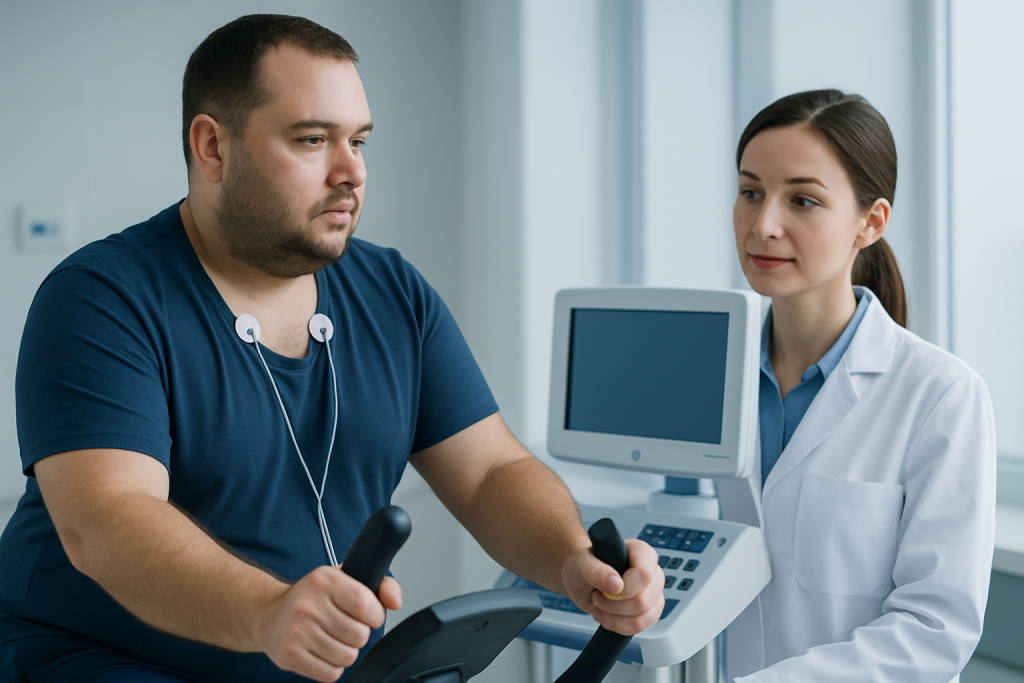
Exercise supports recovery in several ways. Gentle walking helps circulation and may reduce the risk of complications related to immobility. It also improves breathing patterns, reduces fatigue over time, and helps patients feel more confident in daily activities such as climbing stairs, shopping, or returning to work.
After the early recovery period, regular exercise becomes a key partner to nutrition. Rapid weight loss can involve loss of both fat and lean muscle. Strength training, when approved, helps preserve muscle mass, support posture, improve balance, and maintain resting energy use. This is especially valuable because muscle helps the body function well during and after weight loss.
Exercise also contributes to metabolic and emotional health. It can improve blood pressure, insulin sensitivity, sleep quality, joint function, and mood. For many people receiving bariatric surgery, movement becomes a practical daily tool for long-term weight maintenance rather than a short-term weight loss task.
Safe Exercise Timeline: From Surgery to Long-Term Routine

The exact timeline varies according to the operation, incision healing, fitness level, age, medical conditions, and surgeon instructions. A common approach is to begin with short, frequent walks and progress toward longer sessions. Patients should avoid comparing their pace with others because recovery is individual.
In the first days and weeks, the focus is gentle walking, deep breathing, and light daily movement. Patients may start with a few minutes at a time several times per day, increasing as tolerated. During this stage, it is important to avoid heavy lifting, abdominal exercises, pushing or pulling heavy objects, and any activity that causes incision pain, dizziness, nausea, or unusual shortness of breath.
After the surgeon confirms healing is adequate, many patients can gradually add low-impact aerobic activities such as stationary cycling, swimming after incisions are fully healed, or elliptical training. Strength training is usually introduced later and should begin with light resistance, controlled movements, and attention to technique. A simple progression may include:
- Short walks several times daily during the early recovery phase.
- Longer continuous walks as stamina improves.
- Low-impact cardio when cleared by the care team.
- Light resistance exercises for major muscle groups.
- Progressive strength and balance training for long-term maintenance.
Building Strength, Flexibility, and Fitness Safely
Strength training after sleeve gastrectomy should be gradual and technique-focused. A patient may start with body-weight movements, resistance bands, or light weights after medical clearance. Exercises such as sit-to-stand movements, wall push-ups, supported rows, step-ups, and gentle core bracing can help rebuild functional strength without excessive strain.
Core exercises should be introduced carefully because the abdominal wall and surgical sites need time to heal. Traditional sit-ups, heavy twisting, heavy lifting, and intense abdominal workouts should be avoided until the surgeon confirms they are safe. Patients who had hernias, wound concerns, severe joint pain, or limited mobility may benefit from supervised rehabilitation.
Flexibility and balance training are also helpful. Gentle stretching, mobility exercises, and low-impact activities such as yoga or Pilates-style movement may improve comfort and posture, but they should be modified to avoid pressure on the abdomen in the early months. The best routine is one the patient can repeat consistently, with rest days and gradual increases in duration or resistance.
Nutrition and Hydration During Exercise
Nutrition and hydration are central to safe exercise after gastric sleeve surgery. Because the stomach holds smaller amounts, patients need to sip fluids regularly and follow the diet progression recommended by their bariatric team. Dehydration can occur more easily when intake is low, especially during warm weather or longer activity sessions.
Protein is particularly important for healing and muscle preservation. The bariatric dietitian will guide protein goals and food textures as the patient progresses from liquids to soft foods and then to a more varied diet. Exercise should be matched to current intake; strenuous workouts are not appropriate if the patient is struggling with vomiting, poor hydration, dizziness, or inadequate nutrition.
Patients should avoid starting exercise immediately after meals if it causes discomfort, reflux, nausea, or cramping. They should carry water when walking, pause if lightheaded, and discuss supplements with the medical team. Vitamins and minerals are often recommended after bariatric procedures, but the exact plan should be individualized based on surgery type, blood tests, and medical history.
Common Challenges and How to Manage Them
Fatigue is common during early weight loss and recovery. It does not always mean something is wrong, but it is a sign to progress slowly. Shorter sessions, rest between walks, and attention to hydration and protein can help. If fatigue is severe, persistent, or accompanied by dizziness, rapid heartbeat, chest discomfort, or shortness of breath, medical advice is needed.
Joint pain may improve as weight decreases, but it can still limit activity at first. Low-impact options are often better than running or jumping, especially for people with knee, hip, back, or foot pain. Water-based exercise may be useful once the surgeon confirms incisions are fully healed and there is no infection risk.
Motivation can also fluctuate. Setting small goals, tracking steps, exercising with a friend, or scheduling activity at the same time each day may help. Patients being treated for obesity often benefit from a multidisciplinary approach that includes nutrition, behavior support, medical follow-up, and physical activity planning.
When to See a Doctor
Patients should contact their healthcare team before increasing activity if they have wound problems, ongoing vomiting, poor fluid intake, fever, worsening abdominal pain, or new swelling. Exercise should be stopped immediately if chest pain, fainting, severe shortness of breath, sudden weakness, or unusual calf pain or swelling occurs. These symptoms need prompt medical assessment.
Follow-up appointments are important because the exercise plan may need adjustment as weight, nutrition, medications, and medical conditions change. People with diabetes, heart disease, sleep apnea, high blood pressure, anemia, arthritis, or previous blood clots should ask for specific guidance before beginning strenuous exercise.
International patients can seek evaluation and follow-up planning through Acibadem International, where multidisciplinary specialists in JCI-accredited hospitals diagnose and treat patients undergoing sleeve gastrectomy and related bariatric care. The aim is to create a safe, individualized plan that supports healing, mobility, and sustainable weight loss.
Frequently asked questions
When can a patient start walking after gastric sleeve surgery?
Many patients are encouraged to start gentle walking very soon after surgery, often in the hospital, if the surgical team confirms it is safe. The first walks are usually short and slow. The goal is circulation and recovery, not fitness training.
When can exercise become more intense after gastric sleeve surgery?
More intense exercise should wait until the surgeon confirms that healing is adequate. Many patients progress from walking to low-impact cardio and later to strength training. The timeline depends on incisions, pain, energy level, nutrition, and any medical conditions.
Can a patient lift weights after gastric sleeve surgery?
Weight training can be very helpful after the early healing phase, but heavy lifting should be avoided until medical clearance is given. Patients usually begin with light resistance and controlled movements. Proper technique is important to protect the abdomen and joints.
What is the best exercise for weight loss after gastric sleeve surgery?
There is no single best exercise for everyone. A balanced routine often includes walking or other low-impact cardio, strength training, flexibility, and balance work. The best plan is safe, enjoyable, and sustainable enough to continue long term.
Why does dizziness happen during exercise after gastric sleeve surgery?
Dizziness may be related to low fluid intake, low calorie intake, rapid position changes, medications, anemia, or blood sugar changes. The patient should stop exercising, sit down, sip fluids if allowed, and contact the care team if symptoms persist or recur. Fainting or chest symptoms require urgent medical attention.
Is it safe to do abdominal exercises after gastric sleeve surgery?
Abdominal exercises should be delayed until the surgeon confirms that the abdominal wall and incisions have healed. Early sit-ups, crunches, twisting, or heavy core work may strain healing tissues. Gentle core activation can be introduced later under guidance.
How much exercise is needed to maintain weight loss after gastric sleeve surgery?
The amount varies by health status, fitness level, and weight goals. Many patients gradually build toward regular weekly aerobic activity plus strength training, but this should be personalized. Consistency is usually more important than doing very intense workouts.
References
- American Society for Metabolic and Bariatric Surgery
- International Federation for the Surgery of Obesity and Metabolic Disorders
- National Institute of Diabetes and Digestive and Kidney Diseases
- World Health Organization
- American College of Sports Medicine
This article is for general information only and is not a substitute for professional medical advice. Please consult a qualified doctor about your individual situation.
Gastric Sleeve Surgery in Turkey — costs, top hospitals & a free quote
JCI-accredited · board-certified surgeons · reply within 24h
Check your numbers in seconds
BMI, calories, due date, blood pressure and 30+ more clinical calculators — free, instant, doctor-reviewed ranges.

Related Treatments
Related Conditions
More from the Health Library



Related Specialists
Prof. Dr. Tayfun Karahasanoğlu
General Surgery
Prof. Dr. Güralp Onur Ceyhan
General Surgery
Prof. Dr. Volkan Özben
General Surgery
Assoc. Prof. Dr. Halil Kara
General Surgery