

Exercise After Bariatric Surgery: Safe Timeline for Strength and Cardio

Most patients are encouraged to start gentle walking soon after surgery, often while still in the hospital, if their care team agrees. Cardio exercise usually progresses slowly from short walks to longer, moderate activity over several weeks.
Key Takeaways
- Most patients are encouraged to start gentle walking soon after surgery, often while still in the hospital, if their care team agrees.
- Cardio exercise usually progresses slowly from short walks to longer, moderate activity over several weeks.
- Strength training is important for preserving muscle but should wait until incisions and internal tissues have healed enough for safe resistance exercise.
- Hydration, protein intake, blood sugar awareness, and avoiding heavy lifting are central to safe exercise after bariatric surgery.
- Any chest pain, fainting, worsening abdominal pain, fever, wound changes, or shortness of breath requires prompt medical advice.
- A personalized plan from the bariatric team is safest because timelines vary by procedure, fitness level, healing, and medical conditions.
Exercise after bariatric surgery supports healing, protects muscle, improves fitness, and helps patients build long-term habits. The safest plan is gradual: walking early, structured cardio after recovery begins, and strength training only when the surgical team confirms it is appropriate.
Overview: Why Exercise Matters After Bariatric Surgery
Exercise after bariatric surgery is not about doing more as quickly as possible. It is a gradual recovery tool that helps circulation, breathing, mobility, mood, and long-term weight management. In the early days, safe movement helps reduce stiffness and supports return to daily activities. Over time, structured cardio and strength training help patients improve fitness while protecting lean muscle during rapid weight loss.
The right timeline depends on the type of procedure, the patient’s pre-surgery fitness level, healing progress, nutrition, and any conditions such as diabetes, heart disease, joint problems, or sleep apnea. A person who had bariatric surgery should follow the specific instructions of the surgeon and bariatric team, because restrictions may differ between hospitals and procedures.
For most patients, the general pattern is: walk early and often, increase low-impact cardio gradually, then add resistance training after medical clearance. Exercise should feel controlled and sustainable. Pain, dizziness, unusual shortness of breath, or pressure around the incision area are signs to slow down and contact the care team.
The Safe Timeline: From Walking to Cardio and Strength
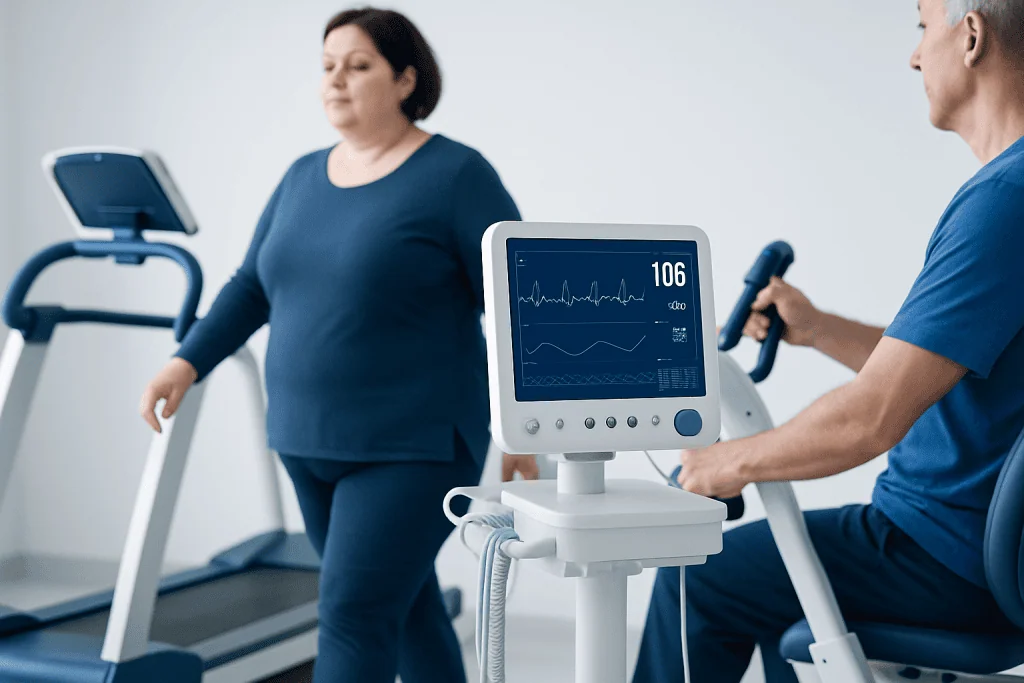
In the first 24 hours, many patients are encouraged to stand and take short assisted walks if their condition is stable. These walks may be brief, but they are valuable. Gentle walking improves blood flow, supports lung expansion, and helps the body transition from bed rest to normal movement. The goal is not calorie burning; it is safe circulation and confidence.
During weeks 1 to 2, most activity is limited to light walking and basic self-care. Patients may walk several short times per day, increasing by a few minutes as tolerated. Heavy lifting, abdominal straining, intense hills, running, swimming, and gym workouts are usually avoided during this stage. Incisions are healing, energy intake is low, and dehydration can occur more easily.
From weeks 3 to 6, many patients can gradually increase low-impact cardio if the surgeon agrees. This may include longer walks, a stationary bike at low resistance, or gentle water-based activity after wounds are fully healed and the doctor permits immersion. Strength training often begins around 4 to 6 weeks or later, depending on healing and the operation performed. Early resistance work should be light, slow, and focused on technique rather than effort.
After 6 to 12 weeks, patients who are healing well may progress toward a balanced routine that includes regular cardio, strength training, flexibility, and balance work. Heavier lifting, abdominal exercises, and higher-impact activity should be introduced cautiously and only when cleared. Some patients advance faster; others need more time, especially if they had complications, anemia, low intake, joint pain, or a complex medical history.
Cardio After Bariatric Surgery: How to Build Endurance Safely

Cardio exercise improves heart and lung fitness, supports insulin sensitivity, and helps patients tolerate daily activity more comfortably. Walking is usually the safest starting point because it is adjustable and requires no equipment. A patient may begin with a few minutes at a comfortable pace, rest, and repeat later in the day. As stamina improves, the walks can become longer and slightly brisker.
A practical goal is to increase one variable at a time: duration, frequency, or intensity. For example, a patient might first increase from 5-minute walks to 10-minute walks, then later add a modest pace change. Low-impact options are often preferred after weight loss surgery, particularly for people with knee, hip, back, or foot pain. These include stationary cycling, elliptical exercise at low resistance, gentle aerobics, and water exercise once incision healing is complete.
During cardio, patients should be able to speak in short sentences. Breathlessness that feels severe, chest discomfort, faintness, palpitations, or new calf swelling should not be ignored. Because early calorie intake is limited after procedures such as gastric sleeve surgery, patients should avoid fasted intense exercise unless their doctor or dietitian has specifically advised it. Fluids should be sipped regularly according to the bariatric nutrition plan.
Strength Training: Protecting Muscle During Weight Loss
Strength training is especially important after bariatric surgery because rapid weight loss can include loss of muscle as well as fat. Preserving muscle helps maintain function, posture, balance, and resting metabolic health. However, resistance exercise must be timed carefully. Internal tissues and abdominal incisions need time to heal before the body is exposed to lifting, pushing, pulling, or bracing.
When the bariatric team clears strength training, patients usually start with light resistance. Good options may include seated exercises, resistance bands, light dumbbells, wall push-ups, sit-to-stand movements, and controlled body-weight exercises. The first goal is learning safe movement patterns. Patients should breathe continuously and avoid holding the breath, because straining can increase pressure in the abdomen.
Exercises that strongly load the abdominal wall, such as heavy squats, heavy deadlifts, forceful twisting, sit-ups, planks, or intense core training, are usually delayed until the surgeon confirms that healing is adequate. Any bulging, pulling, sharp pain, or pressure at an incision site should lead to stopping the exercise and seeking medical advice. A gradual plan is particularly important after operations such as gastric bypass, where nutrition, hydration, and vitamin status require close follow-up.
A balanced strength routine should train major muscle groups two or more nonconsecutive days per week once recovery allows, but this should be built gradually. Quality matters more than weight. Many patients benefit from working with a physiotherapist, rehabilitation specialist, or exercise professional who understands bariatric recovery.
Nutrition, Hydration, and Energy: Exercising With a Smaller Stomach
After bariatric surgery, the stomach holds much less food, and patients progress through carefully staged diets. This affects exercise. Early fatigue is common because calorie intake is low and the body is healing. Patients should not interpret lower energy as failure. It is a normal reason to keep activity gentle and to prioritize hydration, protein, and medical follow-up.
Protein supports wound healing and muscle preservation, while fluids help reduce dizziness, constipation, headache, and exercise intolerance. Patients are usually advised to sip fluids throughout the day rather than drink large amounts at once. The timing of fluids around meals varies by bariatric program, so the patient should follow their own plan. During exercise, small sips may be needed, especially in warm weather.
People taking diabetes medications or insulin need extra care because weight loss surgery can change blood sugar quickly. Symptoms such as shakiness, sweating, confusion, sudden weakness, or blurred vision may suggest low blood sugar and should be discussed with the medical team. Vitamin and mineral supplements should be taken as prescribed, because deficiencies can affect energy, nerve health, and muscle function.
Safety Tips, Warning Signs, and Common Mistakes
The safest exercise plan after bariatric surgery is consistent, moderate, and individualized. Patients should wear supportive shoes, warm up slowly, choose low-impact movements at first, and avoid comparing their recovery with others. Progress may vary from week to week. Sleep quality, hydration, protein intake, stress, and medication changes can all affect exercise tolerance.
Common mistakes include lifting too early, returning to high-intensity workouts before clearance, ignoring dizziness, exercising in hot conditions without enough fluid, and using abdominal discomfort as something to push through. Pain is a message, not a training target. Another common mistake is doing only cardio and avoiding strength training long-term. Once cleared, resistance exercise is an important part of healthy weight loss and functional recovery.
Patients should contact their healthcare team promptly if they experience chest pain, fainting, severe shortness of breath, persistent vomiting, fever, worsening abdominal pain, redness or drainage from an incision, new leg swelling, or pain that increases with activity. Less urgent but important concerns include ongoing dizziness, unusual fatigue, difficulty meeting protein or fluid goals, or fear of movement. A bariatric team can adjust the plan and check for nutrition or medical issues.
Patients receiving care for obesity care may also have joint disease, high blood pressure, sleep apnea, or diabetes, so exercise advice should be coordinated with the full medical picture. Acibadem International’s multidisciplinary specialists and JCI-accredited hospitals diagnose and treat bariatric patients from abroad, including guidance on safe recovery and follow-up planning.
Building a Long-Term Routine After Recovery
After the early healing phase, exercise becomes a lifelong health habit rather than a temporary recovery task. A sustainable routine usually includes aerobic activity, strength training, flexibility, and balance. The best program is one the patient can repeat consistently: walking with family, cycling, swimming after clearance, supervised gym training, dancing, or structured rehabilitation can all be useful.
Long-term progress should be measured in more ways than weight. Improved walking distance, easier stair climbing, less joint discomfort, better sleep, stronger posture, and more confidence are meaningful outcomes. Some patients will have plateaus, and that is expected. Adjusting activity, nutrition, sleep, and stress management with professional guidance can help maintain progress.
Patients should continue routine bariatric follow-up even when they feel well. Weight loss surgery changes digestion and nutrition for the long term, and exercise plans may need to be adjusted as body weight, strength, and health conditions change. With patience and medical guidance, exercise after bariatric surgery can become a safe, empowering part of daily life.
Frequently asked questions
When can a patient start walking after bariatric surgery?
Many patients begin short, assisted walks within the first day after surgery if their condition is stable and the care team agrees. These early walks are gentle and focused on circulation, breathing, and mobility. The patient should follow hospital instructions and stop if dizziness, pain, or unusual shortness of breath occurs.
When is cardio safe after weight loss surgery?
Light walking usually starts early, while more structured low-impact cardio often increases gradually over the first several weeks. Stationary cycling, longer walks, or gentle water exercise may be introduced after medical clearance and once wounds are healed. Intensity should remain moderate until the surgeon or bariatric team approves further progression.
When can strength training begin after bariatric surgery?
Strength training often begins around 4 to 6 weeks after surgery, but the timing varies. Patients need clearance because lifting too early can strain healing tissues and incisions. Early resistance work should be light, controlled, and focused on technique rather than heavy effort.
Can exercise help prevent muscle loss after bariatric surgery?
Yes, strength training and adequate protein intake help protect lean muscle during weight loss. Cardio supports fitness, but resistance exercise is especially important for preserving strength and function. A bariatric dietitian and exercise professional can help the patient balance nutrition and activity safely.
What exercises should be avoided early after bariatric surgery?
Patients are usually advised to avoid heavy lifting, intense core exercises, running, jumping, high-resistance workouts, and movements that cause abdominal straining during early recovery. Swimming or soaking in water is typically avoided until incisions have fully healed and the surgeon approves. Any activity that causes sharp pain, pulling, bulging, or wound discomfort should be stopped.
Why does a patient feel tired when exercising after bariatric surgery?
Fatigue can occur because the body is healing and calorie intake is low in the early stages. Dehydration, low protein intake, anemia, vitamin deficiencies, medication changes, or low blood sugar can also contribute. Ongoing or severe fatigue should be discussed with the bariatric team.
How can patients stay motivated to exercise after bariatric surgery?
Small, realistic goals are often more effective than intense short-term plans. Patients can track walking minutes, strength gains, energy levels, or daily consistency instead of focusing only on weight. Support from the bariatric team, family, physiotherapists, or group programs can make exercise feel safer and more manageable.
References
- American Society for Metabolic and Bariatric Surgery
- Obesity Medicine Association
- National Institute for Health and Care Excellence
- American College of Sports Medicine
- World Health Organization
This article is for general information only and is not a substitute for professional medical advice. Please consult a qualified doctor about your individual situation.
Bariatric Surgery in Turkey — costs, top hospitals & a free quote
JCI-accredited · board-certified surgeons · reply within 24h
Check your numbers in seconds
BMI, calories, due date, blood pressure and 30+ more clinical calculators — free, instant, doctor-reviewed ranges.

Related Treatments
Related Conditions
More from the Health Library



Related Specialists

Prof. Dr. Tayfun Karahasanoğlu
General Surgery
Prof. Dr. Güralp Onur Ceyhan
General Surgery
Prof. Dr. Volkan Özben
General Surgery
Assoc. Prof. Dr. Halil Kara
General Surgery