Bariatric Surgery in Turkey: Safety, Travel Planning, and Follow-Up

Bariatric surgery is a medical treatment for obesity and related conditions, not a cosmetic procedure or a quick weight-loss solution. International patients should verify surgeon qualifications, hospital accreditation, anesthesia safety, emergency care capacity, and transparent follow-up plans.
Key Takeaways
- Bariatric surgery is a medical treatment for obesity and related conditions, not a cosmetic procedure or a quick weight-loss solution.
- International patients should verify surgeon qualifications, hospital accreditation, anesthesia safety, emergency care capacity, and transparent follow-up plans.
- Travel planning should include medical records, medication review, flight timing, mobility plans, insurance, and support after discharge.
- Long-term success requires nutrition monitoring, vitamin and mineral supplementation when prescribed, physical activity, and regular medical follow-up.
- Patients should seek urgent medical advice after surgery for fever, worsening abdominal pain, persistent vomiting, shortness of breath, chest pain, or leg swelling.
Bariatric surgery in Turkey may be an option for international patients who meet medical criteria and prepare carefully before traveling. Safety depends on appropriate patient selection, an experienced multidisciplinary team, clear travel planning, and lifelong follow-up after surgery.
Overview
Bariatric surgery in Turkey is increasingly considered by international patients who are seeking treatment for severe obesity and obesity-related health conditions. The term includes operations such as sleeve gastrectomy, gastric bypass, and other metabolic procedures that reduce stomach capacity, change hunger signals, or alter how the digestive system absorbs nutrients. These procedures are medical treatments that require careful evaluation, specialist surgery, and long-term aftercare.
For the right patient, bariatric surgery can support meaningful weight loss and may improve conditions such as type 2 diabetes, high blood pressure, sleep apnea, fatty liver disease, and joint pain. However, it is not a stand-alone cure. The safest and most effective results come when surgery is combined with nutrition guidance, psychological readiness, physical activity, and ongoing monitoring.
Choosing to have weight loss surgery abroad adds practical considerations beyond the operation itself. Patients need to understand how the hospital assesses suitability, what happens if complications occur, how soon it is safe to fly, and who will monitor nutritional health months and years later. A well-planned pathway should feel coordinated before, during, and after travel.
Who May Be a Candidate for Bariatric Surgery
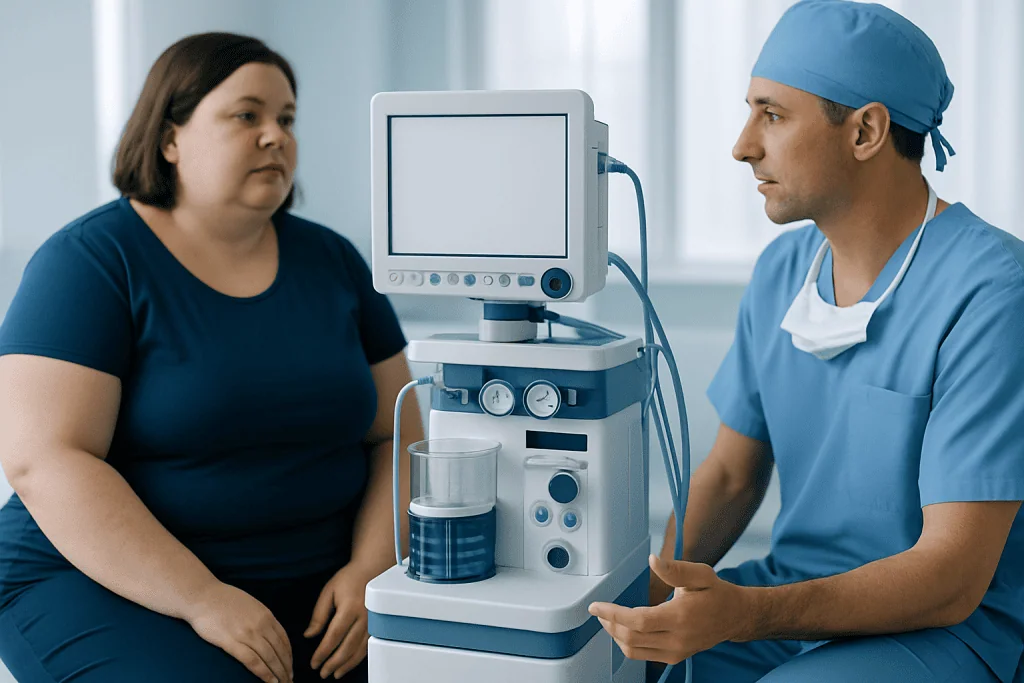
Candidacy for bariatric surgery is based on medical need, overall health, and readiness for long-term lifestyle changes. Doctors commonly consider surgery for adults with a high body mass index, especially when obesity-related conditions are present. Some patients with lower BMI levels may be considered if they have significant metabolic disease, but decisions should be individualized and based on recognized clinical guidelines.
A preoperative assessment usually includes a medical history, physical examination, blood tests, nutritional evaluation, anesthesia review, and assessment of obesity-related conditions. Many programs also include psychological or behavioral health screening. This is not to judge a patient, but to identify eating patterns, emotional triggers, depression, anxiety, substance use, or life circumstances that may affect recovery and long-term success.
Patients may not be suitable for surgery immediately if they have untreated serious medical conditions, active substance misuse, unmanaged eating disorders, or an inability to attend follow-up care. In some cases, surgery is delayed until health issues are better controlled. A responsible team will explain the reasons clearly and help the patient prepare safely rather than rushing to operate.
Safety Standards When Choosing a Hospital in Turkey

Safety in bariatric surgery depends on the entire system of care, not only the surgeon. International patients should look for a hospital with experienced bariatric surgeons, qualified anesthesiologists, intensive care access, modern imaging and laboratory support, infection prevention protocols, and the ability to manage emergencies. Accreditation, such as from internationally recognized healthcare quality organizations, can be one useful indicator, although patients should still ask detailed questions.
Before booking surgery, patients should request a clear explanation of the recommended procedure, expected benefits, possible risks, alternative treatments, and the plan for complications. Important risks include bleeding, infection, leaks from surgical staple lines or connections, blood clots, anesthesia complications, reflux, bowel obstruction, nutritional deficiencies, gallstones, and the possibility of insufficient or excessive weight loss. The exact risk profile varies by procedure and by the patient’s health.
Practical safety questions may include:
- Who will perform the surgery, and what is their bariatric surgery experience?
- Will the same team provide postoperative care during the hospital stay?
- Is there 24-hour access to emergency surgery, intensive care, imaging, and blood services?
- How are blood clots, infection, dehydration, nausea, and pain prevented or treated?
- What written discharge instructions and follow-up contacts will be provided?
Transparent communication is also a safety feature. Patients should receive information in a language they understand, with opportunities to ask questions before signing consent forms. A reputable team will not promise a specific weight loss result, minimize risks, or pressure a patient into making a quick decision.
Travel Planning Before Surgery
Travel planning should begin well before the surgery date. Patients should share complete medical records with the care team, including previous operations, allergies, medications, supplements, weight history, sleep apnea diagnosis, diabetes treatment, heart or lung conditions, and recent test results. Some medications, such as blood thinners, diabetes medicines, hormonal therapy, or anti-inflammatory drugs, may need special instructions, but changes should only be made under medical supervision.
Patients traveling internationally should confirm visa requirements, passport validity, accommodation, airport transfers, translation support, and the presence of a companion if recommended. A companion can help with mobility, communication, hydration reminders, and early recognition of problems after discharge. Travel insurance should be reviewed carefully, because not all policies cover planned surgery abroad or complications related to it.
Flight timing is an important topic to discuss with the surgical team. Long flights soon after surgery may increase discomfort and can contribute to dehydration or blood clot risk, especially if a patient is not moving regularly. The safest return date depends on the procedure, recovery, complications, and the surgeon’s assessment. Patients should not plan tourism, strenuous activity, or tight travel schedules immediately after surgery.
Preparation also includes home planning. Before leaving, patients can arrange follow-up appointments with a local doctor, dietitian, or bariatric clinic, stock appropriate postoperative foods if advised, and organize time away from work or caregiving responsibilities. Good preparation reduces stress and helps the patient focus on healing.
What to Expect During the Hospital Stay
Most bariatric operations are performed using minimally invasive laparoscopic techniques, although the approach depends on the patient and the surgeon’s judgment. Before surgery, the anesthesia team reviews safety details, and the patient may receive instructions about fasting, blood clot prevention, and breathing exercises. After surgery, monitoring focuses on pain control, hydration, nausea, breathing, mobility, and early signs of complications.
Patients are usually encouraged to get out of bed and walk as soon as it is safe. Early movement supports circulation and lung function. Fluid intake begins gradually according to the hospital’s protocol, and diet advances in stages over the following weeks, commonly from clear liquids to thicker liquids, pureed foods, soft foods, and eventually small portions of regular textured foods.
Discharge should not happen until the patient is medically stable and understands the recovery plan. Written instructions should cover wound care, permitted foods and fluids, medication use, vitamin and mineral supplements if prescribed, physical activity, warning signs, and contact details for urgent questions. Patients should also know exactly when the first postoperative check will occur and how remote communication will be handled after returning home.
Follow-Up After Returning Home
Follow-up is one of the most important parts of bariatric surgery, particularly for patients who travel abroad. Weight loss is only one measure of progress. Doctors also monitor hydration, protein intake, vitamin and mineral status, blood sugar control, blood pressure, reflux symptoms, bowel habits, mental health, and the patient’s ability to adapt to new eating patterns.
Nutrition follow-up helps prevent deficiencies and supports healthy weight loss. Depending on the procedure and individual needs, patients may require lifelong supplementation with vitamins and minerals such as vitamin B12, iron, calcium, vitamin D, folate, or others. Blood tests are typically scheduled at intervals recommended by the bariatric team. Patients should not stop supplements simply because they feel well, as some deficiencies develop slowly.
Behavioral and emotional support is also valuable. Some patients experience changes in appetite, body image, relationships, mood, or alcohol sensitivity after surgery. Regular contact with a dietitian, psychologist, primary care physician, endocrinologist, or local bariatric clinic can help the patient address challenges early and maintain a sustainable routine.
International patients should leave Turkey with a written operative report, discharge summary, medication list, laboratory results, imaging reports if any, and follow-up recommendations in English or another language their local doctors can use. Acibadem International’s multidisciplinary specialists and JCI-accredited hospitals diagnose and treat bariatric patients from abroad, with care coordination designed to support communication before and after travel.
Prevention, Self-Care, and When to Seek Medical Help
Self-care after bariatric surgery centers on hydration, slow eating, appropriate protein intake, gradual physical activity, and consistent follow-up. Patients are usually advised to take small sips, eat slowly, stop when full, avoid carbonated drinks if recommended, and separate fluids from meals according to their program’s guidance. Regular walking is often encouraged early, while heavier exercise should wait until the surgical team approves it.
Preventing complications also means following instructions about wound care, medications, and blood clot prevention. Patients should avoid smoking and should discuss alcohol use with their doctor, as tolerance and absorption may change after surgery. Pregnancy should be planned carefully after bariatric surgery, because nutritional status and weight stability are important for both parent and baby; patients should ask their doctor about timing and contraception.
Medical advice should be sought promptly for symptoms that feel unusual or worsening. Warning signs include fever, increasing abdominal pain, persistent vomiting, inability to drink fluids, dizziness or fainting, rapid heartbeat, redness or discharge from wounds, black stools, chest pain, shortness of breath, or swelling and pain in one leg. These symptoms do not always mean a serious complication, but they should be assessed quickly.
Patients who travel for surgery should know whom to contact in Turkey and locally if a concern occurs. If symptoms are severe, emergency care should not be delayed while waiting for an international reply. Taking the discharge documents to the emergency department can help local clinicians understand the procedure and provide timely care.
Frequently asked questions
Is bariatric surgery in Turkey safe?
Bariatric surgery in Turkey can be safe when it is performed in a properly equipped hospital by an experienced bariatric team and when the patient is carefully assessed before surgery. Safety also depends on anesthesia standards, emergency care capacity, infection prevention, and clear follow-up arrangements. Patients should ask detailed questions and avoid providers who minimize risks or promise guaranteed results.
How long should a patient stay in Turkey after bariatric surgery?
The appropriate length of stay depends on the procedure, the patient’s health, and how recovery progresses. Patients should plan enough time for preoperative assessment, surgery, early recovery, and at least one postoperative review before flying home. The return flight should be approved by the surgical team, especially after a long-haul journey.
What documents should international patients bring home after surgery?
Patients should request an operative report, discharge summary, medication list, test results, diet plan, supplement recommendations, and emergency contact details. These documents should ideally be in a language their local doctor can understand. Keeping digital copies is useful in case care is needed while traveling.
Will follow-up be needed for life after bariatric surgery?
Yes, long-term follow-up is important after bariatric surgery. Weight, nutrition, vitamin and mineral levels, digestive symptoms, and obesity-related conditions need monitoring over time. Even when a patient feels well, blood tests and medical reviews can detect issues before they become more difficult to treat.
Can a patient fly soon after bariatric surgery?
Flying too soon may be uncomfortable and can make hydration and movement more difficult. Long flights may also increase the importance of blood clot prevention measures, such as walking and following medical advice. Patients should not book a return flight without discussing timing with their surgical team.
What is the difference between sleeve gastrectomy and gastric bypass?
Sleeve gastrectomy removes part of the stomach to create a smaller stomach tube, while gastric bypass creates a small stomach pouch and reroutes part of the small intestine. Both can support weight loss, but they differ in effects on reflux, nutrient absorption, diabetes, and long-term supplementation needs. The best choice depends on the patient’s medical history and specialist evaluation.
This article is for general information only and is not a substitute for professional medical advice. Please consult a qualified doctor about your individual situation.
Bariatric Surgery in Turkey — costs, top hospitals & a free quote
JCI-accredited · board-certified surgeons · reply within 24h
Add us as a Preferred Source to see more of our trusted health content across Google Search, AI Overviews and Discover.
Check your numbers in seconds
BMI, calories, due date, blood pressure and 30+ more clinical calculators — free, instant, doctor-reviewed ranges.

Bariatric & Metabolic Surgery
Surgical and endoscopic treatments for obesity and metabolic conditions.
More from the Health Library

Coronary Bypass Surgery Cost in Turkey: What Is Typically Included?

Getting a Medical Second Opinion Abroad: What to Send and What to Ask

Choosing an International Hospital: Accreditation, Specialists, and Safety Checks

Medical Travel Cost Estimates: What Is Included and What Can Change

Continuity of Care After Treatment Abroad: Follow-Up at Home