Blood Disorders That Cause Bruising: Possible Causes and Red Flags

Easy bruising can happen when platelets are low, clotting factors are reduced, or blood vessels are more fragile than usual. Not all bruising is serious, but bruises that appear often, spread quickly, or occur with other bleeding symptoms deserve attention.
Key Takeaways
- Easy bruising can happen when platelets are low, clotting factors are reduced, or blood vessels are more fragile than usual.
- Not all bruising is serious, but bruises that appear often, spread quickly, or occur with other bleeding symptoms deserve attention.
- Some blood disorders are inherited, while others are related to medications, liver disease, vitamin deficiencies, or immune conditions.
- Diagnosis may include a physical exam, blood counts, clotting tests, and sometimes more specialized studies.
- Treatment depends on the cause and may range from monitoring and medication changes to targeted therapy for an underlying blood disorder.
Bruising is common, but frequent, large, or unexplained bruises can sometimes point to an underlying blood disorder. Understanding the possible causes and warning signs can help a person know when simple observation is enough and when a medical evaluation is important.
Overview
Bruising happens when small blood vessels under the skin break and blood leaks into nearby tissue. Most people bruise from everyday bumps and notice the color change fade over time. In many cases, these bruises are harmless and reflect normal skin trauma.
When bruising becomes frequent, appears without a clear injury, or is accompanied by other bleeding symptoms, a blood disorder may be part of the explanation. Problems with platelets, clotting factors, or the bone marrow can make it harder for blood to stop leaking after even minor injuries.
Some causes are temporary and treatable, such as a vitamin deficiency or a medicine that affects clotting. Others are inherited or acquired blood disorders that need ongoing care. A careful medical evaluation helps distinguish routine bruising from a pattern that deserves closer attention.
Symptoms
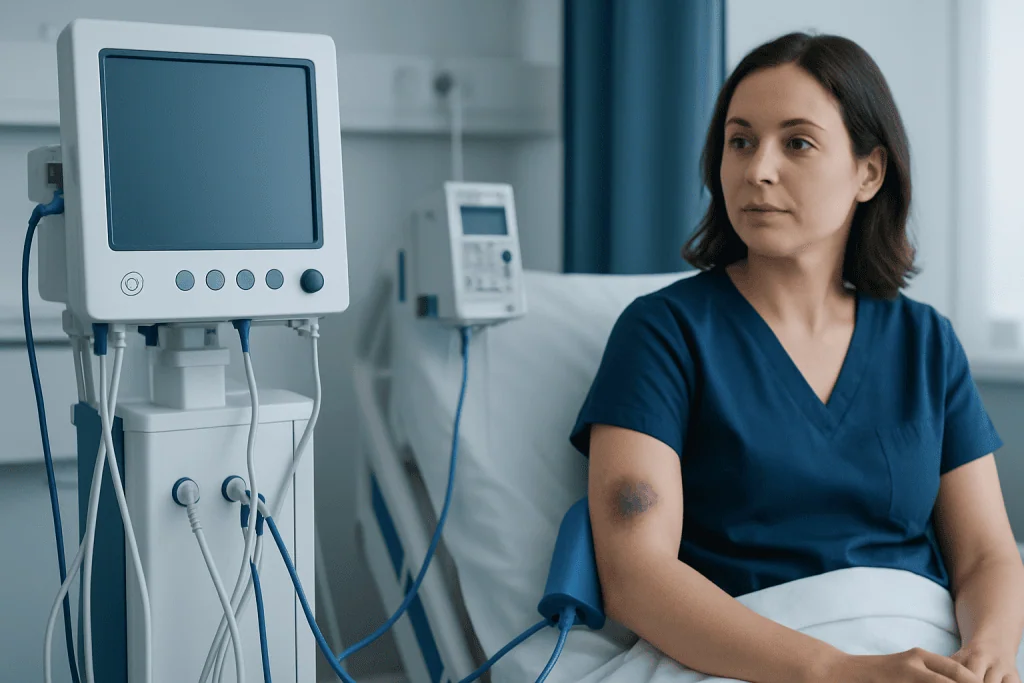
Easy bruising may show up as larger-than-expected marks after minor bumps, bruises in unusual places, or bruises that seem to last longer than usual. The skin may also show clusters of small purple spots called petechiae, which can appear when platelet levels are low or platelet function is impaired.
Bruising related to a blood disorder may occur along with other bleeding signs. These can include frequent nosebleeds, bleeding gums, prolonged bleeding from cuts, heavy menstrual bleeding, blood in urine or stool, or bleeding that continues longer than expected after a dental procedure or surgery.
General symptoms can vary depending on the underlying cause. For example, anemia from chronic blood loss may lead to tiredness or shortness of breath, while some inherited bleeding disorders may first become noticeable in childhood or after an injury.
Causes & Risk Factors

Several blood-related conditions can contribute to bruising. Low platelet counts, also called thrombocytopenia, can reduce the body’s ability to form the first plug that helps stop bleeding. This may happen with immune thrombocytopenia, bone marrow disorders, some infections, or as a side effect of certain treatments.
Clotting factor problems are another important cause. Hemophilia, von Willebrand disease, and other coagulation disorders interfere with the cascade that stabilizes a clot. When these proteins are missing or do not work properly, bruises and bleeding can occur more easily.
Bruising may also be linked to conditions outside the blood itself that affect clotting or vessel integrity. Liver disease, vitamin K deficiency, vitamin C deficiency, some cancers, and connective tissue disorders can all play a role. Medicines that thin the blood or interfere with platelets may add to the risk, especially in older adults or people taking multiple medications.
Common risk factors include a personal or family history of bleeding problems, recent illness, heavy alcohol use, poor nutrition, advanced age, and treatment with anticoagulants or antiplatelet medicines. Repeated unexplained bruising should not be assumed to be normal aging without checking for other causes.
Diagnosis
Evaluation usually begins with a detailed history and physical examination. A clinician may ask when the bruising began, whether it follows minor trauma, what other bleeding symptoms are present, and whether there is any family history of bleeding or clotting disorders. A review of medications, supplements, and alcohol use is also important.
Blood tests often help identify the cause. A complete blood count can show whether platelets are low or whether anemia is present. Clotting tests such as prothrombin time and activated partial thromboplastin time help assess how well the coagulation system is working. Additional tests may be ordered to check liver function, vitamin levels, platelet function, or specific clotting factors.
In some cases, more specialized testing is needed, especially if symptoms suggest an inherited condition or if first-line tests are normal but bruising continues. A hematologist may help confirm the diagnosis and guide the next steps. For people who need a procedural or hospital-based workup, hematology services are often central to sorting out the cause.
Treatment Options
Treatment depends on why bruising is happening. If a medication is contributing, a clinician may suggest a safer alternative or a change in the treatment plan. If the cause is a nutritional deficiency, correcting the deficiency can improve bruising over time.
For platelet disorders or clotting factor problems, care may include medicines that reduce bleeding, replace missing factors, or calm immune-related platelet destruction. Some people need treatment only during procedures or bleeding episodes, while others require long-term management. The plan is individualized based on the underlying diagnosis, symptom severity, and overall health.
When bruising is tied to a chronic blood disorder, treatment may involve regular monitoring and specialist follow-up. In more complex cases, a clinician may recommend hematology-oncology evaluation if there is concern for an underlying marrow or blood cancer process, or blood transfusion support when significant blood loss or anemia is present. The goal is to treat the root cause rather than the bruise itself.
Prevention & Self-care
People who bruise easily can often lower their risk of injury with simple habits. Wearing protective gear during sports, using good lighting at home, and removing tripping hazards may help reduce accidental bumps. Gentle skin care can also be useful, since fragile skin may bruise more easily.
It is wise to review all medicines and supplements with a clinician, especially aspirin, nonsteroidal anti-inflammatory drugs, anticoagulants, and products that may affect bleeding. A balanced diet with adequate iron, vitamin B12, folate, vitamin K, and vitamin C supports healthy blood production and clotting. Avoiding unnecessary alcohol excess can also help protect the liver and reduce bleeding risk.
For people already diagnosed with a blood disorder, self-care includes following the treatment plan, keeping follow-up appointments, and learning which symptoms should prompt urgent attention. It can also help to keep a record of bruising patterns, new bleeding symptoms, and any possible triggers to share with the care team.
When to See a Doctor
Medical review is recommended if bruises appear frequently without a clear injury, do not improve over time, or are unusually large or painful. A person should also seek evaluation if bruising is accompanied by nosebleeds, gum bleeding, heavy menstrual bleeding, blood in the urine or stool, or easy bleeding after minor cuts.
It is especially important to be assessed if bruising begins suddenly, if many small purple spots appear, or if there is a known personal or family history of a bleeding disorder. A clinician can help determine whether the problem is related to platelets, clotting factors, medications, or another condition.
Urgent care is appropriate if bruising happens with dizziness, fainting, severe weakness, head injury, or bleeding that does not stop. For patients seeking coordinated care, Acibadem International’s multidisciplinary specialists and JCI-accredited hospitals diagnose and treat blood disorders for international patients in a structured, patient-centered way.
Outlook
The outlook depends on the cause of the bruising. Many people improve once a medication is adjusted, a vitamin deficiency is corrected, or an underlying condition is treated. Others may need long-term monitoring, especially if they have an inherited bleeding disorder or a chronic platelet problem.
What matters most is recognizing the pattern early. Bruising alone is often not dangerous, but it can be an important clue that the body’s normal clotting process needs attention. A timely evaluation helps prevent more serious bleeding and supports the right treatment plan.
Frequently asked questions
Is easy bruising always a sign of a blood disorder?
No. Many bruises are caused by minor everyday injuries, aging skin, or medicines that affect bleeding. However, frequent or unexplained bruising can sometimes signal a blood disorder and should be discussed with a clinician.
What blood problems most often cause bruising?
Low platelet counts and clotting factor disorders are common medical causes of easy bruising. Conditions such as immune thrombocytopenia, von Willebrand disease, hemophilia, and some bone marrow disorders may all play a role.
Can vitamin deficiencies cause bruising too?
Yes. Low levels of vitamin C, vitamin K, or other nutrients can interfere with vessel strength or clotting. A clinician can help confirm whether nutrition is contributing and recommend the safest way to correct it.
What tests are usually done for unexplained bruising?
A clinician often starts with a physical exam, complete blood count, and clotting studies. Depending on the results, additional tests may check liver function, platelet function, vitamin levels, or specific clotting factors.
Should people stop their blood thinner if they notice bruising?
Not without medical advice. Some medicines can increase bruising, but stopping them suddenly may be risky. A clinician can review the medication plan and decide whether any changes are appropriate.
When is bruising urgent?
Bruising is urgent if it happens with heavy bleeding, fainting, severe weakness, head injury, or bleeding that will not stop. New widespread bruising or many tiny purple spots also deserve prompt medical evaluation.
References
- National Heart, Lung, and Blood Institute
- American Society of Hematology
- Mayo Clinic
- Merck Manual Professional Edition
- Centers for Disease Control and Prevention
This article is for general information only and is not a substitute for professional medical advice. Please consult a qualified doctor about your individual situation.
Explore treatments in Turkey — costs, top hospitals & a free quote
JCI-accredited · board-certified surgeons · reply within 24h
Add us as a Preferred Source to see more of our trusted health content across Google Search, AI Overviews and Discover.