How Blood Disorders Are Diagnosed: Tests, Specialists, and Next Steps

Diagnosis often begins with symptoms, family history, medications, and a physical examination. A complete blood count and blood smear are common first-line tests for many blood disorders.
Key Takeaways
- Diagnosis often begins with symptoms, family history, medications, and a physical examination.
- A complete blood count and blood smear are common first-line tests for many blood disorders.
- Some conditions need clotting studies, iron and vitamin tests, bone marrow tests, or genetic testing.
- A hematologist is the main specialist who evaluates and manages many blood disorders.
- Early evaluation helps clarify whether symptoms are due to a minor problem or a more serious condition.
Blood disorders are usually diagnosed through a step-by-step process that starts with a medical history and physical examination, followed by targeted blood tests and, when needed, specialist evaluation. The goal is to identify the cause of abnormal bleeding, bruising, anemia, clotting problems, or unusual blood counts so the right treatment can begin.
Overview
Blood disorders are a broad group of conditions that affect red blood cells, white blood cells, platelets, clotting factors, or the bone marrow that makes these blood components. Because the symptoms can overlap with many other health problems, diagnosis usually requires more than one test and a careful review of the person’s medical history.
The diagnostic process is designed to answer a few key questions: Is the blood count too low, too high, or functioning abnormally? Is the problem related to iron, vitamin levels, inflammation, inherited disease, bleeding, clotting, infection, or bone marrow production? The answers help doctors choose the most appropriate next steps, including watchful monitoring, medication, procedures, or specialist referral.
For people who are being evaluated for anemia, abnormal bruising, recurrent infections, or unexplained clotting, early assessment can be reassuring because it turns vague symptoms into a clear plan. In some cases, a hematologist may recommend additional imaging or procedures, such as bone marrow biopsy, to understand how blood cells are being produced.
Common Symptoms That Prompt Testing
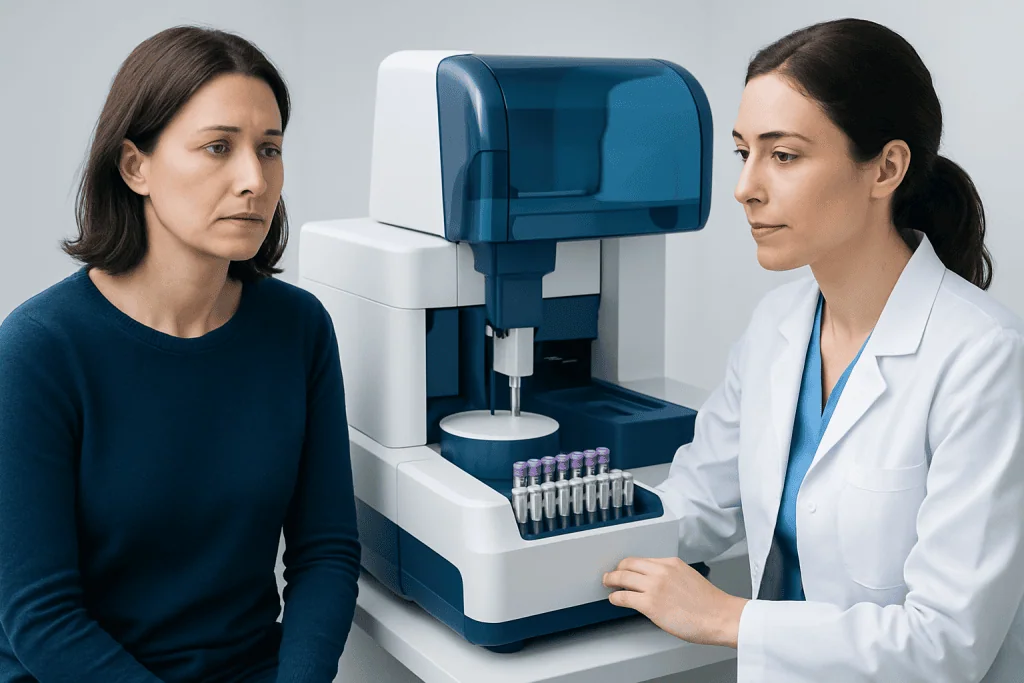
Many blood disorders are first suspected because of symptoms rather than a single obvious sign. Fatigue, shortness of breath with activity, pale skin, frequent infections, easy bruising, prolonged bleeding, heavy menstrual bleeding, or unexplained blood clots may all point toward a blood-related problem.
Some people do not have symptoms at all and learn about a blood disorder after routine blood work shows an abnormal result. Others notice warning signs such as dizziness, headaches, frequent nosebleeds, tiny red or purple spots on the skin, swelling in a leg, or repeated illness that seems unusual for their age and overall health.
Symptoms can also reflect where the problem lies. Low red blood cells often cause tiredness and weakness, while platelet or clotting problems more often cause bruising or bleeding. White blood cell disorders may show up as recurrent infections or fevers, and blood cancers may cause a combination of symptoms along with enlarged lymph nodes or an enlarged spleen.
Causes and Risk Factors

Blood disorders can be inherited or acquired later in life. Some are caused by a genetic change that affects hemoglobin, clotting proteins, or blood cell production, while others develop because of nutritional deficiencies, autoimmune disease, chronic inflammation, infection, kidney disease, liver disease, medications, or exposure to toxins.
Risk factors depend on the type of disorder. A family history of anemia, thalassemia, sickle cell disease, hemophilia, or clotting problems can increase the chance of an inherited condition. Certain medicines, including some blood thinners and chemotherapy drugs, may also change blood counts or affect clotting and need to be considered during evaluation.
Age, pregnancy, recent illness, heavy menstrual bleeding, gastrointestinal blood loss, and poor nutrition can influence test results as well. That is why doctors interpret blood tests in context rather than relying on one number alone. A careful history helps distinguish temporary changes from a true underlying disorder.
First-Line Diagnostic Tests
Most evaluations begin with a complete blood count, often called a CBC. This test measures red blood cells, white blood cells, hemoglobin, hematocrit, and platelets, and it gives the doctor an overview of whether blood counts are low, high, or otherwise abnormal.
A peripheral blood smear is often ordered next. In this test, a lab specialist looks at a drop of blood under a microscope to assess the size, shape, and appearance of blood cells. It can reveal clues that are not obvious from the CBC alone, such as abnormal cell shapes, immature cells, or patterns that suggest certain inherited or acquired conditions.
Depending on the symptoms, doctors may also order iron studies, vitamin B12 and folate levels, reticulocyte count, kidney and liver function tests, inflammatory markers, or tests for hemolysis. For bleeding or clotting concerns, common studies include PT/INR, aPTT, fibrinogen, and platelet function testing. In selected cases, specialized blood tests are used to look more closely at how cells and clotting proteins are working.
Specialist Evaluation and Advanced Testing
A hematologist is the key specialist for many blood disorders. This doctor reviews the test results, asks detailed questions about symptoms and family history, examines the person, and decides whether additional testing is needed. In complex cases, the hematologist may work with pathologists, genetic counselors, oncologists, or other subspecialists.
Advanced tests may include bone marrow aspiration and biopsy, flow cytometry, hemoglobin electrophoresis, coagulation factor assays, immunological studies, or genetic testing. These tests help clarify whether the disorder is due to abnormal blood cell production, a change in cell structure, an inherited clotting problem, or a condition affecting the immune system or marrow.
When blood disorders are part of a suspected cancer diagnosis, doctors may add imaging or tissue sampling to determine the extent of disease. For clotting-related questions, evaluation may include coagulation disorder assessment or similar targeted workup. The exact sequence depends on the person’s age, symptoms, and initial test results.
How Doctors Reach a Diagnosis
Diagnosis is usually made by combining several pieces of information rather than depending on one test result. For example, a low hemoglobin level may point to anemia, but the cause could still be iron deficiency, bleeding, inflammation, a vitamin deficiency, kidney disease, or a bone marrow disorder. Additional testing helps narrow the possibilities.
Doctors also compare current results with past records when available. A long-standing mild abnormality may suggest an inherited or chronic condition, while a sudden change can suggest bleeding, infection, medication effects, or another new problem. Physical findings such as enlarged lymph nodes, jaundice, or an enlarged spleen may also guide the diagnosis.
In some situations, the diagnosis is straightforward; in others, it takes time and repeat testing. That is normal. Blood disorders often require careful interpretation because the same symptom, such as fatigue or bruising, can arise from more than one cause. The goal is to identify the right condition with enough confidence to support safe treatment.
Treatment Planning After Diagnosis
Once the disorder is identified, the next step is to create a treatment plan tailored to the cause and severity. Some people only need monitoring, dietary changes, or vitamin replacement, while others may need medication, transfusion support, clotting-factor replacement, immune therapy, or procedures that address bone marrow problems.
Treatment decisions depend on whether the main issue is low blood production, abnormal destruction of blood cells, clotting tendency, bleeding tendency, or an underlying disease such as autoimmune illness or cancer. If a blood disorder is related to a malignancy, care may involve a multidisciplinary team and treatments such as chemotherapy, targeted therapy, or transplant evaluation.
For people who need ongoing follow-up, regular blood tests help track response to therapy and watch for side effects. In appropriate situations, doctors may recommend hematology treatment planning to coordinate medications, monitoring, and supportive care. Acibadem International’s multidisciplinary specialists and JCI-accredited hospitals also diagnose and treat blood disorders for international patients.
Prevention, Self-care, and When to See a Doctor
Not all blood disorders can be prevented, especially inherited conditions. However, healthy habits can support blood health and reduce complications: eating a balanced diet, following recommended vitamin intake, staying hydrated, taking medicines exactly as prescribed, and keeping follow-up appointments for repeat testing.
People with known bleeding or clotting disorders may need to avoid certain medicines unless a doctor approves them, and they should tell healthcare providers about their condition before surgery, dental work, or new prescriptions. Those with anemia or chronic blood disorders may benefit from pacing activity, treating underlying causes, and monitoring for symptoms that change over time.
A doctor should be consulted promptly for unexplained bruising, frequent infections, heavy or prolonged bleeding, black stools, blood in urine, chest pain, shortness of breath, leg swelling, or a sudden severe headache. These symptoms do not always mean a serious disorder, but they do deserve timely medical review so the cause can be identified and treated appropriately.
Frequently asked questions
What is the first test used to diagnose a blood disorder?
A complete blood count, or CBC, is often the first test because it shows whether red blood cells, white blood cells, or platelets are abnormal. Doctors usually combine it with a medical history and physical examination. If the CBC is abnormal, more targeted tests are ordered to find the cause.
Do all blood disorders require a bone marrow biopsy?
No. Many blood disorders can be diagnosed with blood tests alone, especially when the cause is clear. A bone marrow biopsy is usually reserved for situations where doctors need more detail about blood cell production or when the diagnosis remains uncertain.
Which specialist diagnoses blood disorders?
A hematologist is the main specialist for blood disorders. In some cases, other specialists such as oncologists, genetic counselors, or pathologists may also be involved. The exact team depends on the type of disorder and the test results.
Can a blood disorder be found on routine lab work?
Yes, many blood disorders are first noticed during routine blood work. An unexpected low or high blood count can lead to further evaluation, even if the person feels well. That is one reason regular checkups can be helpful.
What happens after abnormal blood tests are found?
Doctors usually repeat or expand testing, review symptoms and medications, and consider referral to a hematologist. The next step may include iron studies, clotting tests, a blood smear, or more advanced testing. The plan depends on what the abnormal result suggests.
When should someone seek medical help for possible blood problems?
Medical advice should be sought for unexplained fatigue, frequent infections, easy bruising, unusual bleeding, blood clots, or symptoms that are worsening. Prompt evaluation is especially important if symptoms are sudden or severe. A doctor can determine whether the issue is temporary or needs specialized care.
References
- World Health Organization
- Mayo Clinic
- National Heart, Lung, and Blood Institute
- American Society of Hematology
This article is for general information only and is not a substitute for professional medical advice. Please consult a qualified doctor about your individual situation.
Explore treatments in Turkey — costs, top hospitals & a free quote
JCI-accredited · board-certified surgeons · reply within 24h
Add us as a Preferred Source to see more of our trusted health content across Google Search, AI Overviews and Discover.