How to Support Children’s Mental Health in School

Mental health is part of a child's overall health and directly affects school life. Changes in mood, sleep, behavior, attendance, or school performance can be early signs that a child needs support.
Key Takeaways
- Mental health is part of a child's overall health and directly affects school life.
- Changes in mood, sleep, behavior, attendance, or school performance can be early signs that a child needs support.
- Consistent routines, supportive relationships, and open communication help children feel secure and resilient.
- Early assessment and practical support at school and home can prevent difficulties from becoming more serious.
- Professional help is important when symptoms are persistent, distressing, or interfere with daily functioning.
Children's mental health in school affects learning, friendships, behavior, and overall wellbeing. Support is strongest when families, teachers, and health professionals work together to notice concerns early and build a safe, predictable environment.
Overview
Children’s mental health in school refers to emotional, social, and psychological wellbeing as children learn, play, and interact in an educational setting. A child who feels safe, supported, and understood is often better able to focus, manage emotions, solve problems, and build healthy relationships. School is one of the main places where mental health needs may first become noticeable because it places daily demands on attention, behavior, communication, and coping skills.
Mental health challenges in school do not always look the same from one child to another. Some children become withdrawn or quiet, while others may seem irritable, restless, tearful, or oppositional. Difficulties may relate to anxiety, low mood, stress, bullying, learning differences, neurodevelopmental conditions, family changes, sleep problems, or physical health concerns. In many cases, children are not being “difficult” on purpose; they may be showing that they are overwhelmed or struggling.
Support works best when adults view mental health as a shared responsibility rather than a problem for the child alone. Families, teachers, school counselors, and healthcare professionals can all contribute. Early understanding and practical support can improve not only emotional wellbeing but also attendance, academic engagement, confidence, and peer relationships.
Why School Mental Health Matters
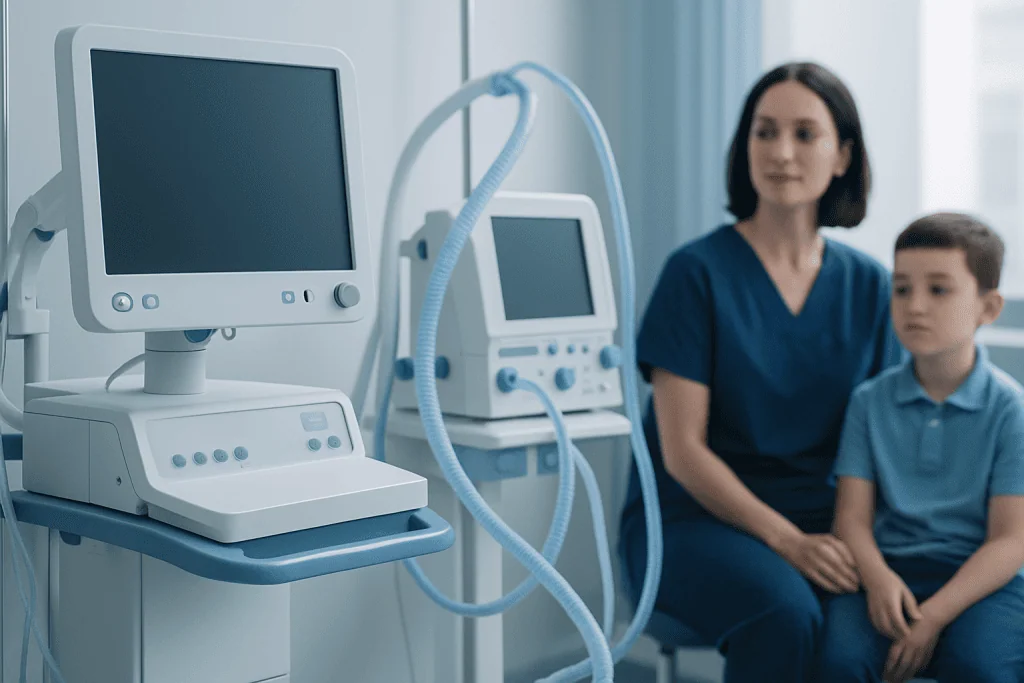
School is a major part of childhood. It shapes routines, friendships, self-esteem, and a sense of belonging. When mental health is supported in this environment, children are more likely to feel connected, participate in class, and recover more easily from stress. Positive school experiences can strengthen resilience and help children develop lifelong coping skills.
Mental health can influence many parts of school life. A child who is anxious may avoid speaking in class, struggle with tests, or complain of stomachaches before school. A child with low mood may lose interest in activities, appear tired, or fall behind with work. Others may show distress through anger, frequent conflicts, or difficulty following instructions. These behaviors are often signs that support, not blame, is needed.
Good mental health support in school also benefits the wider school community. It can reduce stigma, encourage healthy communication, and make it easier for children to seek help early. When adults respond calmly and consistently, children learn that emotions can be understood and managed rather than hidden or feared.
Common Signs a Child May Need Support
It is normal for children to have ups and downs, especially during times of change. However, persistent changes in feelings, behavior, or functioning may suggest that extra support is needed. The key is not one isolated bad day, but patterns that last, worsen, or begin to interfere with school and home life.
Signs can be emotional, physical, behavioral, or academic. Some are easy to notice, while others are subtle. Younger children may have difficulty explaining what they feel and may express distress through behavior or physical complaints instead.
- Frequent sadness, tearfulness, worry, fear, or irritability
- Withdrawal from friends, activities, or family interactions
- Difficulty concentrating, remembering, or completing schoolwork
- Sudden decline in grades, attendance, or classroom participation
- Changes in sleep, appetite, or energy levels
- Frequent headaches, stomachaches, or other physical complaints without a clear cause
- Outbursts, aggression, risk-taking, or persistent rule-breaking
- Strong distress around separation, school refusal, or bullying concerns
If these changes persist for several weeks or are severe enough to disrupt daily life, a parent, caregiver, or teacher should consider discussing them with a qualified professional. Some children may have anxiety-related difficulties, while others may be showing signs of low mood, attention difficulties, trauma responses, or another underlying issue such as depression.
Causes and Risk Factors
There is rarely a single cause behind mental health difficulties in school. Usually, several factors interact. A child may have a natural sensitivity to stress, then face additional pressure from academic demands, social challenges, family conflict, grief, chronic illness, or major life changes such as moving home or changing schools.
School-related factors can also play a role. Bullying, exclusion, learning struggles, unrealistic expectations, poor sleep due to homework overload, and a lack of support for special educational needs may all affect emotional wellbeing. Social media and digital pressures can extend school stress beyond the classroom, especially in older children.
Other influences may include neurodevelopmental or emotional conditions that make school harder to navigate. For example, some children have persistent difficulty with attention, impulse control, or organization, as seen in ADHD. Others may struggle with social communication, sensory sensitivities, or changes in routine, which can occur in autism. These children can thrive in school, but they may need tailored strategies and understanding from adults.
Protective factors are just as important as risk factors. A warm relationship with at least one trusted adult, predictable routines, positive peer connections, opportunities for play and rest, and a school culture that values inclusion can all improve mental wellbeing. Building these supports early can make children more resilient when challenges arise.
How Children Are Assessed and Supported
Assessment usually begins with careful observation and conversation. Parents, teachers, and school staff may share what they have noticed about mood, behavior, concentration, attendance, sleep, appetite, friendships, and academic progress. The child’s own perspective is also important, even if it is expressed through play, drawings, or simple descriptions rather than detailed words.
A healthcare professional may ask about medical history, development, family stressors, and school experiences. They may also consider whether learning difficulties, speech and language issues, sleep disorders, chronic pain, or other health conditions are contributing. In some cases, a child may be referred for a fuller evaluation by a pediatrician, child psychologist, child psychiatrist, or developmental specialist.
Support at school often starts with practical steps rather than labels. These might include regular check-ins with a trusted adult, a quieter place to calm down, seating adjustments, help with transitions, anti-bullying measures, reduced pressure during stressful periods, or a plan for when the child feels overwhelmed. If needed, specialist care such as child and adolescent psychiatry or psychological support can help clarify the child’s needs and guide treatment.
Treatment and Support Options
Treatment depends on the child’s age, symptoms, strengths, and the causes of distress. Many children improve with a combination of supportive parenting, school-based strategies, and talking therapies. Practical support can be highly effective, especially when it reduces stress, increases predictability, and helps the child feel heard.
Evidence-based psychological therapies are often the first approach for anxiety, low mood, adjustment difficulties, and behavior problems. Therapy may help children identify feelings, develop coping skills, challenge unhelpful thoughts, improve problem-solving, and build confidence. Family-based work can also be important, because changes at home and school often support each other.
Some children benefit from multidisciplinary input, especially if there are concerns about learning, development, speech, behavior, or family stress. This may involve school counselors, pediatricians, therapists, and mental health specialists working together. When a condition significantly affects daily life, a doctor may discuss a broader care plan, and in selected cases there may be a role for pediatric neurology or other specialist evaluation depending on the child’s symptoms.
Medication is not the first or only solution for most school-related mental health concerns, but it may be considered in some situations by a qualified specialist. Families should feel comfortable asking about expected benefits, possible side effects, and how progress will be monitored. The goal is always to support the child’s wellbeing, functioning, and development in the least burdensome way.
What Parents and Schools Can Do Every Day
Daily support often makes a meaningful difference. Children usually cope better when life feels predictable, adults are calm and responsive, and expectations are realistic. Small, consistent actions can help a child feel safer and more able to manage emotions at school.
At home, families can support mental health by protecting sleep, encouraging balanced meals, limiting overstimulation, making time for play and movement, and keeping regular routines. Open conversation also matters. Instead of asking only about grades or behavior, adults can ask how the child felt during the day, what was hard, and what helped.
At school, helpful strategies include emotionally safe classrooms, clear rules, kind correction, structured transitions, and a zero-tolerance approach to bullying. Staff can use simple check-ins, visual schedules, movement breaks, and supportive language that focuses on problem-solving rather than punishment. Children often do best when adults notice effort, not only outcomes.
- Keep a regular sleep and morning routine
- Listen without rushing to judge or fix everything
- Stay in contact with teachers about concerns and progress
- Help children name feelings and practice calming techniques
- Encourage friendships, hobbies, and physical activity
- Reduce pressure during stressful periods such as exams or family transitions
Near the end of a support pathway, some families seek coordinated specialist care. Acibadem International’s multidisciplinary specialists in JCI-accredited hospitals assess and treat child and adolescent mental health concerns for international patients when further evaluation is needed.
When to Seek Professional Help
Professional help should be considered when emotional or behavioral changes last for several weeks, keep returning, or start to affect school attendance, learning, sleep, eating, friendships, or family life. It is also appropriate to seek advice sooner if the child seems very distressed, overwhelmed, or unable to cope with everyday demands.
Parents and caregivers should not wait for problems to become severe before asking for guidance. Early support can prevent patterns from becoming more entrenched. A pediatrician, family doctor, school counselor, psychologist, or child mental health specialist can help identify what is happening and what kind of support is most suitable.
Urgent help is needed if a child talks about self-harm, death, hopelessness, or shows behavior that suggests they may be at immediate risk. In that situation, caregivers should contact emergency services or urgent mental health support in their area right away. Even when symptoms are less urgent, reassurance combined with timely professional advice is the safest approach.
Frequently asked questions
What is the best way to support a child's mental health in school?
The best support usually combines a predictable routine, a trusting relationship with adults, and early response to signs of distress. Families and schools should communicate regularly and focus on understanding the child's needs rather than only correcting behavior.
How can parents tell if school stress is affecting their child?
Possible signs include frequent worry, irritability, school refusal, physical complaints, sleep changes, falling grades, or withdrawal from friends and activities. If these changes continue or interfere with daily life, it is a good idea to speak with the school and a healthcare professional.
Can bullying affect a child's mental health at school?
Yes. Bullying can affect confidence, concentration, mood, attendance, and sense of safety. Children should be taken seriously if they mention bullying directly or show sudden fear of school, unexplained distress, or changes in behavior.
Should teachers be told if a child is struggling emotionally?
In many cases, yes. Teachers and school staff can often make practical adjustments and monitor how the child is coping during the day. Sharing relevant information can help create a more supportive and consistent plan between home and school.
Do all children with school mental health difficulties need therapy?
Not always. Some children improve with school-based support, family guidance, better routines, and relief from specific stressors. Therapy is often helpful when symptoms are persistent, distressing, or affecting the child's development and functioning.
When is urgent mental health help needed for a child?
Urgent help is needed if a child talks about self-harm, suicide, or hopelessness, or behaves in a way that suggests immediate danger. Caregivers should seek emergency or urgent mental health support without delay in these situations.
References
- World Health Organization
- UNICEF
- American Academy of Pediatrics
- Centers for Disease Control and Prevention
- National Institute of Mental Health
This article is for general information only and is not a substitute for professional medical advice. Please consult a qualified doctor about your individual situation.
Explore treatments in Turkey — costs, top hospitals & a free quote
JCI-accredited · board-certified surgeons · reply within 24h
Add us as a Preferred Source to see more of our trusted health content across Google Search, AI Overviews and Discover.