How Poverty Affects Children’s Physical Health

Poverty can influence physical health through nutrition, housing, healthcare access, stress, and environmental exposures. Children living in poverty may have higher risks of poor growth, infections, asthma, dental problems, and obesity.
Key Takeaways
- Poverty can influence physical health through nutrition, housing, healthcare access, stress, and environmental exposures.
- Children living in poverty may have higher risks of poor growth, infections, asthma, dental problems, and obesity.
- Early support, regular checkups, vaccinations, healthy food access, and safe housing can reduce health risks.
- Physical health effects often interact with emotional wellbeing, school attendance, and long-term adult health.
- Parents and caregivers should seek medical advice if a child has ongoing symptoms, poor growth, or repeated illness.
Poverty can affect a child's body in many connected ways, from nutrition and growth to sleep, infections, and chronic stress. Understanding these effects can help families, schools, and healthcare teams support healthier development.
Overview
Poverty and children’s physical health are closely connected. Poverty does not harm every child in the same way, and it does not define a child’s future. However, living with limited financial resources can make it harder to access the conditions that support healthy growth, such as nutritious food, stable housing, clean air, safe play spaces, regular medical care, and enough sleep.
Children’s bodies are still developing, so the effects of hardship may be especially important during pregnancy, infancy, and the early school years. Challenges such as crowded housing, exposure to smoke or pollution, difficulty keeping medical appointments, and irregular meals can gradually affect growth, immunity, oral health, and physical fitness. These effects may be mild in some children and more significant in others.
Poverty is also linked to chronic stress. When families face ongoing uncertainty about food, bills, housing, or transportation, the body can remain in a prolonged stress state. Over time, this can influence sleep, appetite, inflammation, and even how well children recover from illness. Supportive care, early intervention, and community resources can make a meaningful difference.
How poverty can affect a child's body
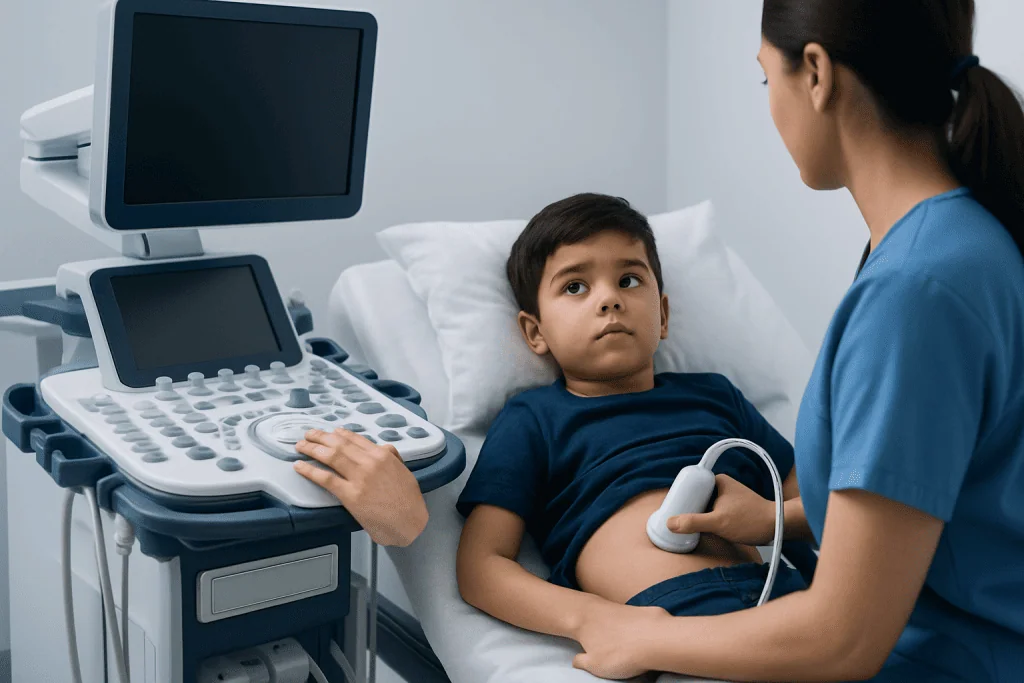
The physical effects of poverty often develop through several pathways at once. A child may not have one single health problem caused by poverty, but instead a combination of risks that interact over time. For example, a child with poor housing may also have more exposure to dampness, less restful sleep, and more missed school days due to illness.
Nutrition is one of the most important factors. When healthy foods are hard to afford or obtain, children may eat too little overall, miss key nutrients, or rely on low-cost foods high in sugar, salt, and unhealthy fats. This can contribute to poor growth, iron deficiency, fatigue, weakened immunity, and, in some cases, excess weight gain.
Healthcare access can also shape physical health. Families living in poverty may delay care because of cost concerns, transportation barriers, work schedules, or limited local services. As a result, routine checkups, immunizations, vision screening, dental care, and treatment for common illnesses may be postponed. Health concerns that could be managed early may become more disruptive later.
- Reduced access to nutritious food
- Crowded, damp, or unstable housing
- Greater exposure to pollution, smoke, and unsafe environments
- Less access to preventive healthcare and dental care
- Chronic stress affecting sleep and immune function
- Fewer safe opportunities for physical activity
Common physical health problems linked to poverty

Children affected by poverty may be more likely to experience growth and nutrition problems. These can include undernutrition, slow weight gain, short stature, iron deficiency, vitamin deficiencies, and low energy. In other children, poverty is linked to overweight and obesity, especially where healthier food choices are difficult to access and safe outdoor activity is limited. A doctor may assess growth patterns over time to identify whether a child is developing as expected.
Respiratory problems are also common. Crowded living conditions can increase the spread of infections, while damp housing, indoor allergens, and tobacco smoke exposure may worsen asthma or chronic cough. Children with repeated chest infections, wheezing, or breathlessness may need closer assessment, including for conditions such as asthma.
Dental health can be affected when regular checkups, fluoride use, or healthy food choices are harder to maintain. Tooth decay may lead to pain, sleep problems, missed school, and difficulty eating. Poverty is also linked to higher rates of skin problems, some infectious diseases, injuries in unsafe environments, and untreated vision or hearing issues that can affect everyday development.
Long-term exposure to hardship may increase the risk of chronic health conditions later in life, including high blood pressure, diabetes, and heart disease. This does not mean these outcomes are inevitable. It means that early prevention, supportive care, and healthier living conditions are especially valuable during childhood.
Causes and risk factors
The effects of poverty on physical health arise from social and environmental conditions rather than from poverty alone as a label. Limited income may affect food quality, housing stability, heating or cooling, transportation, childcare, and the ability to take time off work for medical visits. These daily pressures can shape a child’s health in practical ways.
Housing conditions are a major factor. Children living in homes with mold, dampness, pests, poor ventilation, unsafe drinking water, or overcrowding may face higher risks of infections, asthma flare-ups, sleep disruption, and injury. Homelessness or frequent moves can add further stress and interrupt continuity of care.
Neighborhood factors matter too. Some children have fewer safe parks, sidewalks, or sports opportunities. Others may live near heavy traffic or industrial pollution. Exposure to violence or chronic insecurity can contribute to poor sleep, headaches, stomachaches, and reduced physical activity. During pregnancy, maternal stress, poor nutrition, and limited prenatal care can also affect the baby’s health before birth.
- Food insecurity
- Unsafe or unstable housing
- Secondhand smoke and environmental pollution
- Barriers to primary care, dental care, and prescriptions
- Parental stress and reduced time or support resources
- Limited opportunities for exercise and recreation
How doctors assess health concerns
Doctors do not diagnose poverty as a disease, but they do assess how living conditions may affect a child’s health. A medical evaluation usually begins with a full history, including growth, diet, sleep, exercise, school attendance, housing conditions, medication access, and family stressors. This helps the care team understand the child’s symptoms in context.
Physical examination may include measuring height, weight, and body mass index over time, checking blood pressure, examining the lungs, skin, teeth, and abdomen, and looking for signs of nutritional deficiency or chronic illness. Depending on symptoms, testing may include blood tests for anemia or low iron, vitamin deficiencies, infection, or inflammation.
Some children may need further assessment for specific problems such as breathing difficulties, recurrent infections, hearing concerns, developmental delay, or poor weight gain. If needed, the doctor may recommend imaging, allergy testing, or referral to pediatric specialists. Dental, vision, and hearing checks are also important parts of preventive care. If eating or growth concerns are prominent, support from specialists in pediatric nutrition and dietetics may be helpful.
Importantly, many clinics now screen gently for social needs such as food insecurity, housing instability, and trouble accessing medicine. This is not about blame. It is a practical way to connect families with support that can improve a child’s health.
Treatment and support options
There is no single medical treatment for poverty itself, so care focuses on the child’s specific health needs and the conditions affecting those needs. For example, a child with iron deficiency may need dietary support and treatment, while a child with wheezing may need an asthma plan, inhaler education, and help reducing exposure to smoke or dampness at home.
Effective support is often multidisciplinary. Pediatricians, family doctors, nurses, dietitians, dentists, social workers, psychologists, school staff, and community organizations may all play a role. This team approach can help improve nutrition, sleep, immunization status, oral health, physical activity, and management of chronic conditions. Depending on the problem, children may also benefit from evaluation in pediatrics services.
Treatment may include catching up on routine vaccines, addressing untreated infections, managing childhood obesity or poor growth, arranging dental care, treating skin conditions, and supporting better sleep habits. Where stress is affecting daily function, mental health support can also be important because physical and emotional health are closely linked.
Near the end of the care pathway, families may need help navigating specialist services. Acibadem International’s multidisciplinary specialists and JCI-accredited hospitals provide diagnosis and treatment support for international patients when pediatric assessment or coordinated care is needed.
Prevention and self-care support for families
Although families cannot solve every social challenge on their own, small practical steps can still protect a child’s health. Keeping up with routine child health visits, vaccinations, dental checks, and school health screenings is one of the most important ways to catch problems early. Parents and caregivers can also ask a doctor, school, or local community center about food, housing, transport, or medication support programs.
At home, simple routines matter. Regular mealtimes, drinking water instead of sugary drinks when possible, consistent sleep schedules, handwashing, and smoke-free indoor spaces can all support health. If outdoor play areas are limited, indoor movement, walking, and school-based activity can still help children stay active.
Children with ongoing feeding concerns, restricted diets, or growth issues may benefit from tailored nutritional guidance. If a child has repeated chest symptoms, severe allergies, or exercise limitation, clinicians may suggest further review through services such as pediatric allergy when appropriate.
- Attend routine health and dental appointments
- Ask early for help with food, housing, and transport barriers
- Encourage regular sleep, hand hygiene, and physical activity
- Keep indoor spaces smoke-free
- Seek support promptly for poor growth, repeated illness, or dental pain
When to see a doctor
Parents and caregivers should arrange a medical review if a child is not growing well, seems unusually tired, has frequent infections, wheezing, chronic cough, persistent stomachaches, dental pain, poor appetite, or significant weight changes. These symptoms can have many causes, and a doctor can help identify what needs attention.
Medical advice is also important if a child regularly misses school because of health problems, snores heavily or sleeps poorly, has trouble keeping up with physical activity, or seems affected by headaches or body pains that keep returning. Early evaluation can prevent small concerns from becoming larger ones.
Urgent care is needed for breathing difficulty, dehydration, high fever with lethargy, severe injury, chest pain, seizures, or any sudden serious symptom. Families should also speak with a healthcare professional if financial or housing problems are making it hard to obtain medicine, food, or follow-up care. Asking for help is an important part of protecting a child’s health.
Frequently asked questions
Can poverty affect a child's growth?
Yes. Poverty can affect growth if a child does not get enough calories, protein, or key nutrients, or if illness and stress interfere with normal development. Doctors usually monitor height and weight over time to see whether growth is on track.
Does poverty only cause undernutrition, or can it also lead to obesity?
It can be linked to both. Some children may not get enough nutritious food, while others may rely more on low-cost, highly processed foods and have fewer safe chances to be active. Both patterns can affect physical health.
Why are children in poverty more likely to get sick more often?
Several factors may contribute, including crowded housing, difficulty accessing preventive care, low vaccination uptake, poor sleep, chronic stress, and environmental exposures such as smoke or dampness. These can increase the spread of infections or make recovery harder.
Can poverty make asthma worse?
Yes. Damp housing, mold, dust, air pollution, and secondhand smoke can all trigger or worsen asthma symptoms. Missing regular follow-up care or medications may also make flare-ups more likely.
What can parents do if money problems are affecting a child's health?
They can start by speaking with a doctor, nurse, school health service, or community organization. Many families can be connected with support for food, housing, prescriptions, transport, and preventive care. Seeking help early can reduce health risks.
Are the effects of poverty on physical health permanent?
Not necessarily. Early support, good medical care, improved nutrition, safe housing, and stable routines can all help children recover and thrive. The earlier problems are identified, the better the chance of reducing long-term effects.
References
- World Health Organization
- UNICEF
- American Academy of Pediatrics
- Centers for Disease Control and Prevention
- National Institute of Child Health and Human Development
This article is for general information only and is not a substitute for professional medical advice. Please consult a qualified doctor about your individual situation.
Explore treatments in Turkey — costs, top hospitals & a free quote
JCI-accredited · board-certified surgeons · reply within 24h
Add us as a Preferred Source to see more of our trusted health content across Google Search, AI Overviews and Discover.
Check your numbers in seconds
BMI, calories, due date, blood pressure and 30+ more clinical calculators — free, instant, doctor-reviewed ranges.