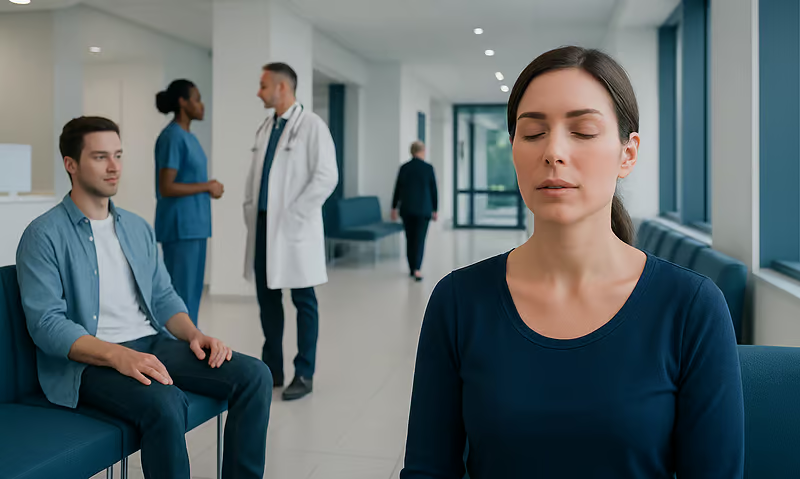
Condition Called Love: Is It a Real Diagnosis?

Love itself is not recognized as a disease or formal diagnosis. Intense romantic feelings can affect mood, sleep, appetite, concentration, and stress levels.
Key Takeaways
- Love itself is not recognized as a disease or formal diagnosis.
- Intense romantic feelings can affect mood, sleep, appetite, concentration, and stress levels.
- When feelings become overwhelming, persistent, or harmful, an underlying mental health condition may be present.
- Doctors assess symptoms to rule out anxiety, depression, obsessive patterns, or physical causes.
- Healthy coping, boundaries, and professional support can help when love-related distress disrupts daily life.
The phrase “condition called love” is not an official medical diagnosis. Still, strong romantic attachment, heartbreak, or obsessive feelings can influence emotions, sleep, stress, and daily functioning in ways that may need support.
Overview: What Does “Condition Called Love” Mean?
The expression “condition called love” is often used in everyday conversation, literature, and popular culture to describe the powerful emotional and physical experience of falling in love. It can refer to joy, longing, preoccupation with another person, or the distress of heartbreak. However, in modern medicine, love is not classified as a disease, disorder, or official diagnosis.
That said, love is not “just in the imagination.” Romantic attachment can trigger real changes in the brain and body. People may notice excitement, nervousness, sleep changes, a faster heartbeat, appetite changes, or difficulty concentrating. These reactions are part of the body’s emotional and stress systems and can feel very intense, especially in new relationships or after a breakup.
Most of the time, these feelings are a normal part of human experience. They usually improve with time, emotional adjustment, and supportive relationships. The concern arises when feelings linked to love become overwhelming, unsafe, or so persistent that they interfere with work, school, sleep, relationships, or self-care.
In those situations, a healthcare professional does not diagnose “love” itself. Instead, they look for a related issue such as anxiety, depression, adjustment problems, obsessive thoughts, trauma responses, or another mental health condition that may need attention.
Can Love Ever Be a Medical or Mental Health Diagnosis?
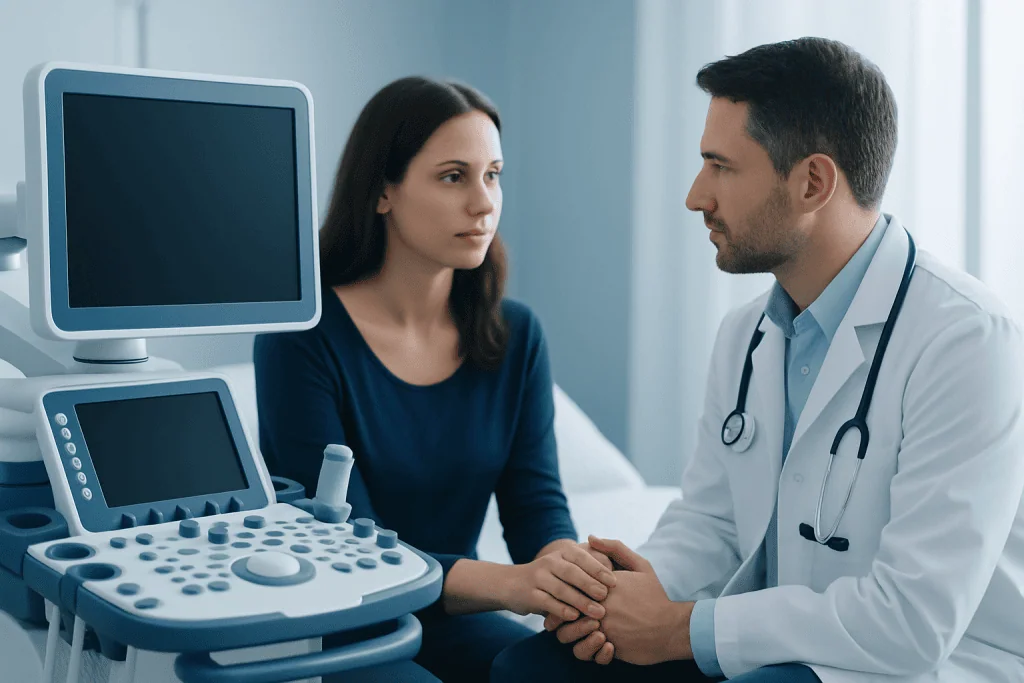
There is no diagnosis in standard medical classification systems called “condition called love.” Doctors and mental health professionals use recognized diagnostic criteria for specific conditions. If a person feels consumed by love, jealousy, rejection, or longing, the evaluation focuses on the symptoms and their impact rather than the romantic label.
For example, someone experiencing heartbreak may develop low mood, anxiety, panic symptoms, loss of appetite, insomnia, or difficulty functioning. Another person may become preoccupied with a relationship to the point of obsessive checking, repeated messaging, or inability to focus on daily responsibilities. In these cases, a clinician may consider whether the person is experiencing an adjustment disorder, an anxiety disorder, depression, grief-related distress, or another condition such as obsessive-compulsive disorder if symptoms fit.
It is also important to distinguish strong but healthy affection from behavior that is controlling, dependent, or unsafe. Intense attachment can sometimes be part of broader emotional struggles, including low self-esteem, fear of abandonment, or difficulty regulating emotions. Rarely, extreme changes in energy, sleep, risk-taking, or grandiosity in the context of romance may point to a mood disorder that needs assessment.
In short, love may be the context, but the diagnosis—if there is one—is based on identifiable mental or physical symptoms. This helps ensure that care is accurate, respectful, and focused on what the person is truly experiencing.
Common Symptoms People Associate With Lovesickness

The idea of “lovesickness” has existed for centuries. While it is not a formal diagnosis, many people use the term to describe emotional and physical symptoms linked to intense romantic feelings, rejection, or separation. These symptoms may appear during the excitement of a new relationship or after conflict, uncertainty, or loss.
Common experiences can include:
- Persistent thoughts about one person
- Mood swings, tearfulness, or irritability
- Trouble sleeping or sleeping too much
- Loss of appetite or emotional eating
- Restlessness, nervousness, or a racing heart
- Difficulty concentrating at work or school
- Loss of interest in usual activities
- Feelings of rejection, jealousy, or emptiness
These symptoms are often temporary and may ease as emotions settle. However, if they last for weeks, become more severe, or affect daily functioning, they may reflect a treatable mental health issue rather than a normal adjustment alone. For example, prolonged sadness, hopelessness, or changes in sleep and appetite may overlap with depression.
Physical symptoms should not be ignored. Chest discomfort, fainting, severe palpitations, significant weight loss, or ongoing insomnia deserve medical attention. Emotional distress can affect the body, but medical problems should be ruled out when symptoms are strong or unusual.
Why Love Feels So Powerful: Causes and Risk Factors
Romantic attachment involves several brain systems related to reward, motivation, memory, and stress. This helps explain why a person may feel euphoric, energized, distracted, or emotionally vulnerable when they are in love. Hormones and chemical messengers linked to bonding and reward can shape attention, desire, and emotional closeness.
At the same time, personal history matters. Attachment style, past relationships, childhood experiences, self-esteem, and stress levels can all influence how someone experiences love. A secure and supportive relationship may feel calming and stabilizing, while uncertainty or inconsistency may increase anxiety and preoccupation.
Some factors can make love-related distress more intense or harder to manage. These include loneliness, recent loss, existing anxiety, depression, trauma, poor sleep, social isolation, and unresolved relationship patterns. People who already struggle with emotional regulation may find rejection or romantic uncertainty especially difficult.
Risk also rises when a relationship becomes unhealthy. Possessiveness, surveillance, threats, manipulation, or dependence are not signs of healthy love. In some cases, what seems like “too much love” may actually reflect anxiety, controlling behavior, or another emotional problem that would benefit from professional help.
How Doctors Evaluate Love-Related Distress
If someone seeks care for symptoms they describe as a “condition called love,” the assessment usually starts with a careful conversation. A doctor or mental health professional may ask when the symptoms began, what triggered them, how severe they are, and whether they are affecting sleep, appetite, work, studies, or relationships. They may also ask about safety, especially if there are thoughts of self-harm or inability to cope.
The goal is to identify whether the experience is part of normal emotional adjustment or whether it fits a recognized condition. Depending on the symptoms, clinicians may consider anxiety, panic attacks, depression, grief, obsessive thinking, trauma-related stress, or problems with substance use. If needed, patients may be referred for psychiatric evaluation or counseling.
A physical evaluation can also be important. Symptoms such as palpitations, chest discomfort, fatigue, dizziness, weight changes, or severe insomnia may have medical causes or may be worsened by stress. In some cases, a doctor may recommend basic tests to rule out other conditions.
Assessment is not about judging a person for being emotional. It is about understanding how the mind and body are responding and deciding whether support, therapy, lifestyle changes, or medical treatment would be helpful.
Treatment and Support Options
There is no treatment for “love” itself, because love is not a disease. Treatment is directed at the symptoms causing distress. For many people, support from trusted friends or family, time, healthy routines, and reduced contact with triggering situations can be enough to help emotions settle.
When symptoms are stronger or longer-lasting, talking therapies can be very effective. Counseling can help a person process heartbreak, identify unhealthy relationship patterns, strengthen boundaries, and improve coping skills. If emotional distress is linked to depression, anxiety, or obsessive thoughts, a clinician may recommend psychotherapy and, when appropriate, medication under medical supervision.
Self-care measures also matter. Helpful steps may include maintaining regular sleep, eating balanced meals, limiting alcohol or recreational drugs, staying physically active, and reducing repetitive checking of messages or social media. Practices such as journaling, mindfulness, and structured daily routines can support recovery.
If symptoms are severe, persistent, or linked to a diagnosed mental health condition, a multidisciplinary approach may be useful. Near the end of the care pathway, some people may benefit from integrated support that includes mental health, primary care, and sometimes general health check-up services to review overall wellbeing. Acibadem International’s multidisciplinary specialists in JCI-accredited hospitals also diagnose and treat mental and physical conditions affecting international patients.
Prevention, Healthy Relationship Habits, and When to Seek Help
Love cannot be prevented, nor should it be. But emotional distress linked to relationships can sometimes be reduced through healthy habits. Clear communication, realistic expectations, respect for boundaries, and maintaining friendships, hobbies, and personal goals all help create a more balanced emotional life. A healthy relationship adds to a person’s life rather than replacing their identity.
It also helps to notice warning signs early. If someone becomes isolated, constantly anxious, unable to function without reassurance, or drawn into controlling or manipulative dynamics, it may be time to step back and seek guidance. Learning about emotional patterns can protect mental health and improve future relationships.
Professional help is recommended if symptoms last more than a few weeks, interfere with everyday life, or include panic attacks, severe insomnia, hopelessness, self-neglect, or thoughts of self-harm. Immediate help is needed if a person feels unsafe, has suicidal thoughts, or is experiencing abuse or threats from a partner.
Seeking support is not a sign that love is weak or unreal. It simply means the emotional experience has become difficult enough to deserve care. A doctor, psychologist, or psychiatrist can help clarify what is happening and guide the person toward safe, appropriate support.
Frequently asked questions
Is “condition called love” a real medical diagnosis?
No. “Condition called love” is not an official diagnosis in medical or psychiatric classification systems. It is an informal phrase people use to describe strong romantic emotions or distress related to love.
Can love cause physical symptoms?
Yes, strong emotions can affect the body. People may notice a faster heartbeat, sleep changes, appetite changes, stomach discomfort, or trouble concentrating, especially during new romance or heartbreak.
When does love-related distress become a health concern?
It becomes a concern when symptoms are severe, last for a prolonged period, or interfere with daily life. Warning signs include inability to sleep, persistent low mood, panic symptoms, self-neglect, obsessive behavior, or thoughts of self-harm.
Is lovesickness the same as depression?
Not always. Lovesickness is a non-medical term for distress linked to romantic feelings, while depression is a recognized mental health condition with specific symptoms and patterns. However, heartbreak can sometimes trigger or worsen depression in some people.
How is love-related distress treated?
Treatment depends on the underlying symptoms. Supportive counseling, psychotherapy, healthy routines, stress management, and in some cases medication may be recommended if a doctor identifies anxiety, depression, or another condition.
Should someone see a doctor after a breakup?
A breakup does not always require medical care, because sadness and grief are common reactions. But if symptoms are intense, prolonged, or affecting safety, sleep, eating, or daily functioning, professional support is a good idea.
References
- World Health Organization
- American Psychiatric Association
- National Institute of Mental Health
- National Health Service
- Mayo Clinic
This article is for general information only and is not a substitute for professional medical advice. Please consult a qualified doctor about your individual situation.
Explore treatments in Turkey — costs, top hospitals & a free quote
JCI-accredited · board-certified surgeons · reply within 24h
Add us as a Preferred Source to see more of our trusted health content across Google Search, AI Overviews and Discover.