Do Ears and Noses Keep Growing With Age?

Ears and noses do not usually keep truly growing throughout adulthood in the way bones grow during childhood. Age-related changes in cartilage, skin elasticity, and gravity can make the ears and nose appear longer or larger.
Key Takeaways
- Ears and noses do not usually keep truly growing throughout adulthood in the way bones grow during childhood.
- Age-related changes in cartilage, skin elasticity, and gravity can make the ears and nose appear longer or larger.
- Some changes are a normal part of aging, but sudden swelling, pain, bleeding, or blockage should be assessed by a doctor.
- Healthy skin care, sun protection, and avoiding smoking may help support tissue health as people age.
- Cosmetic or functional concerns can sometimes be improved with specialist ENT or plastic surgery evaluation.
Ears and noses can appear larger with age, but this is usually due to changes in skin, cartilage, gravity, and soft tissues rather than ongoing body growth. Understanding these normal age-related changes can help people know what is typical and when to seek medical advice.
Overview
Many people notice that older adults often seem to have larger ears or a more prominent nose and wonder whether these body parts keep growing forever. In most cases, the answer is no in the strict sense. The ears and nose do not continue growing like they did during childhood and adolescence, when the body is still developing.
What usually happens is that age changes the tissues that shape the face. Cartilage, skin, connective tissues, and supporting structures can gradually weaken or shift over time. This can make the nose look longer or droopier and the earlobes look more stretched, even when true tissue growth is limited.
Gravity also plays a role. Over many years, soft tissues naturally lose firmness and elasticity, and this can subtly change facial proportions. As a result, ears and noses may appear larger relative to the rest of the face, especially as surrounding structures such as the cheeks also lose volume with age.
These changes are usually normal and cosmetic rather than harmful. Still, it is helpful to understand the difference between common aging and symptoms that may point to an ear, nose, or skin condition that needs medical attention.
Why Ears and Noses Look Bigger Over Time
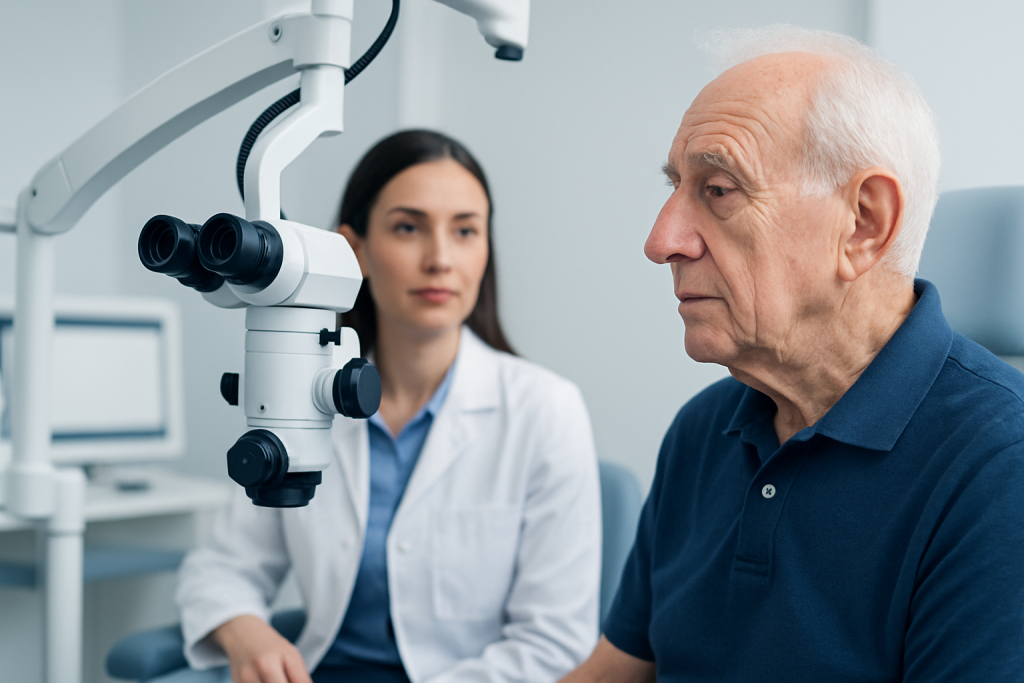
The outer ear and the visible part of the nose contain cartilage, a firm but flexible tissue. Cartilage does not behave exactly like bone. With aging, cartilage can lose some of its strength and support, and surrounding connective tissue may loosen. This can change the shape and position of the nose and ears.
The earlobes are especially prone to stretching because they do not contain cartilage. Over time, the effects of gravity, heavy earrings, and thinning skin can make the lobes appear longer. In the nose, weakening support and skin changes can make the nasal tip droop slightly, creating the impression of a larger nose.
Skin also changes with age. It becomes thinner in some areas, less elastic, and more affected by sun exposure. These shifts can alter how the nose and ears look. A nose with thicker or sun-damaged skin may seem broader, while facial volume loss around the midface can make the nose stand out more.
So while people may say ears and noses “keep growing,” the more accurate explanation is that aging changes their structure and appearance. In some individuals, these changes are subtle, while in others they are more noticeable depending on genetics, lifestyle, and overall skin health.
Normal Aging Changes vs. Other Causes

Most gradual changes in the appearance of the ears and nose are part of normal aging. However, not every change should be assumed to be harmless. Enlargement, swelling, or shape changes can sometimes be linked to inflammation, injury, skin conditions, or growths that need assessment.
For example, the nose may seem enlarged due to chronic swelling, untreated allergies, long-term irritation, or certain skin disorders. One example is rosacea, which can affect the skin of the nose and in some cases lead to thickening over time. Ear shape can also change after trauma, repeated pressure, piercing complications, or skin lesions.
In some people, nasal changes are related more to internal structure than to external appearance. A deviated septum, enlarged turbinates, or chronic sinus disease can affect breathing even if the outside of the nose looks only mildly different. If nasal obstruction is present, an ENT specialist may evaluate for conditions such as deviated septum.
The key difference is the pace and type of change. Slow, symmetrical, painless changes over many years are more likely to reflect aging. Sudden changes, one-sided swelling, pain, bleeding, discharge, skin ulceration, or rapid growth should be evaluated by a healthcare professional.
Symptoms and Signs That May Need Attention
Age-related changes are usually painless and develop slowly. A person may simply notice that their glasses sit differently, earrings pull more on the lobes, or the tip of the nose appears lower in old photos compared with recent ones. These are often cosmetic observations rather than signs of disease.
It is important to seek medical advice if there are other symptoms along with a change in size or shape. Warning signs can include:
- Persistent pain or tenderness in the ear or nose
- Sudden swelling or redness
- Bleeding from the nose without a clear reason
- A new lump, sore, or crusted area on the skin
- Hearing changes or a blocked ear sensation
- Ongoing nasal blockage, facial pressure, or reduced sense of smell
- Changes after injury that do not settle
These symptoms do not necessarily mean something serious is present, but they do deserve proper assessment. In older adults especially, skin cancers, chronic infections, and structural problems can sometimes first appear as a change in the ear or nose.
Any change that affects breathing, hearing, sleep, or quality of life is worth discussing with a doctor. Early evaluation can help identify whether the cause is normal aging, a treatable ENT condition, or a skin-related issue.
How Doctors Evaluate Ear and Nose Changes
A doctor usually begins with a medical history and physical examination. They may ask when the change was first noticed, whether it has progressed slowly or quickly, and whether there are related symptoms such as congestion, bleeding, pain, hearing loss, or skin irritation. Information about sun exposure, smoking, trauma, piercings, allergies, and past surgery can also be helpful.
For the ears, the examination may include the outer ear, earlobes, ear canal, and eardrum. For the nose, the doctor looks at the external shape and the inside of the nasal passages. If breathing issues are present, a more detailed ENT assessment may be recommended.
In some cases, additional tests are useful. Nasal endoscopy can help examine deeper structures if blockage or chronic symptoms are present. Imaging may be considered when trauma, sinus disease, or structural abnormalities are suspected. Skin lesions on the nose or ear may require dermatology review or biopsy.
The goal of evaluation is not just cosmetic assessment. It is to distinguish normal aging from conditions that may need treatment, such as chronic inflammation, structural obstruction, benign growths, or less commonly, tumors. A careful assessment allows the doctor to recommend the most appropriate next step.
Treatment Options and When Treatment Is Considered
Normal age-related changes in the ears and nose usually do not require treatment. If a person is comfortable and has no functional symptoms, reassurance may be all that is needed. Treatment is considered when there are concerns about breathing, hearing, repeated irritation, skin disease, or appearance.
When nasal shape changes are linked to obstruction or structural problems, treatment may focus on improving function. Depending on the cause, options may include medication for allergies or inflammation, or procedures to correct anatomy. In selected patients, a specialist may discuss septoplasty if the septum is contributing to blockage, or rhinoplasty when shape and function both need evaluation.
For ears, stretched earlobes, scarred piercings, or prominent age-related changes can sometimes be improved with minor procedures. If there are signs of hearing-related concerns, testing and hearing support may be advised. Skin lesions on the ear or nose should always be properly assessed before any cosmetic treatment is considered.
When changes affect confidence or daily comfort, specialist advice can help clarify safe options. Near the end of the care pathway, some people may also wish to discuss appearance-focused procedures such as otoplasty for the ears. Acibadem International’s multidisciplinary specialists in JCI-accredited hospitals evaluate and treat ENT and facial concerns for international patients when expert assessment is needed.
Prevention and Self-care
It is not possible to stop all age-related changes in the ears and nose, but healthy habits may help protect the skin and supporting tissues. Sun protection is especially important because the nose and ears receive a lot of sun exposure over a lifetime. Daily sunscreen, hats, and avoiding excessive sun can reduce skin damage.
Smoking avoidance is another important step. Smoking can affect circulation, collagen, and skin quality, which may contribute to premature aging changes. Good general health habits such as balanced nutrition, hydration, and regular medical checkups can also support tissue health over time.
Simple self-care measures can help the ears specifically. Choosing lighter earrings, limiting tension on pierced lobes, and treating skin irritation early may reduce stretching and damage. For the nose, managing allergies and chronic irritation can help reduce swelling and discomfort.
People should also pay attention to new skin changes. Because the ears and nose are common sites for sun damage, any non-healing sore, persistent crusting, or changing spot deserves medical review. Self-care is useful, but it should not replace professional assessment when symptoms are persistent or unusual.
When to See a Doctor
A gradual change in the shape of the ears or nose over many years is often part of normal aging. Even so, a doctor should be consulted if the change seems rapid, one-sided, painful, or linked to other symptoms. This is particularly important if there is trouble breathing through the nose, frequent nosebleeds, hearing changes, or a new visible skin lesion.
Medical advice is also recommended after any facial or ear injury, especially if deformity, persistent swelling, or bleeding remains. Older adults should be especially cautious about lesions on sun-exposed areas, because early skin cancers can resemble harmless crusts or thickened skin.
An ENT specialist, dermatologist, or primary care doctor can help determine whether the change is expected with age or whether treatment is needed. Seeking evaluation is not just about appearance; it is about protecting breathing, hearing, and skin health.
With proper assessment, most people can be reassured when changes are normal and receive timely care when they are not. Knowing what is typical and what is not helps people make informed decisions about their health.
Frequently asked questions
Do ears and noses really keep growing throughout life?
Not in the same way the body grows during childhood. They often look larger with age mainly because cartilage support changes, skin loses elasticity, and gravity affects soft tissues over time.
Why do earlobes seem longer in older adults?
Earlobes can stretch gradually because they are made mostly of soft tissue rather than cartilage. Aging skin, gravity, and years of wearing heavy earrings can all make the lobes appear longer.
Why does the nose look bigger with age?
The nose may appear bigger because the skin and connective tissues change and the tip may droop slightly over time. Loss of facial volume around the cheeks can also make the nose stand out more.
Is a changing nose or ear shape always normal aging?
No. Slow, symmetrical changes are often normal, but sudden swelling, pain, bleeding, a new lump, or one-sided change should be checked by a doctor.
Can anything prevent age-related changes in the ears and nose?
Aging cannot be stopped completely, but healthy habits may help. Sun protection, avoiding smoking, gentle skin care, and reducing strain on earlobes can support tissue health.
When should someone see an ENT specialist?
An ENT specialist should be seen if ear or nose changes come with breathing problems, hearing changes, repeated infections, bleeding, pain, or visible deformity after injury. Specialist review is also helpful when cosmetic changes are causing concern and a person wants to understand safe treatment options.
References
- National Institute on Aging
- American Academy of Otolaryngology–Head and Neck Surgery
- National Health Service
- Mayo Clinic
- American Academy of Dermatology
This article is for general information only and is not a substitute for professional medical advice. Please consult a qualified doctor about your individual situation.
Explore treatments in Turkey — costs, top hospitals & a free quote
JCI-accredited · board-certified surgeons · reply within 24h
Add us as a Preferred Source to see more of our trusted health content across Google Search, AI Overviews and Discover.

Otorhinolaryngology (ENT)
Care for ear, nose, throat and head-and-neck conditions, including hearing and balance disorders.
126 specialists in this unit