Hormonal Acne: Causes, Treatment Options, and When to See a Doctor
Hormonal acne is linked to hormone-related changes in oil production and inflammation. It often causes deep, tender pimples around the chin, jawline, and lower cheeks.
Key Takeaways
- Hormonal acne is linked to hormone-related changes in oil production and inflammation.
- It often causes deep, tender pimples around the chin, jawline, and lower cheeks.
- Triggers may include menstrual cycles, stress, polycystic ovary syndrome, and some medications.
- Treatment can involve non-comedogenic skincare, topical medicines, and in some cases hormonal therapy.
- A doctor should assess acne that is severe, scarring, persistent, or associated with irregular periods or excess facial hair.
Hormonal acne is a common form of acne influenced by shifts in hormones that affect oil production and skin inflammation. It often appears along the lower face, jawline, and chin, and many people improve with a combination of skincare, lifestyle measures, and medical treatment.
Overview of Hormonal Acne
Hormonal acne is acne that develops or worsens because of changes in hormone levels. Hormones, especially androgens, can increase the skin’s oil production. When extra oil mixes with dead skin cells and bacteria, pores can become blocked and inflamed, leading to pimples, nodules, or cysts.
Although hormonal acne is often associated with teenagers, it can affect adults of any age. It is especially common in people who notice breakouts around their menstrual cycle, during pregnancy, in perimenopause, or during periods of ongoing stress. Some people first develop acne in adulthood even if they had little or no acne as a teenager.
This type of acne often appears on the lower face, including the chin, jawline, and neck. Lesions may be deeper and more tender than typical whiteheads or blackheads. In some cases, hormonal acne overlaps with other forms of acne, so a professional assessment can help guide the most suitable treatment plan.
Symptoms and Common Patterns
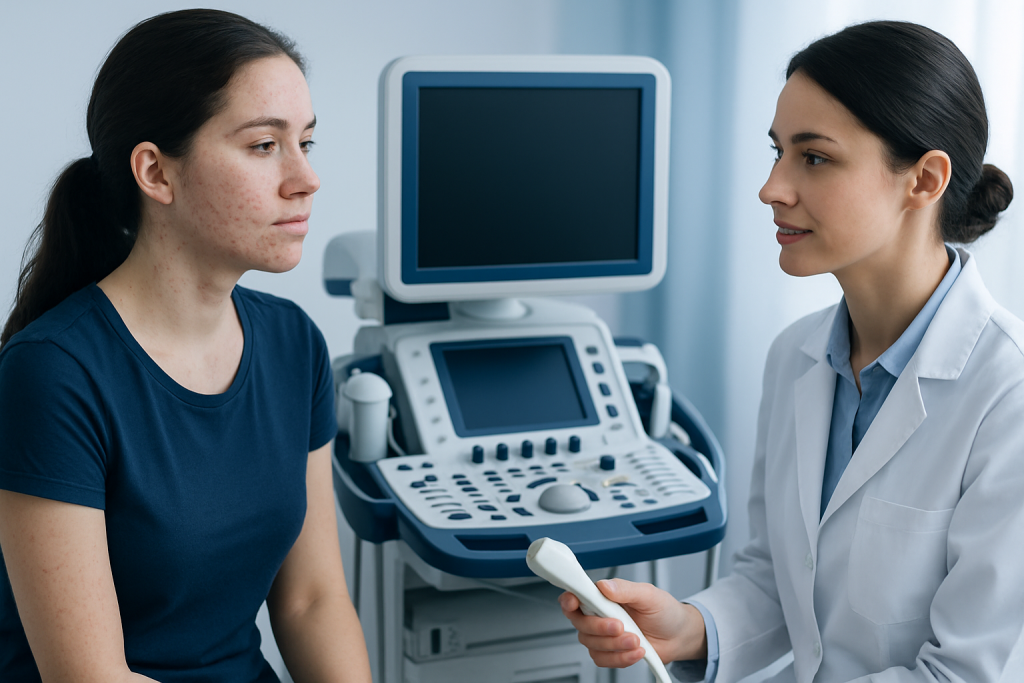
Hormonal acne can look different from person to person. Some people develop small clogged pores, while others experience painful inflamed bumps under the skin. The pattern, timing, and location of breakouts often provide useful clues.
Common features include breakouts that flare before or during a menstrual period, acne concentrated around the chin and jawline, and spots that seem slow to heal. The skin may also feel oilier than usual, especially in the T-zone or lower face. In more persistent cases, dark marks or scars can remain after the active acne improves.
- Deep, tender pimples or cyst-like bumps
- Breakouts on the chin, jawline, lower cheeks, or neck
- Oiliness and clogged pores
- Flares linked to menstrual cycles or stress
- Post-inflammatory marks or acne scarring
Because many skin conditions can resemble acne, it is important not to self-diagnose persistent rashes or bumps. Conditions such as rosacea or folliculitis may need different treatment, especially when redness or irritation is prominent.
Causes and Risk Factors
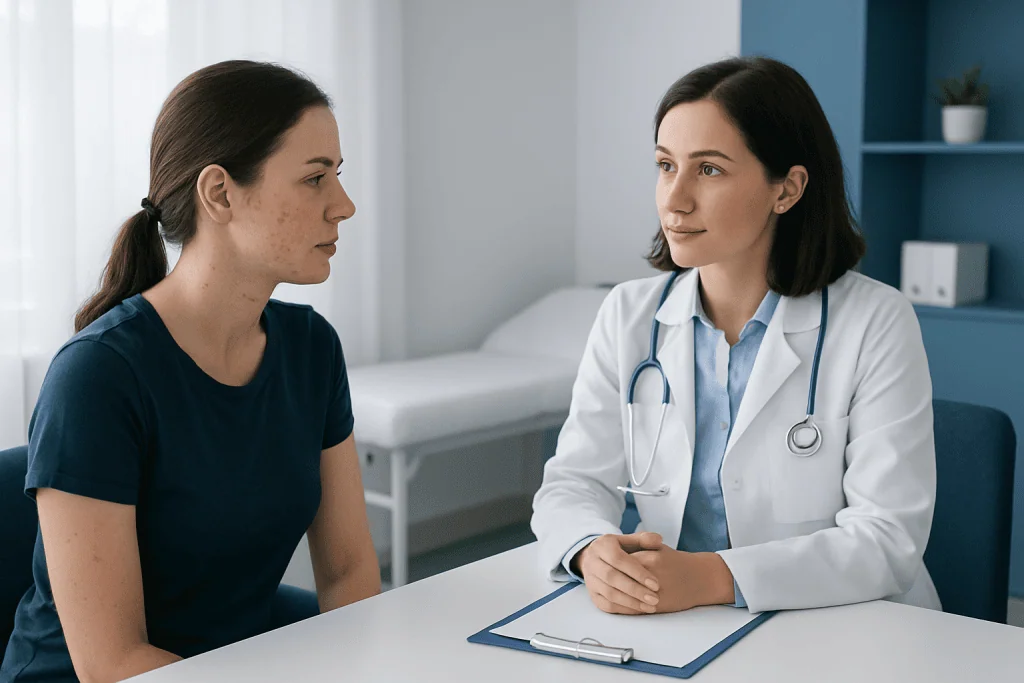
The main driver of hormonal acne is increased sensitivity to hormone fluctuations. Androgens stimulate the sebaceous glands, which produce sebum, the skin’s natural oil. Too much sebum can contribute to blocked pores, bacterial overgrowth, and inflammation. Not everyone with hormone changes gets acne, so genetics and skin sensitivity also play a role.
Several life stages and medical conditions can influence hormone levels. Puberty is a common trigger, but adult hormonal shifts are also important. Menstrual cycles, pregnancy, perimenopause, and menopause can all affect the skin. Stress does not directly cause acne, but it may worsen it by influencing hormones and inflammation.
Other possible risk factors include polycystic ovary syndrome, a family history of acne, oily skin, and the use of certain medications such as corticosteroids or hormone-containing treatments. Hair and skin products that clog pores may also aggravate breakouts. When acne is accompanied by irregular periods, weight changes, or excess facial hair, a hormonal condition may need to be ruled out.
How Hormonal Acne Is Diagnosed
Hormonal acne is usually diagnosed through a clinical skin examination and a discussion of symptoms. A doctor or dermatologist may ask when the acne started, where it appears, whether it flares around the menstrual cycle, and what treatments have already been tried. This history is often as important as the skin findings themselves.
Most people do not need extensive testing. However, tests may be considered if acne is severe, appears suddenly, or is accompanied by signs of hormone imbalance such as irregular periods, scalp hair thinning, infertility concerns, or increased facial or body hair. In these cases, the doctor may evaluate for conditions such as polycystic ovary syndrome or other endocrine disorders.
The severity of acne also matters because it influences treatment choices and the risk of scarring. A specialist may classify acne as mild, moderate, or severe based on the number and type of lesions. If there is significant scarring or recurring painful nodules, a dermatologist may discuss advanced options through a broader dermatology evaluation and treatment plan.
Treatment Options for Hormonal Acne
Treatment depends on the severity of acne, the person’s age, pregnancy status, skin sensitivity, and whether there are signs of an underlying hormone disorder. Mild hormonal acne may improve with regular skincare and topical treatments. More persistent or deeper acne often needs prescription medication and patience, since visible improvement usually takes time.
Topical treatments may include benzoyl peroxide, retinoids, azelaic acid, or topical antibiotics when appropriate. These treatments help keep pores clear, reduce bacteria, and calm inflammation. A doctor may recommend a simple routine built around a gentle cleanser, non-comedogenic moisturizer, and daily sunscreen to support the skin barrier while treatment is underway.
For some adults, hormonal treatment can be helpful. Depending on the individual case, doctors may consider combined oral contraceptives or other hormone-modifying medicines. Oral antibiotics may be used for a limited period in inflammatory acne, while severe cystic acne may need stronger prescription therapy. If there are signs of an endocrine problem, a person may benefit from endocrinology assessment alongside skin care.
Scarring, dark marks, or resistant acne sometimes require additional care after inflammation is controlled. In selected cases, procedures such as chemical peels, laser-based treatments, or other medical aesthetics approaches may be discussed, but these are usually considered only after active acne is better managed.
Prevention and Self-care
Hormonal acne cannot always be prevented completely, but good skin habits can reduce flare-ups and support treatment. Gentle, consistent care is usually more effective than using many strong products at once. Scrubbing, picking, or frequently switching products can irritate the skin and make acne harder to control.
It helps to wash the face with a mild cleanser, remove makeup before sleeping, and choose products labeled non-comedogenic or oil-free. Sunscreen is important because some acne treatments can increase sun sensitivity, and sun exposure can worsen dark marks left after breakouts. Hair products, helmet straps, and tight face coverings may also contribute to clogged pores in some people.
- Avoid squeezing or picking spots, which can increase scarring
- Use skincare products consistently for several weeks before judging results
- Clean items that touch the face regularly, such as phone screens and pillowcases
- Manage stress with sleep, exercise, and relaxation strategies where possible
- Seek medical advice before using supplements or online acne remedies
Diet is an area of ongoing research. Some people notice that certain foods seem to aggravate their acne, but triggers vary. Rather than following restrictive trends, it is usually best to aim for a balanced eating pattern and discuss concerns with a doctor or dietitian if needed.
When to See a Doctor
A doctor should assess acne that is painful, widespread, leaving scars, or not improving with over-the-counter care. Medical advice is also important if breakouts begin suddenly in adulthood or are causing significant distress. Early treatment can reduce the chance of long-term marks and help identify whether hormones are playing a major role.
People should also seek evaluation if acne occurs together with irregular periods, fertility concerns, excess facial hair, unexplained weight changes, or hair thinning. These features may point to an underlying hormonal condition that deserves attention. If there are symptoms suggestive of polycystic ovary syndrome or another endocrine disorder, treating the cause can improve both skin and overall health.
In many cases, hormonal acne can be managed successfully with a tailored plan and regular follow-up. Near the end of the care pathway, some people benefit from coordinated support across dermatology, gynecology, and endocrinology. Acibadem International’s multidisciplinary specialists and JCI-accredited hospitals diagnose and treat hormonal acne and related conditions for international patients.
Frequently asked questions
What does hormonal acne look like?
Hormonal acne often appears as deeper, tender bumps on the chin, jawline, lower cheeks, or neck. It may flare in a cyclical pattern, such as before a menstrual period, and can be slower to heal than ordinary pimples.
Can hormonal acne happen in adults?
Yes. Hormonal acne is common in adults, especially women, and it may begin for the first time after the teenage years. Changes related to menstrual cycles, pregnancy, perimenopause, stress, or underlying hormone disorders can all contribute.
Does hormonal acne mean there is a serious hormone problem?
Not necessarily. Many people have hormonal acne because of normal hormone fluctuations and skin sensitivity. However, if acne is severe or occurs with irregular periods, excess facial hair, or hair thinning, a doctor may look for an underlying condition.
How long does hormonal acne treatment take to work?
Most treatments need time, and noticeable improvement often takes several weeks. It is common for doctors to recommend sticking with a plan consistently before deciding whether it is helping, unless irritation or side effects occur.
Can lifestyle changes alone clear hormonal acne?
Lifestyle measures such as gentle skincare, avoiding picking, stress management, and using non-comedogenic products can help reduce flare-ups. Still, many people with hormonal acne need medical treatment as well, especially if the acne is deep, painful, or persistent.
Is hormonal acne the same as cystic acne?
They are not exactly the same, although they can overlap. Hormonal acne refers to acne influenced by hormones, while cystic acne describes a severe type of acne with deep inflamed lesions. A person can have hormonal acne that includes cystic breakouts.
References
- American Academy of Dermatology
- National Institute for Health and Care Excellence
- National Health Service
- Mayo Clinic
- American College of Obstetricians and Gynecologists
This article is for general information only and is not a substitute for professional medical advice. Please consult a qualified doctor about your individual situation.
Acne in Turkey — costs, top hospitals & a free quote
JCI-accredited · board-certified surgeons · reply within 24h
Add us as a Preferred Source to see more of our trusted health content across Google Search, AI Overviews and Discover.