

What Causes Kidney Stones? Common Risks and Prevention Tips

Kidney stones often form when urine is too concentrated, allowing minerals and salts to crystallize. Common risk factors include low fluid intake, diet, family history, obesity, and certain medical conditions.
Key Takeaways
- Kidney stones often form when urine is too concentrated, allowing minerals and salts to crystallize.
- Common risk factors include low fluid intake, diet, family history, obesity, and certain medical conditions.
- Symptoms may include severe side or back pain, nausea, blood in the urine, and painful urination.
- Treatment depends on the stone’s size, location, and type, and may range from hydration to procedures.
- Drinking enough water and following personalized dietary advice can help prevent recurrence.
Kidney stones are hard mineral deposits that form in the urinary tract when urine becomes concentrated and crystals can grow. Many cases can be treated effectively, and simple daily habits may help lower the risk of future stones.
Overview of Kidney Stones
Kidney stones are hard, crystal-like deposits that develop when substances in the urine, such as calcium, oxalate, uric acid, or cystine, become concentrated and stick together. Stones can form in the kidneys and then move into the ureters, the tubes that carry urine to the bladder. Some stones remain small and pass on their own, while others grow larger and may block urine flow.
Although kidney stones can be very painful, they are a common urinary condition and are often manageable with prompt medical care. The exact cause may differ from one person to another, but the underlying process usually involves a combination of concentrated urine, crystal formation, and reduced natural substances that normally help prevent crystals from clumping.
There are several main types of kidney stones. Calcium stones are the most common, often made of calcium oxalate or calcium phosphate. Other types include uric acid stones, struvite stones linked to certain urinary infections, and cystine stones, which are related to a rare inherited condition. Knowing the stone type is helpful because prevention strategies may differ.
Symptoms of Kidney Stones
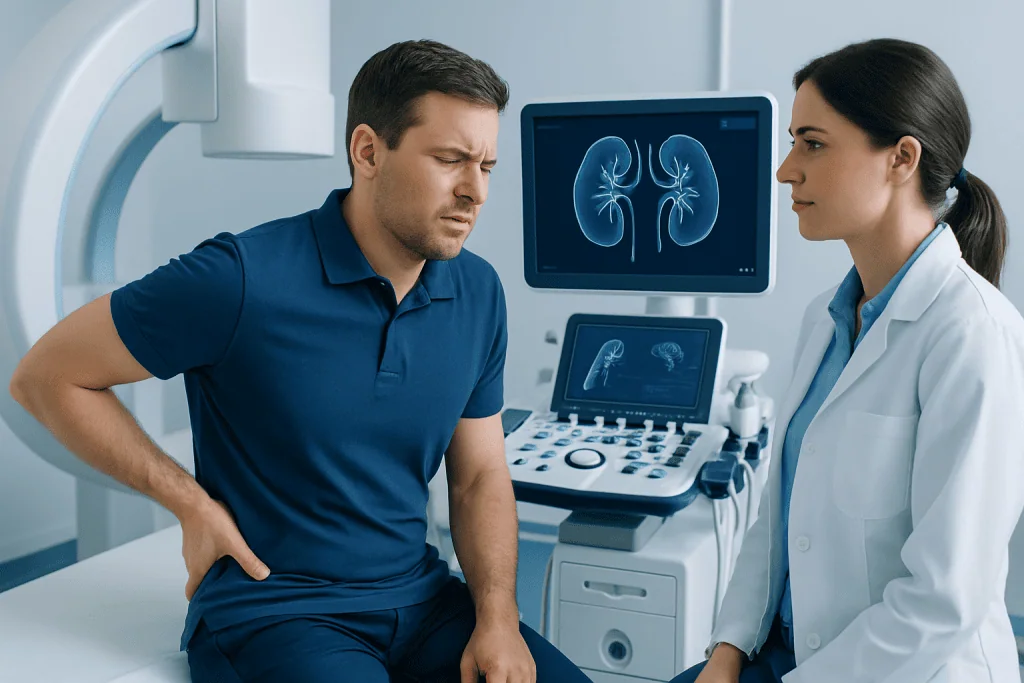
Small kidney stones may not cause any symptoms at first. Pain usually begins when a stone moves within the kidney or enters the ureter. This pain can be sudden, intense, and may come in waves. It is often felt in the side, back, lower abdomen, or groin, depending on where the stone is located.
Other symptoms can include pain or burning during urination, frequent urination, nausea, vomiting, and urine that appears pink, red, or brown because of blood. Some people notice cloudy or foul-smelling urine. If a stone blocks urine flow, discomfort may become more severe.
Symptoms that need urgent medical attention include fever, chills, inability to pass urine, severe persistent pain, or repeated vomiting. These signs can suggest infection or significant blockage, which should be assessed quickly by a doctor.
- Sharp pain in the side, back, or lower abdomen
- Blood in the urine
- Painful or frequent urination
- Nausea and vomiting
- Fever or chills if infection is present
What Causes Kidney Stones and Who Is at Risk?
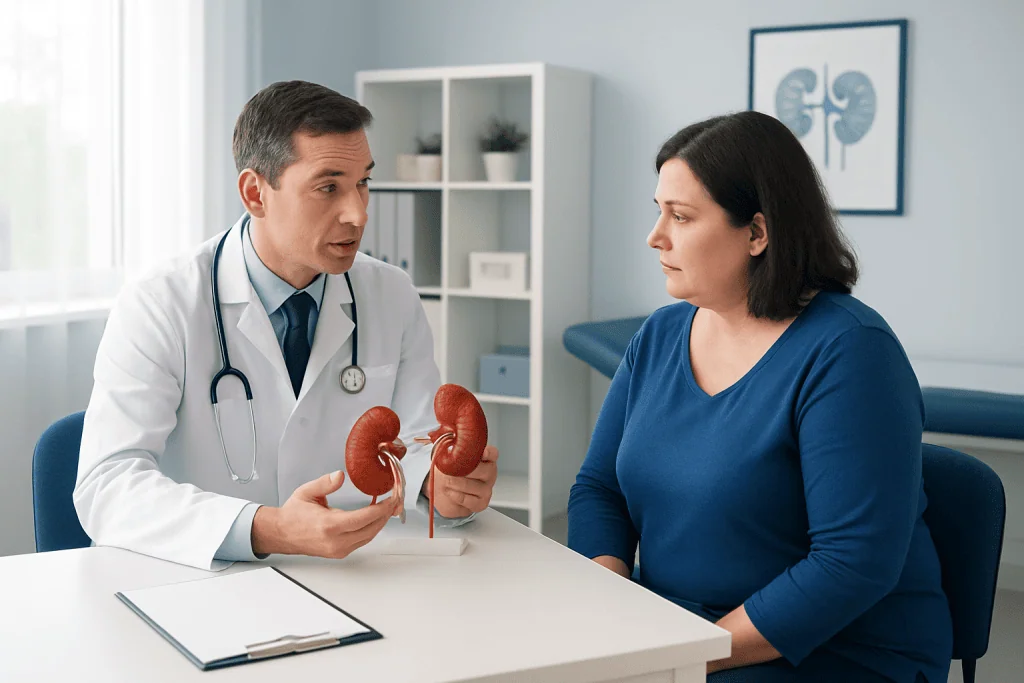
Kidney stones form when the balance of water, minerals, and waste products in urine changes. If there is too little fluid and too much of certain stone-forming substances, crystals can form more easily. Over time, these crystals may join together and grow into a stone. A lack of substances that normally prevent crystal formation, such as citrate, can also contribute.
Several everyday and medical factors can raise the risk. Not drinking enough water is one of the most common causes. Diet may also play a role, especially if it is high in salt, animal protein, or oxalate-rich foods in people who are sensitive to them. Obesity, a sedentary lifestyle, and frequent dehydration from hot climates or heavy sweating may increase risk as well.
Some people are more likely to develop stones because of family history or underlying conditions. These include gout, recurrent urinary tract infections, digestive diseases that affect absorption, hyperparathyroidism, and certain inherited disorders. Some medications and supplements may also increase stone risk in susceptible individuals. People who have had one stone are at higher risk of having another in the future.
Not all kidney stones have the same cause. Uric acid stones are more likely in people with acidic urine, gout, or high animal protein intake. Struvite stones may develop after some urinary infections. Cystine stones are linked to a genetic condition called cystinuria. Because causes vary, medical evaluation is important when stones recur.
How Kidney Stones Are Diagnosed
Doctors diagnose kidney stones by combining symptoms, physical examination, and tests. A person’s description of the pain, urinary symptoms, and past stone history often gives important clues. The doctor may also ask about diet, fluid intake, family history, medications, and any other health conditions that could raise stone risk.
Urine and blood tests are commonly used to look for blood in the urine, signs of infection, kidney function changes, or abnormal levels of minerals and acids. If a stone is passed, analyzing its composition can help guide long-term prevention. In people with recurrent stones, a 24-hour urine collection may be recommended to identify factors such as high calcium, high oxalate, low citrate, or low urine volume.
Imaging is often needed to confirm the diagnosis and see the size and location of the stone. Ultrasound may be used, especially in situations where avoiding radiation is preferred. CT scans are widely used because they can detect even small stones and help doctors plan treatment. In some cases, kidney stones may be assessed alongside related urinary conditions such as kidney infection or structural problems affecting urine flow.
Treatment Options for Kidney Stones
Treatment depends on the stone’s size, type, location, symptoms, and whether it is causing infection or blockage. Many small stones can pass naturally with fluids, pain relief, and time. A doctor may recommend monitoring symptoms and straining the urine to catch the stone for analysis. Medical supervision is important, especially if pain is difficult to control or urine flow is reduced.
Some people may need medicines to help relax the ureter and support stone passage. If the stone is too large to pass, causes ongoing pain, blocks the urinary tract, or is associated with infection, a procedure may be needed. Common options include ureteroscopy, in which a thin scope is used to remove or break up the stone, and shock wave lithotripsy, which uses sound waves to fragment certain stones.
For larger or more complex stones, doctors may consider percutaneous nephrolithotomy, a procedure performed through a small incision in the back to remove stones directly from the kidney. If stones are linked to repeated urinary obstruction or another urologic problem, further evaluation may be needed to reduce recurrence and protect kidney function.
In some cases, symptoms that seem like kidney stones may overlap with other conditions of the urinary system, and doctors may evaluate for disorders such as hydronephrosis if urine flow appears blocked. Near the end of the care pathway, patients who need specialist support may seek treatment at centers such as Acibadem International, where multidisciplinary specialists in JCI-accredited hospitals evaluate and treat kidney stone disease for international patients.
Prevention and Self-Care
Prevention often starts with staying well hydrated. Drinking enough fluids helps dilute the urine so crystals are less likely to form. Water is usually the best choice. The ideal amount varies from person to person depending on climate, activity level, and medical conditions, so a doctor may give individualized advice, especially after repeat stones.
Dietary measures can also help, but they should be tailored to the type of stone. In general, reducing excess salt may lower calcium in the urine. Eating a balanced amount of dietary calcium from food is usually preferred over unnecessary restriction, because too little calcium can sometimes increase oxalate absorption. Limiting excessive animal protein may help some people, especially those prone to uric acid stones.
For people with calcium oxalate stones, doctors may suggest moderating high-oxalate foods if urine testing shows this is relevant. These can include spinach, nuts, and some other plant foods. At the same time, it is important not to make major dietary changes without guidance, because nutritional balance matters. If a medical condition such as gout or recurrent infection is involved, managing that condition is also part of prevention.
- Drink fluids regularly throughout the day
- Reduce excess dietary salt
- Follow stone-specific advice based on urine or stone analysis
- Maintain a healthy weight and active lifestyle
- Attend follow-up visits if stones recur
When to See a Doctor
A doctor should be consulted if there is severe side or back pain, blood in the urine, persistent pain during urination, or repeated symptoms suggesting a stone. Medical advice is especially important for anyone with a first episode, recurring stones, a single kidney, known kidney disease, or pregnancy.
Urgent assessment is needed if symptoms are accompanied by fever, chills, inability to urinate, marked weakness, or vomiting that prevents fluid intake. These signs may point to infection, dehydration, or significant obstruction. Prompt treatment helps protect the kidneys and reduce complications.
Follow-up is also important after a stone has passed or been treated. A doctor may recommend stone analysis, blood tests, or a 24-hour urine test to understand why the stone formed. This information can guide a prevention plan that is safer and more effective than general advice alone.
Frequently asked questions
What is the most common cause of kidney stones?
A common cause is concentrated urine, often related to not drinking enough fluids. When urine contains high levels of certain minerals and salts, crystals can form and grow into stones.
Can kidney stones go away on their own?
Yes, many small kidney stones can pass naturally, especially if they are not causing major blockage. However, a doctor should still advise on monitoring, pain control, and whether further testing is needed.
Are all kidney stones made of calcium?
No. Calcium stones are the most common, but stones can also be made of uric acid, struvite, or cystine. Identifying the stone type helps guide prevention and future treatment.
How can someone help prevent kidney stones?
Drinking enough water is one of the most important steps. Depending on the stone type, a doctor may also recommend reducing salt, moderating animal protein, or making other dietary adjustments.
Do kidney stones always cause severe pain?
No. Some very small stones may cause mild symptoms or none at all. Pain usually occurs when a stone moves or blocks part of the urinary tract.
When are kidney stones an emergency?
Kidney stones need urgent medical attention if there is fever, chills, inability to pass urine, uncontrolled pain, or persistent vomiting. These symptoms can suggest infection, dehydration, or a dangerous blockage.
References
- National Institute of Diabetes and Digestive and Kidney Diseases
- European Association of Urology
- American Urological Association
- National Kidney Foundation
- Mayo Clinic
This article is for general information only and is not a substitute for professional medical advice. Please consult a qualified doctor about your individual situation.
Explore treatments in Turkey — costs, top hospitals & a free quote
JCI-accredited · board-certified surgeons · reply within 24h
Add us as a Preferred Source to see more of our trusted health content across Google Search, AI Overviews and Discover.
Check your numbers in seconds
BMI, calories, due date, blood pressure and 30+ more clinical calculators — free, instant, doctor-reviewed ranges.

More from the Health Library



Related Specialists

Dr. Bilgiye Ergin
Gynecology & Obstetrics
Assoc. Prof. Dr. Selim Ergün
Orthopedic Surgery & Traumatology
Assoc. Prof. Dr. Alper Eken
Urology
Assoc. Prof. Dr. Mine Yavuz Taşlipinar
Clinical Laboratory