Cancer Diagnosis Basics: Tests, Biopsy, and Imaging Explained

Cancer diagnosis usually combines symptoms, examination, imaging, lab tests, and sometimes biopsy. A biopsy is often the most important test for confirming whether a tumor is cancerous.
Key Takeaways
- Cancer diagnosis usually combines symptoms, examination, imaging, lab tests, and sometimes biopsy.
- A biopsy is often the most important test for confirming whether a tumor is cancerous.
- Imaging tests help show the location, size, and possible spread of abnormal tissue.
- Not every abnormal test result means cancer, but it does need careful medical evaluation.
- Accurate diagnosis helps doctors choose the most appropriate treatment plan.
- Patients should ask questions and understand why each test is being recommended.
Cancer diagnosis often involves a step-by-step process that may include a medical history, physical exam, laboratory tests, imaging, and biopsy. Understanding how these tools work can help patients feel more informed and prepared during evaluation.
Overview of Cancer Diagnosis
Cancer diagnosis is the process of finding out whether cancer is present, where it started, and how far it may have spread. Doctors usually do not rely on a single test. Instead, they combine information from a person’s symptoms, medical history, physical examination, laboratory tests, imaging studies, and tissue sampling when needed.
Many conditions can cause symptoms similar to cancer, including infections, inflammation, and benign growths. For this reason, an abnormal finding on a scan or blood test does not automatically mean cancer. The goal of diagnosis is to build a clear and accurate picture before treatment decisions are made.
In many cases, diagnosis happens in stages. A doctor may first notice a warning sign, such as unexplained weight loss, a lump, unusual bleeding, or persistent pain. Follow-up testing then helps determine whether the change is cancer-related and what type of cancer might be involved.
This process can feel emotionally difficult, but understanding the basic steps often makes it easier to navigate. Knowing what each test can and cannot show helps patients have informed conversations with their healthcare team.
Common First Steps: Medical History, Exam, and Lab Tests
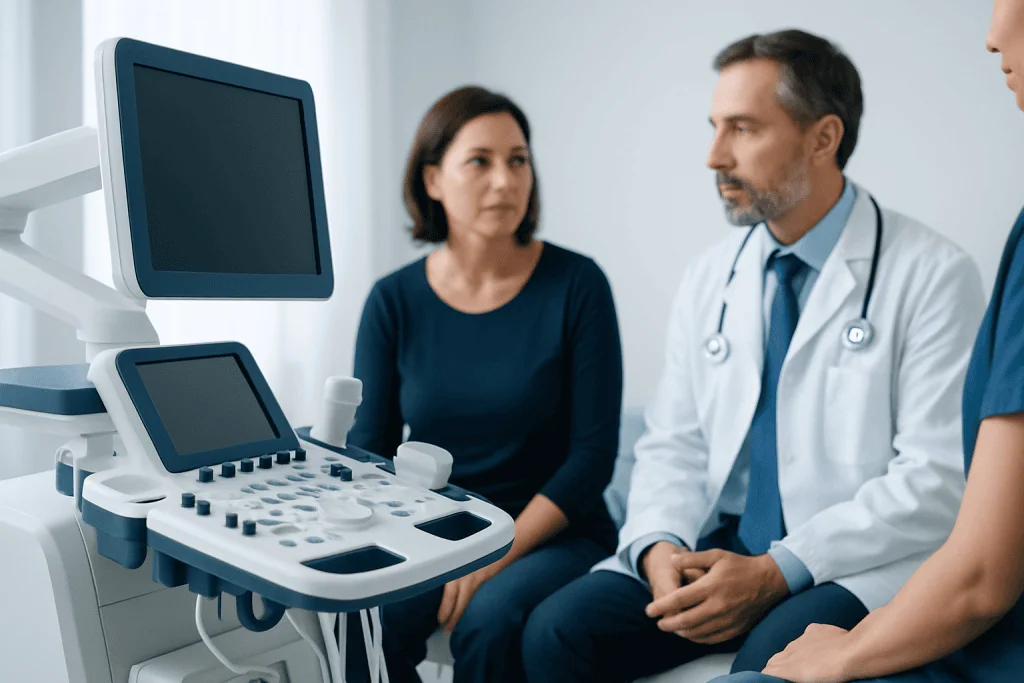
The first stage of cancer evaluation often begins with a detailed medical history and physical examination. A doctor may ask about current symptoms, how long they have been present, family history of cancer, smoking or alcohol use, occupational exposures, past illnesses, and any previous test results. This background helps identify which causes are more or less likely.
During the physical exam, the doctor may check for lumps, swollen lymph nodes, skin changes, tenderness, organ enlargement, or other abnormal findings. Depending on the symptoms, the exam may focus on one area of the body or be more general. These findings guide which tests should come next.
Laboratory tests are also common early tools. Blood tests may look at blood cell counts, liver and kidney function, signs of infection, or levels of certain substances that can be affected by cancer. Urine, stool, or other body fluid tests may also be used depending on the situation.
It is important to remember that routine lab tests usually cannot diagnose cancer on their own. They can, however, reveal clues that suggest the need for further evaluation or help monitor the body’s overall condition before more specialized testing.
How Imaging Helps Find and Assess Cancer

Imaging tests create pictures of the inside of the body and are a key part of cancer diagnosis. They can help doctors detect a suspicious area, estimate its size, see whether nearby tissues are involved, and look for signs that disease may have spread. Imaging is also useful for guiding biopsies and planning treatment.
Different imaging methods serve different purposes. X-rays may help identify certain lung or bone changes. Ultrasound uses sound waves and is often used for soft tissues, abdominal organs, thyroid nodules, or breast lumps. Computed tomography, often called CT, creates detailed cross-sectional images and is commonly used to evaluate many types of cancer.
Magnetic resonance imaging, or MRI, is especially useful for looking at soft tissues such as the brain, spinal cord, liver, pelvis, and muscles. Positron emission tomography, usually called PET, may show areas of increased metabolic activity that can suggest cancer in some situations. Sometimes PET is combined with CT for more detailed interpretation.
Imaging can strongly suggest cancer, but it often cannot confirm the diagnosis by itself. Some noncancerous conditions can look similar on a scan. That is why imaging findings are usually interpreted together with symptoms, exam results, and, when appropriate, a biopsy.
Biopsy Explained: Why It Is Often the Confirming Test
A biopsy is a procedure that removes a small sample of tissue or cells so it can be examined under a microscope. In many cases, it is the most reliable way to confirm whether a suspicious area is cancerous. A specialist called a pathologist studies the sample to identify whether cancer cells are present and, if so, what type they are.
There are several kinds of biopsy. A needle biopsy uses a thin or larger hollow needle to collect cells or tissue from a lump or organ. An endoscopic biopsy takes samples during a procedure that uses a flexible camera to look inside the body. A surgical biopsy removes part or all of an abnormal area when more tissue is needed.
Biopsy results can provide more than a yes-or-no answer. They may show the specific cancer type, how abnormal the cells appear, and sometimes whether special markers are present. These details can be very important for selecting treatment, especially in modern cancer care where therapy may be based on tumor characteristics.
Not every patient needs the same type of biopsy, and the safest method depends on the location of the abnormality. In some cases, doctors use imaging guidance to place the needle precisely. If a biopsy is recommended, patients can ask why it is needed, how it will be performed, and what information it is expected to provide.
Understanding Staging and Additional Specialized Tests
Once cancer is confirmed, doctors often order more tests to understand the extent of disease. This process is called staging. Staging helps describe whether the cancer is limited to one area, involves nearby lymph nodes, or has spread to other parts of the body. The stage is one of the main factors used to plan treatment.
Additional tests may include more advanced imaging, repeat blood work, or procedures to sample lymph nodes or other tissues. Some cancers also require molecular or genetic testing of the tumor. These tests look for specific changes in cancer cells that may help predict behavior or show whether certain targeted treatments are more likely to help.
Tumor markers may sometimes be measured in the blood, but they are not suitable for diagnosing all cancers. In some situations, they are more helpful for monitoring disease over time than for making the first diagnosis. A doctor explains how these results fit into the bigger clinical picture.
Staging and specialized testing are also important because cancers with similar names can behave differently. Two tumors in the same organ may need different treatment approaches based on stage, cell type, or molecular features. Accurate classification supports more personalized care.
What Patients Can Expect During the Diagnosis Process
The time between the first suspicious finding and a final diagnosis can involve several appointments. A patient may see a primary care doctor, radiologist, surgeon, oncologist, or other specialists depending on the symptoms and test results. Sometimes results come quickly, while in other cases more than one test is needed to reach a clear answer.
Waiting can be stressful, but it helps to keep a written record of symptoms, medicines, allergies, and prior medical problems. Bringing questions to appointments can also make discussions easier. Patients may wish to ask what each test is looking for, how to prepare, when results are expected, and whether a biopsy is likely.
It can also be helpful to know that not all suspicious findings turn out to be cancer. Cysts, benign tumors, scar tissue, and inflammatory conditions can sometimes resemble malignant disease. Careful step-by-step evaluation helps avoid unnecessary treatment and supports the most accurate diagnosis possible.
If cancer is diagnosed, patients are often referred to a multidisciplinary team for treatment planning. Near the end of the diagnostic process, some people may benefit from learning about broader cancer care pathways and possible procedures such as biopsy, MRI, or PET-CT when these are part of their workup.
When to See a Doctor and Why Early Evaluation Matters
Many cancer symptoms can also happen with common noncancerous conditions, but persistent or unexplained changes should be checked by a doctor. Warning signs may include a new lump, unusual bleeding, changes in bowel or bladder habits, persistent cough, unexplained weight loss, ongoing fatigue, a sore that does not heal, or difficulty swallowing.
Early evaluation does not mean assuming the worst. It means giving symptoms proper attention so that any serious condition can be identified promptly. In some cases, finding cancer earlier can make treatment options simpler and more effective, while in other cases testing may provide reassurance that the cause is benign.
People with a strong family history of cancer, inherited cancer syndromes, or long-term exposure to known risk factors may need closer follow-up or screening. A doctor can advise whether screening tests are appropriate based on age, family history, and personal health background.
For international patients who need coordinated assessment, Acibadem International’s multidisciplinary specialists and JCI-accredited hospitals diagnose and treat cancer using modern imaging, pathology, and oncology services. Regardless of where care is received, a timely consultation with a qualified doctor is the best next step when symptoms or test results raise concern.
Frequently asked questions
Can cancer be diagnosed with a blood test alone?
Usually not. Blood tests can show changes that suggest a problem, but they rarely confirm cancer by themselves. A diagnosis often requires imaging, biopsy, or both.
Why is a biopsy often necessary if imaging already shows a mass?
Imaging can show that an area looks abnormal, but it may not be able to tell exactly what it is. A biopsy allows a pathologist to examine cells or tissue directly and determine whether cancer is present. It can also provide details about the cancer type.
Does every suspicious lump mean cancer?
No. Many lumps are caused by benign conditions such as cysts, lipomas, enlarged lymph nodes, or inflammatory changes. A doctor evaluates the lump based on its size, location, feel, and whether further testing is needed.
What is the difference between diagnosis and staging?
Diagnosis means confirming whether cancer is present and identifying the type. Staging happens after diagnosis and describes how much cancer is in the body and whether it has spread. Both steps are important for planning treatment.
Are imaging tests painful?
Most imaging tests are not painful, although some may be uncomfortable because of positioning, contrast injection, or the need to stay still. The healthcare team explains what to expect before the test. Patients should mention claustrophobia, allergies, pregnancy, or kidney problems in advance.
How long does it take to get biopsy results?
Timing varies depending on the type of biopsy and whether additional laboratory analysis is needed. Some basic results may come within a few days, while more specialized testing can take longer. The doctor or care team can explain the expected timeline.
References
- World Health Organization
- National Cancer Institute
- American Cancer Society
- Centers for Disease Control and Prevention
- National Comprehensive Cancer Network
This article is for general information only and is not a substitute for professional medical advice. Please consult a qualified doctor about your individual situation.
Oncology care in Turkey — second opinion and treatment plan
JCI-accredited · board-certified surgeons · reply within 24h
Add us as a Preferred Source to see more of our trusted health content across Google Search, AI Overviews and Discover.

Medical Oncology Department
Medical treatment of cancer with chemotherapy, immunotherapy and targeted therapies under a multidisciplinary tumor board.
60 specialists in this unit