Oncology Nursing: Roles, Training, and Patient Care
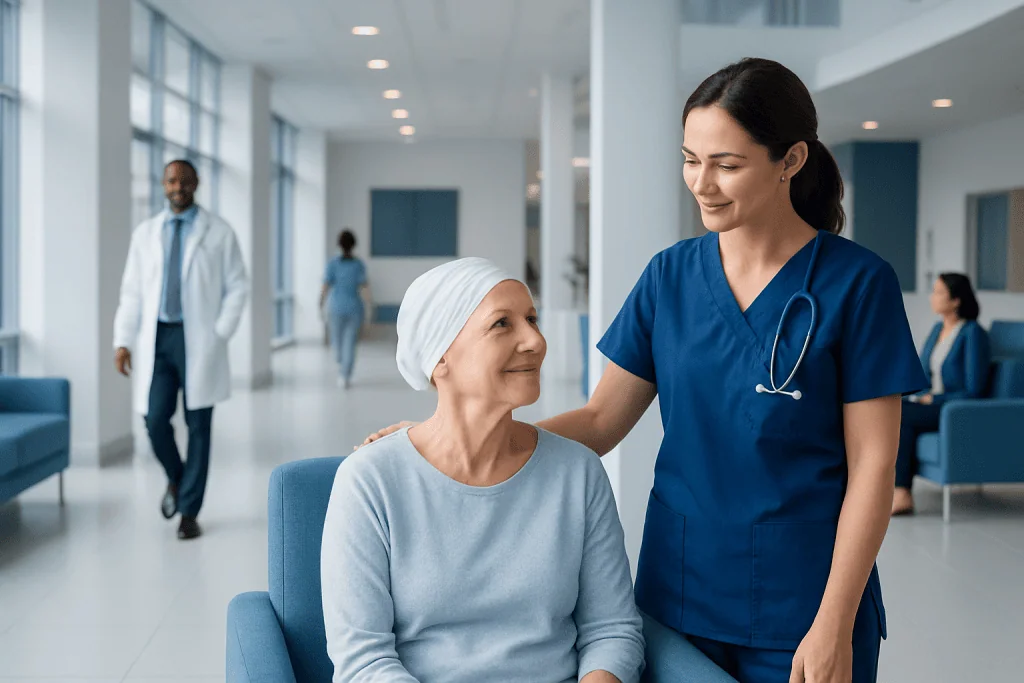
Oncology nurses provide specialized care for people with cancer at every stage of treatment and recovery. Their role includes monitoring symptoms, giving treatments safely, educating patients, and coordinating care.
Key Takeaways
- Oncology nurses provide specialized care for people with cancer at every stage of treatment and recovery.
- Their role includes monitoring symptoms, giving treatments safely, educating patients, and coordinating care.
- Training in oncology nursing combines general nursing education with cancer-specific knowledge and clinical experience.
- Good oncology nursing supports physical comfort, emotional wellbeing, treatment adherence, and patient safety.
- Patients should feel comfortable asking oncology nurses about side effects, daily care, and when to seek urgent medical help.
Oncology nursing is a specialized field focused on caring for people with cancer across diagnosis, treatment, recovery, and supportive care. Oncology nurses play a central role in symptom management, treatment coordination, patient education, and emotional support for patients and families.
Overview of Oncology Nursing
Oncology nursing is the area of nursing devoted to the care of people with cancer. It includes support from the time cancer is suspected or diagnosed through treatment, survivorship, rehabilitation, palliative care, and sometimes end-of-life care. Because cancer can affect many parts of life, oncology nurses help address not only medical needs but also practical and emotional concerns.
These nurses work in many settings, including outpatient clinics, chemotherapy infusion centers, hospital wards, radiation units, surgical services, and home or community care. Their work often involves close communication with oncologists, surgeons, radiologists, pharmacists, dietitians, psychologists, and rehabilitation teams. This team-based approach helps patients receive coordinated care.
For patients and families, oncology nurses are often one of the most consistent points of contact. They explain treatments in clear language, prepare patients for what to expect, and help them recognize side effects early. Their goal is to support safety, comfort, and informed decision-making throughout the cancer journey.
What Oncology Nurses Do
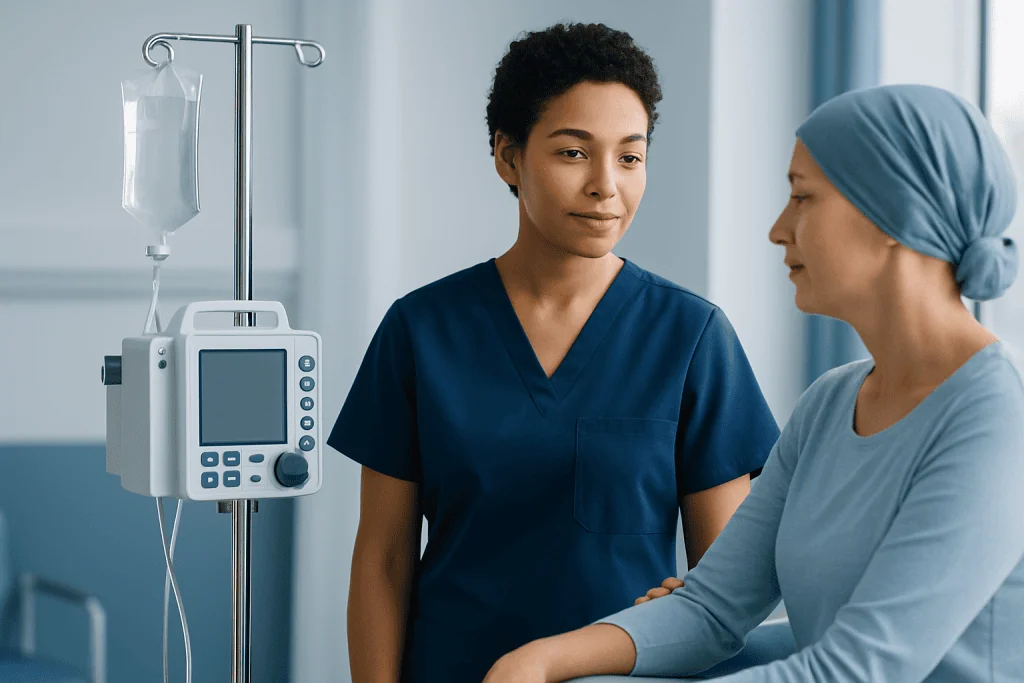
The role of an oncology nurse is broad and patient-centered. One major responsibility is treatment support. Depending on training and workplace setting, oncology nurses may prepare patients for chemotherapy, immunotherapy, targeted therapy, surgery, or radiation therapy, monitor them during treatment, and watch for immediate reactions or complications.
Another core role is symptom management. Cancer and its treatments can cause fatigue, nausea, pain, appetite changes, mouth sores, skin problems, infection risk, and emotional distress. Oncology nurses assess these symptoms regularly, report concerns to the medical team, and teach patients practical ways to manage them at home. They also help patients understand warning signs that need prompt medical attention.
Education is equally important. Patients may need guidance about medicines, nutrition, hydration, activity, infection prevention, wound care, central line care, and follow-up appointments. Oncology nurses help patients and caregivers feel more confident by giving clear instructions and checking understanding. They also support communication around treatment choices, goals of care, fertility concerns, and quality of life.
- Assessing symptoms and overall wellbeing
- Administering and monitoring cancer treatments
- Teaching patients and caregivers
- Coordinating care across specialties
- Supporting emotional and practical needs
- Promoting safety, comfort, and continuity of care
Training and Skills in Oncology Nursing
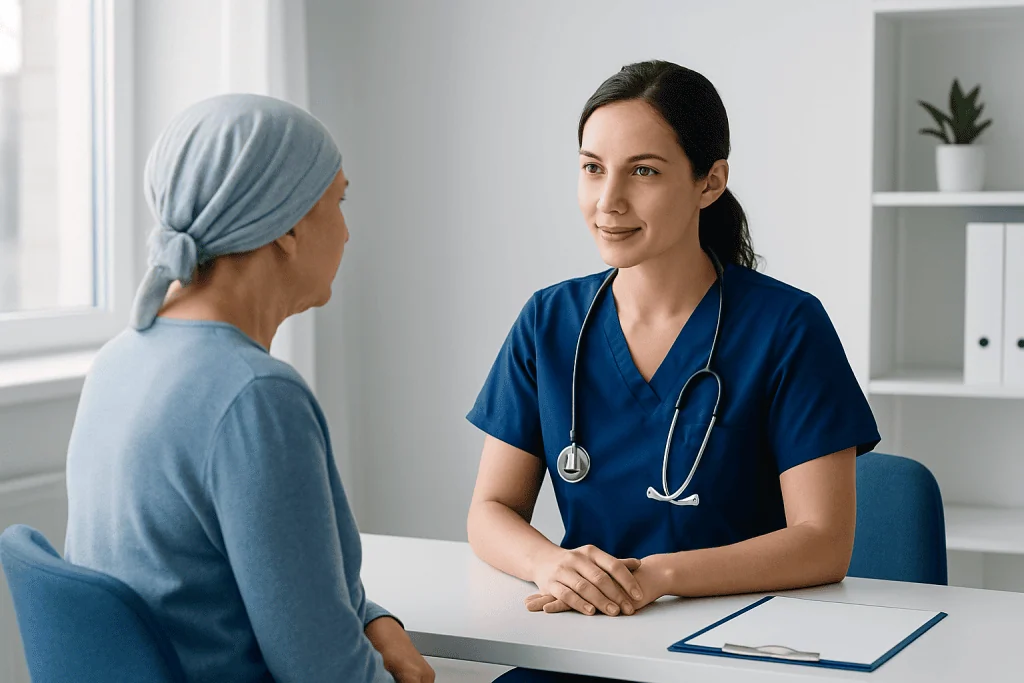
Oncology nurses first complete general nursing education and licensing requirements in their country or region. After becoming registered nurses, many develop cancer-related expertise through supervised clinical practice, hospital-based training, continuing education, and specialty courses. Some also pursue formal certification in oncology nursing where this is available.
This specialty requires a strong understanding of cancer biology, common treatments, medication safety, side effect patterns, infection prevention, and emergency recognition. Nurses also need communication skills to discuss complex topics in a calm, compassionate, and understandable way. Because every patient responds differently, careful observation and critical thinking are especially important.
Oncology nursing can also include advanced roles. Some nurses focus on chemotherapy administration, radiation care, surgical oncology, pediatric oncology, hematology-oncology, palliative care, research, or nurse navigation. Nurse navigators, for example, help patients move through appointments, tests, and treatment plans more smoothly. Ongoing training is essential because cancer care changes quickly as new therapies and supportive care strategies become available.
Patient Care Across the Cancer Journey
Patient care in oncology changes over time. At diagnosis, nurses may help explain biopsy results, imaging tests, staging, and the planned next steps. They often help patients prepare questions for the doctor and provide support when patients feel overwhelmed. In this early phase, clear information and emotional reassurance can make a meaningful difference.
During active treatment, oncology nurses monitor how well a person is coping physically and emotionally. They may observe for dehydration, weight loss, infection, uncontrolled pain, sleep problems, anxiety, or treatment delays. For patients receiving chemotherapy, immunotherapy, or radiation therapy, nurses help with treatment preparation, side effect tracking, and aftercare instructions.
After treatment, nurses continue to support recovery and survivorship. This may include follow-up education, fatigue management, return-to-work guidance, and reminders about surveillance appointments. If a person has advanced disease, oncology nurses also play an essential part in palliative care by helping relieve symptoms and supporting quality of life. Their care is centered on the patient’s needs, values, and treatment goals at each stage.
How Oncology Nurses Support Safety and Comfort
Safety is a major part of oncology nursing because cancer treatments can be powerful and sometimes affect healthy tissues as well as cancer cells. Nurses carefully check treatment orders, allergies, laboratory results, hydration status, and any new symptoms before treatment is given. They also watch for signs of allergic reactions, fever, bleeding, or severe side effects that may need urgent attention.
Infection prevention is especially important for some patients with cancer, particularly when treatments lower white blood cell counts. Oncology nurses teach hand hygiene, food safety, skin care, oral care, and when to report a fever. They may also explain how to reduce exposure to illness in busy public settings when immunity is reduced.
Comfort measures are equally valuable. Nurses often help patients find ways to reduce nausea, improve sleep, manage constipation or diarrhea, maintain nutrition, and stay as active as possible. They also recognize that comfort includes dignity, privacy, emotional support, and being heard. For some patients, this support may occur while being treated for conditions such as breast cancer or lung cancer, where symptom patterns and treatment experiences can differ.
Emotional Support, Communication, and Family Education
Cancer affects more than the body. It can influence mood, family roles, work, finances, and daily routines. Oncology nurses often help patients and families process new information, express fears, and adjust to uncertainty. They provide calm, practical support and can guide patients toward counseling, support groups, social work services, or palliative care when needed.
Family and caregiver education is a key part of care. Loved ones may need to learn how to help with medicines, meals, transportation, symptom observation, or appointment planning. Nurses can explain how to support the patient without becoming overwhelmed themselves, and they encourage caregivers to speak up if they need more help.
Good communication also improves shared decision-making. Oncology nurses help patients prepare for medical visits, understand the purpose of tests and treatments, and ask about side effects, fertility, sexuality, work, travel, and long-term follow-up. Near the end of care, if appropriate, they may also support conversations about goals, comfort-focused treatment, and advanced care planning in a respectful and compassionate way.
When to Contact the Care Team
Patients should contact their oncology care team promptly if they develop symptoms that could signal a complication. Exact advice may vary by diagnosis and treatment plan, so patients should follow their own care instructions. In general, warning signs include fever, shaking chills, unusual bleeding, severe shortness of breath, chest pain, sudden confusion, dehydration, persistent vomiting, or severe pain that is not controlled.
Other reasons to call include a rapidly spreading rash, painful mouth sores that make eating or drinking difficult, swelling around an intravenous line or port, reduced urine output, or sudden weakness. New or worsening symptoms should never be ignored, especially during active cancer treatment. Early reporting often allows problems to be treated sooner and may help avoid hospital admission.
It is also appropriate to contact the team for non-emergency concerns such as poor sleep, appetite loss, low mood, constipation, medication questions, or difficulty coping at home. Oncology nurses can help patients decide what can be managed with self-care and what should be assessed in clinic or hospital. At Acibadem International, multidisciplinary specialists and JCI-accredited hospitals provide diagnosis, treatment, and supportive care for international patients with cancer.
Frequently asked questions
What is oncology nursing?
Oncology nursing is specialized nursing care for people with cancer. It includes treatment support, symptom management, patient education, emotional care, and coordination with the wider cancer team.
What does an oncology nurse do during treatment?
An oncology nurse monitors the patient before, during, and after treatment, looking for side effects or complications. The nurse also explains what to expect, helps manage symptoms, and teaches patients when to seek medical advice.
Do oncology nurses only work with chemotherapy?
No. Oncology nurses may care for patients receiving surgery, radiation therapy, targeted therapy, immunotherapy, hormonal therapy, or supportive and palliative care. Their role depends on the setting, their training, and the patient’s needs.
How are oncology nurses trained?
They first complete general nursing education and licensing, then gain cancer-specific knowledge through clinical experience, continuing education, and sometimes specialty certification. Ongoing learning is important because cancer treatments and supportive care continue to evolve.
How do oncology nurses help patients and families emotionally?
They provide clear communication, practical guidance, and compassionate support during stressful periods. They may also connect patients and caregivers with counseling, support groups, social workers, and palliative care resources when appropriate.
When should a patient call the oncology nurse or care team?
Patients should call if they have fever, unusual bleeding, severe vomiting, dehydration, breathing difficulty, uncontrolled pain, or any sudden worsening symptom. They should also ask for help with persistent side effects, medicine questions, or difficulties managing care at home.
References
- World Health Organization
- National Cancer Institute
- American Cancer Society
- Oncology Nursing Society
- European Society for Medical Oncology
This article is for general information only and is not a substitute for professional medical advice. Please consult a qualified doctor about your individual situation.
Oncology care in Turkey — second opinion and treatment plan
JCI-accredited · board-certified surgeons · reply within 24h
Add us as a Preferred Source to see more of our trusted health content across Google Search, AI Overviews and Discover.

Medical Oncology Department
Medical treatment of cancer with chemotherapy, immunotherapy and targeted therapies under a multidisciplinary tumor board.
60 specialists in this unit