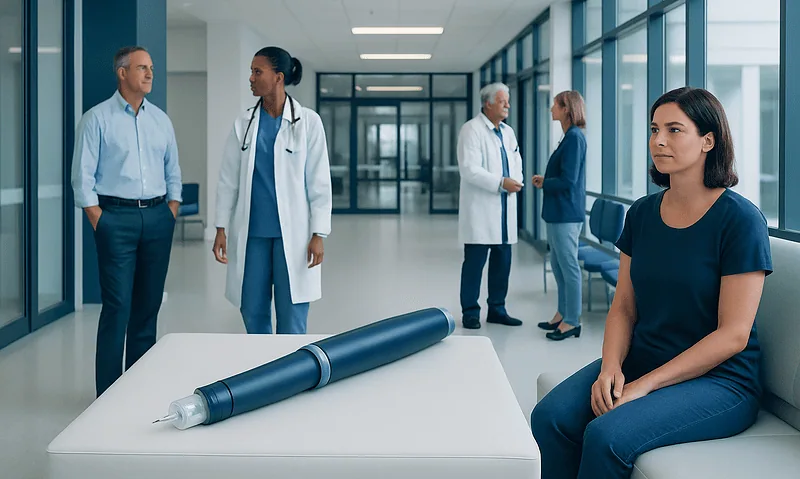
Cancer Care in Turkey: What International Patients Should Know
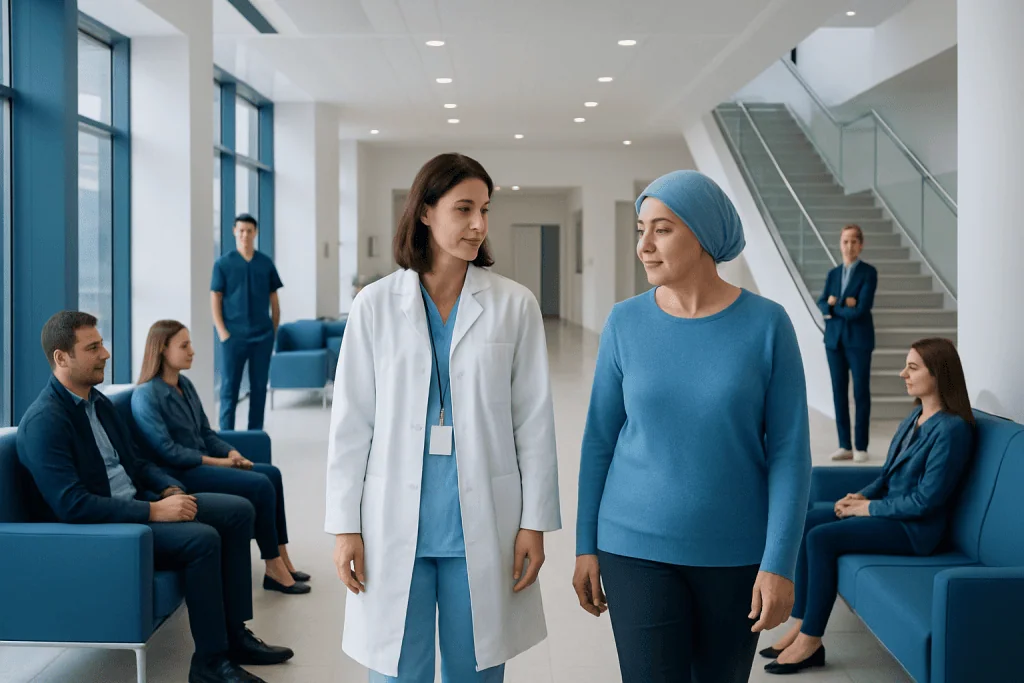
Cancer care in Turkey is often delivered through multidisciplinary teams that tailor treatment to the cancer type and stage. International patients should review hospital accreditation, specialist experience, and access to diagnostics and supportive care.
Key Takeaways
- Cancer care in Turkey is often delivered through multidisciplinary teams that tailor treatment to the cancer type and stage.
- International patients should review hospital accreditation, specialist experience, and access to diagnostics and supportive care.
- A clear treatment plan usually includes diagnosis confirmation, therapy options, expected timelines, and follow-up needs.
- Travel planning matters, especially for treatment cycles, recovery time, medication access, and communication support.
- Patients benefit from asking about pathology review, tumor board discussions, side effect management, and continuity of care after returning home.
Cancer care in Turkey can include diagnosis, surgery, chemotherapy, radiotherapy, and supportive care within multidisciplinary cancer centers. For international patients, understanding hospital standards, treatment planning, travel logistics, and follow-up can help make care more organized and reassuring.
Overview of Cancer Care in Turkey
Cancer care in Turkey is sought by many international patients who want timely access to diagnosis, specialist review, and modern treatment options. Depending on the person’s needs, care may involve medical oncology, radiation oncology, surgical oncology, imaging, pathology, rehabilitation, nutrition support, and symptom management. Large cancer centers typically organize these services in one system, which can make the patient journey more coordinated.
For many cancers, treatment begins with confirming the diagnosis and stage. This may involve reviewing biopsy samples, repeating or expanding imaging tests, and discussing the case in a multidisciplinary team meeting. A treatment plan is then tailored to the cancer type, the extent of disease, the patient’s general health, and personal priorities such as recovery time, fertility preservation, or travel limitations.
International patients often consider Turkey because of its advanced hospital infrastructure and the availability of specialists across different oncology fields. Some hospitals also provide language assistance, help with appointment scheduling, and support with practical arrangements. Even so, choosing where to receive care should be based on clinical quality, communication, and whether the hospital can provide the full range of services that may be needed during treatment.
What Treatments May Be Available
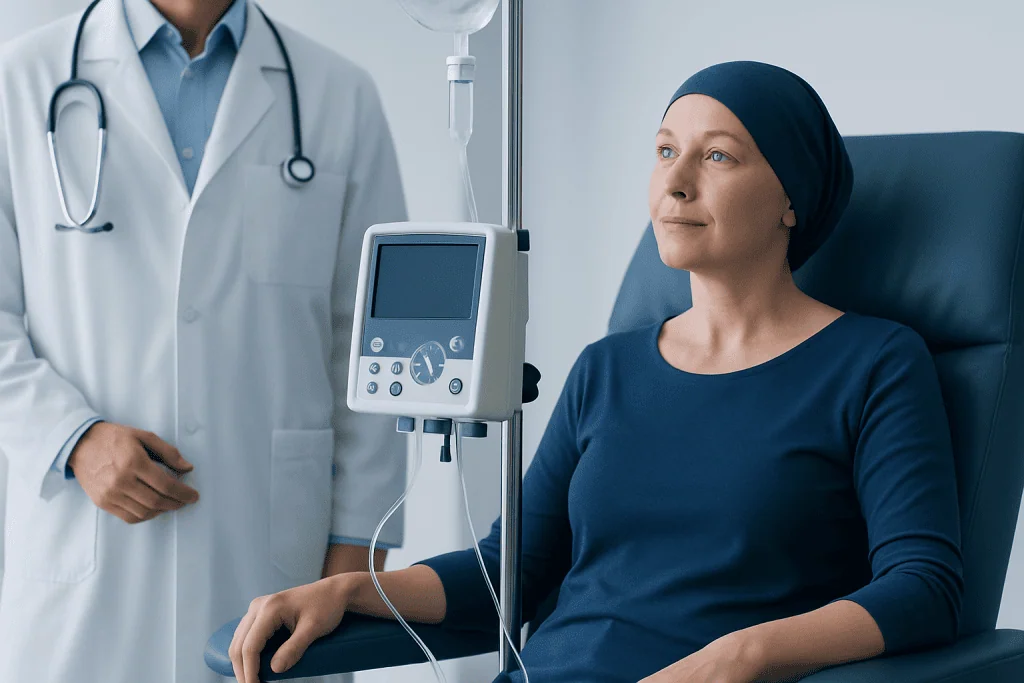
Cancer treatment in Turkey may include surgery, chemotherapy, targeted therapy, immunotherapy, radiotherapy, hormonal therapy, interventional procedures, or a combination of these. The right approach depends on the exact diagnosis. In some cases, one main treatment is enough. In others, treatment is given in sequence, such as surgery followed by chemotherapy or radiotherapy, or medication first to shrink a tumor before an operation.
Many patients will need detailed imaging and laboratory testing before treatment starts. Depending on the cancer type, doctors may recommend advanced scans, molecular testing, or genetic profiling to understand how the tumor behaves and which therapies are more likely to help. This can be particularly important for cancers such as lung, breast, colorectal, and blood-related malignancies.
Where appropriate, hospitals may offer chemotherapy, radiotherapy, and oncological surgery as part of a coordinated plan. Some patients may also need procedures for diagnosis or staging, symptom relief, or supportive measures to protect nutrition and quality of life during treatment.
Supportive care is an important part of cancer treatment, not an extra. This can include pain relief, nausea control, infection prevention, psychological support, physiotherapy, and dietary guidance. For international patients, asking how side effects are monitored between visits and what to do in an urgent situation can be especially helpful.
How International Patients Are Evaluated

Before traveling, many international patients send their medical records for an initial review. These may include biopsy reports, pathology slides if available, scan reports, blood test results, and a summary of any previous treatment. This first review can help the oncology team decide whether the patient needs more tests, a second pathology opinion, or direct treatment planning after arrival.
Once at the hospital, the evaluation usually starts with specialist consultations and may continue with imaging, blood tests, and pathology review. Doctors often reassess the cancer stage because treatment decisions depend heavily on accurate staging. In some situations, findings from a previous hospital remain valid; in others, repeat testing is needed to ensure the treatment plan is based on current and complete information.
A tumor board discussion is common in comprehensive cancer centers. This means specialists from different fields review the case together and agree on the most suitable options. For the patient, this team-based approach can provide a clearer understanding of benefits, limitations, possible side effects, and the expected sequence of care.
Patients may also be assessed for overall fitness for treatment. This includes heart and lung function when needed, nutritional status, infection risk, and any other chronic conditions. These factors matter because safe cancer care is not only about treating the tumor but also about supporting the whole person through the process.
What to Ask Before Choosing a Hospital
Choosing a hospital for cancer care is an important decision. International patients may find it useful to ask whether the hospital has recognized accreditation, dedicated oncology units, intensive care support, experienced pathology and imaging services, and regular multidisciplinary meetings. It is also reasonable to ask who will coordinate the care plan and how quickly treatment can begin after evaluation.
Questions about logistics are just as important as questions about treatment. Patients may want to know how long they are expected to stay in Turkey, whether treatment can be divided into phases, how often follow-up visits are needed, and whether the team can coordinate with doctors in the patient’s home country. Clear communication around these issues can reduce uncertainty and help families plan realistically.
It can also help to ask whether the hospital has experience treating the specific cancer type involved, such as breast cancer, lung cancer, or colon cancer. Some cancers require highly specialized surgery or complex medication protocols, so experience within that exact field may matter. Patients should feel comfortable asking for an explanation of all recommended tests and treatments in plain language.
Another practical point is access to supportive services. International cancer care often goes more smoothly when the hospital can assist with interpretation, medication counseling, nutritional support, rehabilitation, and discharge planning. If treatment may continue after returning home, patients should ask what records they will receive and how those records will be shared with local doctors.
Travel, Timing, and Practical Planning
Medical travel for cancer treatment requires careful timing. Some patients can travel after diagnosis for a full evaluation and treatment plan, while others may need to start urgent therapy sooner. The timing depends on the cancer type, stage, symptoms, and whether there are complications such as pain, bleeding, infection, or pressure on organs. For that reason, travel plans should always be discussed with a qualified oncology team.
Length of stay in Turkey varies widely. A patient having surgery may need time for preoperative assessment, the operation itself, and early recovery before traveling home. A patient receiving chemotherapy or radiotherapy may need repeated visits or a longer stay to complete a treatment cycle. It is helpful to ask for a realistic schedule rather than assuming everything can be done quickly.
Patients should also prepare practical documents and information before departure. Useful items often include passport copies, medical summaries, pathology reports, medication lists, allergy history, imaging discs if available, and contact details for doctors at home. Travel insurance, visa requirements, and the need for a companion should also be reviewed early.
After treatment starts, daily routines may need to be adjusted. Fatigue, appetite changes, and treatment side effects can affect mobility and comfort, so accommodation close to the hospital may be useful. Safe planning includes knowing whom to call for urgent symptoms, how prescriptions will be managed, and whether the patient is fit to fly after a procedure or during treatment.
Aftercare, Follow-Up, and Returning Home
Follow-up is a central part of cancer care. Even after surgery or the completion of medication or radiotherapy, patients usually need review appointments, repeat scans, blood tests, or symptom monitoring. International patients should ask how follow-up will be organized if they return home between treatment cycles or after treatment ends.
A good discharge plan should include a treatment summary, pathology and imaging results, medication instructions, warning signs to watch for, and the date or timeframe for the next review. Patients should also know whether they need rehabilitation, dietary support, wound care, or blood test monitoring. Written records in a clear format can make communication with home-country doctors much easier.
In many cases, cancer care continues across borders. A hospital in Turkey may perform diagnosis, surgery, or a focused part of treatment, while local doctors provide ongoing monitoring or additional therapy. Coordination between teams helps avoid delays, repeated tests, and confusion about the next steps.
Near the end of planning, some international patients choose centers that can combine oncology care with broad specialist support. Acibadem International’s multidisciplinary specialists and JCI-accredited hospitals diagnose and treat cancer for international patients, with care pathways that can be coordinated around evaluation, treatment, and follow-up needs.
When to Seek Prompt Medical Advice
Anyone with a new cancer diagnosis, suspected recurrence, or worrying symptoms should seek medical advice promptly. The most appropriate timing depends on the situation, but symptoms such as unexplained weight loss, persistent pain, abnormal bleeding, a new lump, severe fatigue, or ongoing difficulty swallowing or breathing should not be ignored. Early evaluation often helps doctors clarify what is happening and plan the next steps.
People already receiving cancer treatment should contact their medical team urgently if they develop fever, signs of infection, chest pain, sudden shortness of breath, severe dehydration, uncontrolled vomiting, confusion, or heavy bleeding. These symptoms do not always mean a serious complication, but they do need quick assessment. Patients should be given clear emergency instructions before leaving the hospital or starting therapy.
For international patients, it is wise to know in advance where urgent care would be provided and who can access the treatment records if needed. This is especially important during chemotherapy, after surgery, or when traveling between countries. Keeping a written summary of diagnosis, current medicines, allergies, and recent treatment can be very helpful in an emergency.
Frequently asked questions
Is cancer care in Turkey suitable for international patients?
For many people, yes. Cancer care in Turkey may be suitable when the hospital offers comprehensive oncology services, experienced specialists, clear communication, and structured support for international patients. The best option depends on the cancer type, urgency, and the patient’s overall health.
How is a treatment plan decided?
A treatment plan is usually based on the confirmed diagnosis, cancer stage, pathology findings, imaging results, and the patient’s general condition. In many centers, several specialists review the case together in a multidisciplinary meeting. This helps match treatment to the individual rather than using a one-size-fits-all approach.
Do patients need to repeat tests after arriving in Turkey?
Sometimes they do. Previous test results may still be valid, but doctors may recommend repeating imaging, blood tests, or pathology review if the information is incomplete, outdated, or needed for precise treatment planning. Repeat testing can help improve accuracy and safety.
How long do international patients usually stay?
The length of stay varies according to the treatment. Surgery may require days to weeks including recovery, while radiotherapy or chemotherapy may involve repeated sessions over a longer period. Patients should ask for a realistic timeline based on their specific care plan.
Can follow-up continue in the patient’s home country?
Often, yes. Many patients receive part of their cancer care in Turkey and then continue monitoring, supportive treatment, or additional therapy with doctors at home. Good written records and communication between medical teams are important for smooth follow-up.
What should patients bring to their oncology consultation?
It helps to bring pathology reports, scan reports, imaging discs if available, blood test results, treatment summaries, a medication list, and information about allergies or other health conditions. A written timeline of symptoms and previous treatments can also be useful. Having documents translated into English, when possible, may make the review faster and clearer.
References
- World Health Organization
- National Cancer Institute
- American Cancer Society
- European Society for Medical Oncology
- Union for International Cancer Control
This article is for general information only and is not a substitute for professional medical advice. Please consult a qualified doctor about your individual situation.
Oncology care in Turkey — second opinion and treatment plan
JCI-accredited · board-certified surgeons · reply within 24h
Add us as a Preferred Source to see more of our trusted health content across Google Search, AI Overviews and Discover.

Medical Oncology Department
Medical treatment of cancer with chemotherapy, immunotherapy and targeted therapies under a multidisciplinary tumor board.
60 specialists in this unit