Common Orthopedic Symptoms: Pain, Stiffness, Swelling, and Weakness

Orthopedic symptoms can come from joints, bones, muscles, tendons, ligaments, or nerves. Pain, stiffness, swelling, and weakness may be caused by injury, overuse, arthritis, or other medical conditions.
Key Takeaways
- Orthopedic symptoms can come from joints, bones, muscles, tendons, ligaments, or nerves.
- Pain, stiffness, swelling, and weakness may be caused by injury, overuse, arthritis, or other medical conditions.
- Symptoms that last, keep returning, or limit daily activities should be medically assessed.
- Diagnosis may include a physical exam, imaging, and sometimes blood tests.
- Early treatment can reduce pain, improve movement, and help prevent further damage.
Pain, stiffness, swelling, and weakness are common orthopedic symptoms that can affect bones, joints, muscles, tendons, and ligaments. These symptoms often improve with the right diagnosis and treatment, but persistent or worsening problems should be evaluated by a doctor.
Overview of Common Orthopedic Symptoms
Orthopedic symptoms are problems related to the musculoskeletal system, which includes bones, joints, muscles, tendons, ligaments, and the supporting soft tissues that help the body move. Among the most common symptoms are pain, stiffness, swelling, and weakness. These can affect almost any part of the body, including the neck, back, shoulders, elbows, wrists, hips, knees, ankles, and feet.
These symptoms are very common and do not always mean there is a serious condition. They may develop after a minor injury, a period of overuse, changes in exercise, poor posture, or age-related wear in the joints. In some cases, however, they can be signs of conditions such as arthritis, tendon disorders, fractures, ligament injuries, or nerve compression.
The pattern of symptoms often offers useful clues. Pain after activity may suggest overuse, while morning stiffness may be more associated with joint inflammation or osteoarthritis. Swelling can occur after injury or irritation, and weakness may happen when muscles, tendons, joints, or nerves are not functioning normally.
Because many orthopedic conditions share similar symptoms, a careful medical assessment is often the best way to understand the cause. Early evaluation can help relieve discomfort, restore mobility, and reduce the chance of long-term problems.
Pain: What It May Mean
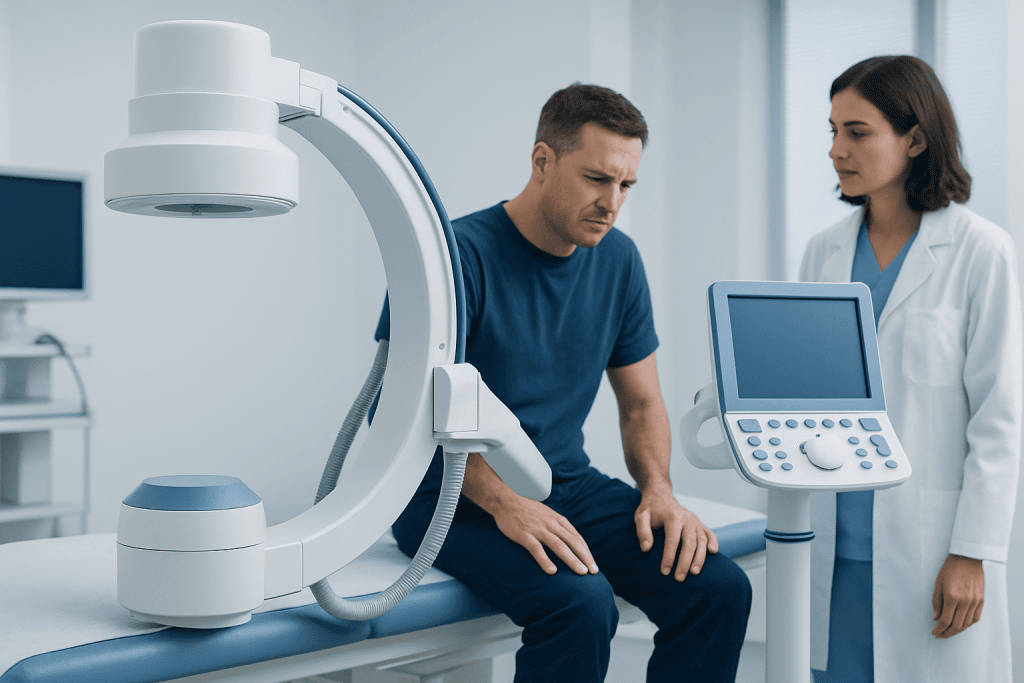
Pain is the most common orthopedic complaint. It may feel sharp, dull, aching, burning, or throbbing, and it can be constant or come and go. Some people notice pain only during movement, while others feel it even at rest. Pain can begin suddenly after a fall or twist, or it can develop gradually over weeks or months.
The location of pain can help point to the source. Joint pain may come from cartilage damage, inflammation, or arthritis. Muscle pain may follow strain or overuse. Tendon pain is often felt during certain movements, while bone pain may be deeper and more persistent. Back or neck pain sometimes relates to spinal problems and can occasionally travel into the arms or legs.
Common causes include sprains, strains, tendonitis, bursitis, osteoarthritis, overuse injuries, and fractures. In some people, pain also results from posture-related stress or mechanical imbalance. Conditions such as osteoarthritis may cause gradual, activity-related pain that becomes more noticeable over time.
Pain deserves attention when it is severe, keeps returning, interrupts sleep, or limits walking, lifting, or other everyday activities. Medical care is especially important if pain follows trauma, is associated with deformity, or occurs together with fever, significant swelling, or numbness.
Stiffness, Swelling, and Weakness
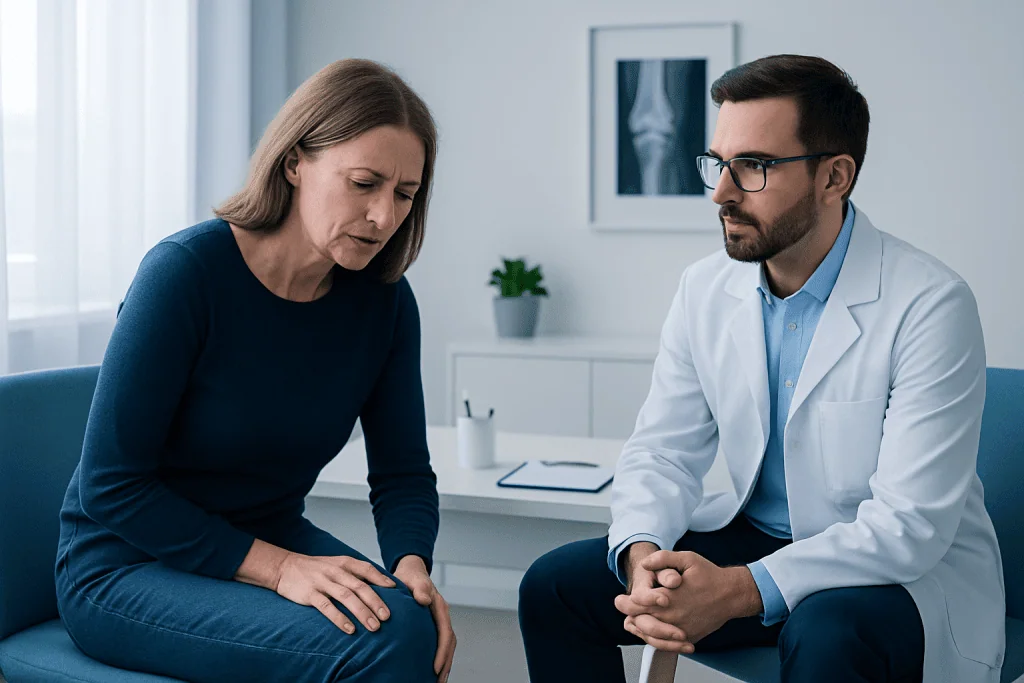
Stiffness is a reduced ability to move a joint or body part normally. It may be most noticeable in the morning, after sitting for a long time, or after exercise. Some stiffness improves with gentle movement, while other cases make daily tasks such as standing up, climbing stairs, or reaching overhead difficult.
Swelling usually means that fluid or inflammation has built up in tissues or around a joint. It can happen after injury, with repetitive strain, or because of inflammation from arthritis or other conditions. Swelling may be mild and localized or more obvious, with warmth, tightness, and reduced range of motion. A swollen knee, ankle, or wrist often feels uncomfortable or heavy.
Weakness is different from pain, although the two often occur together. A person may notice difficulty gripping, lifting, climbing, standing from a chair, or maintaining balance. Weakness can result from muscle injury, tendon tears, painful joint conditions, nerve compression, or reduced use of a limb after discomfort or immobilization.
When these symptoms occur together, they may suggest a more significant orthopedic issue. For example, pain with swelling after a twisting injury may indicate ligament or meniscus damage, while pain and progressive weakness in the shoulder may be linked to a tendon problem such as a rotator cuff tear.
Common Causes and Risk Factors
Orthopedic symptoms can arise from many different causes. Acute injuries are a major reason, including falls, sports injuries, lifting accidents, and sudden twisting movements. These may lead to sprains, strains, dislocations, fractures, tendon injuries, or cartilage damage. Overuse is another frequent cause, especially in people who repeat the same movements at work, during sports, or in daily life.
Age-related changes also play an important role. As people get older, cartilage may wear down, tendons can become less flexible, and muscles may lose strength if they are not used regularly. This can contribute to osteoarthritis, tendon irritation, reduced mobility, and balance problems. Excess body weight can place extra stress on weight-bearing joints such as the hips, knees, and ankles.
Other medical conditions may affect the musculoskeletal system as well. Inflammatory arthritis, autoimmune diseases, metabolic bone conditions, nerve compression, and poor circulation can all contribute to pain or weakness. Bone density loss can increase fracture risk, even with relatively minor trauma.
Several factors may increase the likelihood of orthopedic symptoms:
- Repetitive movements or physically demanding work
- Sports participation without adequate conditioning or recovery
- Previous injury
- Poor posture or movement mechanics
- Aging
- Excess body weight
- Weak muscles or low activity levels
- Underlying arthritis, bone, or nerve conditions
How Doctors Diagnose Orthopedic Symptoms
Diagnosis begins with a detailed medical history. A doctor usually asks when the symptoms started, whether there was an injury, which activities make them worse, and whether there are other symptoms such as numbness, locking, instability, or fever. This information helps narrow down the likely cause.
A physical examination is the next step. The doctor may look for swelling, bruising, joint deformity, tenderness, reduced range of motion, instability, or muscle wasting. Strength, balance, gait, and nerve function may also be checked. In many cases, the pattern of movement and the exact location of pain provide important clues.
Imaging tests are often used when symptoms are significant, persistent, or related to trauma. X-rays can show fractures, joint alignment, and signs of arthritis. Magnetic resonance imaging may be used to assess soft tissues such as ligaments, tendons, cartilage, and discs. Ultrasound can also help evaluate some tendon and muscle problems. If needed, a doctor may recommend an MRI scan to better understand the source of symptoms.
Some patients also need blood tests, especially when inflammatory arthritis, infection, or metabolic conditions are being considered. In complex cases, a specialist may combine imaging, laboratory results, and clinical findings to create the most accurate diagnosis and treatment plan.
Treatment Options
Treatment depends on the cause, severity, and duration of symptoms. For many mild orthopedic problems, initial care may include rest, temporary activity modification, ice, elevation, and short-term support such as bracing. Doctors may also recommend pain-relieving or anti-inflammatory medicines when appropriate. These measures can reduce discomfort and allow irritated tissues to recover.
Rehabilitation is a key part of treatment for many people. A structured exercise program can improve strength, flexibility, stability, and joint mechanics. Physical therapy and rehabilitation may help restore function after injuries, reduce pain from overuse problems, and support recovery from chronic joint conditions.
Some conditions need more specific treatment. Joint injections, immobilization, or image-guided procedures may be considered in selected cases. If symptoms are caused by severe structural problems such as advanced joint damage, significant tendon tears, or certain fractures, surgery may be discussed. For advanced knee damage, one option may be knee replacement, while some ligament injuries may require arthroscopic surgery.
The best treatment plan is individualized. The goal is not only to reduce pain, but also to improve movement, maintain independence, and help prevent symptoms from returning. In appropriate cases, multidisciplinary orthopedic care can support diagnosis, treatment, and recovery.
Prevention and Self-Care
Not all orthopedic problems can be prevented, but many symptoms can be reduced with everyday habits that support joint and muscle health. Regular physical activity helps maintain strength, flexibility, balance, and bone health. A balanced routine should include aerobic exercise, muscle strengthening, and stretching suited to the person’s age and abilities.
Good body mechanics are also important. Lifting with the legs rather than the back, using supportive footwear, taking breaks from repetitive tasks, and adjusting workstations to promote healthy posture can reduce strain. Warming up before exercise and increasing activity levels gradually may lower the risk of injury.
Weight management can reduce stress on the hips, knees, and feet. Adequate nutrition, including enough protein, calcium, and vitamin D, also supports the musculoskeletal system. People with recurring symptoms should avoid pushing through significant pain and instead seek advice on safer ways to remain active.
If symptoms do appear, self-care should be sensible and time-limited. Mild discomfort may improve with rest and simple home measures, but persistent pain, recurring swelling, or increasing weakness should not be ignored. Near the end of the care pathway, some patients may choose assessment at centers such as Acibadem International, where multidisciplinary specialists in JCI-accredited hospitals diagnose and treat orthopedic conditions for international patients.
When to See a Doctor
Many minor orthopedic symptoms improve within a few days or weeks, but some situations need medical attention sooner. A doctor should evaluate symptoms that do not improve, keep returning, or interfere with work, walking, sleep, or routine activities. Ongoing stiffness, repeated swelling, or progressive weakness may indicate a condition that benefits from early treatment.
Urgent medical care is important after significant trauma, if a limb looks deformed, or if a person cannot bear weight or use the affected area. Immediate evaluation is also recommended for symptoms such as severe swelling, redness with fever, sudden major weakness, or numbness and loss of bladder or bowel control with back pain.
People do not need to wait until symptoms become severe. Early assessment can be especially helpful for older adults, athletes, and those with previous injuries or chronic joint disease. Identifying the cause sooner often makes treatment simpler and may help protect long-term mobility.
A qualified healthcare professional can decide whether symptoms are most likely related to overuse, injury, arthritis, spinal problems, or another medical condition. Clear diagnosis is the first step toward effective treatment and safer return to daily activities.
Frequently asked questions
Are common orthopedic symptoms always caused by arthritis?
No. Pain, stiffness, swelling, and weakness can be caused by many issues, including injuries, overuse, tendon problems, muscle strain, and nerve compression. Arthritis is one possible cause, but not the only one.
How long should orthopedic pain last before seeing a doctor?
If pain is severe, follows an injury, or stops a person from normal activities, medical advice should be sought promptly. Even milder symptoms should be checked if they last more than a short period, keep returning, or gradually worsen.
What is the difference between soreness and weakness?
Soreness is a feeling of discomfort or aching, often after exercise or strain. Weakness means the affected limb or muscle cannot perform as well as expected, such as difficulty lifting, gripping, climbing, or standing.
Can swelling happen without a serious injury?
Yes. Swelling can develop from overuse, irritation, arthritis, bursitis, or fluid buildup around a joint. However, sudden or marked swelling should be assessed, especially if it is painful or limits movement.
Do imaging tests always need to be done for orthopedic symptoms?
Not always. Many common symptoms can be assessed with a medical history and physical examination first. Imaging is usually recommended when symptoms are persistent, severe, related to trauma, or suggest a structural problem.
Can exercise help orthopedic symptoms?
In many cases, yes. The right kind of exercise can improve strength, flexibility, balance, and joint support. It is important that exercise is appropriate for the person's condition, which is why professional guidance can be helpful.
References
- World Health Organization
- American Academy of Orthopaedic Surgeons
- National Institute of Arthritis and Musculoskeletal and Skin Diseases
- NHS
- Mayo Clinic
This article is for general information only and is not a substitute for professional medical advice. Please consult a qualified doctor about your individual situation.
Joint and spine care in Turkey — expert assessment & treatment
JCI-accredited · board-certified surgeons · reply within 24h
Add us as a Preferred Source to see more of our trusted health content across Google Search, AI Overviews and Discover.

Orthopedics & Spine
Care for bones, joints and the musculoskeletal system, including joint replacement, sports injuries and trauma.
125 specialists in this unitMore from the Health Library

Related Specialists

Dr. Munara Bolatkhan
Inpatient Clinic Physicians Clinical Service
Dr. Ayşen Bıçakcı Genç
Neurology
Assoc. Prof. Dr. Emre Bozkurt
General Surgery
Prof. Dr. Murat Saruç
Gastroenterology