When to Get a Second Opinion in Pediatric Care

A second opinion can confirm a diagnosis or suggest other possible explanations. Parents often seek another opinion when treatment is complex, invasive, long-term, or unclear.
Key Takeaways
- A second opinion can confirm a diagnosis or suggest other possible explanations.
- Parents often seek another opinion when treatment is complex, invasive, long-term, or unclear.
- Getting a second opinion does not usually mean distrust; it is part of informed pediatric care.
- It is especially helpful for rare conditions, surgery decisions, ongoing symptoms, or limited improvement.
- Families should gather records, test results, and questions before the appointment.
- Urgent or emergency symptoms should be treated immediately rather than delayed for another opinion.
A second opinion in pediatric care can help families better understand a child’s diagnosis, treatment options, or next steps. It is a common and appropriate way to feel more confident when medical decisions are complex, uncertain, or urgent.
Overview
A second opinion in pediatric care means asking another qualified doctor to review a child’s symptoms, diagnosis, test results, or treatment plan. This can provide reassurance that the current plan is appropriate, or it may offer a different perspective that helps the family and care team make a more informed decision. In children’s health, where growth, development, and long-term well-being matter, many parents find that a second opinion brings clarity and peace of mind.
Seeking another medical opinion is common, especially when a diagnosis is serious, uncommon, or uncertain. It can also be useful when treatment involves surgery, long-term medication, complex testing, or specialist care. In many cases, the second doctor agrees with the first, which can help families feel more comfortable moving forward.
A second opinion should not be seen as a challenge to the first doctor. Rather, it is a normal part of careful decision-making. Most pediatric specialists understand why families may want additional guidance and can help by sharing records, explaining the rationale for treatment, and supporting coordinated care.
When a Second Opinion May Be Helpful
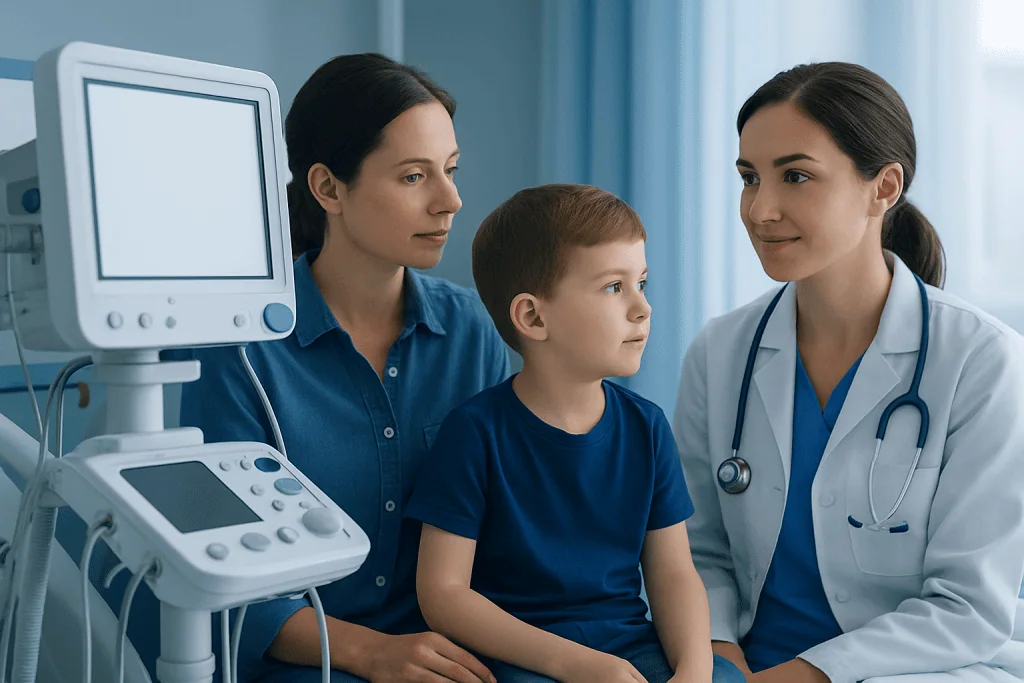
Parents may consider a second opinion whenever they feel uncertain about a child’s diagnosis or treatment plan. This is especially true if symptoms do not fully match the diagnosis, if recommended treatment seems major or risky, or if the condition is rare. It can also help when a child is not improving as expected, or when there are multiple possible treatment paths.
Common situations include recommendations for surgery, a new diagnosis of a chronic illness, unusual test findings, developmental concerns, or complex neurological, cardiac, orthopedic, or cancer-related care. A second opinion may also be worthwhile if a family is having difficulty understanding the explanation given, or if they feel they need more time and information before making a decision.
Another reason is when parents sense that something is still not right. While intuition alone cannot diagnose a condition, caregivers often notice subtle changes in behavior, feeding, sleep, energy, mobility, or growth that deserve attention. A fresh specialist review can sometimes bring important details together in a new way.
- A serious or life-changing diagnosis
- A recommendation for surgery or another invasive procedure
- Persistent symptoms despite treatment
- Unclear diagnosis or conflicting test results
- Rare conditions or need for subspecialty care
- Questions about risks, benefits, or alternatives
Benefits of Getting a Pediatric Second Opinion

The main benefit of a second opinion is better understanding. Families may learn that the original diagnosis is correct, which can provide reassurance and make the next steps feel less overwhelming. In other situations, the second doctor may suggest additional testing, a refined diagnosis, or a different treatment approach. This can be particularly valuable when symptoms overlap with more than one condition.
Second opinions can also improve communication. Hearing information explained in another way may make it easier for parents to understand the condition and ask practical questions about monitoring, treatment, recovery, and long-term outlook. This can help families take a more active role in shared decision-making.
For children with complex needs, another opinion may connect the family to the right specialist team. Multidisciplinary review can be helpful in areas such as pediatric neurology, heart conditions, digestive disorders, orthopedic problems, and cancer care. In some cases, it may also identify whether treatment at a specialized center would be useful, including advanced imaging or a targeted pediatric surgical evaluation when surgery is being considered.
How to Prepare for a Second Opinion
Preparation can make the second opinion more useful and efficient. Parents should gather all available medical records, including clinic notes, hospital discharge summaries, vaccination records when relevant, growth charts, laboratory results, pathology reports, imaging reports, and copies of scans if possible. A list of medications, allergies, previous treatments, and family history can also help the consulting doctor see the full picture.
It is often helpful to write down the child’s symptom history in everyday language. Parents can note when symptoms started, what makes them better or worse, how often they happen, and how they affect school, sleep, appetite, mood, or physical activity. Photos or videos may sometimes help, especially for intermittent symptoms such as abnormal movements, skin changes, breathing sounds, or gait issues.
Families should also prepare questions in advance. These might include: What is the most likely diagnosis? Are there other possible explanations? Are more tests needed? What are the treatment choices? What happens if treatment is delayed or changed? If the child has a known condition such as epilepsy or another chronic illness, parents can ask whether the current plan matches accepted pediatric standards and whether there are alternatives.
What Happens During the Appointment
During a second-opinion visit, the doctor usually reviews the child’s medical history, prior test results, and the current treatment plan. They will often perform their own examination and may ask detailed questions about symptoms, development, family history, school functioning, and previous responses to treatment. The goal is to form an independent assessment while considering the information already collected.
The second doctor may agree with the first opinion, suggest more tests, or recommend a different approach. Sometimes the difference is not a completely new diagnosis but a change in timing, follow-up, or how treatment is prioritized. For example, a specialist may advise monitoring before intervention, while another may recommend earlier action based on the child’s age, symptoms, and overall risk.
Parents should feel comfortable asking for clear explanations in plain language. It can help to ask the doctor to explain why one option may be preferred over another and what signs should prompt re-evaluation. For children who may need coordinated specialty care, the discussion may include advanced diagnostics, rehabilitation, nutrition support, or referrals such as pediatric cardiology assessment or pediatric neurology care when symptoms involve the heart or nervous system.
Possible Challenges and Practical Considerations
Although second opinions are often helpful, they can sometimes bring practical challenges. Families may face waiting times, insurance or payment questions, travel needs, or difficulty obtaining records quickly. There may also be emotional stress if the second opinion differs from the first. In these situations, it is important to focus on the reasons behind each recommendation and discuss the risks and benefits calmly.
Different opinions do not always mean one doctor is wrong. Medicine sometimes involves judgment when symptoms are evolving, evidence is incomplete, or several reasonable options exist. This is especially true in children, where age, growth stage, and developmental changes can affect diagnosis and treatment choices. If opinions differ, parents may benefit from asking both doctors how they reached their conclusions and whether additional testing could help clarify the situation.
It may also be useful to ask which parts of the plan are urgent and which can safely wait. Some families request a multidisciplinary review when a child’s condition affects more than one body system, such as digestive symptoms with poor growth, or neurological symptoms with developmental delay. Near the end of this process, some international families choose centers such as Acibadem International, where multidisciplinary pediatric specialists in JCI-accredited hospitals evaluate and treat children with complex conditions.
When Not to Delay Care and When to See a Doctor Urgently
A second opinion should support good care, not delay urgent treatment. If a child has emergency warning signs, parents should seek immediate medical attention rather than waiting for another appointment. This includes difficulty breathing, severe dehydration, seizures, loss of consciousness, serious injury, chest pain, persistent blue discoloration, sudden weakness, or severe allergic reactions.
Parents should also contact a doctor promptly if a child’s condition is worsening, if a baby is feeding poorly or becoming unusually sleepy, or if there is high fever with concerning symptoms such as a rash, stiff neck, or trouble waking. In these situations, timely assessment matters more than comparing opinions first.
Outside emergencies, families should consider speaking with the current pediatrician if they remain confused, uncomfortable, or concerned about the plan. It is reasonable to ask directly whether a second opinion would be helpful and which specialist would be most appropriate. Good pediatric care welcomes questions and aims to help parents feel informed, supported, and confident in decisions about their child’s health.
Frequently asked questions
Is it normal to get a second opinion for a child?
Yes. Seeking a second opinion is a common and appropriate part of pediatric care, especially when a diagnosis is serious, unclear, or involves major treatment decisions. Many doctors support it because it helps families make informed choices.
Will getting a second opinion offend the first doctor?
Usually not. Most pediatricians and specialists understand that parents want to be certain when making decisions for a child. A professional doctor will usually help by sharing records and explaining the current plan.
Do parents need a second opinion before every surgery?
Not always, but it can be very helpful for non-emergency surgery. A second opinion may confirm that surgery is the best option, explain alternatives, or clarify expected benefits and risks. In emergencies, treatment should not be delayed.
What should parents bring to a pediatric second-opinion appointment?
It is helpful to bring medical records, test and imaging results, a medication list, and a written symptom timeline. Parents should also prepare questions about the diagnosis, treatment options, and what to expect next.
What if the two doctors disagree?
A difference of opinion does not automatically mean one doctor is wrong. Parents can ask each doctor to explain the reasoning behind their recommendations and whether more testing or specialist review could help. Sometimes a third opinion or multidisciplinary assessment is useful.
Can a second opinion change a child’s diagnosis?
Yes, in some cases it can. Another doctor may identify a different explanation, refine the diagnosis, or suggest additional testing that leads to a clearer answer. In many cases, however, the second opinion confirms the original diagnosis and plan.
References
- American Academy of Pediatrics
- National Institutes of Health
- World Health Organization
- Centers for Disease Control and Prevention
This article is for general information only and is not a substitute for professional medical advice. Please consult a qualified doctor about your individual situation.
Explore treatments in Turkey — costs, top hospitals & a free quote
JCI-accredited · board-certified surgeons · reply within 24h
Add us as a Preferred Source to see more of our trusted health content across Google Search, AI Overviews and Discover.

Pediatrics
Complete healthcare for infants, children and adolescents across all sub-specialties.
232 specialists in this unit