Early Warning Signs That a Child Should See a Doctor

Breathing difficulty, bluish lips, or pauses in breathing need urgent medical care. A child who is very sleepy, confused, difficult to wake, or not acting normally should be assessed promptly.
Key Takeaways
- Breathing difficulty, bluish lips, or pauses in breathing need urgent medical care.
- A child who is very sleepy, confused, difficult to wake, or not acting normally should be assessed promptly.
- Signs of dehydration include very little urination, dry mouth, no tears, and poor fluid intake.
- High fever in a very young baby, or fever with a rash, stiff neck, or breathing problems, needs medical advice quickly.
- Severe pain, repeated vomiting, worsening symptoms, or symptoms that persist longer than expected should not be ignored.
Many childhood illnesses are mild and improve with rest, fluids, and time. Certain symptoms, however, can signal that a child needs prompt medical assessment, especially if breathing, hydration, pain, behavior, or fever patterns are concerning.
Overview
Children often get coughs, fevers, stomach upsets, rashes, and minor injuries as they grow. Most of these problems are short-lived and can be managed at home with careful observation, rest, and fluids. Even so, parents and caregivers may find it hard to know when a common illness is no longer routine and when medical advice is needed.
Early warning signs are symptoms or changes in behavior that suggest a child may be becoming more unwell, dehydrated, or at risk of complications. These signs do not always mean there is a serious illness, but they do mean the child should be assessed by a qualified healthcare professional. Trusting a caregiver’s instinct is important, especially if a child seems much more unwell than usual.
Age matters when judging symptoms. A fever in a newborn, poor feeding in a young infant, or breathing difficulty at any age deserves closer attention than the same symptom in an older child who is otherwise active and drinking well. Children with chronic conditions, weakened immunity, or recent surgery may also need earlier medical review.
Signs That Need Urgent Medical Attention
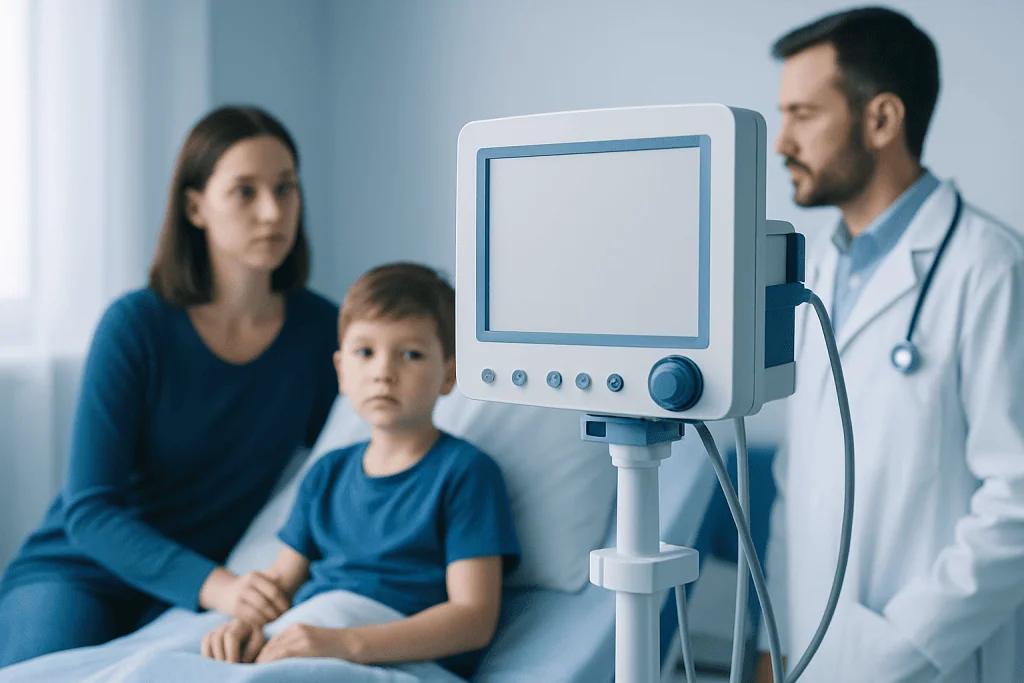
Some symptoms should not wait for a routine appointment. Emergency care is important if a child is struggling to breathe, breathing very fast, making grunting sounds, pulling in the muscles between the ribs, or if the lips, face, or fingertips look blue, gray, or unusually pale. These can be signs that the body is not getting enough oxygen.
Urgent assessment is also needed if a child is difficult to wake, unusually floppy, confused, has a seizure, faints, or is not responding normally. A severe allergic reaction may cause swelling of the lips or tongue, widespread hives, wheezing, vomiting, or sudden weakness. Severe dehydration, especially in babies and young children, can develop quickly and should be treated promptly.
Other warning signs include a serious head injury, heavy bleeding that does not stop, severe burns, poisoning, a possible broken bone with deformity, or sudden severe pain. If a child has a rash that does not fade when pressed together with fever, a stiff neck, or marked lethargy, prompt medical care is especially important.
- Difficulty breathing or bluish lips
- Seizure, collapse, or unresponsiveness
- Severe dehydration or inability to keep fluids down
- Sudden severe pain, especially in the abdomen or head
- Serious injury, heavy bleeding, or suspected poisoning
Fever and Infection Warning Signs

Fever is common in childhood and is usually caused by an infection. In many cases, the number on the thermometer matters less than how the child looks and behaves. A child with a mild fever who is alert, drinking, and improving may not need urgent care, while a child with a lower fever who is very drowsy, breathing poorly, or refusing fluids may need assessment sooner.
Babies younger than 3 months with a fever should be seen by a doctor promptly, because young infants can become seriously unwell more quickly and may show only subtle signs at first. Fever that lasts several days, returns after improving, or comes with a severe headache, stiff neck, breathing problems, persistent vomiting, or a new rash also deserves medical advice.
Parents should also watch for signs of localized infection, such as ear pain, pain with urination, swollen glands, worsening cough, or redness and warmth around a cut or bite. In some cases, infections may affect the lungs, ears, throat, or urinary tract and need targeted treatment. If symptoms suggest a chest infection, a doctor may evaluate for problems such as pneumonia or other causes of breathing symptoms.
Hydration, Eating, and Digestive Concerns
Children can lose fluids quickly with fever, vomiting, or diarrhea. Warning signs of dehydration include a dry mouth, no tears when crying, fewer wet diapers, very little urination, sunken eyes, unusual sleepiness, or a child who is too weak or upset to drink. In infants, a sunken soft spot on the head may also be a concern.
Repeated vomiting, green vomit, vomiting with severe abdominal pain, blood in vomit, or blood in the stool should not be ignored. Ongoing diarrhea can also become serious if it is frequent, severe, or linked with poor fluid intake. Parents should seek medical advice if a child cannot keep fluids down, is becoming increasingly tired, or shows signs of dehydration.
Abdominal pain is common in children, but severe, persistent, or localized pain needs attention. Pain that settles in one area, especially the lower right side, pain with fever, or pain that makes a child reluctant to move may need urgent evaluation. In some children, doctors may assess for conditions such as appendicitis if symptoms and examination findings suggest it.
Changes in Behavior, Pain, and Appearance
Caregivers often notice subtle changes before clear physical symptoms appear. A child who is much quieter than usual, excessively irritable, inconsolable, not making eye contact, or not interested in play may be signaling that something is wrong. In babies, weak crying, poor feeding, unusual limpness, or persistent high-pitched crying can be important warning signs.
Pain should also be taken seriously, especially if it is severe, lasts longer than expected, or keeps returning. Headache with vomiting, visual changes, neck stiffness, or unusual drowsiness should be assessed promptly. Joint pain with swelling, refusal to walk, or a limp without a clear reason can also need medical review.
Changes in skin color or appearance can offer clues. A pale, mottled, bluish, or gray skin tone may indicate poor oxygenation or circulation. A rapidly spreading rash, swelling, or skin that looks infected may need prompt treatment. If a child develops hives or swelling together with breathing symptoms, this may point to an allergic emergency requiring urgent care.
How Doctors Evaluate a Child
When a child is assessed, the doctor usually begins with a careful history. Parents may be asked when symptoms started, whether they are getting better or worse, how much the child is drinking, how often they are urinating, what the temperature has been, and whether there has been exposure to illness, injury, or allergens. This information helps guide the next steps.
The physical examination often includes checking breathing, heart rate, temperature, hydration, alertness, skin color, and the ears, throat, chest, abdomen, or joints depending on the symptoms. In many cases, this is enough to identify whether the illness is mild, needs monitoring, or requires treatment.
Some children may need tests such as blood work, urine testing, throat swabs, or imaging. If breathing symptoms are significant, clinicians may use tests or imaging to better understand the cause; in selected cases, a chest X-ray may help assess the lungs. For certain stomach complaints, an abdominal ultrasound can help evaluate pain without radiation exposure.
Treatment, Home Care, and Prevention
Treatment depends on the cause of the symptoms. Many viral illnesses improve with rest, fluids, and symptom relief, while bacterial infections may need prescription treatment. Children with dehydration may need oral rehydration or, in more serious cases, fluids given in a medical setting. Breathing difficulties, allergic reactions, significant injuries, or severe infections may require urgent hospital care.
At home, caregivers can support recovery by encouraging small, frequent drinks, offering light meals if the child is interested, and keeping the child comfortable rather than forcing activity. It helps to monitor temperature, breathing, urine output, and overall behavior. Written notes about when symptoms started and how they have changed can be useful if a doctor is consulted.
Prevention includes hand hygiene, routine vaccinations, safe food and water habits, childproofing the home, and regular checkups. It is also wise for caregivers to know where to seek help outside office hours. If specialist care is needed, Acibadem International’s multidisciplinary pediatric teams in JCI-accredited hospitals evaluate and treat children from many countries, with access to services such as pediatric check-up and advanced MRI when clinically appropriate.
When to See a Doctor
A same-day or prompt medical review is a good idea if a child has symptoms that are worsening, lasting longer than expected, or interfering with drinking, sleeping, breathing, or normal activity. This includes fever in a very young baby, persistent ear pain, painful urination, a rash with fever, worsening cough, repeated vomiting, or new pain that is severe or hard to explain.
Parents should also contact a doctor if they are unsure, especially when a child has an underlying medical condition, is taking regular medicines, or has recently had surgery or been hospitalized. Children can change quickly, and early advice can prevent complications and provide reassurance when symptoms are less serious.
Most importantly, caregivers should trust their judgment. If a child appears significantly different from usual, seems to be deteriorating, or a parent feels something is not right, medical assessment is appropriate. Seeking help early is not an overreaction; it is a careful way to protect a child’s health.
Frequently asked questions
How can a parent tell if a child's fever is serious?
A fever is more concerning when the child is very young, especially under 3 months, or when it comes with breathing difficulty, unusual sleepiness, a stiff neck, rash, or poor fluid intake. The child's overall behavior and hydration are often more important than the exact temperature alone.
When should vomiting in a child be checked by a doctor?
Medical advice is important if vomiting is repeated, if the child cannot keep fluids down, or if there are signs of dehydration such as very little urination or unusual drowsiness. Vomit that is green, bloody, or linked with severe abdominal pain needs prompt assessment.
Is it normal for a sick child to sleep more than usual?
Children often rest more when they are unwell, but they should still wake, respond, and interact at least briefly. If a child is hard to wake, confused, floppy, or not responding normally, urgent medical care is needed.
What breathing symptoms are considered emergencies in children?
Emergency signs include fast or labored breathing, pulling in around the ribs, grunting, wheezing with distress, pauses in breathing, or blue or gray lips. These symptoms suggest the child may not be getting enough oxygen and should be assessed immediately.
How do parents recognize dehydration in children?
Common signs include a dry mouth, no tears when crying, fewer wet diapers or less urination, sunken eyes, and low energy. A child who refuses fluids or cannot keep them down should be seen by a healthcare professional.
Should a child see a doctor for a rash?
Many rashes are mild, but a rash needs medical review if it comes with fever, swelling, breathing symptoms, pain, or if it spreads quickly. A rash that does not fade when pressed can be especially important and should be checked urgently.
References
- American Academy of Pediatrics
- Centers for Disease Control and Prevention
- National Health Service
- World Health Organization
- MedlinePlus
This article is for general information only and is not a substitute for professional medical advice. Please consult a qualified doctor about your individual situation.
Persistent digestive symptoms? Get evaluated in Turkey
JCI-accredited · board-certified surgeons · reply within 24h
Add us as a Preferred Source to see more of our trusted health content across Google Search, AI Overviews and Discover.

Pediatrics
Complete healthcare for infants, children and adolescents across all sub-specialties.
232 specialists in this unit