Childhood Fever: When to See a Doctor
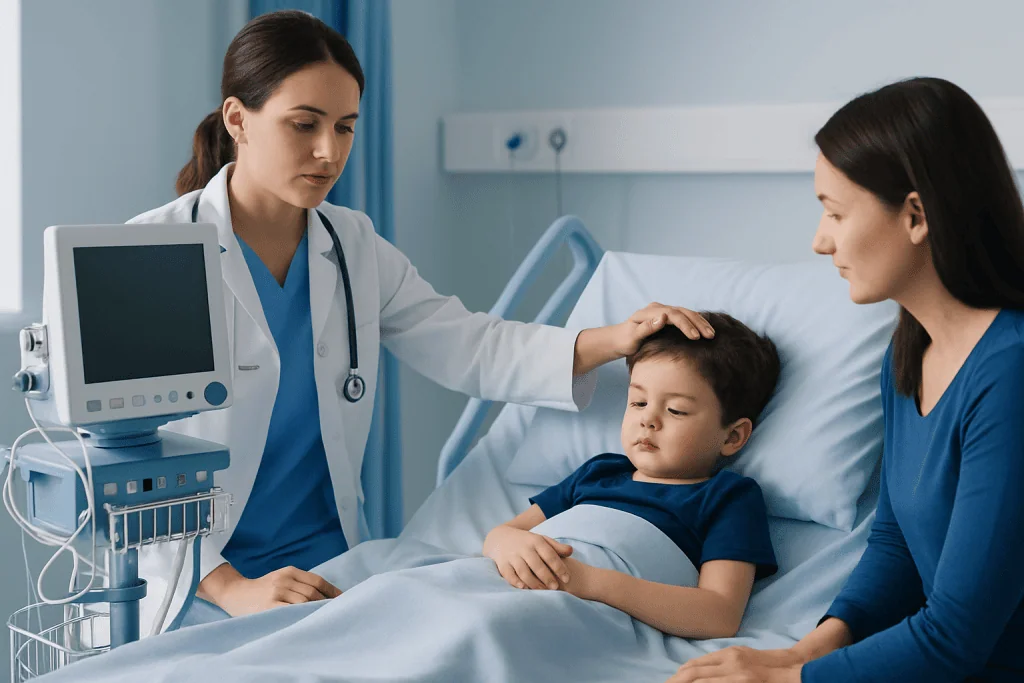
A fever is generally a body temperature of 38°C (100.4°F) or higher. How the child looks and behaves can be as important as the number on the thermometer.
Key Takeaways
- A fever is generally a body temperature of 38°C (100.4°F) or higher.
- How the child looks and behaves can be as important as the number on the thermometer.
- Babies under 3 months with fever need prompt medical assessment.
- Emergency care is needed for breathing trouble, seizures, severe dehydration, or unusual drowsiness.
- Fluids, rest, and age-appropriate fever relief can help many children feel more comfortable.
Childhood fever is common and is usually part of the body’s normal response to infection. Most fevers improve with time and supportive care, but certain ages, symptoms, and temperature patterns mean a child should be seen by a doctor.
Overview: What Childhood Fever Means
Childhood fever is one of the most common reasons families seek medical advice. A fever is usually defined as a body temperature of 38°C (100.4°F) or higher. In most cases, fever itself is not an illness. It is a sign that the immune system is responding to an infection or another trigger.
Many childhood fevers are caused by viral infections such as colds, flu, or stomach bugs. Some are linked to ear infections, throat infections, urinary infections, or other bacterial illnesses. A child may also have a mild fever after certain immunizations. The temperature alone does not always show how serious the illness is, so the child’s age, symptoms, hydration, and behavior all matter.
Parents and caregivers often worry when a thermometer reading rises quickly. This is understandable, but a higher number does not always mean a dangerous illness. Some children remain playful even with a high fever, while others may feel miserable with only a modest temperature. The main goal at home is usually comfort, careful observation, and knowing when to seek medical care.
Common Symptoms That Can Come With Fever
Fever can happen with many symptoms, depending on the underlying cause. A child may feel warm, flushed, sweaty, or shivery. Chills, tiredness, headache, body aches, poor appetite, or irritability are also common. Younger children may simply seem less active than usual or want to be held more often.
Many children with fever have symptoms of a routine viral illness, such as a runny nose, cough, sore throat, vomiting, or diarrhea. Others may complain of ear pain, belly pain, or pain with urination. A rash can also occur with fever and may be harmless in some cases, but it should still be assessed in the context of the child’s overall condition.
Behavior matters. A child who drinks fluids, makes eye contact, responds normally, and improves between fever episodes is often less concerning than a child who is very difficult to wake, confused, weak, or not interacting. If there are symptoms of severe illness, families should not wait for the fever to go down before seeking help.
- Common fever-related symptoms: tiredness, chills, poor appetite, crankiness
- Cold symptoms may include cough, congestion, or sore throat
- Digestive symptoms may include vomiting, diarrhea, or stomach pain
- Warning signs include breathing difficulty, dehydration, unusual sleepiness, or a seizure
Common Causes and Risk Factors
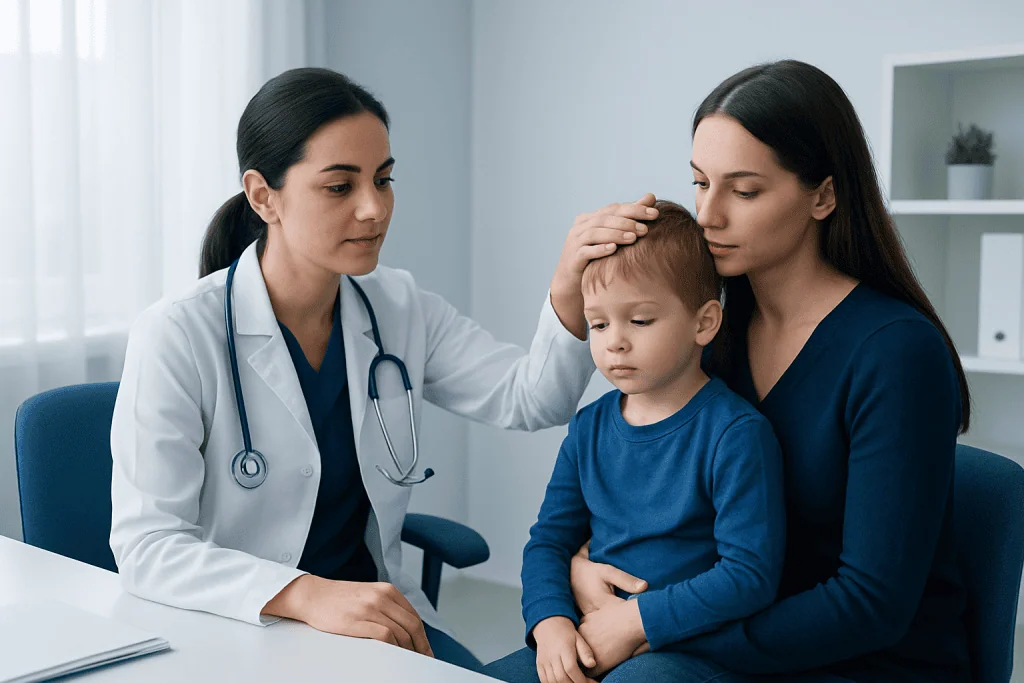
In children, most fevers are caused by infections. Viruses are especially common and often lead to short-lived fever with respiratory or digestive symptoms. Bacterial infections can also cause fever and may involve the ears, lungs, throat, urinary tract, or skin. Sometimes a child has fever without an obvious source early in the illness.
Age is an important factor. Newborns and young infants have immature immune systems, and fever in this age group can signal a more serious infection even when the baby looks fairly well. Children with chronic illnesses, weakened immunity, recent surgery, indwelling medical devices, or a history of serious infections may also need earlier medical assessment.
Environmental overheating can make a child feel hot, but it is different from fever caused by infection. Dehydration can also worsen how a child feels during a febrile illness. In some situations, a fever may be related to inflammatory conditions rather than infection. If a child has repeated fever episodes or symptoms that do not fit a typical viral illness, a doctor may look for less common causes.
How Fever Is Checked and Diagnosed
The most reliable way to confirm fever is with a thermometer. In infants and young children, the recommended method depends on age. A healthcare professional can advise on the best option, but digital thermometers are generally preferred over touch or strip methods. It is helpful for caregivers to note the temperature, the time it was taken, the method used, and whether fever medicine was given.
Doctors diagnose the cause of childhood fever by combining the child’s history, age, physical examination, and sometimes tests. They may ask when the fever started, whether it comes and goes, what other symptoms are present, how much the child is drinking, and whether there are sick contacts at home or school. Travel history, medication use, and immunization status may also be relevant.
Some children do not need tests. Others may need throat swabs, urine tests, blood tests, or imaging if a bacterial infection or another condition is suspected. If fever is linked to chest symptoms, clinicians may evaluate for lower respiratory infections, including pneumonia. If there is concern about abdominal pain or a surgical cause, further assessment may be needed rather than assuming the fever is from a simple virus.
Treatment Options and Home Care
The main purpose of treating fever at home is to help the child feel more comfortable, not necessarily to bring the temperature back to normal. Rest, light clothing, and regular fluids are often most important. Breast milk, formula, water, or oral rehydration solutions may be helpful depending on the child’s age and symptoms. A child does not need to eat much while unwell, but drinking should be encouraged.
Age-appropriate fever-reducing medicines may be recommended by a doctor or pharmacist. These can ease discomfort, headache, and body aches. Caregivers should use only the medicine advised for the child’s age and avoid giving more than recommended. Aspirin should not be given to children unless specifically directed by a doctor.
Cold baths, alcohol rubs, and heavy bundling are not recommended. These approaches can make a child more uncomfortable or be unsafe. If the underlying problem requires treatment, the doctor may prescribe therapies directed at the cause, such as medicines for a bacterial infection or supportive care for viral illness. In children who need closer evaluation for breathing problems, hospital-based pediatric pulmonology care may be part of the assessment. If fever is accompanied by significant digestive symptoms and dehydration, specialized pediatric gastroenterology care can also be helpful in selected cases.
When to See a Doctor for Childhood Fever
Some situations call for prompt medical advice even if the child seems fairly comfortable. Any baby under 3 months old with a temperature of 38°C (100.4°F) or higher should be assessed by a doctor without delay. Babies 3 to 6 months old, children with persistent fever, and children with chronic medical conditions should also be discussed with a healthcare professional sooner rather than later.
Older infants and children should be seen if the fever lasts longer than expected, keeps returning, or comes with concerning symptoms. These include ear pain, severe sore throat, painful urination, ongoing vomiting, worsening cough, or fever with a new rash. If a child is not drinking enough, has fewer wet diapers, cries without tears, or has a very dry mouth, dehydration may be developing.
Emergency care is needed if a child has trouble breathing, blue lips, a seizure, severe weakness, stiff neck, confusion, severe headache, persistent severe pain, or is very hard to wake. A fever with a rash that does not fade when pressed also needs urgent assessment. Families know their child best, so if a child seems much sicker than expected, it is reasonable to seek medical help.
- Seek prompt medical care for any infant under 3 months with fever
- Call a doctor for fever that lasts more than a few days or keeps coming back
- Get urgent help for breathing trouble, seizures, severe dehydration, or unusual drowsiness
- Ask for medical advice if the child has underlying conditions or a weakened immune system
Prevention, Self-Care, and Reassurance for Families
Not all fevers can be prevented, because infections are a normal part of childhood. Even so, good hygiene can reduce risk. Handwashing, covering coughs, cleaning shared surfaces, and keeping sick children home from school or daycare when needed can help limit spread. Staying up to date with routine immunizations is another important way to protect children from serious infections that can cause fever.
At home, keeping a simple record can be useful. Families may write down temperatures, medicines given, the child’s fluid intake, urine output, and other symptoms. This information can help a doctor judge whether the illness is following a typical pattern or needs further evaluation. A calm approach also helps children feel safer when they are unwell.
Most childhood fevers improve with time, fluids, and monitoring. Fever can be worrying, but it is often a temporary and useful immune response. If specialist evaluation is needed, Acibadem International’s multidisciplinary pediatric teams in JCI-accredited hospitals diagnose and treat childhood fever and its underlying causes for international patients, including situations that may involve pediatric check-up assessment or broader pediatrics care.
Frequently asked questions
What temperature counts as a fever in a child?
In general, a temperature of 38°C (100.4°F) or higher is considered a fever. The best way to confirm it is with a reliable digital thermometer and an age-appropriate method of measurement.
Is a high fever always dangerous?
Not necessarily. The height of the fever does not always show how serious the illness is. A child’s age, breathing, hydration, alertness, and overall behavior are often more important than the number alone.
When should a baby with fever see a doctor?
Any baby under 3 months old with a temperature of 38°C (100.4°F) or higher should be assessed promptly by a doctor. Young infants can become unwell quickly, and they may need evaluation even if they do not seem very sick.
How can parents help a child with fever at home?
Offer fluids often, let the child rest, and dress them in light clothing. If advised by a healthcare professional, age-appropriate fever medicine can help with comfort, but caregivers should follow instructions carefully and avoid aspirin unless a doctor specifically recommends it.
Should a child with fever always be given medicine?
No. Fever medicine is mainly used to improve comfort, not because every fever must be lowered. If a child is drinking, resting, and not very uncomfortable, careful observation may be enough while monitoring for any warning signs.
Can teething cause a true fever?
Teething may cause mild discomfort or a slight rise in temperature, but it usually does not cause a true fever of 38°C (100.4°F) or higher. If a child has a real fever, another cause such as an infection should be considered.
What symptoms with fever need emergency care?
Emergency help is needed for trouble breathing, blue lips, seizures, severe dehydration, confusion, stiff neck, or if the child is very difficult to wake. A concerning rash, persistent severe pain, or a child who appears seriously unwell should also be assessed urgently.
References
- American Academy of Pediatrics
- Centers for Disease Control and Prevention
- National Health Service
- World Health Organization
- Merck Manual Consumer Version
This article is for general information only and is not a substitute for professional medical advice. Please consult a qualified doctor about your individual situation.
Persistent digestive symptoms? Get evaluated in Turkey
JCI-accredited · board-certified surgeons · reply within 24h
Add us as a Preferred Source to see more of our trusted health content across Google Search, AI Overviews and Discover.

Pediatrics
Complete healthcare for infants, children and adolescents across all sub-specialties.
232 specialists in this unit