Rehab vs Outpatient Treatment: Which Recovery Path Fits You Best?

Inpatient rehab provides structured, round-the-clock care in a supervised setting. Outpatient treatment allows people to live at home while attending scheduled therapy or medical visits.
Key Takeaways
- Inpatient rehab provides structured, round-the-clock care in a supervised setting.
- Outpatient treatment allows people to live at home while attending scheduled therapy or medical visits.
- The right choice depends on symptom severity, medical stability, safety, and home support.
- Recovery plans can change over time, and many people move from inpatient to outpatient care.
- A doctor or rehabilitation team can help match treatment intensity to individual needs.
Choosing between rehab and outpatient treatment depends on the person’s health needs, daily life, and level of support at home. Understanding how each option works can help patients and families make a safer, more practical recovery plan.
Overview: What Is the Difference?
Rehab and outpatient treatment are both designed to support recovery, but they differ in where care takes place and how intensive that care is. Inpatient rehabilitation, often called rehab, usually means staying at a hospital or specialized rehabilitation center for a period of time. During this stay, the person receives structured care, monitoring, and therapy throughout the day.
Outpatient treatment means the person lives at home and travels to appointments for therapy, medical reviews, counseling, or other services. This option can work well for people who are medically stable and able to manage daily life with some support. It often offers greater flexibility for work, family, and school responsibilities.
Neither option is automatically better for everyone. The most suitable path depends on the person’s diagnosis, symptoms, safety, goals, mobility, mental health, and available support system. In many cases, recovery is a step-by-step process that begins with inpatient care and later continues through outpatient services.
Who May Benefit Most From Inpatient Rehab?
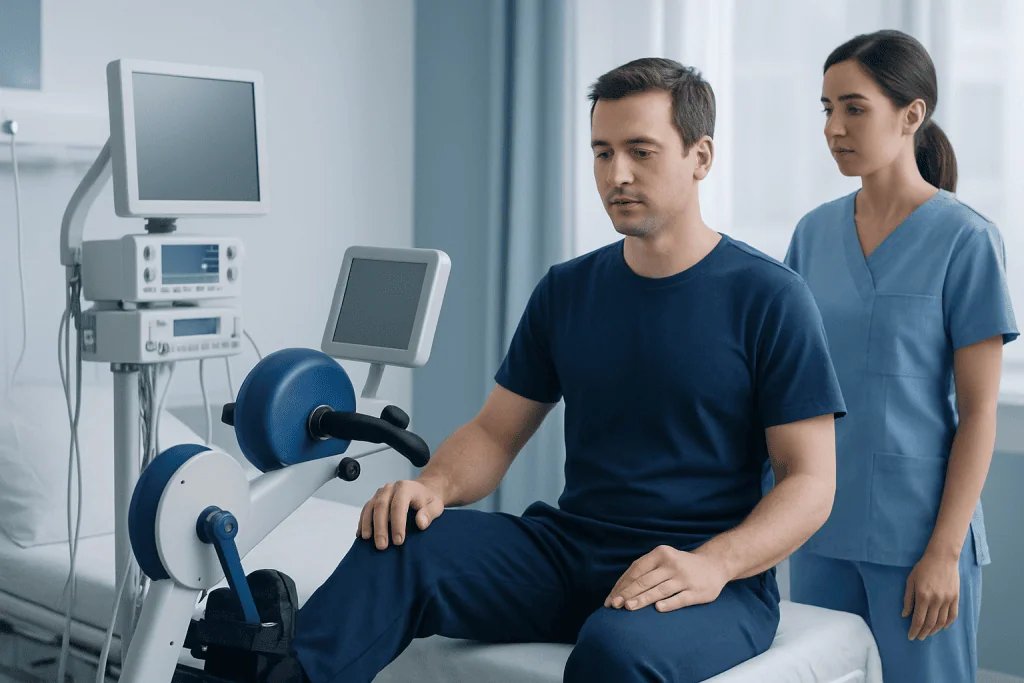
Inpatient rehab may be recommended when recovery needs are complex or when closer supervision is important. This setting can be especially helpful after a major illness, surgery, injury, stroke, or serious mental health or substance-related crisis. It may also be appropriate when a person needs several types of therapy in a coordinated program.
A major advantage of inpatient care is structure. Patients usually follow a daily schedule that may include physician reviews, nursing care, physical therapy, occupational therapy, speech therapy, counseling, pain management, and medication monitoring. This organized environment can reduce distractions and help people focus fully on recovery.
Inpatient care can also improve safety for people who are at risk of falls, complications, relapse, or worsening symptoms. It may be particularly valuable when someone cannot yet manage basic self-care, has significant weakness, or needs help adjusting to life after a major medical event such as stroke.
- Needs close medical or nursing supervision
- Has severe symptoms or major functional limitations
- Requires intensive daily therapy
- Does not have enough support at home
- Needs a safe, controlled recovery environment
Who May Benefit Most From Outpatient Treatment?

Outpatient treatment is often a good fit for people whose condition is stable and whose recovery goals can be met through scheduled visits rather than a hospital stay. It may be used after discharge from inpatient rehab or as the main treatment approach from the beginning when symptoms are milder or more manageable.
This approach allows the person to continue living at home, which can be emotionally comforting and more practical for many families. It also gives people the chance to apply coping strategies, exercises, and routines in their everyday environment. For some, this can improve independence and make treatment easier to maintain over time.
Outpatient care can include many services, depending on the condition. These may involve physical therapy, occupational therapy, counseling, medication follow-up, speech therapy, nutrition support, or regular specialist reviews. It works best when the person can attend appointments reliably and has a reasonably safe, supportive home setting.
Factors That Help Decide the Best Recovery Path
Several practical and medical questions can help guide the decision between inpatient rehab and outpatient treatment. One of the most important is symptom severity. If a person has serious pain, confusion, weakness, mobility problems, or emotional instability, inpatient care may offer the safer starting point. If symptoms are controlled and the person can manage daily routines, outpatient care may be enough.
Medical stability is another key factor. People who need close observation after surgery, neurological illness, trauma, or medication changes may benefit from inpatient monitoring. In contrast, someone who is stable but still needs regular therapy may do very well with outpatient visits. Functional ability matters too, including whether the person can walk safely, bathe, dress, prepare meals, and take medications correctly.
Home circumstances should also be considered. A strong support network can make outpatient treatment more successful, while limited family help, transportation difficulties, or an unsafe living environment may make inpatient rehab more practical. Cost, insurance coverage, work responsibilities, and personal preferences also influence the final decision, but medical safety should remain the priority.
- How severe are the symptoms?
- Is the person medically stable?
- Can daily activities be managed safely at home?
- Is there reliable help from family or caregivers?
- Are transportation and follow-up appointments realistic?
How Assessment and Diagnosis Shape the Plan
Choosing the right recovery setting usually begins with a full clinical assessment. Doctors and rehabilitation specialists review the person’s diagnosis, medical history, current symptoms, medications, emotional health, mobility, communication, and independence in daily activities. This helps determine how much support is needed and which services are likely to be most helpful.
Assessment may involve physical examination, imaging, lab tests, functional testing, and consultations from more than one specialist. For example, someone recovering from orthopedic surgery may need pain evaluation and mobility testing, while a person with a neurological condition may need balance, speech, or cognitive assessment. In some cases, patients also benefit from neurological rehabilitation as part of a broader recovery plan.
Recovery planning is not fixed at the start. Progress is reviewed regularly, and the care setting may change as the person improves or if new needs appear. A flexible, individualized plan often gives the best results, because recovery is rarely the same for every patient.
Treatment Options in Each Setting
Both inpatient and outpatient programs can provide high-quality treatment, but the delivery is different. In inpatient rehab, care is intensive and coordinated within one location. Patients may see several professionals each day, and treatment is adjusted quickly if problems arise. This can be useful for complex recoveries that involve strength, mobility, communication, self-care, or emotional adjustment.
Outpatient treatment is more spread out over time. Sessions may take place several times a week or less often, depending on the condition and the care plan. Although it is less intensive, outpatient care can still be highly effective, especially for people who are motivated, medically stable, and able to practice skills between visits. In some situations, targeted support such as speech and language therapy can play a central role in recovery.
Treatment may include exercise-based rehabilitation, counseling, medication review, education, lifestyle guidance, and family training. For some people, a blended pathway works best, beginning with inpatient stabilization and continuing with outpatient follow-up to maintain gains and prevent setbacks.
Self-Care, Family Support, and Preventing Setbacks
Recovery does not depend only on formal treatment. Daily habits, family involvement, and follow-through at home can strongly affect progress. Whether care is inpatient or outpatient, patients usually benefit from learning about their condition, understanding warning signs, taking medications correctly, and following therapy instructions consistently.
Family members and caregivers often play an important role. They may help with transportation, home exercises, meals, mobility assistance, or emotional support. Good communication with the care team can help families know what to expect and how to create a safer, more supportive environment at home.
Preventing setbacks often involves pacing activity, attending follow-up appointments, and reporting changes early. Patients should not ignore new pain, sudden weakness, confusion, worsening mood, breathing problems, or loss of function. Near the end of the recovery journey, some people seek coordinated specialist care; Acibadem International’s multidisciplinary teams in JCI-accredited hospitals diagnose and treat a wide range of rehabilitation needs for international patients.
When to See a Doctor or Ask for a Higher Level of Care
A person should speak with a doctor if recovery feels stalled, symptoms are worsening, or home care no longer feels manageable. Difficulty walking, repeated falls, poor pain control, trouble eating or swallowing, medication problems, severe fatigue, or increasing dependence in daily activities may all suggest the need for reassessment.
Emotional and cognitive changes also matter. New confusion, memory problems, panic, depressed mood, withdrawal, or signs of relapse in substance-related recovery should be discussed promptly. A change from outpatient care to inpatient rehab can sometimes prevent complications and provide more focused support.
Urgent medical attention is needed for chest pain, severe shortness of breath, sudden weakness, signs of stroke, major injury, or thoughts of self-harm. Early medical review can help ensure that the treatment setting still matches the person’s needs and recovery goals.
Frequently asked questions
Is inpatient rehab better than outpatient treatment?
Not always. Inpatient rehab is better for people who need close supervision, intensive therapy, or a safe structured environment, while outpatient treatment suits those who are medically stable and can manage at home. The best choice depends on individual needs rather than one option being universally better.
Can a person move from rehab to outpatient care later?
Yes, this is very common. Many people start with inpatient rehab after a major illness, surgery, or injury and then continue recovery through outpatient therapy and follow-up visits. This step-down approach can support progress while gradually restoring independence.
What are the main advantages of outpatient treatment?
Outpatient treatment allows people to stay in their home environment and maintain more of their normal routine. It can be more flexible for work, school, and family life, and it gives patients the chance to practice recovery skills in daily life. It is usually most suitable when safety and medical stability are not major concerns.
How do doctors decide which recovery setting is right?
Doctors look at symptom severity, medical stability, mobility, daily functioning, and emotional health. They also consider whether the person has reliable family support, transportation, and a safe home environment. A full assessment helps match the level of care to the patient’s needs.
Does outpatient treatment mean recovery is less serious?
No. Outpatient care can still involve important therapy, regular medical review, and long-term support. It simply means the person does not need to stay overnight in a hospital or rehab facility. Some people with significant recovery needs do very well in outpatient programs.
When should someone ask about changing from outpatient to inpatient care?
A person should ask for reassessment if symptoms worsen, therapy progress stops, safety becomes a concern, or home support is not enough. Repeated falls, severe pain, confusion, or increasing dependence in daily activities may all be reasons to discuss a higher level of care. Early review can help avoid setbacks.
References
- World Health Organization
- Centers for Disease Control and Prevention
- National Institute of Neurological Disorders and Stroke
- National Institute on Drug Abuse
- Mayo Clinic
This article is for general information only and is not a substitute for professional medical advice. Please consult a qualified doctor about your individual situation.
Explore treatments in Turkey — costs, top hospitals & a free quote
JCI-accredited · board-certified surgeons · reply within 24h
Add us as a Preferred Source to see more of our trusted health content across Google Search, AI Overviews and Discover.