When a Skin Rash Needs Medical Attention

Most skin rashes are not dangerous, but some need prompt medical evaluation. Warning signs include fever, pain, swelling, blistering, rapid spreading, or trouble breathing.
Key Takeaways
- Most skin rashes are not dangerous, but some need prompt medical evaluation.
- Warning signs include fever, pain, swelling, blistering, rapid spreading, or trouble breathing.
- A doctor may diagnose a rash based on its appearance, symptoms, medical history, and sometimes tests.
- Treatment depends on the cause and may include skin care, avoiding triggers, or medicines.
- Persistent, recurrent, or unexplained rashes should be checked by a qualified healthcare professional.
Many skin rashes are mild and improve with time or simple care. Some rashes, however, can signal infection, allergy, inflammation, or another medical problem and should be assessed by a doctor.
Overview
A skin rash is a visible change in the color, texture, or appearance of the skin. It may look red, purple, scaly, bumpy, dry, blistered, or swollen, and it can affect a small area or much of the body. Rashes are very common and can happen for many reasons, including irritation, allergy, infection, heat, autoimmune conditions, or chronic skin disorders.
In many cases, a rash is mild and improves with gentle skin care and time. Examples include minor irritation from soaps, heat rash, or short-lived allergic reactions. Even so, it is not always easy to tell a harmless rash from one that needs medical attention, especially if it appears suddenly, changes quickly, or comes with other symptoms.
The most helpful approach is to look at the whole picture. A rash may need evaluation if it is painful, widespread, associated with fever, or affecting daily life. Rashes on the face, around the eyes, in the mouth, or on the genital area often deserve extra attention because these areas are more sensitive and complications may be more likely.
Common Symptoms of a Skin Rash
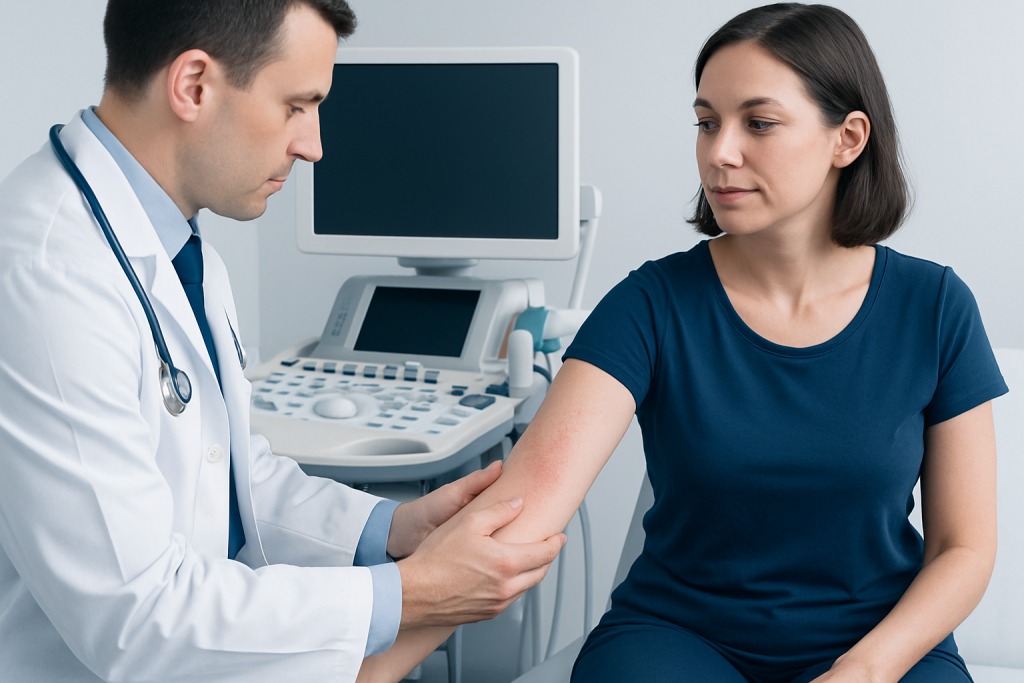
Rashes can feel and look very different from one person to another. Some are mainly itchy, while others burn, sting, hurt, or feel warm to the touch. The skin may become dry and flaky, thickened, cracked, or swollen. In some cases, small spots join together into larger patches.
A rash may also include fluid-filled blisters, pus-filled bumps, hives, or peeling skin. The pattern can offer clues: for example, a rash in body folds may suggest irritation or yeast overgrowth, while a rash after outdoor exposure may point to plants, insects, or sun sensitivity. A doctor will also consider whether the rash is on one side of the body, symmetrical, or following a nerve pattern.
Symptoms beyond the skin are especially important. Fever, sore throat, joint pain, swollen glands, fatigue, nausea, or breathing symptoms can suggest that the rash is part of a wider illness rather than a skin problem alone. These associated symptoms are often what make medical attention more urgent.
- Redness or discoloration
- Itching, burning, or pain
- Dryness, scaling, or cracking
- Blisters, bumps, or hives
- Swelling or warmth
- Fever or other general symptoms
Causes and Risk Factors

Skin rashes have many possible causes. Common triggers include contact with irritants such as detergents, fragrances, cosmetics, metals, or cleaning products. Allergic reactions to foods, medicines, insect bites, or skincare ingredients can also produce a rash. Other frequent causes include viral, bacterial, or fungal infections, as well as long-term inflammatory conditions such as eczema and psoriasis.
Environmental factors can play a role too. Heat, sweating, friction, sun exposure, and very dry air may all irritate the skin. Stress does not directly cause every rash, but it can worsen certain skin conditions or make itching harder to manage. In children, viral rashes are common; in adults, medication reactions, autoimmune conditions, and chronic skin disease may be more likely causes depending on age and overall health.
Risk factors for a rash becoming more serious include a weakened immune system, recent illness, new medication use, chronic conditions such as diabetes, and skin that is already damaged or inflamed. A history of severe allergy, asthma, or previous drug reaction also matters. Because the same rash appearance can have different causes, a professional assessment is often the safest way to decide what is going on.
When a Rash Needs Medical Attention
A rash should be checked by a doctor if it spreads quickly, becomes very painful, or does not start to improve with simple care. Medical attention is also important if the rash affects the eyes, mouth, lips, or genital area, or if the skin develops extensive blistering, peeling, or open sores. These features can indicate a more significant reaction or infection.
Urgent medical care is needed if a rash comes with trouble breathing, swelling of the face or throat, dizziness, confusion, or a high fever. A rash with purple spots that do not fade when pressed, or a rash with severe headache, neck stiffness, or marked weakness, should also be treated as urgent. These symptoms can point to conditions that need immediate evaluation.
It is also wise to seek medical advice for any rash after starting a new medicine, after a tick bite, or if there are signs of infection such as increasing redness, warmth, tenderness, pus, or red streaks. People with infants, older age, pregnancy, cancer treatment, organ transplants, or immune system conditions should have a lower threshold for getting a rash assessed.
- Rapidly spreading rash
- Rash with fever or feeling very unwell
- Painful, blistering, or peeling rash
- Swelling of the face, lips, or tongue
- Rash that looks infected
- Persistent or repeatedly returning rash
How Doctors Diagnose a Rash
Diagnosis usually begins with a careful history and skin examination. A doctor will ask when the rash started, how it has changed, whether it itches or hurts, and what products, foods, medicines, or environmental exposures may have occurred before it appeared. Photos showing how the rash looked earlier can sometimes be helpful if the appearance changes over time.
The visual pattern of the rash often gives valuable clues, but appearance alone is not always enough for a definite diagnosis. Depending on the situation, the doctor may examine other areas of the body, check for fever or swollen lymph nodes, and look for signs of allergy, infection, or underlying inflammatory disease. Sometimes blood tests, skin swabs, allergy evaluation, or a skin biopsy are recommended.
If the rash is persistent, recurrent, or difficult to classify, referral to a dermatologist may be helpful. In some cases, dermatology evaluation is important to distinguish between similar-looking conditions and decide on the most appropriate treatment plan. When the rash may reflect another health issue, further tests or specialist input may be needed.
Treatment Options
Treatment depends entirely on the cause of the rash. Mild irritant rashes may improve by stopping the trigger and using fragrance-free moisturizers or gentle cleansers. Allergic rashes may require avoiding the allergen and using doctor-recommended medicines. Infectious rashes may need targeted treatment, while chronic inflammatory rashes often benefit from longer-term skin management.
Doctors may recommend soothing skin care, prescription creams, oral medicines, or treatment of an underlying condition. If the rash is linked to allergy, treatment may include allergy assessment and management to help identify triggers and reduce future reactions. If infection is suspected, appropriate medical treatment is important rather than trying to manage it only with home remedies.
For severe, unclear, or recurring rashes, specialist care can help improve comfort and reduce complications. In some situations, symptoms may be related to an immune or systemic condition that needs broader evaluation. Near the end of the care pathway, patients may also seek multidisciplinary support; Acibadem International’s specialists at JCI-accredited hospitals diagnose and treat skin conditions for international patients when more advanced assessment is needed.
Self-care and Prevention
Gentle skin care can help many mild rashes and may prevent irritation from getting worse. It is usually best to avoid scratching, hot showers, harsh soaps, fragranced products, and tight clothing over the affected area. Cool compresses, loose cotton fabrics, and regular use of a simple moisturizer can support the skin barrier while it heals.
Prevention often depends on knowing personal triggers. People who tend to react to certain cosmetics, metals, plants, or detergents should avoid them when possible. Those with recurring inflammatory skin conditions may benefit from a consistent skincare routine and regular follow-up. If sun seems to trigger or worsen a rash, protective clothing and appropriate sunscreen use can help.
General health measures also matter. Staying hydrated, managing stress, and treating underlying conditions can support skin health. When the cause is uncertain or symptoms keep returning, professional advice is more helpful than repeated self-treatment. If needed, doctors may also coordinate a broader check-up when a rash appears to be part of a larger health issue.
When to See a Doctor
People should consider booking a medical appointment if a rash lasts more than a few days without improvement, keeps coming back, interferes with sleep, or causes significant discomfort. A doctor should also assess a rash if it follows a new medication, an infection, travel, or exposure to a possible allergen or irritant. Early assessment can make treatment more effective and avoid unnecessary worry.
Emergency care is appropriate if there is difficulty breathing, facial swelling, severe weakness, confusion, or a rapidly worsening rash with fever. Parents should seek prompt advice for babies with a rash, especially if the child seems unwell, is feeding poorly, or has a fever. Trusting one’s instincts is important: if a rash looks severe or unusual, it is reasonable to seek help.
Skin symptoms can have many causes, and most are manageable once properly identified. A calm, timely medical evaluation is often the best step when warning signs are present. The goal is not only to treat the rash itself, but also to rule out any underlying condition that may need attention.
Frequently asked questions
How can someone tell if a rash is serious?
A rash may be more serious if it spreads quickly, is very painful, blisters, peels, or comes with fever or feeling unwell. Trouble breathing, swelling of the face or throat, or purple spots that do not fade when pressed need urgent medical care.
Should a person see a doctor for an itchy rash?
Many itchy rashes are mild, but medical advice is a good idea if the itching is severe, keeps returning, or does not improve with gentle skin care. A doctor can help identify whether the cause is allergy, eczema, infection, or another skin condition.
Can a skin rash be a sign of an allergy?
Yes, some rashes happen because of allergic reactions to foods, medicines, insect stings, metals, or skincare products. Allergic rashes may appear suddenly and can sometimes occur with swelling or breathing symptoms, which require urgent attention.
When is a rash an emergency?
A rash is an emergency if it occurs with difficulty breathing, facial or tongue swelling, severe weakness, confusion, high fever, or rapidly spreading blistering. These signs may suggest a severe allergic reaction, serious infection, or another urgent condition.
Is it safe to treat a rash at home?
Home care may be reasonable for a mild rash without warning signs, especially if the cause seems to be simple irritation. Gentle cleansing, fragrance-free moisturizers, and avoiding triggers may help, but persistent or worsening symptoms should be assessed by a doctor.
Why do some rashes keep coming back?
Recurring rashes may happen because the trigger has not been identified or because the person has a chronic skin condition such as eczema or psoriasis. Recurrent rashes can also relate to allergy, stress, infection, or an underlying medical problem, so professional evaluation may be helpful.
References
- American Academy of Dermatology
- National Health Service
- Mayo Clinic
- MedlinePlus
- World Health Organization
This article is for general information only and is not a substitute for professional medical advice. Please consult a qualified doctor about your individual situation.
Explore treatments in Turkey — costs, top hospitals & a free quote
JCI-accredited · board-certified surgeons · reply within 24h
Add us as a Preferred Source to see more of our trusted health content across Google Search, AI Overviews and Discover.