How Future Healthcare Technology Is Improving Home Care
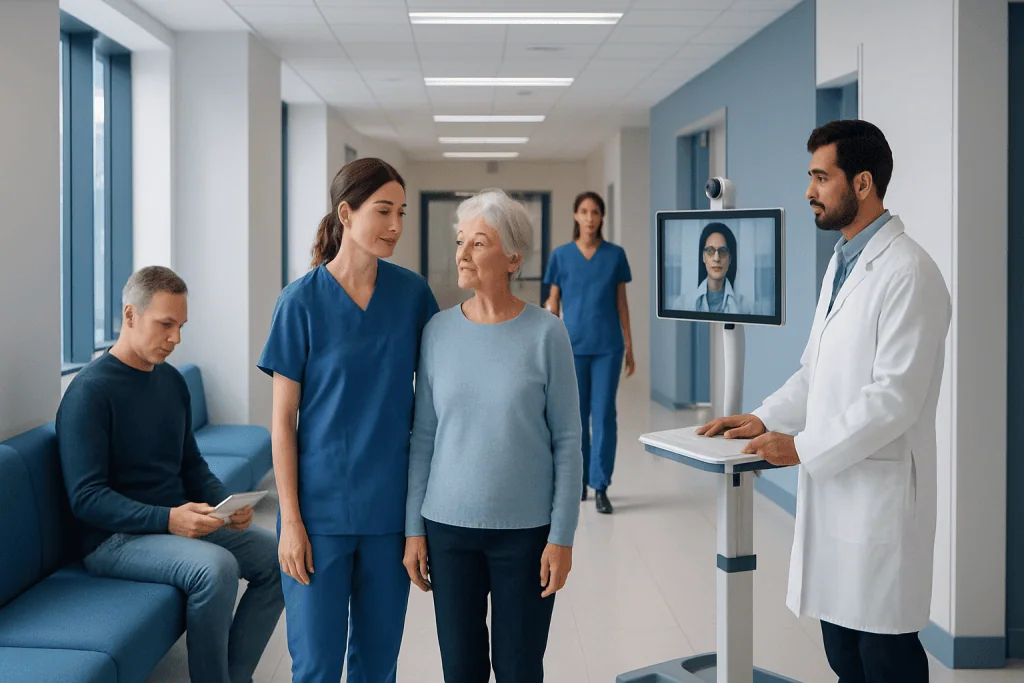
Home care technology can help patients manage health needs more safely and comfortably at home. Telehealth, wearable devices, and remote monitoring are among the most important advances.
Key Takeaways
- Home care technology can help patients manage health needs more safely and comfortably at home.
- Telehealth, wearable devices, and remote monitoring are among the most important advances.
- Digital tools can support earlier detection of changes in health and better communication with clinicians.
- Technology works best when it is matched to a person’s medical needs, home environment, and comfort with digital tools.
- Privacy, ease of use, and access to reliable internet remain important considerations.
Future healthcare technology is making home care more connected, personalized, and convenient for many patients and families. From telehealth visits to wearable monitors and smart devices, these tools can support safer care at home while helping people stay in touch with healthcare teams.
Overview: How technology is changing home care
Future healthcare technology is reshaping how care is delivered outside the hospital. Home care no longer depends only on in-person visits and paper records. Today, digital tools can help monitor symptoms, share health information, remind patients about medications, and connect families with healthcare professionals in real time.
These changes are especially meaningful for older adults, people living with chronic conditions, patients recovering after surgery, and anyone who needs regular follow-up but prefers to stay at home when it is safe to do so. Technology can reduce unnecessary travel, make communication easier, and give patients a more active role in everyday health management.
Home care technology does not replace doctors, nurses, or caregivers. Instead, it supports them by improving access to information and allowing earlier responses when something changes. In many situations, the goal is not to make care more complicated, but to make it more responsive, practical, and centered on the patient’s daily life.
Key technologies improving care at home
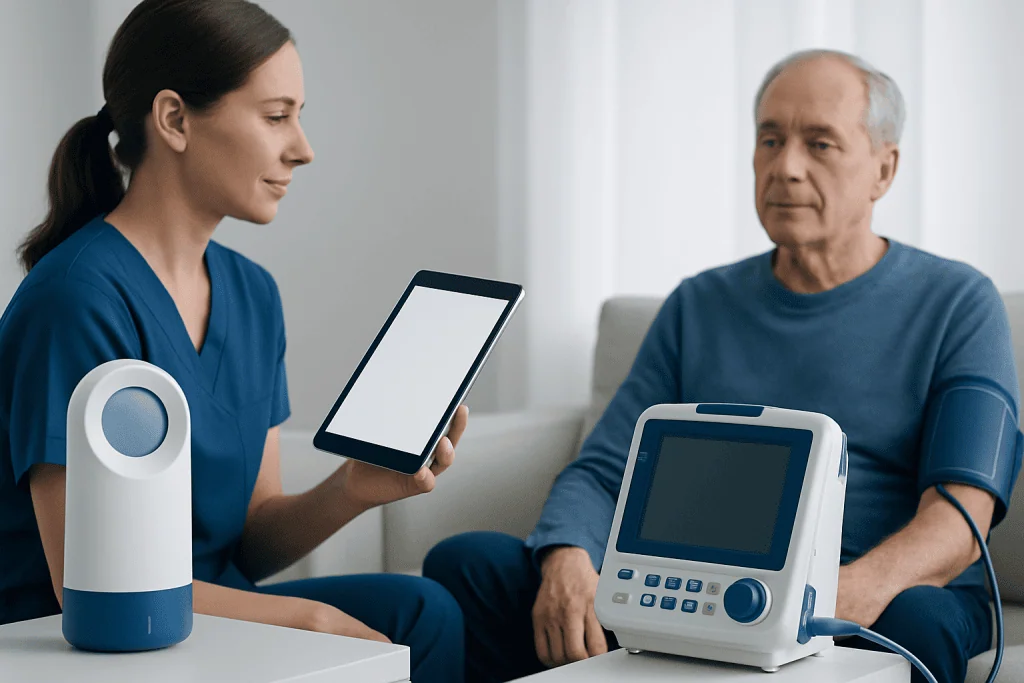
Several forms of future healthcare technology are already being used in home care. Telehealth allows patients to speak with doctors, nurses, physiotherapists, and other professionals by video or phone. This can be helpful for follow-up visits, medication reviews, symptom checks, and routine advice, especially when an in-person examination is not essential.
Remote patient monitoring is another major development. Devices used at home can track blood pressure, heart rate, blood sugar, oxygen levels, weight, sleep, or temperature and share this information with clinicians. For some patients, these tools can help identify early signs of worsening health before symptoms become severe.
Wearable technologies such as smartwatches, activity trackers, and medical-grade sensors also play a growing role. They may help monitor movement, detect irregular heart rhythms, measure activity levels, or support recovery goals. In some cases, smart medication dispensers, fall-detection systems, and voice-enabled assistants can make daily care routines easier and safer.
- Telehealth platforms for virtual consultations
- Remote monitoring devices for vital signs and chronic disease management
- Wearables that track activity, heart rate, or sleep
- Smart medication reminders and dispensers
- Home safety tools such as motion sensors and fall alerts
Benefits for patients, families, and caregivers
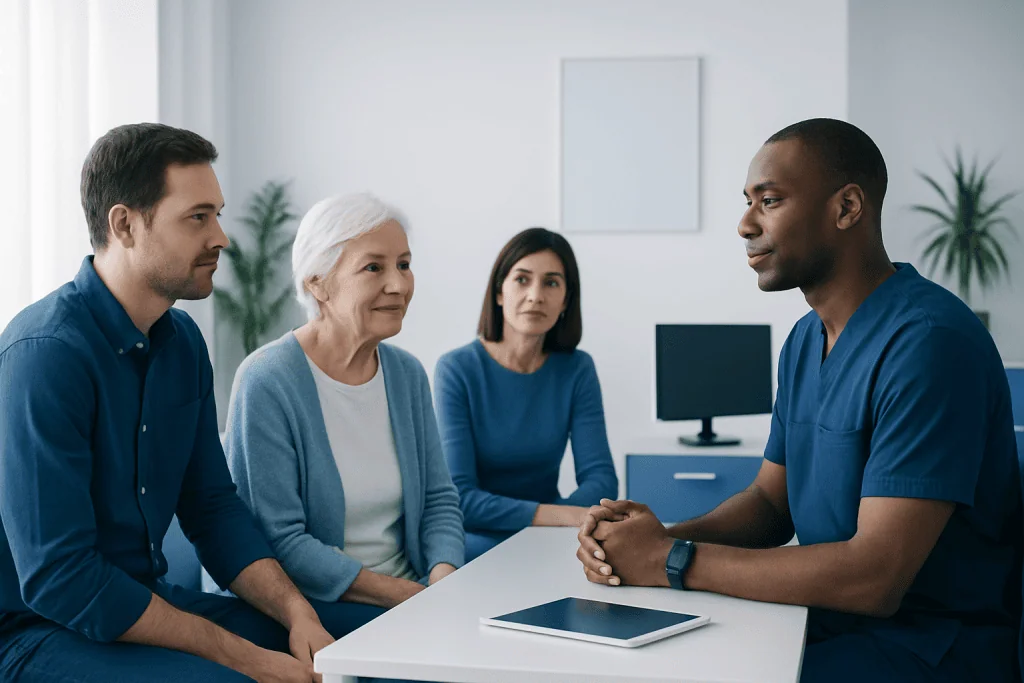
One of the main benefits of home care technology is convenience. Patients may be able to receive follow-up support without frequent travel, long waiting times, or disruption to work and family life. For people with limited mobility or those living far from medical centers, digital care can make healthcare more accessible.
Technology can also improve continuity of care. When health information is collected regularly, clinicians may see trends over time rather than relying only on occasional visits. This may support better management of conditions such as high blood pressure, diabetes, heart disease, and respiratory illness. It can also help guide recovery after illness or procedures by showing whether progress is on track.
Families and caregivers may feel more reassured when they can stay informed about a loved one’s care plan, appointments, and changing needs. Some systems can alert caregivers if a medication is missed or if unusual patterns suggest a possible problem. While these tools cannot remove all stress, they may make home care more organized and collaborative.
How technology supports chronic disease management
Many of the most valuable uses of future healthcare technology in home care involve chronic conditions. People living with diabetes may use connected glucose monitors and smartphone apps to track readings and share them with their healthcare team. Patients with high blood pressure can use validated home blood pressure monitors to support long-term management. Those living with respiratory conditions may benefit from home oxygen monitoring or digital tools that help track symptoms and inhaler use.
In heart care, remote monitoring can help patients and doctors watch for changes such as rising blood pressure, changes in pulse, or sudden weight gain that may suggest fluid retention. In rehabilitation, digital exercise guidance and virtual check-ins may support recovery and encourage adherence to treatment plans. For people with mobility concerns, smart home devices may improve safety and independence.
These technologies are most effective when they are part of a clear care plan. Patients need to know what is being monitored, how often to use the device, what the readings mean, and when to contact a professional. Home care tools can be helpful, but they should not be used to self-diagnose serious problems without medical advice.
In some situations, digital follow-up may complement specialist care in areas such as cardiology care, physical therapy and rehabilitation, or check-up and screening services, depending on a patient’s needs and the advice of their doctor.
Artificial intelligence, smart systems, and personalization
Artificial intelligence, often called AI, is becoming part of modern home care technology. AI systems can help organize health data, identify patterns, and support clinicians by highlighting changes that may need attention. For example, software may review trends from wearable devices or home monitoring systems and flag unexpected changes for follow-up.
Personalization is another important advance. Instead of giving every patient the same routine, digital systems can adapt reminders, educational content, and monitoring schedules to a person’s condition, age, goals, and preferences. This may improve engagement, especially for patients managing more than one health issue at the same time.
Smart home technology may also support daily living. Voice assistants can remind people to take medication, drink water, or attend a telehealth visit. Sensors placed in the home may help detect reduced movement, poor sleep, or unusual activity patterns. These tools may be especially helpful for frail adults or people needing regular support, although they should always be chosen with privacy, consent, and practicality in mind.
Limits, risks, and challenges to consider
Although home care technology offers many advantages, it also has limits. Not every health concern can be managed remotely. Some symptoms still need a physical examination, blood test, imaging, or urgent assessment in person. Digital tools are best understood as one part of care, not a complete replacement for traditional medical services.
Ease of use is another important issue. Some patients are comfortable using apps, wearables, and online portals, while others may find them confusing or stressful. Devices that are difficult to set up or understand may lead to frustration or inaccurate readings. Simple instructions, caregiver support, and training can make a significant difference.
Privacy and data security matter as well. Health information is sensitive, and patients should understand what data are collected, who can access them, and how they are stored. Reliable internet access and device cost may also affect whether a person can benefit from digital home care. For these reasons, healthcare teams usually consider medical need, home environment, and digital confidence before recommending specific technology.
Choosing the right home care technology
The best home care technology depends on the patient’s health goals and daily routine. A person recovering from surgery may benefit from virtual follow-up and digital rehabilitation guidance, while someone living with a chronic illness may need regular remote monitoring. For an older adult at risk of falls, safety sensors or emergency alert systems may be more useful than a complex mobile app.
Before using a new device or platform, it helps to ask practical questions. Is the device medically appropriate? Is it easy to use correctly? Will the results be reviewed by a healthcare professional? What should the patient do if a reading is abnormal? Clear answers can prevent misunderstanding and help patients use technology with confidence.
Patients and families may also want to think about support needs. Some people do well with independent digital tools, while others benefit from caregiver involvement. In larger care plans, technology can complement specialist evaluation in areas such as geriatrics or other services tailored to age-related and long-term health needs.
Near the end of the care journey, choosing technology should still come back to a simple question: does it make care safer, easier, or more meaningful for the patient? If the answer is yes, digital tools can be a valuable part of modern home healthcare.
The future of home care and when to seek professional advice
The future of home care will likely involve even more connected systems, better device accuracy, and smoother communication between home and hospital. As technology improves, patients may have access to more personalized support, earlier interventions, and care plans that fit more naturally into everyday life. This may be particularly helpful for people managing long-term conditions or recovering after treatment.
At the same time, medical advice remains essential. Patients should contact a qualified healthcare professional if symptoms are new, worsening, severe, or unclear, even if a home device appears normal. Technology can support observation, but it cannot fully replace clinical judgment, examination, and emergency care when needed.
When used thoughtfully, future healthcare technology can make home care more connected and patient-centered. For international patients who need coordinated evaluation or treatment, Acibadem International’s multidisciplinary specialists and JCI-accredited hospitals provide diagnosis, treatment, and follow-up support across a wide range of medical needs.
Frequently asked questions
What is future healthcare technology in home care?
Future healthcare technology in home care refers to digital tools that help deliver medical support at home. These may include telehealth visits, wearable devices, remote monitoring systems, smart medication reminders, and connected safety tools.
How does telehealth help patients at home?
Telehealth allows patients to speak with healthcare professionals by video or phone without always traveling to a clinic or hospital. It can be useful for follow-up appointments, symptom discussions, medication reviews, and general guidance when a physical examination is not urgently needed.
Can home monitoring devices replace doctor visits?
Home monitoring devices can support care, but they do not replace all doctor visits. Many conditions still require in-person examination, tests, or treatment, especially if symptoms are severe, changing quickly, or difficult to explain.
Who benefits most from home care technology?
Home care technology may be especially helpful for older adults, people with chronic conditions, patients recovering after treatment, and those with limited mobility. It can also support family caregivers by improving communication and helping them stay informed about daily care needs.
Are wearable health devices accurate?
Some wearable devices provide useful health information, but accuracy can vary depending on the device and what it measures. Medical-grade devices and clinician-recommended tools are generally more reliable for healthcare decisions than general wellness gadgets.
What are the main risks or drawbacks of home healthcare technology?
Common concerns include privacy, data security, cost, internet access, and difficulty using devices correctly. Technology may also create false reassurance if people rely on it instead of seeking medical help for concerning symptoms.
References
- World Health Organization
- Centers for Disease Control and Prevention
- National Institute on Aging
- National Health Service
- U.S. Food and Drug Administration
This article is for general information only and is not a substitute for professional medical advice. Please consult a qualified doctor about your individual situation.
Explore treatments in Turkey — costs, top hospitals & a free quote
JCI-accredited · board-certified surgeons · reply within 24h
Add us as a Preferred Source to see more of our trusted health content across Google Search, AI Overviews and Discover.
Check your numbers in seconds
BMI, calories, due date, blood pressure and 30+ more clinical calculators — free, instant, doctor-reviewed ranges.