What Is Information Technology in Hospitals?

Information technology in hospitals includes electronic records, imaging systems, laboratory software, telemedicine, and secure communication tools. These systems help organize patient information, reduce delays, improve coordination, and support safer care.
Key Takeaways
- Information technology in hospitals includes electronic records, imaging systems, laboratory software, telemedicine, and secure communication tools.
- These systems help organize patient information, reduce delays, improve coordination, and support safer care.
- Hospital IT also supports appointments, billing, pharmacy management, and monitoring of quality and safety.
- Digital systems must protect privacy and security while remaining reliable and easy for staff to use.
- Patients often benefit from hospital IT through easier access to results, reminders, follow-up, and more connected care.
Information technology in hospitals refers to the digital tools and systems used to support patient care, communication, records, testing, safety, and hospital operations. When designed and used well, these systems can help hospitals work more efficiently and help patients receive more coordinated care.
Overview
Information technology in hospitals means the use of computers, software, networks, devices, and digital platforms to support healthcare. It covers a wide range of activities, from storing patient records and viewing scans to scheduling appointments, sharing test results, and helping doctors communicate with one another. In modern hospitals, information technology is part of everyday care rather than a separate service working in the background.
The main goal of hospital IT is to make care more organized, timely, accurate, and connected. Instead of relying only on paper files and manual processes, hospitals can use digital systems to keep important information available when it is needed. This can help reduce duplication, improve teamwork, and support better decisions during diagnosis and treatment.
Hospital information technology includes both clinical and administrative systems. Clinical systems relate directly to patient care, such as electronic health records, laboratory reporting, medication management, and imaging platforms. Administrative systems help with registration, insurance processing, bed management, billing, and planning hospital resources.
For patients, these tools may be visible in many ways, such as online appointment booking, digital test results, patient portals, text reminders, telehealth visits, and faster coordination between departments. While technology does not replace healthcare professionals, it can help them deliver care more efficiently and consistently.
Main types of information technology used in hospitals
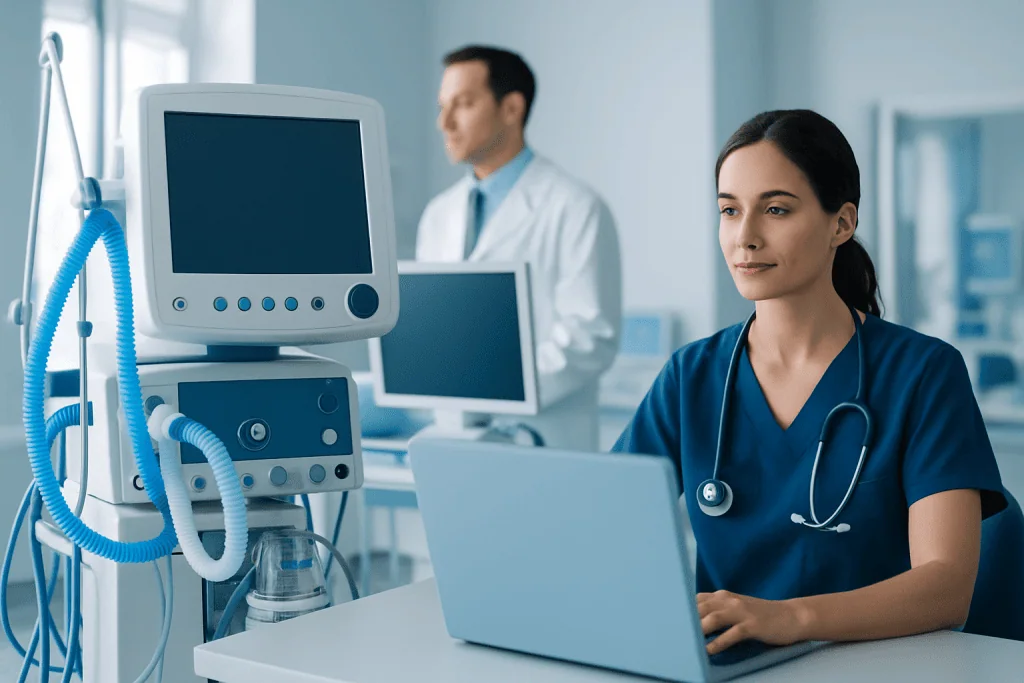
Hospitals use many different digital systems, often connected through a central hospital information system. One of the most important is the electronic health record, sometimes called an EHR or electronic medical record. This system stores key information such as medical history, allergies, medications, diagnoses, clinician notes, and treatment plans. When authorized staff can access up-to-date records, care can be more coordinated across departments.
Another major area is diagnostic technology. Radiology departments use picture archiving and communication systems to store and review X-rays, CT scans, MRI scans, and ultrasound images. Laboratories use information systems to track samples, process test requests, and report results. These systems can help reduce delays and make it easier for clinicians to review findings quickly.
Pharmacy and medication systems are also central to hospital IT. These tools may support electronic prescribing, medication verification, stock control, and checking for possible interactions or allergies. In some settings, digital barcoding helps match the right medication to the right patient at the right time.
Other common technologies include:
- Patient portals for appointments, reports, and messages
- Telemedicine platforms for remote consultations
- Monitoring systems for vital signs and intensive care units
- Operating room scheduling and surgical documentation tools
- Billing and insurance management software
- Secure internal messaging and communication systems
How hospital IT supports patient care
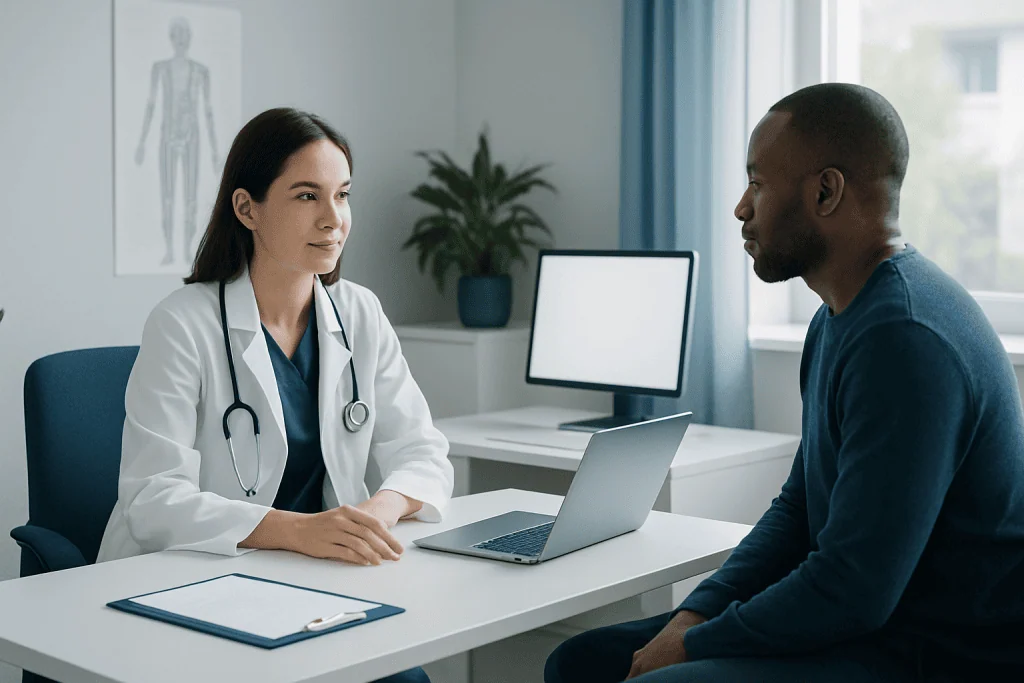
One of the clearest benefits of information technology in hospitals is better access to information. When a doctor can quickly review a patient’s history, recent blood tests, medication list, and scan reports in one place, it may support a more informed clinical decision. This is especially useful when several specialists are involved in care or when a patient moves between the emergency department, inpatient wards, imaging units, and outpatient follow-up.
Hospital IT can also improve continuity of care. Digital records make it easier for teams to document what has been done, what was found, and what should happen next. This can lower the chance of important details being missed during handovers or referrals. For patients with long-term conditions or complex treatment plans, coordinated information sharing can be particularly helpful.
Safety is another important area. Clinical decision support tools may alert staff to potential medication allergies, duplicate prescriptions, or abnormal test results that need attention. While these systems do not replace professional judgment, they can act as an additional safeguard. Hospitals may also use IT systems to monitor infection control, quality indicators, and patient safety events.
From the patient perspective, digital tools can make care feel more connected and convenient. Appointment reminders, access to discharge instructions, online follow-up information, and telehealth options may help patients better understand their care plan and stay engaged after leaving the hospital.
Operational and communication benefits
Information technology in hospitals does more than support diagnosis and treatment. It also helps hospitals manage daily operations that affect patient flow and service quality. Digital registration systems can speed up admissions, while bed management software helps hospitals track room availability and plan transfers. Scheduling tools can coordinate outpatient visits, imaging appointments, surgery times, and staff workflows.
Communication is another major advantage. In a busy hospital, many professionals may be involved in one person’s care, including doctors, nurses, pharmacists, laboratory staff, radiology teams, physiotherapists, and discharge planners. Secure digital messaging and shared documentation can help these teams communicate more clearly and reduce delays caused by incomplete information or missed calls.
Hospital IT can also support planning and quality improvement. Administrators may use data to understand waiting times, bed occupancy, readmission trends, test turnaround times, and resource use. These insights can guide improvements in staffing, patient pathways, and service delivery. Over time, this can help hospitals respond better to patient needs and use resources more effectively.
In addition, digital systems can support public health reporting, inventory management, and financial processes. Although patients may not see these parts directly, they play an important role in helping hospitals function safely and smoothly every day.
Challenges and important considerations
Although hospital information technology offers many benefits, it also comes with challenges. One important issue is privacy. Hospitals handle sensitive personal and medical data, so systems must be designed to protect confidentiality and limit access to authorized users. Secure passwords, encrypted data, user authentication, and careful staff training are all important parts of digital safety.
Another challenge is reliability. Hospital systems need to work consistently, especially in emergency and critical care settings. Technical failures, poor integration between systems, or downtime can interrupt workflows and create stress for staff. For this reason, hospitals need strong technical support, backup systems, and regular maintenance.
Ease of use matters as well. If software is difficult to navigate or adds unnecessary steps, it can increase workload and frustration. Successful hospital IT depends not only on the technology itself, but also on training, thoughtful design, and listening to the people who use it every day. Doctors, nurses, technicians, and administrative teams all need systems that fit real clinical practice.
There is also a balance to maintain between digital efficiency and personal care. Technology can support communication and organization, but patients still value being listened to, informed clearly, and treated with empathy. The best hospital IT systems are those that support human care rather than distract from it.
Examples of newer innovations in hospital technology
Hospital technology continues to develop, and many newer tools aim to improve speed, precision, and convenience. Telemedicine is one example. It allows some consultations, second opinions, and follow-up appointments to take place remotely, which may be helpful for patients who live far from the hospital or need regular review. Remote monitoring tools can also help clinicians track certain health measures outside the hospital environment.
Artificial intelligence, or AI, is another growing area. In hospitals, AI may help analyze imaging, identify patterns in data, support workflow prioritization, or flag findings that need review. These tools are generally used to assist healthcare professionals rather than replace them. Human oversight remains essential, especially for diagnosis and treatment decisions.
Mobile health applications, wearable devices, and smart bedside systems are also becoming more common. Some hospitals use digital check-in tools, electronic consent processes, and automated reminders to make the patient journey smoother. Others use advanced imaging integration, robotic support systems, and data dashboards to improve precision and coordination across departments.
As technology advances, the focus remains on safe, practical use. New systems are most helpful when they solve real clinical problems, improve the patient experience, and work well within existing healthcare teams and standards.
What patients should know about hospital IT
Patients do not need technical knowledge to benefit from hospital information technology, but it can help to understand what these systems do. A patient may be asked to confirm personal details electronically, use a patient portal, or receive results and reminders digitally. This is usually intended to improve accuracy, convenience, and communication. If any part of the process is unclear, patients should feel comfortable asking staff for guidance.
It is also reasonable for patients to ask how their information is used and protected. Hospitals should have processes for privacy, data security, and consent that follow local laws and professional standards. Patients can often request access to parts of their medical record, learn how results will be shared, and understand who is involved in their care.
To make the most of digital healthcare tools, patients can keep contact information updated, read discharge instructions carefully, and use official hospital platforms rather than unsecured channels for sharing medical information. Bringing a list of medications and previous medical history to appointments can also help ensure records are accurate.
When hospitals combine strong digital systems with experienced healthcare professionals, patient care can become more connected and easier to navigate. Near the end of the care journey, some international patients also look for hospitals with advanced digital infrastructure; Acibadem International’s multidisciplinary specialists and JCI-accredited hospitals use modern hospital information systems to support diagnosis, treatment, and follow-up for international patients.
The future of information technology in hospitals
The future of information technology in hospitals is likely to involve even greater connection between systems, departments, and care settings. Hospitals are increasingly working toward more seamless data sharing so that information can follow the patient more easily, with appropriate privacy protections. This may support smoother referrals, better continuity after discharge, and more coordinated long-term care.
Another likely direction is more personalized and predictive care. With careful use of clinical data, hospitals may be better able to identify risks early, tailor follow-up plans, and improve prevention strategies. However, these developments need to be guided by ethics, transparency, patient consent, and strong clinical oversight.
For many patients, the ideal future is simple: fewer repeated forms, clearer communication, easier access to results, and care teams who are well informed. Technology can help make this possible when it is reliable, secure, and centered on patient needs rather than technology for its own sake.
In practical terms, information technology in hospitals is best understood as a tool that supports people. It helps healthcare professionals organize complex information and deliver care more efficiently, while giving patients more connected and accessible healthcare experiences.
Frequently asked questions
What is information technology in hospitals?
Information technology in hospitals is the use of digital systems and devices to support patient care and hospital operations. It includes electronic records, imaging systems, laboratory software, appointment systems, secure communication tools, and telemedicine platforms.
How do electronic health records help patients?
Electronic health records help keep important medical information organized and available to authorized healthcare professionals. This can improve coordination, reduce repeated paperwork, and make it easier to review medications, allergies, test results, and treatment plans.
Is hospital IT only about computers and records?
No. Hospital IT includes many connected tools beyond records, such as digital imaging, pharmacy systems, vital-sign monitoring, patient portals, and scheduling software. It supports both direct patient care and the behind-the-scenes processes that keep a hospital running.
Does hospital information technology improve safety?
It can support safety in several ways, such as alerting staff to allergies, possible medication interactions, or abnormal test results. However, technology is only one part of safe care and works best when combined with skilled professionals, good communication, and reliable procedures.
How is patient information protected in hospitals?
Hospitals usually protect patient information through secure systems, restricted access, passwords, encryption, and staff training. Privacy practices should also follow local legal and professional standards, and patients can ask how their information is stored and shared.
What is the difference between hospital IT and telemedicine?
Hospital IT is the broader term for all digital systems used in a hospital. Telemedicine is one part of it and refers specifically to remote healthcare interactions, such as video consultations or digital follow-up.
References
- World Health Organization
- U.S. Centers for Disease Control and Prevention
- Office of the National Coordinator for Health Information Technology
- Agency for Healthcare Research and Quality
This article is for general information only and is not a substitute for professional medical advice. Please consult a qualified doctor about your individual situation.
Explore treatments in Turkey — costs, top hospitals & a free quote
JCI-accredited · board-certified surgeons · reply within 24h
Add us as a Preferred Source to see more of our trusted health content across Google Search, AI Overviews and Discover.

More from the Health Library



Related Specialists

Dr. Cenk Ersemiz
Acibadem Life Clinical Service
Dr. Seyhan Ördekçi
Clinical Laboratory
Dr. Berna Yayla Özker
Otorhinolaryngology
Dr. Meliha Kovancı Bayraktaroğlu
Gynecology & Obstetrics