

Kidney Transplant Surgery: Step-by-Step Procedure and What to Expect

Kidney transplant surgery places a healthy donor kidney in the lower abdomen, while the patient’s own kidneys usually remain in place. A transplant evaluation includes blood tests, imaging, heart checks, and screening for infections and other medical conditions.
Key Takeaways
- Kidney transplant surgery places a healthy donor kidney in the lower abdomen, while the patient’s own kidneys usually remain in place.
- A transplant evaluation includes blood tests, imaging, heart checks, and screening for infections and other medical conditions.
- After surgery, lifelong anti-rejection medicines and regular follow-up are essential to protect the new kidney.
- Recovery usually involves a hospital stay, activity limits at first, and close monitoring for signs of rejection or infection.
- Not everyone is a transplant candidate, but for many people with kidney failure, transplantation can offer better long-term quality of life than dialysis.
Kidney transplant surgery is an operation that places a healthy donor kidney into a person whose kidneys no longer work well enough. Understanding each step of the process can help patients and families prepare for surgery, recovery, and long-term follow-up.
Overview of Kidney Transplant Surgery
Kidney transplant surgery is a procedure in which a healthy kidney from a living or deceased donor is placed into a person with advanced kidney failure. The transplanted kidney takes over the work of filtering waste, balancing fluids, and helping regulate blood pressure and other body functions. For many suitable patients, transplantation can be an important treatment option alongside or instead of dialysis.
The operation does not usually involve removing the patient’s own kidneys. In most cases, the new kidney is placed in the lower abdomen and connected to nearby blood vessels and the bladder. This approach is commonly used because it allows the surgeon to place the donor kidney safely and efficiently.
Kidney transplantation is not simply a single operation. It is a process that begins with careful testing and planning, continues through surgery, and requires lifelong follow-up afterward. Patients often benefit from learning how transplantation fits into the broader management of kidney failure and advanced chronic kidney disease.
Who May Need a Kidney Transplant
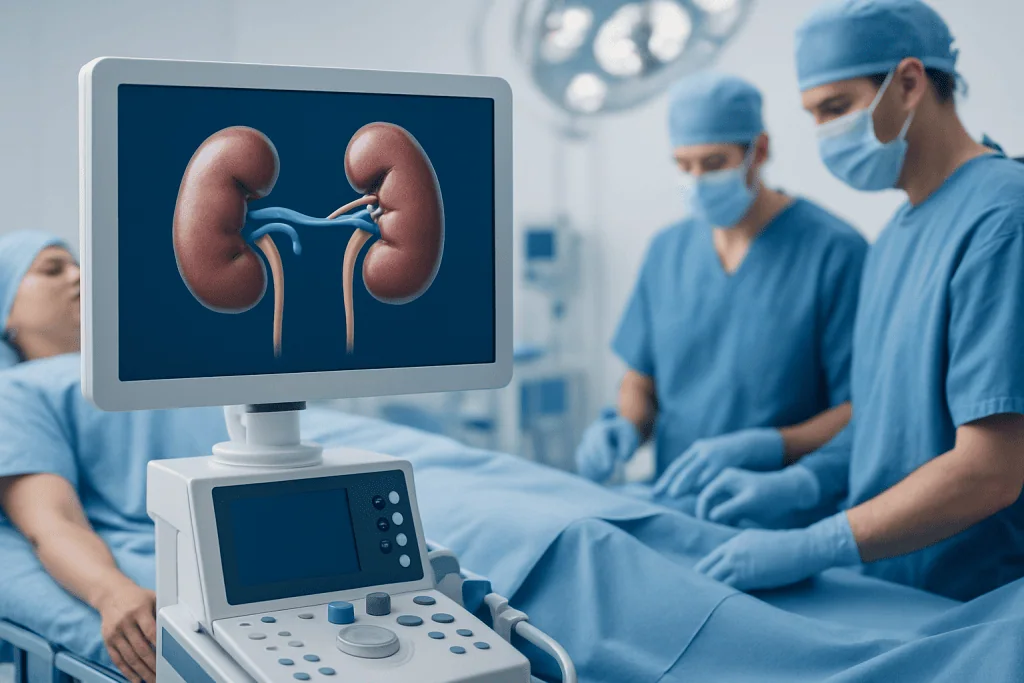
A kidney transplant may be considered for people with end-stage kidney disease or severe chronic kidney disease when the kidneys can no longer meet the body’s needs. Common causes include diabetes, high blood pressure, inherited kidney conditions, some autoimmune diseases, and long-term damage from other illnesses.
Not everyone with kidney disease is automatically a candidate for transplantation. Doctors consider overall health, heart and lung function, active infections, cancer history, and whether the patient can safely take anti-rejection medicines after surgery. Emotional readiness, social support, and the ability to attend regular follow-up appointments are also important.
Some patients receive a transplant after starting dialysis, while others may have a pre-emptive transplant before dialysis becomes necessary. When appropriate, this can reduce time spent on dialysis and may support better long-term outcomes. A transplant team helps decide whether kidney transplant is suitable for the individual patient.
Pre-Transplant Evaluation and Preparation

Before surgery, the patient undergoes a detailed transplant evaluation. This often includes blood and urine tests, tissue typing, blood group matching, chest imaging, heart assessment, and screening for infections such as hepatitis and tuberculosis when relevant. Doctors may also evaluate dental health and other potential infection sources because untreated infections can become more serious after transplant.
A major part of preparation is checking donor-recipient compatibility. The transplant team looks at blood type, immune system markers, and crossmatch testing to reduce the risk that the body will reject the donor kidney. In living donor transplantation, both donor and recipient are assessed carefully to protect the health and safety of both people.
Patients also meet different specialists, such as nephrologists, transplant surgeons, anesthesiologists, dietitians, pharmacists, and coordinators. These discussions help patients understand the benefits, limitations, and possible complications of surgery. Education before the procedure often includes medicine schedules, wound care, dietary guidance, and what to expect during organ transplantation follow-up.
Preparation may also involve staying up to date with vaccinations, improving nutrition, stopping smoking, and controlling conditions such as diabetes or high blood pressure as well as possible. These steps can help lower surgical risks and support smoother recovery.
Step-by-Step: How the Procedure Is Performed
On the day of surgery, the patient is admitted to the hospital and prepared for general anesthesia, meaning they will be asleep during the operation. The surgical team reviews the medical plan, confirms donor and recipient information, and places intravenous lines and monitoring equipment. Antibiotics and other medicines may be given before the procedure begins.
Once anesthesia has started, the surgeon makes an incision in the lower abdomen, usually on one side. The donor kidney is carefully positioned in this area rather than in the usual location of the original kidneys. The surgeon then connects the donor kidney’s artery and vein to the patient’s blood vessels so blood can flow through the new organ.
Next, the ureter, which is the tube that drains urine from the kidney, is connected to the bladder. In some cases, a temporary stent is placed to help this connection heal well. After the blood supply is restored, the surgical team checks that the kidney looks healthy and that bleeding is controlled before closing the incision.
The operation length can vary depending on the patient’s anatomy, previous surgeries, and whether the transplant is from a living or deceased donor. After surgery, the patient is moved to a recovery area or monitored closely in a specialized unit. Some kidneys begin making urine right away, while others may take time to start working fully.
Recovery in the Hospital and at Home
After kidney transplant surgery, hospital recovery focuses on pain control, fluid balance, wound healing, and monitoring how well the new kidney is functioning. Blood tests are done frequently to measure creatinine, electrolytes, blood counts, and levels of anti-rejection medicines. Nurses and doctors also watch for bleeding, infection, blood clots, or problems with urine flow.
Most patients are encouraged to start moving gently as soon as it is safe, often within a day or two. Early movement can help reduce the risk of complications such as clots and chest infections. Eating and drinking are reintroduced gradually, depending on how the patient feels and how the body is recovering.
Going home does not mean recovery is complete. For the first weeks and months, patients usually have many follow-up visits and lab tests. The transplant team adjusts medicines carefully because the balance must be strong enough to prevent rejection but not so strong that it creates unnecessary side effects.
At home, patients are advised to protect the incision, avoid heavy lifting until cleared by the surgeon, follow food safety guidance, and take medicines exactly as prescribed. If dialysis had been needed before surgery, the care plan may change quickly after a successful transplant, though some patients may still need temporary dialysis if the new kidney is slow to start working.
Medicines, Risks, and Long-Term Follow-Up
After transplant, lifelong immunosuppressive medicines are needed to reduce the chance of rejection. These medicines help the immune system accept the donor kidney, but they can also increase the risk of infections and some other side effects. Because of this, regular blood tests and close communication with the transplant team are essential.
Possible early complications include bleeding, infection, delayed graft function, urine leak, blood vessel problems, and rejection. Rejection can happen even when patients feel well, which is why routine follow-up is so important. Doctors may investigate changes in kidney function with blood tests, imaging, or sometimes a biopsy.
Long-term care also includes managing blood pressure, blood sugar, cholesterol, bone health, and weight. Some patients develop medication-related complications over time, so treatment plans may need adjustments. Many people also continue care related to nephrology and chronic kidney disease prevention even after successful transplantation.
With careful monitoring, many transplant recipients return to work, study, travel, and daily life. Near the end of the care journey, some patients may choose centers such as Acibadem International, where multidisciplinary specialists in JCI-accredited hospitals diagnose and treat transplant conditions for international patients.
Self-Care, Prevention of Complications, and When to Seek Medical Help
There is no guaranteed way to prevent every transplant complication, but good self-care can lower risk. Patients are usually advised to wash hands regularly, avoid close contact with people who have active infections, attend all appointments, and never stop anti-rejection medicines unless their doctor specifically instructs them to do so. A balanced diet, adequate hydration, and safe physical activity also support recovery.
Sun protection is often recommended because some immunosuppressive medicines can increase skin cancer risk over time. Patients may also need to avoid certain over-the-counter medicines or herbal products that can affect kidney function or interact with transplant medicines. The transplant team should be informed before any new medication is started.
Medical advice should be sought promptly for fever, reduced urine output, sudden weight gain, increasing swelling, shortness of breath, severe vomiting, pain over the transplant area, redness or drainage from the wound, or a general sense that something is not right. These symptoms do not always mean there is a serious problem, but they do need timely assessment.
Ongoing health maintenance matters too. This includes blood pressure checks, diabetes management, vaccination review, and monitoring for conditions that can affect the new kidney. Continued attention to overall kidney health can help protect the transplant for as long as possible.
Frequently asked questions
How long does kidney transplant surgery take?
The operation often takes several hours, but the exact time varies from one patient to another. Factors such as previous surgeries, anatomy, and the donor situation can affect how long the procedure lasts.
Are the patient’s own kidneys removed during a kidney transplant?
Usually, no. In most cases, the original kidneys remain in place unless they are causing specific problems such as severe infection, uncontrolled high blood pressure, pain, or very large size.
How long is the hospital stay after a kidney transplant?
The hospital stay varies depending on recovery and how quickly the new kidney begins working. Many patients stay several days to about a week, but some may need longer monitoring if complications occur or kidney function is delayed.
What are the signs of kidney transplant rejection?
Rejection may cause fever, reduced urine, swelling, high blood pressure, pain near the transplant, or a rise in blood test markers such as creatinine. However, rejection can sometimes happen without obvious symptoms, which is why routine follow-up and blood tests are so important.
Will a patient need medicines for life after a kidney transplant?
Yes, anti-rejection medicines are usually needed for life to help protect the transplanted kidney. The exact combination may change over time, but stopping them without medical guidance can put the transplant at serious risk.
Can a kidney transplant cure kidney disease?
A transplant can restore kidney function and greatly improve daily life, but it is not always considered a complete cure for the underlying disease. Some original kidney diseases can still affect the transplanted kidney, so long-term medical follow-up remains necessary.
References
- National Institute of Diabetes and Digestive and Kidney Diseases
- National Kidney Foundation
- American Society of Transplantation
- NHS
- Kidney Disease: Improving Global Outcomes
This article is for general information only and is not a substitute for professional medical advice. Please consult a qualified doctor about your individual situation.
Kidney Transplant in Turkey — costs, top hospitals & a free quote
JCI-accredited · board-certified surgeons · reply within 24h
Add us as a Preferred Source to see more of our trusted health content across Google Search, AI Overviews and Discover.
Check your numbers in seconds
BMI, calories, due date, blood pressure and 30+ more clinical calculators — free, instant, doctor-reviewed ranges.

Organ Transplantation
Kidney, liver and bone-marrow transplantation programs with dedicated coordination.
4 specialists in this unitMore from the Health Library



Related Specialists

Prof. Dr. Başak Oyan Uluç
Medical Oncology
Dr. Sertaç Esin
Acibadem Life Clinical Service
Dr. Ioseb Gabunia
Inpatient Clinic Physicians Clinical Service
Prof. Dr. Umut Akgün
Orthopedic Surgery & Traumatology