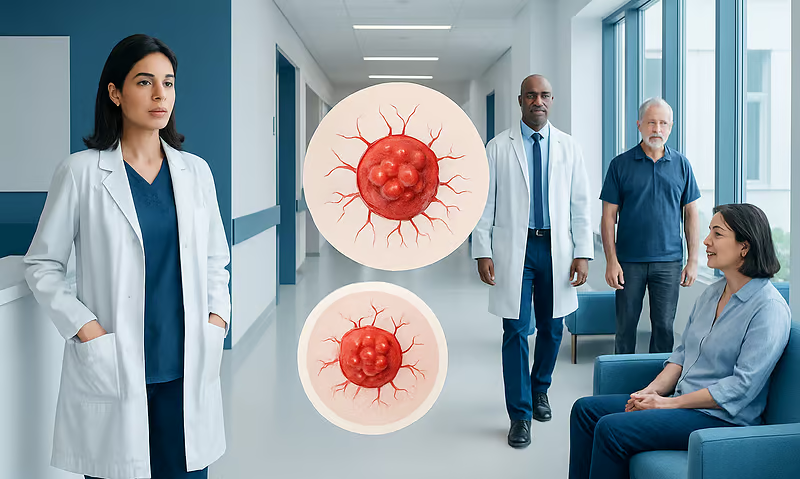
Laser Hair Treatment: How Long Results Last and What Affects Them
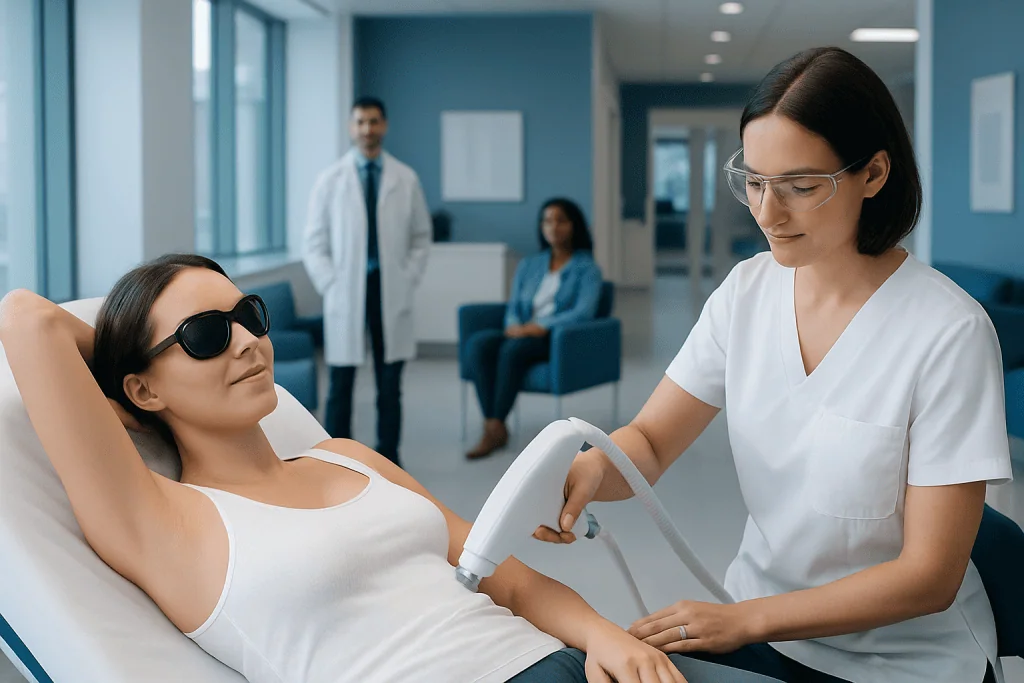
Laser hair treatment usually provides long-term hair reduction rather than permanent removal of every hair. Most people need a series of sessions because hair grows in cycles and not all follicles can be treated at once.
Key Takeaways
- Laser hair treatment usually provides long-term hair reduction rather than permanent removal of every hair.
- Most people need a series of sessions because hair grows in cycles and not all follicles can be treated at once.
- Results often last months to years, and occasional maintenance sessions may help sustain smoother skin.
- Hair color, skin tone, hormones, body area, and treatment quality all affect how long results last.
- Professional assessment helps choose the safest laser type and treatment plan for each skin and hair profile.
Laser hair treatment is designed to reduce unwanted hair over time by targeting hair follicles during active growth. Results are often long-lasting, but the duration can vary depending on hair type, skin tone, hormones, body area, and whether maintenance sessions are needed.
Overview: What Laser Hair Treatment Does
Laser hair treatment is a medical-aesthetic procedure used to reduce unwanted hair on areas such as the face, underarms, legs, bikini line, chest, and back. It works by sending concentrated light into the hair follicle. The pigment in the hair absorbs this light, which heats the follicle and reduces its ability to grow new hair.
It is important to understand that laser hair treatment usually means long-term hair reduction, not guaranteed permanent removal of every single hair. Many people notice that hair grows back more slowly, becomes finer, and appears lighter after a full course of treatment. Some follicles may stop producing visible hair for a long time, while others may recover over time.
Because hair grows in different phases, one session cannot treat all follicles equally. A treatment plan usually includes multiple appointments spaced over several weeks. This schedule helps target hairs when they are in the active growth phase, when the laser is most effective.
How Long Results Usually Last
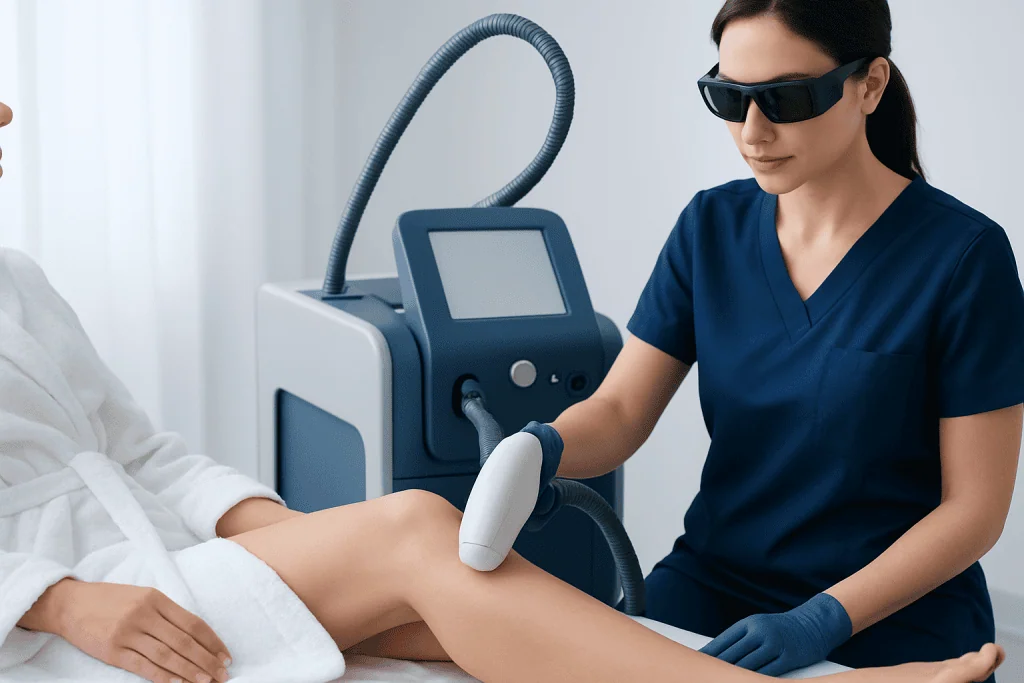
For many people, laser hair treatment results can last for months or even years after the initial series of sessions is completed. The treated area often remains smoother than before, and any regrowth is commonly less dense and less coarse. However, the exact duration varies from person to person.
Some people need only occasional touch-up sessions after completing their first course, while others notice gradual regrowth sooner. This does not necessarily mean the treatment failed. Hair follicles can be influenced by age, hormones, genetics, and changes in health, so new or reactivated growth may happen over time.
Body area also matters. Underarm and lower leg hair often responds well and may stay reduced longer, while hormonal areas such as the face may require more frequent maintenance. In practical terms, laser hair treatment is best viewed as a long-lasting management option that can significantly reduce hair growth and the need for shaving or waxing.
What Affects How Long Laser Hair Treatment Lasts

Several factors influence how durable the results will be. One of the most important is the contrast between hair color and skin tone. Darker hair contains more pigment, so it tends to absorb laser energy more effectively. Very light blond, gray, white, or red hair may respond less well because there is less pigment for the laser to target.
Hormones can also play a major role. Conditions that increase androgen activity, as well as natural hormonal changes related to puberty, pregnancy, or menopause, may encourage new hair growth. This is one reason facial hair or hair on the chin and neck may be more persistent. In some cases, an evaluation for an underlying issue such as polycystic ovary syndrome may be appropriate if hair growth is sudden, excessive, or associated with irregular periods or acne.
The treated body area, the type of laser used, and the skill of the provider also affect results. Modern systems are chosen based on skin tone and hair characteristics to improve both safety and effectiveness. Following the recommended schedule matters as well, because missed or widely delayed sessions can reduce overall benefit.
- Darker, coarser hair usually responds better than very light or fine hair.
- Hormonal areas, especially the face, may need more maintenance.
- Multiple sessions are necessary because hairs are not all in the same growth phase.
- Professional laser selection is important for different skin tones.
Who Is a Good Candidate and What to Expect Before Treatment
A good candidate for laser hair treatment is someone seeking long-term reduction of unwanted hair and who understands that several sessions are usually required. A consultation helps determine whether the hair and skin combination is suitable and whether a different approach may be more effective for certain areas.
Before treatment, the clinician reviews medical history, skin sensitivity, tanning habits, medications, and any history of scarring or pigment changes. Recent sun exposure and some photosensitizing medicines can increase the chance of side effects, so timing and preparation are important. The area is usually shaved shortly before treatment, while waxing or plucking is generally avoided because the follicle needs to be present for the laser to target it.
People considering a broader laser hair removal plan may be advised to avoid self-tanners, limit direct sun, and use skincare products gently before and after sessions. These steps support safer treatment and may improve consistency of results.
Treatment Sessions, Recovery, and Maintenance
During a session, the laser device is applied to the skin in repeated pulses. Sensation is often described as warmth or a brief snapping feeling. Many modern devices include cooling features to improve comfort. Session length depends on the treatment area, with small areas taking only a short time and larger areas requiring longer appointments.
After treatment, mild redness or slight swelling around hair follicles is common and often settles within hours to a couple of days. Sun protection is especially important, as treated skin can be more sensitive. Most people can return to normal activities quickly, although harsh exfoliation, hot baths, or intense heat exposure may be postponed briefly if the skin feels irritated.
Maintenance is a normal part of long-term planning. Even after successful treatment, some follicles may recover and new follicles can become active. Periodic touch-up sessions help preserve results. For people exploring other skin-smoothing options, a clinician may also discuss related care such as chemical peel treatments for texture or pigmentation concerns when appropriate, although these address different goals.
Possible Side Effects and Safety Considerations
Laser hair treatment is generally safe when performed by qualified professionals using appropriate technology for the person’s skin and hair type. Common short-term effects include redness, mild swelling, or temporary skin sensitivity. These reactions are usually limited and improve without lasting problems.
Less common risks include changes in skin color, blistering, crusting, or irritation, especially if the skin has been recently tanned or aftercare instructions are not followed. People with darker skin can often still be treated safely, but the laser settings and device choice must be carefully selected to reduce the risk of pigment changes.
Anyone with a history of frequent skin reactions, active skin infection, suspicious moles in the treatment area, or a known skin condition should mention this during assessment. In some cases, a dermatologist may be involved, especially if there are concerns related to sensitive skin or conditions within dermatology care.
When to Seek Medical Advice
Medical advice is helpful before starting laser hair treatment if a person has very sensitive skin, a history of <a href="https://acibademinternational.com/diseases/keloid-scars/”>keloid scars, active acne or rash in the area, or unexpected excess hair growth. A doctor can also help if there are signs that hormones may be contributing to the problem, such as irregular menstrual cycles, sudden weight changes, or hair growth in a typically male-pattern distribution.
After treatment, a clinician should be contacted if there is severe pain, blistering, signs of infection, or persistent pigment change. These issues are not common, but early advice can help protect the skin and support proper healing.
For international patients seeking specialist care, Acibadem International’s multidisciplinary teams in JCI-accredited hospitals evaluate and treat suitable candidates for laser-based skin and hair procedures. A professional consultation can clarify expected results, the likely need for maintenance, and the safest plan for each individual.
Frequently asked questions
Is laser hair treatment permanent?
Laser hair treatment is best described as long-term hair reduction rather than complete permanent removal of every hair. Many follicles are damaged enough to reduce growth for a long time, but some hair may return and maintenance sessions are often helpful.
How many sessions are usually needed?
Most people need several sessions because hair grows in cycles and only some follicles are treatable at each visit. The exact number depends on the area being treated, hair thickness, hormonal factors, and how the hair responds over time.
Why does hair sometimes grow back after laser treatment?
Regrowth can happen because some follicles were not in the right growth phase during treatment, while others may recover later. Hormonal changes, age, genetics, and certain medical conditions can also stimulate new hair growth.
Does laser hair treatment work on all hair colors?
It usually works best on darker hair because the laser targets pigment in the follicle. Very light blond, gray, white, and some red hairs may respond less effectively, so a consultation is important to discuss realistic expectations.
Is laser hair treatment safe for darker skin tones?
Yes, it can be safe for darker skin tones when the right laser type and settings are used by experienced professionals. Careful assessment is important to lower the risk of burns or temporary pigment changes.
What should be avoided before and after treatment?
People are usually advised to avoid tanning, excessive sun exposure, waxing, and plucking before treatment. After treatment, gentle skincare and good sun protection are important while the skin settles.
References
- American Academy of Dermatology
- British Association of Dermatologists
- Mayo Clinic
- National Health Service
- U.S. Food and Drug Administration
This article is for general information only and is not a substitute for professional medical advice. Please consult a qualified doctor about your individual situation.
Hair transplant in Turkey — costs, graft counts & a free assessment
JCI-accredited · board-certified surgeons · reply within 24h
Add us as a Preferred Source to see more of our trusted health content across Google Search, AI Overviews and Discover.