

What Is Included in a Cataract Surgery Package in Turkey?

A cataract surgery package in Turkey typically includes evaluation, surgery, lens planning, hospital care, and follow-up; travel items vary by package.
This guide explains what is commonly included in a cataract surgery package in Turkey, what may be charged separately, and how to plan your treatment journey as an international patient. You will also learn about candidacy, recovery, travel timing, and the support available through Acibadem International.
At a glance
- Procedure type: Ophthalmic surgery, usually planned and short-stay
- Purpose: To remove a cloudy natural lens and improve vision with an artificial intraocular lens
- Anesthesia: Usually local anesthesia with sedation if needed
- Hospital stay: Commonly same day; some patients may stay for observation depending on their condition
- Estimated recovery: Early recovery in days, with vision settling over several weeks
- Return to daily life: Often within a few days, depending on your healing and the surgeon’s advice
- Final result timeline: Initial improvement is often quick, while full stabilization may take several weeks
- Suitable department: Ophthalmology
- International patient support: Interpreter services, airport-hotel-hospital transfer coordination, accommodation guidance, and remote follow-up support
What is this treatment?
Cataract surgery is an eye operation used to treat a cataract, which is a clouding of your natural lens. During the procedure, the cloudy lens is removed and replaced with a clear artificial lens called an intraocular lens. The aim is to improve the quality of your vision and reduce symptoms such as blurred sight, glare, halos, faded colors, and difficulty reading or driving.
When people ask about a cataract surgery package in Turkey, they are usually asking not only about the surgery itself, but also about the services around it. A package commonly brings together medical assessment, lens planning, the operation, hospital processes, and early follow-up into one organized treatment journey. This can be especially helpful if you are traveling internationally and want clear planning before you arrive.
At Acibadem International, cataract care is planned through ophthalmology teams in JCI-accredited hospital settings, with support for international patients before, during, and after travel. Your package details depend on your eye findings, the type of lens recommended, whether one or both eyes need treatment, and whether any additional tests or related eye conditions require attention.
When is it recommended?
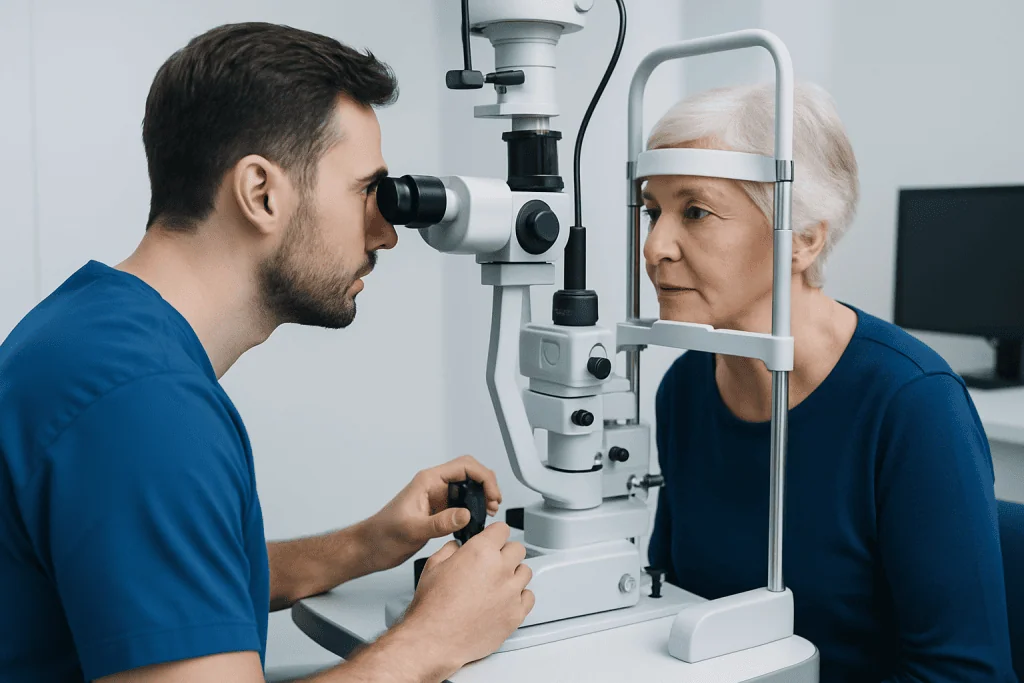
Cataract surgery is recommended when cataracts begin to interfere with your daily life or when your eye specialist finds that the cloudy lens is significantly affecting your vision. You may notice trouble seeing clearly at night, increasing sensitivity to light, double vision in one eye, or the feeling that your glasses no longer help enough.
Sometimes surgery is also advised because the cataract makes it difficult for your doctor to examine or manage other eye conditions. For example, a dense cataract can limit visibility inside the eye and may affect the monitoring or treatment of retinal disease, glaucoma, or diabetic eye changes.
The decision is not based only on age or the appearance of the cataract. It is based on how much your vision is affected, your general eye health, your goals, and your examination results. A careful ophthalmology evaluation is the safest way to confirm whether this is the right time for treatment.
Who is a good candidate?

You may be a good candidate if you have a diagnosed cataract and your symptoms are affecting reading, driving, screen use, work, or general quality of life. Many international patients seek treatment when they want a clear treatment plan, modern diagnostics, and coordinated care while traveling to Turkey.
Good candidates are usually people who are medically stable enough for a short eye procedure and able to follow aftercare instructions. Your ophthalmologist will also consider other eye conditions, such as dry eye, glaucoma, corneal disease, macular problems, diabetic retinopathy, or previous eye surgery, because these can influence lens choice, visual expectations, and recovery planning.
You may need a more detailed review if you have had refractive surgery before, use blood-thinning medication, have uncontrolled diabetes, or have symptoms that suggest another eye problem in addition to cataract. This does not always prevent surgery, but it may change the timing, the testing required, or the type of package and treatment plan recommended for you.
Treatment options
Cataract surgery is not one single package for every patient. The main treatment is removal of the cataract and placement of an intraocular lens, but the package can vary according to the surgical technique, the lens category, and whether one or both eyes are treated. Your surgeon will recommend the safest and most suitable option after your examination.
Lens options are one of the main differences between packages. Common options may include standard monofocal lenses, toric lenses for astigmatism in selected patients, or presbyopia-correcting lenses in carefully chosen cases. Each option has different benefits, limitations, and adaptation expectations. Not every lens is suitable for every eye, so your choice should be based on medical evaluation rather than preference alone.
Some patients need cataract surgery in one eye only, while others may plan staged treatment for both eyes. In addition, if there are related conditions such as astigmatism management needs, complex cataract features, or previous eye surgery, the treatment plan may involve extra measurements, more advanced surgical planning, or closer follow-up.
- Standard cataract surgery with monofocal lens
- Cataract surgery with toric lens planning for suitable astigmatism cases
- Cataract surgery with premium lens consideration in selected patients
- Single-eye treatment or staged treatment for both eyes
- More complex planning if you have prior eye surgery or other eye diseases
Online evaluation before travel
Before you travel, you can usually begin with a remote review of your case. This helps the international patient team and the ophthalmology department understand your symptoms, medical history, previous eye conditions, and any test results you already have. It also helps estimate how many days you may need to stay in Turkey.
You may be asked to share recent eye examination reports, glasses prescription details, imaging results if available, a list of medications, and information about previous eye surgery or laser procedures. If your records are incomplete, that is not always a problem. Many key tests can be repeated after arrival, but sharing what you have in advance can improve planning and make the process smoother.
At Acibadem International, this early review can also help clarify practical questions such as whether the likely package covers one or both eyes, what kind of lens planning may be needed, and what support services can be arranged. Final suitability and the final treatment plan are always confirmed in person after examination by your physician.
Before the treatment
Before surgery, you will have a detailed ophthalmology assessment. This often includes visual acuity testing, slit-lamp examination, eye pressure measurement, lens and retina evaluation where possible, and precise biometric measurements to calculate the power of the intraocular lens. These measurements are essential for planning the most appropriate lens for your eye.
You may also have routine pre-operative checks depending on your age, medical conditions, and the anesthesia plan. Be sure to mention all medications, especially blood thinners, diabetes treatments, eye drops, and any history of allergies. Do not stop any medication unless your doctor specifically advises you to do so.
Your care team will explain how to prepare for the day of surgery, including eating and drinking instructions if relevant, whether to use prescribed eye drops beforehand, and how to protect your eye after the procedure. If you are traveling from abroad, it is wise to avoid a rushed schedule so you have enough time for consultation, surgery, and early review before flying home.
What happens during the treatment
Cataract surgery is usually performed under local anesthesia, often with numbing drops or a local injection, and sometimes light sedation if needed. The surgeon makes a very small incision, removes the cloudy lens, and places the artificial lens inside the natural lens capsule. The procedure is generally short, but the exact duration depends on your eye and the complexity of the case.
During the surgery, you may see bright lights or movement, but you should not feel significant pain. The team monitors you throughout the procedure and keeps you comfortable. In many cases, no stitches are needed, although the final surgical approach depends on your eye findings.
If both eyes need treatment, they are often done on separate days unless your physician advises otherwise. After the surgery, your eye is usually protected with a shield or dressing, and you will rest in the recovery area before going back to your room or being discharged the same day according to your care plan.
Hospital stay and discharge
Many cataract procedures are handled as day-case treatments, which means you may return to your accommodation on the same day after observation. However, discharge timing depends on your overall health, how comfortable you are after surgery, and whether your doctor wants early observation because of a specific eye or medical issue.
Before discharge, you will receive instructions about eye drops, hygiene, protective shields, activity limits, and your follow-up appointment. It is important that you understand exactly how and when to use your medication, as eye drop schedules can be a key part of recovery.
International patients are usually advised not to travel independently immediately after the procedure. A companion or arranged transfer is helpful because your vision may be blurred at first. Acibadem International can assist with practical coordination such as transfers, interpreter support, and appointment scheduling during your stay.
Recovery timeline
Recovery after cataract surgery is usually gradual but manageable. Many people notice visual improvement early, while the eye continues to settle over the following days and weeks. Your exact timeline will depend on your baseline eye health, the type of lens implanted, whether one or both eyes are treated, and how well the eye heals.
You should follow your surgeon’s instructions closely, attend your check-ups, and ask before flying home if your eye pressure, healing, or visual status requires more observation. If you have another eye condition in addition to cataract, your results may improve more slowly or to a different extent than someone with an otherwise healthy eye.
| Timeframe | What to expect |
|---|---|
| First 24 hours | Mild discomfort, watering, light sensitivity, blurry vision, and the need to rest and protect the eye are common. |
| First week | Vision often begins to clear, but fluctuations can occur. You will usually use prescribed eye drops and attend an early check-up. |
| Weeks 2-4 | Most day-to-day activities become easier. Your eye continues healing, and your doctor checks visual progress and comfort. |
| Months 1-3 | Vision typically stabilizes further. If both eyes need treatment, planning for the second eye may be discussed if not already completed. |
| Final result | Your final visual outcome depends on healing, lens choice, and any other eye conditions. Glasses may still be needed for some tasks. |
Your doctor will tell you when it is safe to resume specific activities such as work, exercise, swimming, and travel. Even if you feel well quickly, it is still important to protect the eye and complete the prescribed treatment plan.
What to avoid after treatment
After cataract surgery, you should avoid rubbing or pressing on your eye. Protecting the eye is especially important in the first days, when the incision is healing and the eye may still be sensitive. Use your eye shield or glasses as advised by your care team.
You are usually asked to avoid dusty environments, heavy lifting, strenuous exercise, swimming pools, hot tubs, and any activity that increases the risk of contamination or direct eye trauma until your doctor says it is safe. Be cautious with face washing, showering, and cosmetics so that water, soap, or makeup do not enter the treated eye in the early period.
Do not miss your eye drops, and do not use non-prescribed drops unless your ophthalmologist approves them. Avoid driving until your vision is adequate and your doctor confirms it is appropriate. If you are traveling, follow the timing recommended for flights and airport activity, especially if you feel visually unsettled or tired.
Risks and possible complications
Cataract surgery is commonly performed, but like any procedure it carries risks and no outcome can be guaranteed. Possible complications can include infection, inflammation, raised eye pressure, swelling in the cornea or retina, bleeding, lens positioning issues, visual disturbances, delayed healing, or the need for additional treatment. In some patients, the expected clarity of vision may also be limited by another eye condition that is separate from the cataract.
The chance and type of risk can vary depending on your age, general health, the density of the cataract, the anatomy of your eye, and whether you have conditions such as glaucoma, diabetes, retinal disease, or previous eye surgery. This is why careful examination and honest discussion of expectations are so important before treatment.
Some patients may still need glasses after surgery, and occasionally further procedures may be needed later, such as treatment for clouding behind the artificial lens or management of a post-operative issue. Your surgeon will explain the risks relevant to your case and how they are monitored and managed.
Warning signs: when to contact a doctor
Some discomfort and blurred vision can be normal in the early recovery period, but certain symptoms need prompt medical advice. If you are in Turkey, contact your care team without delay. If you have already returned home, seek urgent ophthalmic assessment and inform the Acibadem International team.
- Sudden decrease in vision after initial improvement
- Severe or increasing eye pain
- Marked redness that is worsening rather than improving
- New flashes, many floaters, or a curtain-like shadow in your vision
- Persistent nausea, vomiting, or severe headache with eye pain
- Significant discharge from the eye
- Fever or feeling acutely unwell with worsening eye symptoms
- Any injury to the treated eye
Do not wait for the next routine appointment if these symptoms occur. Early assessment is important because prompt treatment can protect vision and reduce the risk of more serious complications.
Results and expectations
The main goal of cataract surgery is to improve visual clarity by removing the cloudy lens. Many patients notice better brightness, sharper outlines, and improved color perception. However, the final result varies from person to person and depends not only on the surgery itself, but also on the health of the cornea, retina, optic nerve, and tear film.
If you have other eye conditions, your vision may improve but not become completely normal. If a premium lens is being considered, your surgeon will explain that these lenses can be helpful in selected patients, but they do not remove all dependence on glasses in every situation and may involve trade-offs. A careful discussion of your visual priorities is important.
It is also helpful to know that cataract surgery packages differ in what lens type and follow-up services are included. Understanding this early can help you compare quotations accurately and avoid unrealistic expectations. The best package is the one that matches your medical needs, travel plans, and aftercare arrangements.
International patient travel planning
If you are coming to Turkey from abroad, plan enough time for the full pathway rather than the procedure day alone. Cataract surgery packages often involve pre-operative measurements, surgeon consultation, the operation, and at least one early post-operative review. The number of days recommended depends on whether one eye or both eyes are being treated and whether you have any additional eye or medical issues.
Bring your passport, medical records, current medication list, and any previous eye reports. If you wear glasses or contact lenses, bring the details of your prescription and lens use history. If you have had prior eye laser treatment or surgery, mention this clearly because it can affect lens calculations and package planning.
Acibadem International supports overseas patients with practical coordination including interpreter services, transfer organization, accommodation guidance, and remote follow-up planning after you return home. This can make the process more comfortable, especially if you are unfamiliar with the city or traveling for treatment for the first time.
Cost and package information
A cataract surgery package in Turkey usually includes core medical elements such as specialist consultation, pre-operative ophthalmic assessment, the surgery itself, operating room use, surgeon and hospital fees, standard consumables, and an early follow-up visit. In many cases, the package also includes international patient coordination services and may include interpreter support and transfer arrangements depending on the program.
The total cost can change according to several factors. These commonly include whether one or both eyes are treated, the complexity of the cataract, the type of intraocular lens selected, the need for extra diagnostics, the presence of other eye diseases, anesthesia planning, and whether additional monitoring or a longer stay is needed. More complex cases or premium lens choices may affect the quotation.
Items that may not always be included are flights, visa-related expenses, hotel accommodation, meals outside hospital arrangements, companion costs, additional nights in Turkey, treatment for unrelated conditions, extra imaging or laboratory tests beyond the standard plan, and medications or follow-up care needed after you return home. It is wise to ask for a written list of what is included, what is optional, and what might create extra cost if your examination shows a more complex situation.
Why choose Acibadem
Acibadem International provides coordinated care for international patients within JCI-accredited hospital settings, supported by multidisciplinary medical teams and structured patient services. For cataract surgery, this means your treatment can be planned through ophthalmology specialists with access to diagnostics, anesthesia support when needed, and hospital-based safety processes.
If you are traveling from abroad, practical organization matters as much as the procedure itself. International patient support can help with communication, appointment scheduling, transfers, interpreter services, and guidance around accommodation. This can make your experience clearer and less stressful from the first contact to remote follow-up after you return home.
Just as importantly, care is individualized. Your evaluation, lens choice, package details, and travel plan should reflect your actual eye findings rather than a one-size-fits-all approach. That balance of medical review and practical support is often what patients value most when planning treatment in Turkey.
Medical review and disclaimer
This guide has been medically reviewed by the Acibadem International medical team. It is designed to help you understand what is commonly included in a cataract surgery package in Turkey and how the treatment journey may be organized for international patients.
The information here is for general educational purposes only. It does not replace a personal consultation, formal examination, or medical advice from your physician. Cataract surgery planning, lens selection, package content, and travel timing should always be based on your own clinical assessment.
Your suitability for treatment can only be confirmed after physician evaluation. If you have visual loss, eye pain, sudden changes in vision, or a known eye disease, please seek direct medical advice rather than relying on general information alone.
Step by step
- Initial contact. You contact Acibadem International and explain that you are seeking cataract surgery assessment or package information.
- Medical record / photo submission. You share available eye reports, prescription details, medical history, medication list, and any previous imaging or surgery information.
- Preliminary medical review. Your records are reviewed to understand your likely needs, whether more information is required, and how to plan your visit.
- Treatment plan and quotation. You receive a preliminary treatment outline and package quotation based on the information available, with the understanding that final confirmation follows in-person examination.
- Travel planning. Your travel dates, expected stay, accommodation preferences, and transfer needs are organized with the support of the international patient team.
- Arrival. After arriving in Turkey, you are guided to your scheduled appointments and any planned support services begin.
- In-person consultation. You meet the ophthalmologist for a full eye examination, discussion of symptoms, lens options, and realistic expectations.
- Pre-operative tests. Detailed eye measurements and any necessary routine pre-operative checks are completed to finalize the surgical plan.
- Treatment. Your cataract surgery is performed according to the agreed plan, usually as a short-stay procedure.
- Hospital stay. You are monitored after surgery, receive instructions about eye care and drops, and stay until your doctor confirms you are ready.
- First control. An early post-operative review checks healing, comfort, vision, and whether your recovery is progressing as expected.
- Discharge / travel clearance. Once your physician is satisfied with your condition, you are given discharge advice and guidance about when it is appropriate to travel.
- Remote follow-up. After returning home, you can continue communication with the international patient team and share updates or reports if needed.
Your checklist
- Passport and travel documents
- Recent eye examination reports, if available
- Glasses prescription and contact lens history, if relevant
- List of current medications, including eye drops
- Known drug or material allergies
- Medical history, including diabetes, hypertension, heart disease, and bleeding conditions
- History of previous eye surgery, laser treatment, or injections
- History of previous non-eye surgeries
- Description of your current symptoms and how long they have been present
- Relevant test results or imaging you already have
- Emergency contact details
- Insurance information if applicable
Key takeaways
- A cataract surgery package usually covers pre-operative eye assessment, surgeon and hospital fees, the procedure, and early follow-up.
- The exact package depends on the lens type, whether one or both eyes are treated, and your eye health.
- You may need to stay in Turkey for several days to allow consultation, surgery, and early post-operative review.
- Travel, extra nights, additional tests, or premium lenses may or may not be included, so it is important to confirm the details.
- A full ophthalmology evaluation is needed to decide suitability and the most appropriate intraocular lens.
Frequently asked questions
What is usually included in a cataract surgery package in Turkey?
A package commonly includes specialist assessment, standard pre-operative eye tests, the cataract operation, surgeon and hospital fees, the intraocular lens planned within the package category, and an early follow-up visit. Some packages also include interpreter support, transfers, or international patient coordination. The exact contents should always be confirmed in writing.
Are flights and hotel included in the package?
Not always. Some treatment programs may help organize accommodation and transfers, but flights, hotels, and companion expenses are often separate unless specifically listed. It is best to ask exactly which travel and non-medical services are included.
How long should I stay in Turkey for cataract surgery?
The recommended stay depends on your examination schedule, whether one or both eyes are treated, and how your early recovery goes. Many patients need several days for consultation, testing, surgery, and a first check-up. Your ophthalmologist and international patient team can advise the safest timing for travel.
Can both eyes be treated during the same trip?
In some cases, yes, but this depends on your eye health, surgeon preference, and recovery plan. Even if both eyes are treated on one trip, they are often scheduled in stages rather than at the same moment. The safest approach is determined after examination.
Will I be awake during cataract surgery?
Most cataract procedures are done under local anesthesia, so you are usually awake but the eye is numbed. Light sedation may be used for comfort in selected patients. Your anesthesia plan is based on your health, your anxiety level, and the surgeon’s recommendation.
How soon will I see clearly after surgery?
Many patients notice improvement quite early, but vision can be blurry or fluctuate at first. The eye continues to heal over the following days and weeks. Final clarity depends on healing, the lens used, and whether any other eye conditions are present.
Will I still need glasses after cataract surgery?
Possibly, yes. Some patients still need glasses for reading, distance, or certain tasks depending on the lens chosen and the eye’s natural healing result. Your surgeon will explain what is realistic for your case before treatment.
What factors can increase the cost of a cataract surgery package?
The quotation can vary based on whether one or both eyes are treated, the type of intraocular lens, the complexity of the cataract, extra tests, other eye diseases, and the need for additional monitoring or services. Travel-related items and extra accommodation may also change the overall cost. This is why a personalized quotation is more useful than a general estimate.
Is cataract surgery in Turkey safe for international patients?
Safety depends on choosing an appropriate medical center, having a proper ophthalmology evaluation, and following the recommended aftercare plan. Hospital standards, experienced teams, and good communication all matter. At Acibadem International, treatment is coordinated in JCI-accredited hospital settings with support services for overseas patients.
Can I fly home soon after cataract surgery?
Many patients can fly after their doctor confirms early recovery is satisfactory, but the exact timing varies. You should not assume that same-day travel is suitable. Always wait for your physician’s advice after your post-operative review.
What if I have diabetes, glaucoma, or a previous eye surgery history?
You may still be a candidate, but you will likely need a more detailed review. These factors can influence timing, lens selection, expected vision, and follow-up needs. Be sure to share this history early so your plan can be tailored safely.
How do I compare cataract surgery packages fairly?
Look beyond the headline description and compare the medical details. Ask which lens category is included, whether the quote covers one or both eyes, what tests and follow-up are included, and which travel or support services are separate. A clear written breakdown helps you make a more informed decision.
Add us as a Preferred Source to see more of our trusted health content across Google Search, AI Overviews and Discover.

More Patient Guides
Day Surgery in Turkey: Can You Leave Hospital the Same Day?
Day surgery in Turkey often lets you go home the same day if your procedure and recovery are suitable and your doctor…
11 min read
General Anesthesia in Turkey: How to Prepare and What Happens Before You Sleep
General anesthesia in Turkey helps you sleep safely through surgery. Learn preparation, recovery, risks, and travel planning in Istanbul.
11 min read
Choosing Between Outpatient and Inpatient Treatment in Turkey: What Affects the Decision
Choosing Between Outpatient and Inpatient Treatment in Turkey depends on your procedure, health, recovery needs and travel plans.
11 min read