

What to Expect on Your First Visit to Acibadem

Learn what to expect on your first visit to Acibadem, from registration to consultation, with support for international patients traveling to Turkiye.
Your first visit to Acibadem is usually a structured, well-supported day that begins with registration and moves through consultation, possible tests, and next-step planning. If you are traveling from abroad, Acibadem International can also help you navigate language, appointments, and practical arrangements so you feel prepared rather than rushed.
At a glance
- Best for: First-time international and local patients visiting Acibadem
- What happens: Check-in, document review, consultation, and tests if your doctor requests them
- Language support: Interpreter and international patient assistance may be available when needed
- What to bring: Passport or ID, medical records, medication list, and insurance documents if relevant
- Time to allow: More than your appointment slot, especially if imaging or laboratory tests are added
How your first visit usually begins
Your first visit to Acibadem usually starts with arrival, registration, and a short orientation to the next steps. If you have already shared your records in advance, the process can feel smoother because the team may already have a basic picture of your medical history and the reason for your visit.
If you are coming from another country, it is normal to feel unsure about timing, paperwork, or where to go first. Acibadem International is designed to make these practical parts easier, with support for appointment coordination, language needs, and guidance inside the hospital so you are not trying to manage everything on your own.
On the day, your schedule may include one main specialist appointment and, if needed, same-day tests such as blood work or imaging. Not every patient will need extra tests, but it is wise to keep your day flexible in case your doctor wants more information before discussing a treatment plan.
What to bring and how to prepare
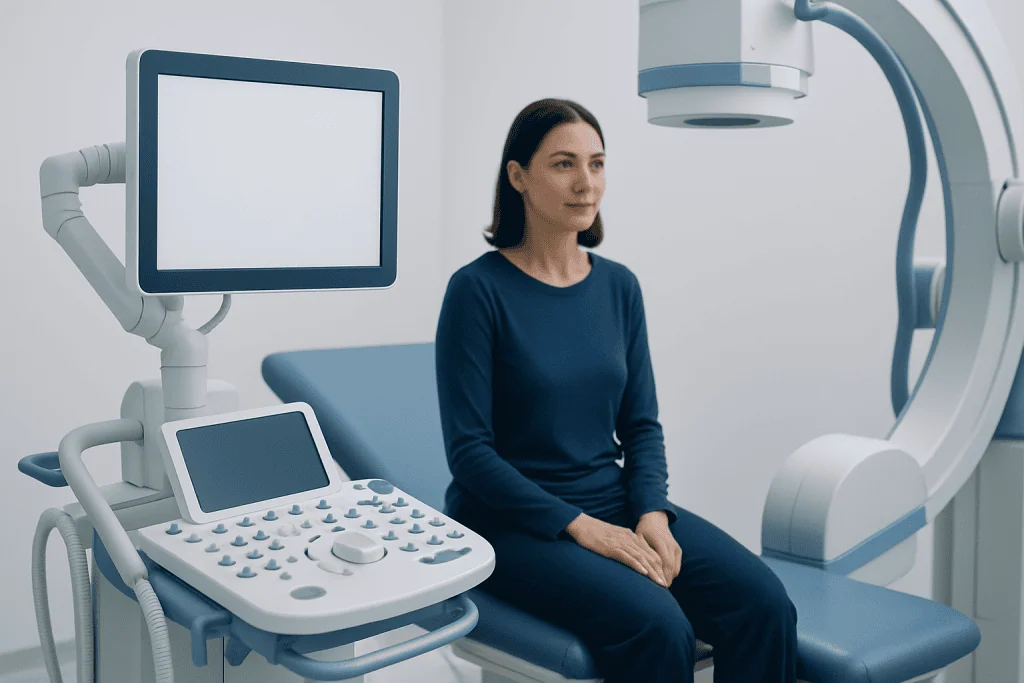
Bring your passport or national ID, appointment confirmation, and any available medical records related to your concern. Helpful items include previous scan reports, test results, pathology reports, discharge summaries, and a written list of your current medications, allergies, and past surgeries.
If your records are in another language, send them in advance if possible. Even if some documents are not translated, bring them anyway; they may still help your doctor understand your history. If you wear glasses, hearing aids, or use mobility aids, bring those too so you can move through the visit comfortably.
Try to arrive a little early rather than exactly at the appointment time. This gives you room for registration, wayfinding, and any forms that need to be completed. It also lowers stress, especially if you are unfamiliar with Istanbul traffic or are navigating a large hospital campus for the first time.
- Passport or ID
- Appointment details
- Medical records and imaging reports
- Medication and allergy list
- Insurance or payment documents if applicable
- Contact details for your companion, if someone is coming with you
Registration, check-in, and language support

At check-in, staff will confirm your identity, contact details, and the service or specialist you are scheduled to see. You may be asked to review consent, privacy, or administrative forms. This is routine and helps the hospital create or verify your patient file before the medical part of your visit begins.
If you are an international patient, support often extends beyond the front desk. Acibadem International may help coordinate your movements within the hospital, explain what each stage means, and assist with practical questions about timing, follow-up, and where to wait. This can be especially reassuring if English is not your first language.
Interpreter support may be available when needed, which can make a big difference during discussions about symptoms, prior treatment, and next steps. If you think you will need language help, mention it before your visit whenever possible so arrangements can be made more smoothly.
What happens in the consultation
Your consultation is the part of the visit where you explain your symptoms, goals, and concerns, and the doctor reviews your history and available records. Expect questions about when your issue began, what makes it better or worse, what treatments you have tried, and whether you have any chronic conditions.
This first meeting is also your chance to ask practical questions, not just medical ones. You can ask what tests may be needed, whether the issue can be assessed in one trip, how long results usually take, and whether you may need follow-up appointments or a longer stay in Turkey.
If your case is complex, your care may involve more than one specialist. One advantage of a large hospital group such as Acibadem is the possibility of coordinated input from multidisciplinary teams when needed. That does not mean every patient sees multiple doctors on day one, but it can be helpful when your condition requires broader evaluation.
Before the consultation ends, try to leave with a clear understanding of the next step. That may be additional tests, a treatment recommendation, monitoring, or referral to another service. If anything feels unclear, ask for it to be explained again in simple terms.
If tests or imaging are needed on the same day
Many first visits include only the consultation, but some lead to same-day tests. These might include blood tests, imaging, heart assessments, or other examinations depending on your symptoms and specialty. The aim is usually to gather enough information for a safer, more informed treatment discussion.
If tests are added, your day may become longer than expected. You may move between departments and spend time waiting between stages, especially if several services are involved. Keeping your phone charged, carrying water if allowed, and having a light snack plan can make the day feel easier.
Some tests need preparation, such as fasting or pausing certain medications, while others do not. If the team advises an additional test that requires preparation and it cannot be done immediately, they will usually explain how to get ready and when to return. Always tell staff if you are pregnant, diabetic, claustrophobic, or have implanted devices, as these details may affect test planning.
Planning the next steps before you leave
By the end of your first visit, the most important thing is to understand what happens next. For some patients, that means going home with reassurance and a follow-up plan. For others, it may mean scheduling further tests, preparing for a procedure, or arranging treatment dates if a decision can already be made.
If you are visiting from abroad, this is also the right time to clarify travel timing. Ask whether you can fly soon after your appointment, whether you may need to stay in Istanbul longer, and what follow-up can happen remotely after you return home. These practical details matter just as much as the medical plan when you are organizing international care.
Acibadem International can be useful at this stage because questions often shift from diagnosis to logistics: appointment sequencing, document collection, interpreters, accommodation, and communication after discharge or departure. Even if your first visit feels busy, try not to leave until you know who to contact with follow-up questions and how your results will be shared.
Step by step
- Share your records before you arrive. If you have prior reports, scans, or a diagnosis, send them ahead of time if possible. This can help the team prepare for your appointment and may reduce delays caused by incomplete information.
- Arrive early for registration. Plan to be there before your appointment rather than exactly on time. Early arrival gives you space for check-in, identity verification, paperwork, and finding the correct department without feeling rushed.
- Meet your doctor and review your history. During the consultation, explain your symptoms clearly and mention previous treatments, medications, and allergies. Bring notes if you are worried you might forget important dates or details.
- Complete any tests your doctor requests. You may be sent for imaging, lab work, or other evaluations on the same day or a later date. Keep your schedule flexible, because added tests can extend the visit beyond the original appointment time.
- Discuss the plan in plain language. Before you leave, ask what the findings mean, what still needs to be confirmed, and what the realistic next step is. If English is not your preferred language, request interpreter support so nothing important is misunderstood.
- Confirm follow-up, travel, and contact details. Make sure you know how results will be communicated, whether you need another in-person visit, and who to contact if questions come up later. If you are an international patient, also confirm any travel timing, accommodation considerations, or airport-related planning.
Your checklist
- Passport or valid ID
- Appointment confirmation and hospital contact details
- Previous test results, scan reports, and medical summaries
- Written list of medications, supplements, and allergies
- Insurance documents or payment method, if applicable
- Questions you want to ask the doctor
- Comfort items for a longer day, such as a charger and water if permitted
- Interpreter request arranged in advance if needed
Key takeaways
- Your first visit usually includes registration, consultation, and possibly same-day tests.
- Bring complete medical records, a medication list, and your ID or passport.
- Allow extra time in case your doctor requests imaging or laboratory work.
- Interpreter and international patient support can help with communication and logistics.
- Before leaving, confirm your results process, next appointment, and travel-related guidance.
Frequently asked questions
How long should I allow for my first visit to Acibadem?
Allow more time than the consultation slot itself, especially if this is your first appointment or if additional tests might be needed. A straightforward visit may be relatively quick, but imaging, blood work, or coordination across departments can make the day longer.
Do I need to bring my old medical records?
Yes, bringing prior records is very helpful, even if they seem incomplete or are from another country. Reports, scans, medication lists, and discharge summaries can give your doctor useful context and may help avoid repeating tests unnecessarily.
Will someone help me if I do not speak Turkish?
International patient services and interpreter support may be available to help you communicate more comfortably. If you think you will need language assistance, it is best to mention this before your visit so arrangements can be made in advance.
Can tests be done on the same day as my first appointment?
In many cases, yes, depending on the specialty, your doctor’s assessment, and scheduling on the day. However, some tests require preparation or separate booking, so same-day testing cannot always be guaranteed.
Should I come alone or bring a companion?
Either option can work, but many patients feel more comfortable bringing a family member or friend, especially on a first international hospital visit. A companion can help with note-taking, emotional support, and practical details during a long day.
What if I am traveling to Istanbul only for evaluation?
Tell the team that you are visiting from abroad and explain your travel dates clearly. This helps Acibadem International and the clinical team organize your assessment as efficiently as possible and advise whether follow-up can be handled later or remotely.
Will I get a treatment decision on the first visit?
Sometimes, but not always. If your records and examination provide enough information, your doctor may outline a treatment plan on the same day; if more tests or specialist input are needed, the decision may come after those results are reviewed.
Add us as a Preferred Source to see more of our trusted health content across Google Search, AI Overviews and Discover.
More Patient Guides

Interpreter Support in Turkish Hospitals: When to Request Help
Interpreter support in Turkish hospitals helps you understand appointments, consent and discharge clearly in Turkey or Istanbul.
9 min read
Medical Interpreter at the Hospital: When to Request One and How It Helps
Medical interpreter at the hospital helps you understand care, consent and next steps clearly in Turkey or Istanbul. Request one before key…
8 min read
Acibadem Hospital Safety: How We Protect International Patients
Acibadem hospital safety means coordinated, JCI-aligned care, interpreters, infection control, and clear support for international patients in Turkey.
9 min read