

How JCI Accreditation Supports Patient Safety at Acibadem

JCI accreditation supports patient safety at Acibadem through clear standards, checks, teamwork, and safer care for international patients in Turkey.
If you are planning care abroad, JCI accreditation helps you understand how a hospital organizes safety, quality checks, communication, and patient-centered care. At Acibadem International, it means you can expect structured processes designed to reduce risk and support you clearly throughout your treatment journey.
At a glance
- Best for: International patients who want a practical explanation of hospital safety standards
- What JCI means: An internationally recognized framework for quality and patient safety
- What you may notice: Identity checks, consent steps, medication verification, and coordinated care
- Why it matters: It supports consistent processes, communication, and ongoing improvement
- At Acibadem International: JCI-accredited hospitals, multidisciplinary teams, and international patient support
What JCI accreditation means for you
If you are choosing a hospital in another country, the term JCI accreditation can feel technical at first. In simple terms, it refers to a hospital being evaluated against internationally recognized standards for quality and patient safety. These standards look at how care is organized, how risks are managed, how teams communicate, and how patients are informed and protected during their stay.
For you as a patient, the value of accreditation is practical rather than abstract. It can mean clearer identification checks, more consistent consent processes, better documentation, safer medication handling, and a stronger focus on communication between doctors, nurses, technicians, and support teams. Accreditation does not promise a particular medical outcome, but it does support a safer system for delivering care.
At Acibadem International, JCI-accredited hospitals are structured around these kinds of standards so that your care journey is more organized and transparent. If you are traveling to Turkey or Istanbul for treatment, this can be reassuring because you are navigating not only healthcare decisions but also language, travel, timing, and follow-up planning.
How accreditation supports safety before treatment begins
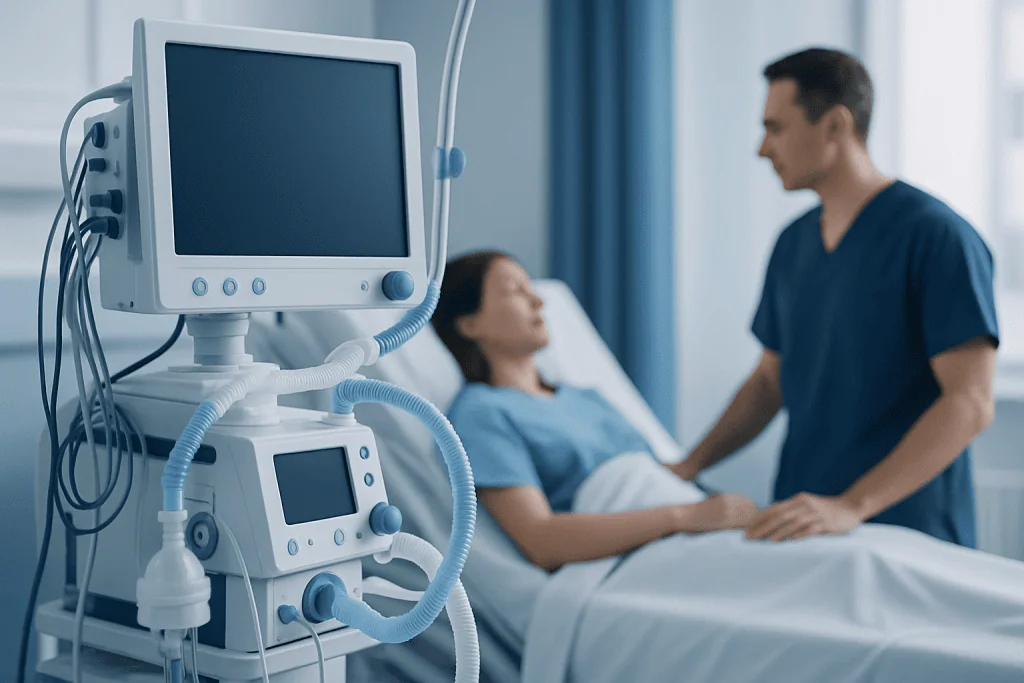
Patient safety starts well before your procedure or hospital admission. One important part is how your medical information is collected and reviewed. A hospital working to accreditation standards will typically use clear intake processes to gather your history, medications, allergies, previous surgeries, and test results so the clinical team has a fuller picture before making plans.
You may also notice an emphasis on informed decision-making. This includes explaining the proposed treatment, likely next steps, and important preparation instructions in a way you can understand. For international patients, this matters even more because travel plans, hotel arrangements, fasting instructions, and medication timing can all affect whether your treatment day runs safely and smoothly.
Acibadem International supports this stage through its international patient services, which can help coordinate your documents, appointments, and communication before arrival. If needed, interpreter support can reduce misunderstandings and help you ask the right practical questions ahead of time.
- Sharing your medication list in advance helps avoid preventable issues.
- Sending previous scans or reports early may reduce delays.
- Confirming preparation instructions can lower the chance of same-day changes.
Safety checks you may notice during your hospital stay

Many of the most important safety steps are the ones you see repeatedly. Staff may ask for your full name and date of birth more than once, check your wristband, confirm your planned test or procedure, and verify allergies before medications are given. While this can feel repetitive, it is a normal and helpful part of a safety-focused hospital culture.
You may also see structured handovers between teams, especially if you move from an outpatient area to imaging, from a ward to a procedure area, or from recovery back to your room. These handovers help ensure that the right information travels with you, including your diagnosis, treatment plan, mobility needs, pain control plan, and any special instructions.
At Acibadem International, these processes are supported by multidisciplinary specialist teams and hospital systems designed to keep care coordinated. As an international patient, you can help by answering identification questions consistently, mentioning any changes in your condition, and asking for clarification if something is unclear.
Medication safety, infection prevention, and communication
Three areas many patients care about most are medication safety, infection prevention, and communication. Accreditation standards place strong attention on these basics because they affect almost every hospital stay. Medication safety includes checking the right patient, medicine, dose, route, and timing, as well as documenting allergies and watching for interactions.
Infection prevention involves routines such as hand hygiene, equipment cleaning, use of protective measures where needed, and safe handling across wards, procedure rooms, and recovery areas. You may not see every protocol happening behind the scenes, but these systems are part of how hospitals work to reduce avoidable risk during treatment.
Communication is just as important. If you do not fully understand Turkish, interpreter support can make a real difference when discussing tests, consent, discharge instructions, or medications to take after you leave. Acibadem International helps international patients access language support and practical guidance so key information is easier to follow at each stage.
Why teamwork and coordination matter for international patients
When you travel for care, patient safety is not only about what happens in a procedure room. It also depends on how well your journey is coordinated across booking, arrival, assessment, treatment, recovery, and discharge. A hospital may have excellent clinicians, but your experience is safer and less stressful when the system around them works well too.
JCI-style standards encourage coordination between departments and a more patient-centered approach. That can include organized scheduling, clearer documentation, timely escalation of concerns, and discharge planning that starts early rather than at the last minute. For international patients, this reduces confusion when there are multiple appointments, different buildings, or follow-up instructions to manage before flying home.
Acibadem International combines clinical care with practical support such as international patient coordinators, interpreters, and assistance with travel or accommodation arrangements when needed. These services do not replace medical care, but they can make the overall experience more manageable so you can focus on your health and recovery.
What JCI accreditation does not mean
It is helpful to understand the limits of accreditation as well as its strengths. JCI accreditation does not mean a hospital is risk-free, and it does not guarantee specific treatment results. All medical care carries some uncertainty, and your personal outcome depends on many factors including your condition, your medical history, the recommended treatment, and how your recovery progresses.
What accreditation does mean is that the hospital is expected to follow a structured framework for safety, quality, and continuous improvement. In other words, it is about how the hospital manages care, monitors standards, responds to risks, and works to improve over time. This can give you more confidence in the processes supporting your treatment.
As a patient, you still play an important role. Ask questions, share complete health information, bring your medication list, and speak up if you notice something that seems inconsistent. Good hospitals welcome informed patients, and a strong safety culture depends on communication from both staff and patients.
How to use accreditation information when planning your care
If you are comparing hospitals, accreditation should be one useful part of your decision rather than the only one. You may also want to look at whether the hospital is experienced with international patients, whether specialist teams can review complex cases together, how follow-up is handled after you return home, and what practical support is available in Turkey or Istanbul.
When speaking with a hospital, ask practical questions: How will my records be reviewed before I travel? Who will coordinate my appointments? Is interpreter support available? What happens if my treatment plan changes after assessment? How will discharge instructions and medicines be explained to me before I leave?
Acibadem International can be a helpful option for patients who want both accredited hospital standards and dedicated support for cross-border care logistics. Knowing that there are JCI-accredited hospitals, multidisciplinary teams, and international patient services in place can help you prepare with greater confidence and fewer surprises.
Step by step
- Check the hospital's accreditation status. Start by confirming whether the hospital you are considering is JCI accredited and whether that information is current. This gives you a clearer baseline for how the hospital approaches quality systems, patient safety, and standardized care processes.
- Share your health information early. Send your medical reports, imaging, medication list, allergies, and previous treatment details before you travel if possible. Early review can help the care team plan safely and identify any extra tests, timing issues, or preparation steps you may need.
- Use the international patient team. If you are traveling from abroad, ask your coordinator to explain the full journey from airport arrival to discharge. At Acibadem International, international patient services can help you understand scheduling, documentation, interpreter needs, and practical arrangements.
- Confirm key safety details before admission. Before your treatment date, double-check fasting instructions, medication adjustments, arrival time, and what documents to bring. Small practical details matter because they can affect whether your treatment proceeds safely and on schedule.
- Take part in bedside safety checks. During your stay, expect repeated identity checks and verification questions. Participate actively, answer carefully, and mention any new symptoms, allergies, or concerns so the team has the most accurate information.
- Ask for clear discharge instructions. Before leaving the hospital, make sure you understand your medicines, activity limits, warning signs, and follow-up plan. If English is not enough for full clarity, request interpreter support so you leave with instructions you can confidently follow.
Your checklist
- Passport or ID and hospital registration documents
- A full list of your current medications and supplements
- Written details of any allergies or past reactions
- Copies of previous reports, scans, and lab results
- Emergency contact details and companion information
- Questions about consent, interpreter support, and discharge
- Comfort items for your stay, including chargers and essentials
- A plan for transport, accommodation, and return travel timing
Key takeaways
- JCI accreditation helps hospitals organize care around internationally recognized safety and quality standards.
- For patients, this often shows up as identity checks, consent steps, medication verification, and stronger team communication.
- International patients benefit when accredited care is combined with interpreters, coordinators, and travel support.
- Acibadem International offers JCI-accredited hospitals and structured support designed to make cross-border care clearer and safer.
- Accreditation is important, but you should also ask practical questions about communication, planning, and follow-up.
Frequently asked questions
What is JCI accreditation in simple terms?
JCI accreditation is an international evaluation of how a hospital manages quality and patient safety. It focuses on systems such as patient identification, infection prevention, medication safety, communication, and continuous improvement.
Does JCI accreditation guarantee better treatment results?
No, accreditation does not guarantee a specific medical outcome. What it does provide is reassurance that the hospital follows structured standards and processes designed to support safer, more consistent care.
Why does JCI matter more if I am traveling from abroad?
When you travel for treatment, you rely heavily on hospital systems because you may be dealing with language differences, unfamiliar logistics, and limited local support. Accreditation can be reassuring because it suggests the hospital uses organized processes that help reduce confusion and improve coordination.
What patient safety checks should I expect during my stay?
You may be asked to confirm your identity several times, wear a wristband, review allergies, and verify planned tests or procedures. These repeated checks are normal and are there to help prevent mix-ups and ensure the right care is delivered at the right time.
How does Acibadem International support safety for international patients?
Acibadem International combines care at JCI-accredited hospitals with practical support services for patients coming from abroad. This may include international patient coordinators, interpreter services, and assistance with travel or accommodation planning, all of which can help communication and continuity run more smoothly.
Can I ask questions about safety procedures without seeming difficult?
Yes, absolutely. Good hospitals expect and welcome patient questions, especially around identity checks, medications, consent, and discharge instructions. Asking for clarification is a helpful part of safe care, not a problem.
What should I prepare before traveling to a JCI-accredited hospital in Turkey?
Bring your medical records, medication list, allergy details, identification documents, and a written list of questions. It is also wise to confirm arrival timing, preparation instructions, and who to contact if plans change before you travel.
Add us as a Preferred Source to see more of our trusted health content across Google Search, AI Overviews and Discover.
More Patient Guides

Interpreter Support in Turkish Hospitals: When to Request Help
Interpreter support in Turkish hospitals helps you understand appointments, consent and discharge clearly in Turkey or Istanbul.
9 min read
Medical Interpreter at the Hospital: When to Request One and How It Helps
Medical interpreter at the hospital helps you understand care, consent and next steps clearly in Turkey or Istanbul. Request one before key…
8 min read
Acibadem Hospital Safety: How We Protect International Patients
Acibadem hospital safety means coordinated, JCI-aligned care, interpreters, infection control, and clear support for international patients in Turkey.
9 min read