

How Acibadem Calculates Final Treatment Costs

How Acibadem calculates final treatment costs: your quote is based on your diagnosis, tests, treatment plan, hospital stay, and practical needs in Turkey.
If you are planning care abroad, it helps to know what shapes your final bill before you travel. This guide explains, in practical terms, how Acibadem International builds a treatment estimate, what can change the final amount, and how you can prepare for fewer surprises.
At a glance
- Best for: International patients who want to understand how a quote becomes a final bill
- What affects cost: Diagnosis, specialist review, tests, procedure details, length of stay, and added services
- What may change later: Extra tests, revised treatment plans, longer hospitalization, or unexpected medical needs
- Who helps you: International patient services, care coordinators, finance teams, and interpreters
- Useful to prepare: Medical records, imaging, medication list, passport details, and travel dates
What “final treatment cost” usually means
When you first contact a hospital, the number you receive is often an estimate based on the information available at that moment. Your final treatment cost is the amount calculated after your medical team has reviewed your case, confirmed your diagnosis, decided on the safest treatment plan, and recorded the care you actually received.
At Acibadem International, this process is especially important for international patients because treatment planning often begins remotely. You may send reports, scans, pathology results, or a doctor’s letter from your home country. These documents help the team prepare a quote, but some details can only be confirmed after an in-person consultation, additional tests, or admission.
In practical terms, your final bill usually reflects both the planned parts of your care and any necessary changes made for safety or medical reasons. That is why it is helpful to think of the first quote as a structured estimate rather than a guarantee, unless you have been given a clearly defined package with stated inclusions and exclusions.
How your initial quote is prepared
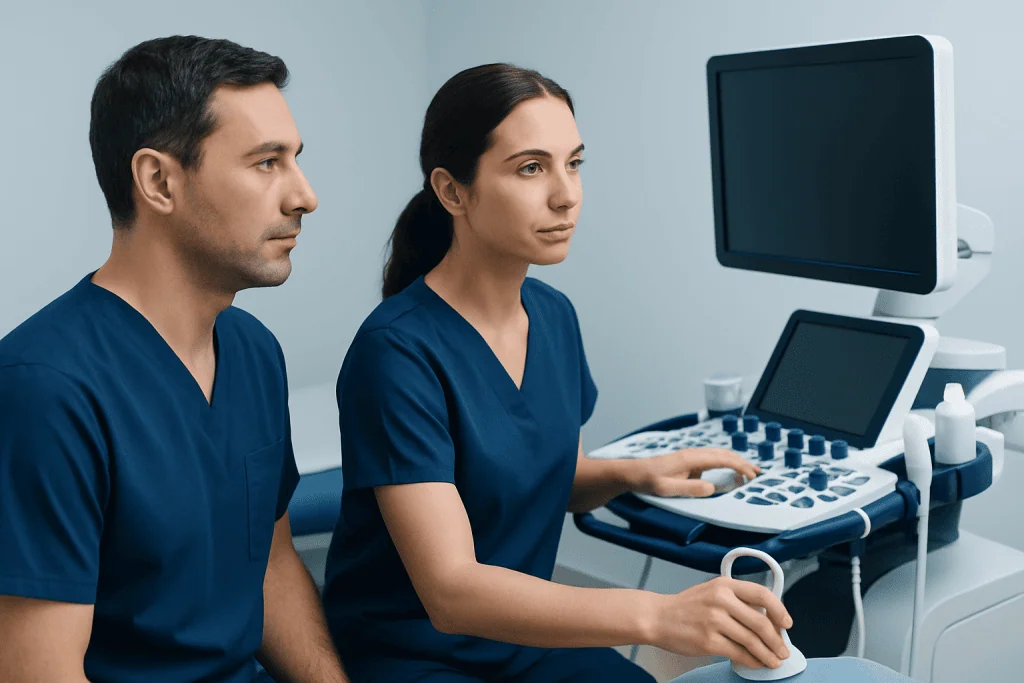
Your initial quote is usually built from the medical information you share before traveling. This may include your diagnosis, current symptoms, previous procedures, imaging, biopsy results, blood tests, and the treatment you are asking about. The more complete and current your records are, the more precise the estimate can be.
After review, the hospital team matches your case to the likely care pathway. That may include specialist consultations, pre-treatment tests, the procedure itself, hospital room type, anesthesia needs, medications used during admission, and the expected length of stay. If your plan involves more than one department, a multidisciplinary review may be needed, which can refine the estimate further.
Acibadem International also supports patients with non-medical coordination, such as interpreter arrangements and travel-related planning. These practical services do not change your medical treatment, but they can affect your overall trip budget, so it is worth asking early what is included in your medical quote and what is handled separately.
The main factors that shape the final amount

The biggest driver of cost is your confirmed treatment plan. Two people asking about the same procedure may still receive different final bills because they have different diagnoses, risk factors, test results, or recovery needs. A shorter, straightforward admission is usually costed differently from a more complex case that needs more monitoring or combined care.
Common cost factors include the type and number of consultations, laboratory work, imaging, operating room time, implants or special materials where relevant, anesthesia, medications during your stay, intensive monitoring if needed, and the number of nights you remain in hospital. Follow-up visits before discharge may also be part of the total calculation.
Another important factor is whether your plan changes after arrival. For example, a doctor may decide you need another scan before treatment, a second specialist opinion, or a different procedure than originally expected. These changes are not unusual in international care and are generally made to keep your treatment safe and appropriate.
- Complexity of your diagnosis and treatment pathway
- Need for extra tests to confirm the plan
- Type of procedure, technology, or devices used
- Length of hospital stay and level of monitoring
- Additional consultations across specialties
- Unexpected medical needs during treatment or recovery
What is often included, and what you should clarify
Many patients feel more comfortable once they understand exactly what a quote covers. In some cases, your estimate may include core medical items such as consultations, routine pre-operative tests, the planned procedure, standard hospitalization, and basic inpatient medications. In other cases, these may be listed separately. The format can vary depending on your condition and whether your care is offered as a package or as itemized services.
It is sensible to ask for a clear explanation of inclusions and exclusions before you travel. This can help you compare options and budget realistically. If you are not sure what a term means, your international patient coordinator can usually explain it in simpler language or confirm it with the finance team.
Useful questions include whether the quote covers all specialist fees, pathology, imaging, anesthesia, room charges, discharge medications, interpreter support, airport transfers, or companion costs. Acibadem International’s patient services teams commonly help with these practical questions, which can make planning easier when you are arranging treatment from abroad.
Why the final cost can change after you arrive
A change in the final amount does not always mean something went wrong. Often, it means your doctors gathered new information after examining you in person. An updated diagnosis, a new test result, or a safer treatment recommendation can all affect the resources needed for your care.
Sometimes changes are small, such as an extra blood test or one more consultation. Other times, they are more significant, such as adding a day in hospital for observation, needing extra imaging, or switching to a more suitable procedure. If your care becomes more complex than expected, your costs may rise; if parts of the original plan are not needed, the final amount may also be lower than first estimated.
Good communication matters here. Ask to be informed if the treatment plan changes in a way that could affect your bill. International patients are often coordinating travel, accommodation, work leave, and family support at the same time, so timely financial updates can be just as important as medical updates.
How to budget wisely as an international patient
When you travel for care in Turkey or Istanbul, it is best to plan for both medical and non-medical expenses. Even if your treatment quote is clear, you may still need to budget for flights, hotels or recovery accommodation, meals, local transport, companion expenses, and extra nights if your doctor advises you not to fly immediately.
A practical approach is to separate your budget into three parts: confirmed medical costs, likely travel and stay costs, and a contingency amount for unplanned needs. This can reduce stress if you need an extra test, a longer stay, or a postponed return flight. You do not need to expect the worst, but having some financial flexibility is reassuring.
If you are working with Acibadem International, ask your coordinator which support services are available for international patients. JCI-accredited hospital systems often have structured processes for scheduling, patient flow, interpreters, and travel assistance, which can help you understand the full picture beyond the procedure itself.
How to make your estimate more accurate before travel
You can improve the accuracy of your quote by sharing complete, recent records from the start. Send clear scan reports, image files if requested, pathology results, blood test results, a summary from your doctor, your current medication list, and details of any previous surgery or ongoing conditions. Outdated or incomplete records may lead to a broader estimate that changes later.
It also helps to answer practical questions honestly and in detail. Mention allergies, chronic illnesses, implants, blood thinner use, mobility needs, and whether you will travel alone or with a companion. These details may influence pre-treatment preparation, hospital planning, and recovery recommendations.
Finally, ask for one written summary that brings everything together: the proposed treatment plan, what is included, what may be extra, expected length of stay, and when the final bill is usually confirmed. This gives you a clearer basis for decisions and can make your discussions with family, employer, or insurer much easier.
Step by step
- Share your medical records. Begin by sending your reports, scans, test results, and treatment history. The more complete and recent your information is, the more closely your estimate can reflect the care you are likely to need.
- Receive a preliminary medical review. A specialist team reviews your case and considers the likely diagnosis and treatment pathway. At this stage, you may receive an initial estimate based on the information available before travel.
- Confirm likely inclusions and exclusions. Ask what the quote covers and what may be billed separately. This is the time to clarify consultations, tests, procedure costs, hospital stay, medications, interpreter support, and any travel-related services.
- Attend in-person consultation and tests. After you arrive, your doctor may examine you and request confirmatory tests. These steps can validate the original plan or show that a different, safer, or more suitable treatment is needed.
- Review any updates to the treatment plan. If your plan changes, ask for a clear explanation of both the medical reason and the likely cost impact. This helps you make informed decisions and avoid confusion during a busy treatment period.
- Complete treatment and hospital stay. Your final charges are shaped by the care actually delivered, including procedure details, materials used where relevant, medications, monitoring, and number of hospital nights. If your recovery is smoother or more complex than expected, the total may change accordingly.
- Receive final billing and discharge guidance. Before discharge, review the final bill and ask any remaining questions. Make sure you understand post-treatment follow-up, discharge medications, medical reports, and whether any later checkups are included or separate.
Your checklist
- Send recent medical records, imaging reports, and test results before requesting a quote
- Ask whether your estimate is a package or an itemized plan
- Confirm what is included: consultations, tests, procedure, hospital stay, and medications
- Ask what is not included, such as extra tests, companion costs, or extended stay
- Budget separately for flights, hotel, meals, and local transport in Turkey
- Keep a contingency fund for unplanned medical or travel changes
- Request written confirmation if your treatment plan changes after arrival
- Check when and how the final bill is usually confirmed
- Bring your passport, insurance documents if relevant, and medication list
Key takeaways
- Your first quote is usually an estimate based on the records available before travel.
- The final treatment cost depends on the confirmed diagnosis, actual treatment plan, tests, materials, and length of stay.
- Costs can change after arrival if doctors need more tests, a different procedure, or extra monitoring.
- Clear questions about inclusions, exclusions, and possible extras can reduce surprises.
- International patient coordinators at Acibadem International can help explain both medical and practical cost details.
Frequently asked questions
Is the first quote I receive the same as my final bill?
Not always. The first quote is usually based on the information shared before you travel, while the final bill reflects the care you actually receive after consultation, tests, and treatment. If your diagnosis or treatment plan changes, the final amount may also change.
Why can two patients have different costs for the same treatment?
Even when the treatment name sounds the same, the medical needs behind it may be different. Factors such as diagnosis, complexity, previous surgeries, additional tests, implants or materials, anesthesia needs, and recovery time can all affect the final cost.
What should I ask Acibadem International before I travel?
Ask whether your quote is a package or itemized estimate, what is included, what may cost extra, and how many hospital days are expected. It is also helpful to ask about interpreter support, follow-up visits, and practical travel planning if you are coming from abroad.
Can the final cost go down as well as up?
Yes, it can. If some planned services are not needed, or if your stay is shorter than expected, the final amount may be lower than the initial estimate. The final bill is based on the treatment and services actually provided.
Are travel and accommodation usually part of the treatment cost?
They are often separate from the medical bill unless clearly included in a special arrangement. As an international patient, it is wise to budget independently for flights, accommodation, meals, local transport, and companion expenses.
How can I make my quote more accurate before coming to Turkey?
Send complete, recent, and clearly labeled medical records, including reports and images where requested. Include your medication list, previous procedures, chronic conditions, and any important practical details such as allergies or mobility needs.
Who can help me understand billing if I do not speak Turkish?
International patient services teams typically help coordinate communication for overseas patients. At Acibadem International, interpreters and coordinators can assist you with practical questions, including understanding quotes, updates, and discharge paperwork.
Add us as a Preferred Source to see more of our trusted health content across Google Search, AI Overviews and Discover.
More Patient Guides

Interpreter Support in Turkish Hospitals: When to Request Help
Interpreter support in Turkish hospitals helps you understand appointments, consent and discharge clearly in Turkey or Istanbul.
9 min read
Medical Interpreter at the Hospital: When to Request One and How It Helps
Medical interpreter at the hospital helps you understand care, consent and next steps clearly in Turkey or Istanbul. Request one before key…
8 min read
Acibadem Hospital Safety: How We Protect International Patients
Acibadem hospital safety means coordinated, JCI-aligned care, interpreters, infection control, and clear support for international patients in Turkey.
9 min read