

How to Start Your Care Journey at Acibadem Health Point

Acibadem Health Point helps you start care in Turkey with medical review, travel planning, interpreters, and practical support before arrival.
Starting treatment abroad can feel like a lot to organize, but you do not have to do it alone. This guide walks you through how to begin your care journey with Acibadem Health Point, from first contact and document sharing to travel planning, arrival, and ongoing support.
At a glance
- Best for: International patients starting treatment planning in Turkey
- What Acibadem Health Point does: Coordinates your first steps, medical review, and practical travel support
- Support available: Interpreters, appointment coordination, accommodation and transfer guidance
- Before you travel: Share records, confirm your plan, and prepare documents and medications
- Where care happens: Within Acibadem International's JCI-accredited hospital network
What Acibadem Health Point is and how it helps you begin
Acibadem Health Point is the starting pathway many international patients use when they first contact Acibadem International. It is designed to make the early part of your journey more organized, so you can understand what information is needed, which specialist team may be appropriate, and what practical steps come next.
If you are exploring treatment in Turkey or Istanbul, the first stage is usually about clarity rather than commitment. You share your medical information, explain your concerns and goals, and receive guidance on what may be needed for an initial review. This can help you avoid unnecessary confusion and prepare more confidently for the next step.
Because Acibadem International supports patients coming from different countries, you can also expect practical help around communication and logistics. That may include interpreter support, coordination with international patient services, and general guidance on travel timing, accommodation, and hospital arrival processes.
What to prepare before your first medical review
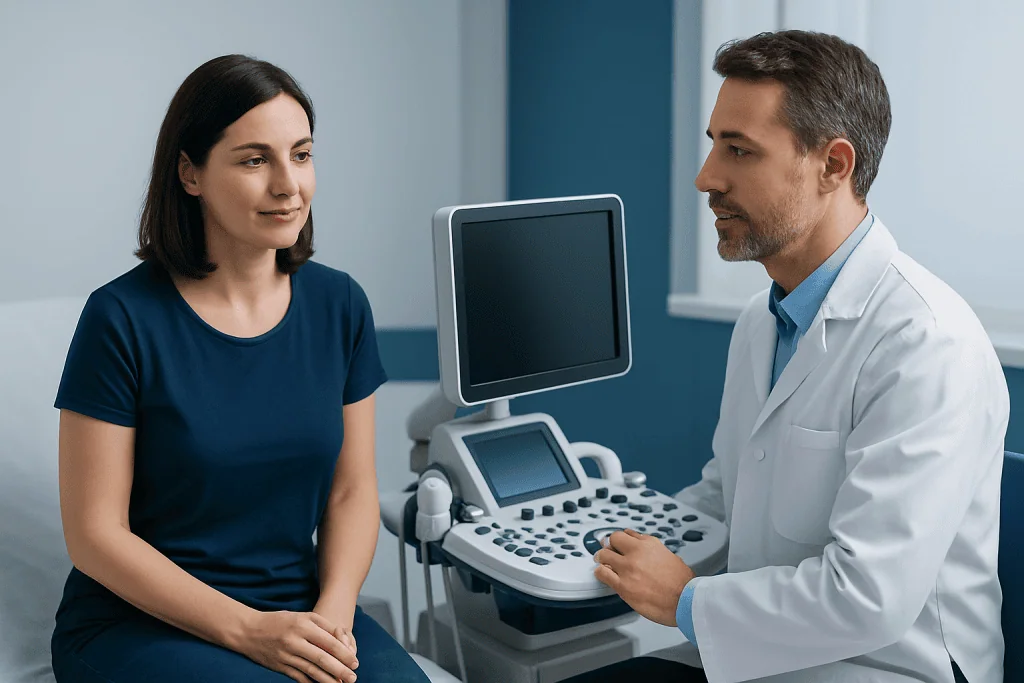
The better prepared your records are, the smoother your care planning usually becomes. Before your case is reviewed, gather your recent test results, imaging reports, pathology results if relevant, a summary of your diagnosis, and a list of current medications. If you have scans on CD, USB, or secure digital links, keep those ready too.
Try to send the most recent and relevant documents rather than every medical paper you have collected over the years. If any records are not in English, ask whether translation is needed and which documents are the highest priority. Clear file names and dates can save time for both you and the care coordination team.
It also helps to prepare a short personal summary in your own words. Include your main symptoms, when they began, what treatment you have already received, any allergies, and any important medical conditions such as diabetes, heart disease, or previous surgeries.
- Passport copy or identification details
- Recent consultation notes
- Blood test results and imaging reports
- Medication and allergy list
- Questions you want answered before travel
How your treatment planning usually works

Once your information is shared, the next step is usually an internal review to understand which specialty or multidisciplinary team should assess your case. In a large healthcare group such as Acibadem International, this can be helpful if your condition may involve more than one department, because care planning is often coordinated across specialties rather than handled in isolation.
You may then receive guidance on the likely next steps, such as whether you need an online consultation, further tests on arrival, or a face-to-face assessment in hospital. It is important to understand that a final treatment plan may only be confirmed after doctors examine you and review up-to-date tests in person. This is normal and helps keep your care safe.
During this stage, ask practical questions as well as medical ones. For example, ask how many days you may need to stay in Turkey, whether you should arrive earlier for testing, whether a companion is recommended, and what records or medications you should bring with you.
Planning your trip to Turkey with less stress
When you are traveling for treatment, practical details matter just as much as appointments. Once your provisional plan is clearer, start organizing your passport validity, visa requirements if applicable, flight options, and where you will stay. It is wise to avoid very tight schedules, especially if there may be tests, treatment decisions, or recovery time that can affect your return date.
Acibadem International’s patient services teams commonly help international patients with the practical side of travel, including interpreter arrangements and guidance on transfers and accommodation. Even with support, keep your own written itinerary with flight details, hotel address, emergency contacts, and hospital contact numbers in one easy-to-reach place.
If you are bringing a family member or companion, plan their role in advance. They may help with paperwork, communication, medication reminders, or simply emotional support. Make sure they also understand the schedule, the local transport plan, and what to do if your appointment times change.
What to expect when you arrive at the hospital
Your first hospital day is often a mix of registration, document checks, initial assessments, and orientation. If you are coming through Acibadem Health Point, there is usually a structured handover into the in-hospital process so you know where to go and who is coordinating your next step. Keep your passport, medical files, insurance documents if relevant, and medication list with you rather than packed away.
International patients often find it reassuring to know that interpreter and coordination support may be available during appointments. This can help you understand the plan clearly and ask questions with confidence. If something is unclear, pause and ask for it to be repeated in simpler terms before you agree to the next step.
Acibadem International operates JCI-accredited hospitals, and that matters most in the details of patient safety, coordination, and standardized processes. For you, this should translate into a more structured experience: clear registration steps, consent discussions, attention to records, and coordinated communication between departments.
How to communicate well and stay involved in your care
You do not need medical expertise to participate actively in your care. The most useful approach is to be open, specific, and consistent when you describe symptoms, past treatment, allergies, and what you hope to achieve. If you are worried about pain, timing, language barriers, or recovery logistics, say so early rather than waiting until the day of treatment.
Bring a notebook or keep notes on your phone. Write down names of departments, appointment times, preparation instructions, and follow-up questions. If a lot of information is shared at once, ask for the key actions in order: what happens today, what you need to do tonight, and what happens tomorrow.
If you are using an interpreter, speak in short clear sentences and confirm your understanding at the end of each topic. A simple phrase such as ‘Can I repeat this back to make sure I understood correctly?’ can prevent misunderstandings and help you feel more in control throughout the process.
Practical tips for a smoother and safer experience
Build extra time into everything. International healthcare journeys often involve traffic, unfamiliar locations, longer-than-expected assessments, or additional testing. A flexible mindset and a buffer in your schedule can reduce stress and help you adapt if plans change.
Keep essential items with you every day: identification, your phone and charger, current medications in original packaging, a small amount of local currency or payment method, and any written preparation instructions. If you have dietary, mobility, or accessibility needs, mention them in advance so the team can guide you more effectively.
Finally, remember that good planning does not mean you need to solve everything yourself. One of the main advantages of starting through Acibadem Health Point and the wider Acibadem International network is that your journey can be coordinated step by step, with support for both medical planning and everyday logistics.
Step by step
- Make your first contact. Start by reaching out with a brief summary of your health concern and what kind of care you are seeking. Keep your first message simple and clear, then be ready to provide more detailed medical records when requested.
- Gather and send your records. Collect your recent reports, imaging, medication list, diagnosis details, and any previous treatment summaries. Sending complete and organized information helps the medical team review your case more efficiently and guide you accurately.
- Receive initial guidance. After review, you may be advised on the likely specialty, possible tests, or whether an online or in-person assessment is the best next step. Treat this stage as orientation, knowing that final decisions may depend on examination and updated tests after you arrive.
- Plan travel and accommodation. Once your provisional pathway is clearer, organize your flights, visa requirements if needed, hotel, and transfer plans. Leave flexibility in your travel dates in case testing, scheduling, or recovery affects your timeline.
- Prepare for arrival. Before you leave home, pack your documents, medications, chargers, comfortable clothes, and any assistive items you use regularly. Save all contact details in your phone and keep paper backups in case you need them during travel.
- Attend registration and assessment. At the hospital, expect registration, verification of your records, and consultations or tests needed to confirm the plan. Ask questions at each stage so you understand what is happening, why it is needed, and what comes next.
- Confirm your ongoing plan and follow-up. Before treatment or discharge, make sure you understand the schedule, medication instructions, warning signs, and follow-up arrangements. If you will continue recovery at home, ask how to stay in contact with the care team after returning from Turkey.
Your checklist
- Passport and travel documents checked for validity
- Recent medical reports and imaging ready to share
- Current medication list and allergy information prepared
- Key questions written down before your consultation
- Flight, hotel, and hospital contact details saved
- Comfortable clothing and daily essentials packed
- Companion plan arranged if you want support
- Interpreter or language support requested if needed
Key takeaways
- Acibadem Health Point helps you organize the first steps of your care journey as an international patient.
- Good preparation means gathering recent records, medication details, and practical travel information before review.
- Final treatment planning is often confirmed after in-person assessment and updated tests in Turkey.
- Interpreter, coordination, and logistics support can make your experience smoother and less stressful.
- Keeping notes, asking questions, and allowing extra time can improve both confidence and safety.
Frequently asked questions
What is the first thing I should do to start with Acibadem Health Point?
Begin by making contact and sharing a short summary of your condition, past treatment, and what kind of help you are seeking. You will usually then be asked for medical records so the appropriate team can review your case and guide your next steps.
Do I need all of my old medical records?
Usually, the most important records are your recent and relevant reports, test results, imaging, pathology if applicable, and current medication list. If you are unsure what matters most, send what you have and ask which additional documents would be useful.
Will my treatment plan be confirmed before I travel to Turkey?
You may receive an initial opinion or likely pathway before travel, but a final plan is often confirmed after doctors assess you in person and review current tests. This is a normal part of safe medical decision-making and helps match treatment to your most up-to-date condition.
Can Acibadem International help with travel logistics?
International patient services may help guide you on practical arrangements such as interpreters, transfers, accommodation coordination, and appointment scheduling. It is still wise to keep your own copies of all travel details and allow flexibility in your plans.
What should I bring with me to the hospital on my first day?
Bring your passport or identification, medical records, medication list, current medicines in original packaging, and any appointment information you have received. A notebook, phone charger, and a companion if you prefer support can also make the day easier.
What if I do not speak Turkish or feel nervous about communication?
Many international patients share this concern, and interpreter support may be available through Acibadem International. Even with interpretation, it helps to speak clearly, ask for simple explanations, and repeat back the key points to confirm you understood them correctly.
How long should I plan to stay in Istanbul or Turkey?
The right length of stay depends on your condition, whether you need testing first, and how quickly treatment decisions can be confirmed. Ask for general timing guidance early, but leave room for changes because medical schedules and recovery needs can shift.
Add us as a Preferred Source to see more of our trusted health content across Google Search, AI Overviews and Discover.
More Patient Guides

Interpreter Support in Turkish Hospitals: When to Request Help
Interpreter support in Turkish hospitals helps you understand appointments, consent and discharge clearly in Turkey or Istanbul.
9 min read
Medical Interpreter at the Hospital: When to Request One and How It Helps
Medical interpreter at the hospital helps you understand care, consent and next steps clearly in Turkey or Istanbul. Request one before key…
8 min read
Acibadem Hospital Safety: How We Protect International Patients
Acibadem hospital safety means coordinated, JCI-aligned care, interpreters, infection control, and clear support for international patients in Turkey.
9 min read