

How Safe Is Treatment at Acibadem?

How safe is treatment at Acibadem? Care is supported by JCI-accredited hospitals, safety checks, and international patient services in Turkey.
If you are wondering how safe treatment at Acibadem is, the short answer is that safety is built around accredited hospitals, standardized checks, specialist teams, and practical support for international patients. This guide helps you understand what that means for you before you travel, during your stay, and when you return home.
At a glance
- Best for: Patients who want a clear, practical view of hospital safety and support
- What supports safety: JCI-accredited hospitals, protocols, multidisciplinary teams, and follow-up planning
- International help: Interpretation, coordination, travel guidance, and accommodation support
- What to prepare: Your records, medication list, questions, passport details, and emergency contacts
- Where care takes place: Acibadem hospitals in Turkey, including Istanbul
What “safe treatment” usually means for you
When you ask how safe treatment at Acibadem is, it helps to break safety into practical parts. For most patients, safety is not one single feature. It is the combination of hospital standards, the way decisions are made, how your identity and medical history are checked, how infection prevention is handled, and how clearly your care team communicates with you.
In a large healthcare group such as Acibadem International, safety also includes coordination. If you are traveling from abroad, you need more than good medical care alone. You need your records reviewed in advance, appointments arranged in the right order, support with language needs, and a plan for what happens after treatment. These logistics can reduce confusion and help your care run more smoothly.
You should also remember that no hospital can promise zero risk. Any test, procedure, treatment, anesthesia, or hospital stay can involve risks that vary from person to person. A trustworthy safety culture is usually shown not by guarantees, but by careful assessment, clear consent, standard checks, and a willingness to answer your questions honestly.
How accreditation and hospital standards help
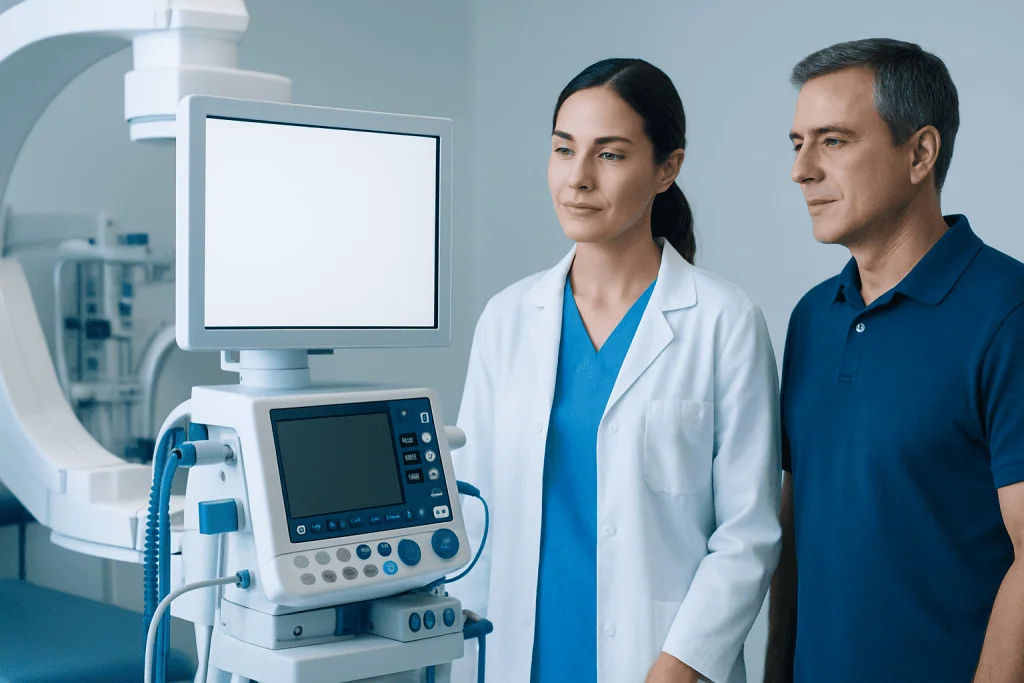
One of the most recognized signs of organized hospital quality is accreditation. Acibadem International includes JCI-accredited hospitals, which means the hospitals are assessed against internationally recognized standards related to patient care, safety systems, infection control, medication management, and continuous improvement.
For you as a patient, accreditation matters because it supports consistent routines rather than leaving important steps to chance. This can include identity verification before tests or procedures, documentation standards, medication safety processes, and systems for responding if a patient’s condition changes.
Accreditation is not the only marker of safe care, but it is a useful starting point when you are comparing options in Turkey or Istanbul. You can still ask practical follow-up questions: who reviews your case, how emergency support is handled, whether interpreters are available, and how your discharge and follow-up will be organized.
- Ask whether your hospital is JCI-accredited.
- Ask how your records are reviewed before you travel.
- Ask what checks happen on the day of admission or treatment.
- Ask how the team communicates with your doctor at home, if needed.
What safety checks you can expect before treatment

Much of treatment safety happens before anything begins. You may be asked for previous reports, imaging, pathology results, blood test results, allergies, current medications, past operations, and chronic conditions. This advance review helps the team understand whether you are a suitable candidate, whether you need more tests, and whether there are factors that could change timing or planning.
When you arrive, expect repeated questions. You may be asked to confirm your identity, the reason for your visit, your allergies, and your medication list more than once. This repetition can feel formal, but it is a normal part of safe practice because it helps prevent avoidable mistakes.
If your treatment involves anesthesia, surgery, or a more complex intervention, there may be additional consultations and pre-assessment tests. These are there to make sure the team has the clearest possible picture of your health. If something is not ideal for immediate treatment, a safe provider should explain why and discuss alternatives or postponement rather than rushing ahead.
How teams, communication, and interpreters make a difference
International patients often think of safety only in medical terms, but communication is a major part of safe care. If you do not fully understand instructions, medication timing, fasting rules, mobility advice, or warning signs after treatment, your experience can become harder than it needs to be. That is why international patient coordination and interpretation support are so important.
Acibadem International supports patients with dedicated international services that can help organize appointments, explain logistics, and coordinate non-clinical needs. Interpreters can be especially helpful during consultations, consent discussions, admission, discharge teaching, and follow-up arrangements. Good communication makes it easier for you to ask questions and understand what is happening at each stage.
Safety also improves when specialists work together. In many cases, care is not provided by one doctor in isolation. A multidisciplinary approach may involve the main specialist, imaging teams, laboratory services, anesthesiology, nursing, rehabilitation, and other experts if needed. For you, this usually means decisions can be made with broader input, especially if your case is complex or you have other medical conditions.
Practical things you can do to make your treatment safer
You play an important role in your own safety, especially when traveling abroad for treatment. Start by sharing complete and accurate information. Bring your full medication list, including supplements, herbal products, blood thinners, insulin, and anything you take occasionally. Also mention allergies, past reactions to anesthesia, implanted devices, pregnancy possibility, and any recent infections or hospital stays.
Prepare your questions in writing before your consultation. You might ask why a treatment is recommended, what alternatives exist, what preparation is required, how long recovery may take, and which symptoms should prompt urgent review. If English is not your first language, ask for interpreter support early so you are not trying to manage important details under stress.
It is also wise to plan your travel around your medical needs rather than around sightseeing or a very tight schedule. Leave enough time in Turkey for pre-treatment checks, the treatment itself, and the first stage of recovery. If you are coming to Istanbul or another city for care, ask Acibadem International what timeline they recommend before you book return travel.
- Keep digital and printed copies of your records.
- Bring original medication packaging where possible.
- Do not stop medicines unless your care team tells you to.
- Follow fasting, hygiene, and arrival instructions exactly.
- Arrange a companion if your treatment or recovery plan requires support.
What happens after treatment and why follow-up matters
Many patients focus on the day of treatment, but safe care continues afterward. Before you leave the hospital, you should understand your medications, wound or recovery instructions if relevant, activity limits, diet guidance, and what symptoms require urgent medical attention. If anything is unclear, ask for it to be repeated in simpler language or through an interpreter.
Discharge planning matters even more for international patients because you may be staying in a hotel or serviced apartment rather than near your usual doctor. Practical support with accommodation, transport planning, and contact points can make recovery feel more manageable. Acibadem International can help coordinate these parts of the experience so you know whom to contact if you have questions during your stay.
Before flying home, confirm whether you need a final review, a fit-to-fly opinion, copies of your reports, imaging, prescriptions, or a summary for your doctor at home. Ask how follow-up works once you return. A clear handover and a way to communicate after discharge can make your treatment journey feel safer and more complete.
Step by step
- Share your medical records early. Send your reports, test results, imaging, medication list, and medical history before you travel if possible. Early review helps the team assess suitability, plan timing, and identify any further tests or consultations you may need.
- Confirm the treatment plan and hospital details. Make sure you understand which hospital you will attend, what type of treatment is planned, and whether you need any pre-assessment appointments. This is also the right time to ask about accreditation, interpreter availability, and expected length of stay.
- Prepare safely for travel. Book your trip with enough time for consultations, the procedure or treatment, and the first stage of recovery. Avoid planning a rushed return, and check whether you should travel with a companion depending on your treatment and mobility needs.
- Bring the right documents and medications. Carry your passport, hospital confirmation, insurance details if relevant, recent reports, and a complete medication list. Keep medicines in original packaging when possible and never change your routine without medical advice.
- Ask questions at admission and consent. Before treatment, ask anything that is unclear about preparation, risks, alternatives, expected recovery, and warning signs afterward. If you prefer, request interpreter support so you can understand and decide with confidence.
- Follow discharge instructions carefully. After treatment, review your medication plan, activity guidance, follow-up schedule, and emergency contact route before leaving the hospital. If you are staying in Turkey for a few days, keep all paperwork and contact details easy to access.
- Plan follow-up before going home. Ask what reviews should happen before your flight and what communication is available after you return home. A written summary for your local doctor can help make your continuing care safer and more seamless.
Your checklist
- Passport and travel documents
- Complete medication list, including supplements and allergies
- Recent test results, imaging, and medical reports
- Questions you want answered during consultation
- Emergency contact details and companion information
- Comfortable clothing and any mobility aids you use
- Copies of prescriptions and your usual doctor’s details
- Return travel planned with recovery time in mind
Key takeaways
- Treatment safety is built from systems, checks, communication, and follow-up rather than one single factor.
- JCI-accredited hospitals can provide reassurance that structured safety and quality standards are in place.
- International patient services and interpreters can reduce confusion and support safer decisions and recovery.
- You can improve your own safety by sharing full medical information and following instructions carefully.
- Before traveling home, make sure you understand medications, warning signs, and how follow-up will work.
Frequently asked questions
Is treatment at Acibadem safe for international patients?
Safety for international patients depends on both medical standards and good coordination. Acibadem International supports this through JCI-accredited hospitals within the group, specialist teams, and international patient services that help with communication, planning, and follow-up.
What does JCI accreditation mean for me as a patient?
JCI accreditation is an internationally recognized hospital quality standard. For you, it generally means the hospital follows structured processes around patient safety, care quality, infection prevention, medication management, and continuous review.
Will I be able to communicate easily with the care team?
International patients often need extra support to understand appointments, consent, recovery instructions, and discharge plans. Interpreter and coordination services can help you ask questions clearly and reduce misunderstandings that could affect your care.
What should I bring to make my treatment safer?
Bring your full medical history, recent reports, imaging, medication list, allergy information, and any details about previous operations or chronic conditions. Accurate information helps the team assess you properly and avoid preventable problems.
Can any hospital guarantee that treatment will be risk-free?
No responsible hospital can promise zero risk. Safe care means risks are assessed carefully, explained clearly, and managed through standard protocols, appropriate monitoring, and follow-up planning.
How do I know if I am fit to travel home after treatment?
This depends on the type of treatment you had, your recovery progress, and whether you have any complications or special needs. Before you leave Turkey, ask your care team whether you need a final review, specific travel precautions, or a fit-to-fly recommendation.
Add us as a Preferred Source to see more of our trusted health content across Google Search, AI Overviews and Discover.
More Patient Guides

Interpreter Support in Turkish Hospitals: When to Request Help
Interpreter support in Turkish hospitals helps you understand appointments, consent and discharge clearly in Turkey or Istanbul.
9 min read
Medical Interpreter at the Hospital: When to Request One and How It Helps
Medical interpreter at the hospital helps you understand care, consent and next steps clearly in Turkey or Istanbul. Request one before key…
8 min read
Acibadem Hospital Safety: How We Protect International Patients
Acibadem hospital safety means coordinated, JCI-aligned care, interpreters, infection control, and clear support for international patients in Turkey.
9 min read