

What Technology International Patients Find at Acibadem Hospitals

Technology at Acibadem Hospitals includes advanced imaging, robotic systems, digital records and coordinated support for international patients in Turkey.
If you are planning care abroad, it helps to know what hospital technology may shape your experience day to day. At Acibadem Hospitals, international patients typically encounter a mix of advanced diagnostic, surgical, digital and coordination systems designed to support safer, more organized care.
At a glance
- Best for: International patients who want to understand the practical role of hospital technology
- What you will find: Imaging, operating room technology, digital records, lab systems and patient-support tools
- Where it helps most: Diagnosis, treatment planning, coordination, safety checks and follow-up
- What to ask about: Whether a specific technology is relevant for your condition and hospital location
- Support available: International patient services, interpreters and travel coordination
What “technology” usually means during your hospital journey
When you read about hospital technology, it can sound abstract. In practice, it usually affects the parts of your journey you can actually feel: how quickly information moves, how clearly your doctors can see what is happening in your body, how precisely a procedure may be planned, and how smoothly different teams coordinate your care.
For international patients, this matters even more because you are managing travel, timing, language and often a short treatment window. Technology can support that process by helping teams share imaging, lab results and treatment plans across specialties, so you spend less time repeating the same information and more time understanding your next step.
At Acibadem International, patients may encounter technology in many forms: advanced imaging and laboratory systems, digitally coordinated medical records, surgical and interventional platforms, and tools used in intensive care, oncology, cardiology, orthopedics and other specialties. The exact systems used depend on your hospital, your doctor’s plan and your medical needs.
Diagnostic technology you may notice first
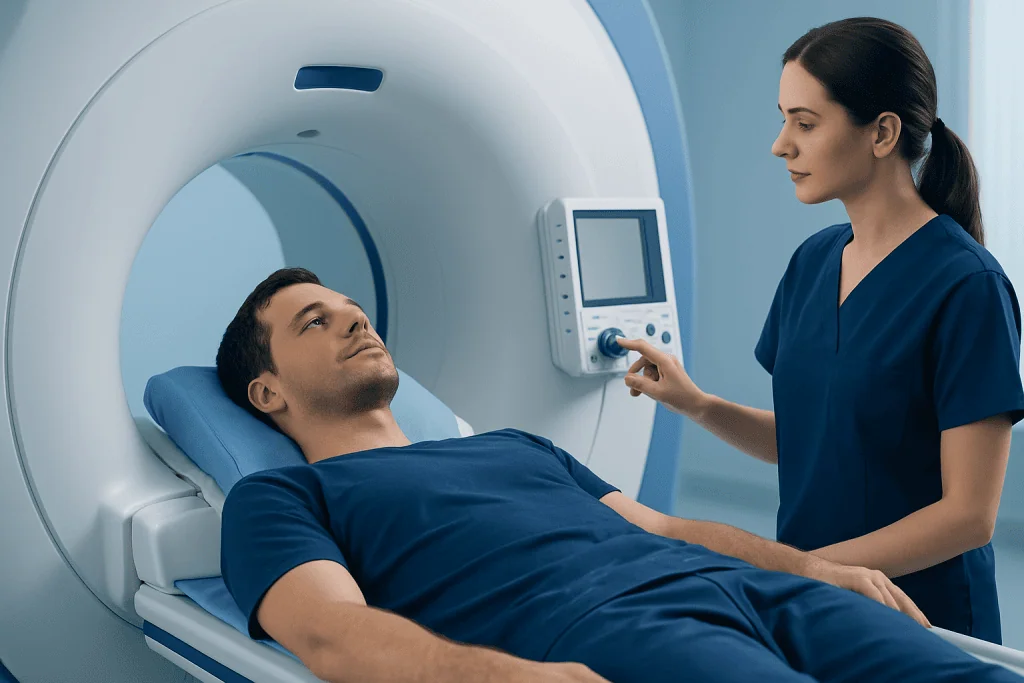
Most patient journeys begin with diagnosis or confirmation of a previous diagnosis. This is often where hospital technology is most visible. Depending on your case, you may be scheduled for imaging such as MRI, CT, PET-CT, ultrasound, mammography or other specialized scans, along with blood tests and pathology review.
The practical benefit for you is not simply that a machine is advanced; it is that your medical team can often gather detailed information to guide decisions more confidently. For example, imaging may help define the location, size or spread of a condition, while laboratory systems can support timely test processing and cross-checking before treatment planning.
If you are arriving from abroad with existing scans or reports, bring both digital and printed copies if possible. Hospitals with strong digital systems can often review outside records more efficiently, but file compatibility varies. Ask in advance which formats are best to send, whether translations are needed and if repeat imaging might still be recommended for safety or quality reasons.
- Bring scan discs, cloud links or secure file access details
- Carry a list of recent blood tests and medications
- Ask whether your previous reports need certified translation
- Allow time in your schedule in case updated tests are requested
Treatment and operating room technology: what it can change for you
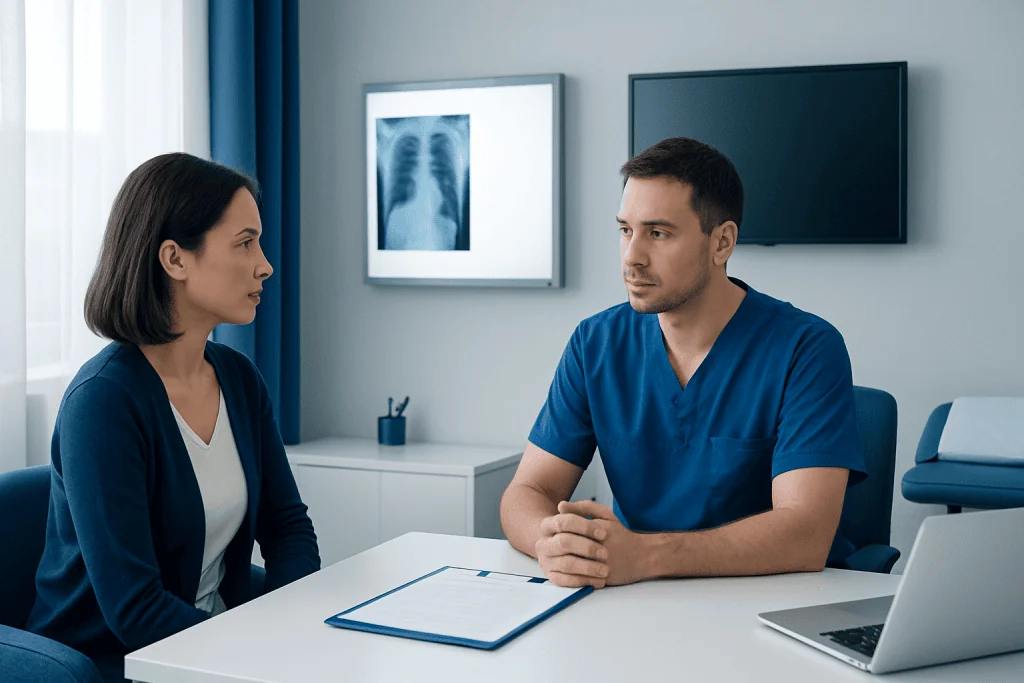
Some patients come to Turkey specifically because certain hospitals offer access to advanced treatment platforms. Depending on your specialty, this may include robotic-assisted surgery systems, image-guided procedures, advanced radiotherapy planning, catheter-based cardiovascular technology, navigation tools in orthopedics or neurosurgery, and high-level monitoring in operating rooms and critical care settings.
From a patient perspective, the most useful question is not “What is the newest machine?” but “How does this technology fit my diagnosis, treatment plan and recovery expectations?” A technology can help your team improve planning, visualization or precision, but it is only valuable when it is appropriate for your case and used by an experienced multidisciplinary team.
Acibadem International often coordinates care across specialties, which matters when treatment decisions involve more than one department. If your care plan includes surgery, radiation, interventional procedures or a complex therapy pathway, ask how the technology supports the team’s workflow, what preparation is needed from you and whether it may affect your hospital stay, mobility or follow-up schedule.
Digital systems, records and coordination behind the scenes
One of the least visible but most important forms of hospital technology is digital coordination. Electronic medical records, image-sharing platforms, laboratory information systems and medication-tracking workflows can make your stay more organized and help reduce delays between consultation, testing and treatment.
For international patients, this can be especially helpful if you are seeing several specialists in a short period. Instead of carrying every detail between departments yourself, digital systems may allow clinicians to review your scans, results and consultation notes directly. That does not remove the need for you to stay informed, but it can make the process feel more connected.
You should still keep your own backup folder with passports, insurance documents if relevant, reports, medication lists and emergency contact details. Even in highly digital environments, practical preparation matters. Ask your international patient coordinator how results are shared with you, whether you can access reports after discharge and what documents you should keep for follow-up in your home country.
How technology connects with safety, quality and international support
Technology is most reassuring when it is tied to clear safety processes. In a JCI-accredited setting such as Acibadem hospitals, international patients often want to understand not only what equipment exists, but how it fits into patient identification, infection control, medication checks, imaging protocols and escalation pathways if your condition changes.
It is reasonable to ask practical questions: How are allergies recorded? How are medications cross-checked? How are scan results reviewed across teams? Who do you contact after hours if you have a concern once discharged? Good technology should support these processes, not replace human judgment and communication.
International patient services can also make technology easier to navigate. At Acibadem International, interpreters and coordinators may help you schedule appointments, move between departments, understand which tests are booked and collect discharge paperwork. This administrative support can be just as valuable to your overall experience as the medical technology itself, especially if you are managing care in an unfamiliar country.
Questions to ask before you travel
If technology is an important part of why you are considering treatment abroad, ask focused questions early. Broad claims are less useful than understanding whether a particular technology is available at the hospital you will attend, whether your specialist recommends it for your condition and what realistic benefit it may offer in your situation.
You do not need to become an expert in equipment names. Instead, ask for plain-language explanations. For example: Will this scan replace one I already had? Is robotic-assisted surgery an option for me, or just one possible approach? Will advanced imaging be done before I arrive or after I land in Istanbul? How many days should I keep free for planning tests?
These questions help you build a realistic travel plan. They also reduce frustration if part of your care pathway changes after an in-person review, which is common and not necessarily a problem. Your doctors may confirm the initial plan, refine it or recommend a different approach once they have reviewed your case directly.
- Confirm the exact hospital and department
- Ask which tests may be repeated on arrival
- Check whether sedation or fasting is required for any scan
- Request timelines for reports, procedures and discharge documents
- Ask how your records will be shared for home-country follow-up
What this means for your overall experience in Turkey
For many international patients, advanced hospital technology is reassuring because it suggests structured, modern care. But your actual experience will depend on how well that technology is integrated with communication, scheduling, language support and aftercare planning. The best experience usually comes from both: capable systems and a team that explains each step clearly.
If you are traveling to Istanbul or another city in Turkey for treatment, think of technology as one part of the journey rather than the entire reason to choose a hospital. You also need clarity on airport transfers, accommodation, companion needs, estimated length of stay, payment logistics, and what happens if you need extra tests or a longer recovery period.
Acibadem International supports many patients through this practical side of care with international patient services, interpreters and travel-related coordination. Used well, these support systems help the medical technology around you feel less overwhelming and more useful, so you can focus on your appointments, decisions and recovery.
Step by step
- Share your medical records before you travel. Send your reports, scan files and medication list in advance if the hospital requests them. This helps the medical team decide which technologies or tests may be relevant and whether any information should be updated after you arrive.
- Ask which technology is actually relevant to your case. Do not assume every advanced system applies to every patient. Ask your coordinator or doctor which diagnostic or treatment technologies may be used for your condition and why they matter in practical terms.
- Plan your schedule around testing and review time. Some patients need same-week imaging, lab work or multidisciplinary review before treatment can begin. Keep your travel dates flexible enough to allow for repeat tests, result turnaround and changes to the original plan.
- Prepare for digital and paper documentation. Bring electronic copies of scans as well as printed summaries, passport details and your medication list. Even with digital systems in place, having organized backups saves time and reduces stress.
- Use international patient support services. If interpreters, appointment coordination or transport assistance are available, make use of them early. These services can help you move between departments and understand how your test results and treatment steps connect.
- Clarify your discharge and follow-up plan. Before leaving the hospital or Turkey, ask how your reports, imaging and recommendations will be shared with you. Make sure you know which documents your doctor at home may need and whom to contact with questions after discharge.
Your checklist
- Passport and travel documents
- Recent medical reports and imaging files
- Current medication and allergy list
- Questions about specific technologies recommended for you
- Contact details for your international patient coordinator
- A flexible travel timeline for possible repeat testing
- Insurance or payment documents if relevant
- A plan for receiving reports and follow-up instructions after discharge
Key takeaways
- Technology at Acibadem Hospitals may include advanced imaging, surgical systems, digital records and coordinated lab platforms.
- For international patients, the biggest benefits are often better planning, clearer diagnosis, smoother coordination and stronger safety checks.
- Not every technology is relevant for every condition, so ask how it applies to your individual case.
- International patient services, interpreters and travel support can make complex hospital systems much easier to navigate.
- Bring organized records and allow time for repeat tests or updated treatment planning after arrival in Turkey.
Frequently asked questions
Will I automatically receive the most advanced technology available?
Not necessarily. Your doctor will usually recommend the tests, equipment or treatment platform that best fits your diagnosis, symptoms and overall plan. The most advanced option is not always the most appropriate one for every patient.
Can I rely on scans and reports from my home country?
You should absolutely bring them, because they are often helpful for initial review. However, your team may still request repeat imaging or laboratory tests after arrival to confirm details, use compatible protocols or make sure treatment decisions are based on the most current information.
Does hospital technology make treatment safer?
Technology can support safety when it is part of a strong system that includes trained teams, clear protocols and careful review. It may help with medication checks, monitoring, imaging accuracy and coordination, but it works best alongside experienced clinical judgment and good communication.
How do I know whether robotic or image-guided treatment is right for me?
Ask your specialist to explain the expected benefit in plain language for your own case. A useful discussion covers why that approach is being considered, what alternatives exist, and whether it may affect hospital stay, recovery timeline or follow-up needs.
Will language be a problem when technology-heavy tests are scheduled?
It does not have to be, especially if you use international patient support from the start. At Acibadem International, coordinators and interpreters can help you understand appointment timing, preparation steps such as fasting, and where to go for each test.
Can I get my results and records after I return home?
In many cases, yes, but you should confirm the process before discharge. Ask how reports, imaging summaries and treatment notes will be shared, what format they will be in, and which documents you should provide to your doctor in your home country.
Add us as a Preferred Source to see more of our trusted health content across Google Search, AI Overviews and Discover.
More Patient Guides

Interpreter Support in Turkish Hospitals: When to Request Help
Interpreter support in Turkish hospitals helps you understand appointments, consent and discharge clearly in Turkey or Istanbul.
9 min read
Medical Interpreter at the Hospital: When to Request One and How It Helps
Medical interpreter at the hospital helps you understand care, consent and next steps clearly in Turkey or Istanbul. Request one before key…
8 min read
Acibadem Hospital Safety: How We Protect International Patients
Acibadem hospital safety means coordinated, JCI-aligned care, interpreters, infection control, and clear support for international patients in Turkey.
9 min read