

How Acibadem Uses Technology, Doctors, and Care Teams

How Acibadem uses technology, doctors, and care teams in Turkey: coordinated specialists, interpreters, planning support, and patient-focused care.
When you travel for care, you want to know how decisions are made, who is involved, and what support you will actually receive day to day. This guide explains how Acibadem International brings together medical technology, specialist doctors, and care teams so your treatment journey feels coordinated, practical, and easier to navigate.
At a glance
- Best for: Patients who want to understand how hospital teams and systems work together
- What you will learn: How technology, doctors, nurses, coordinators, and interpreters support your journey
- Applies to: Consultations, diagnostics, treatment planning, hospital stay, and follow-up
- International support: Travel coordination, language help, scheduling, and practical guidance
- Care model: Multidisciplinary, patient-centered, and safety-focused
What this means for you as an international patient
If you are considering treatment abroad, one of your biggest questions is usually simple: how will all the moving parts come together once you arrive? In practice, your experience depends not only on the doctor you meet, but also on how well the hospital connects diagnosis, treatment planning, nursing care, communication, scheduling, and follow-up.
At Acibadem International, the goal is to make that process more joined up for you. Rather than treating your visit as a series of separate appointments, the hospital system is designed to coordinate people and information across departments, so you spend less time trying to organize details on your own.
This matters especially if you are traveling to Turkey or Istanbul from another country. You may be dealing with time zones, medical records in different formats, language differences, and questions from your family at home. A structured international patient pathway can help you feel more informed before you travel and better supported while you are in hospital.
How technology supports your care journey
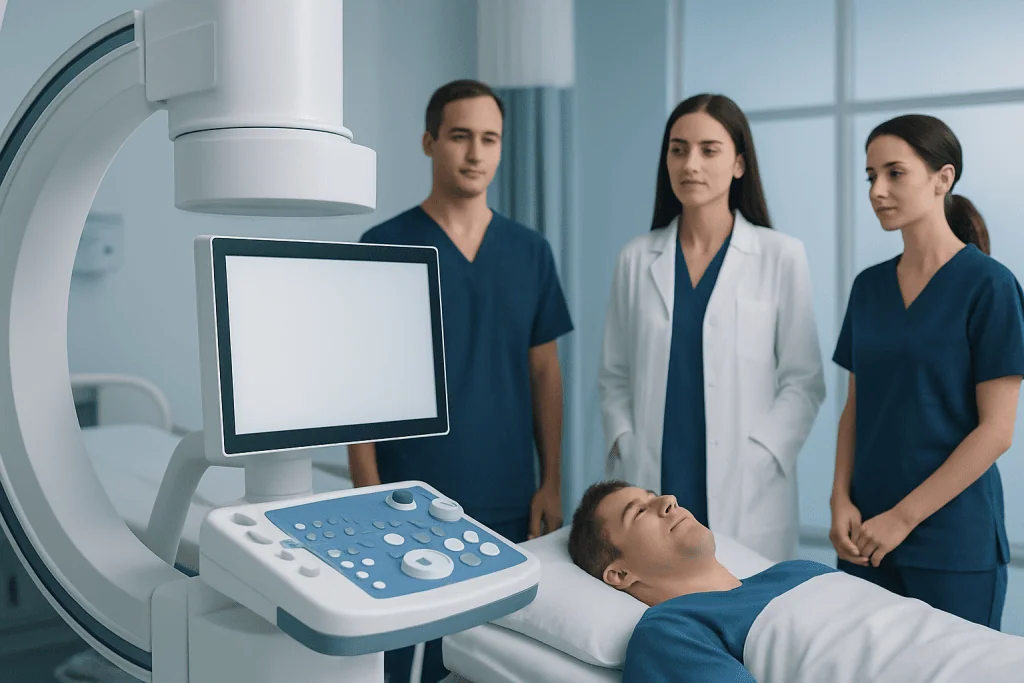
In a modern hospital setting, technology is most useful when it helps your care team make timely, informed decisions. This can include digital access to imaging and test results, systems that help departments share information, and equipment used for diagnostics, monitoring, and treatment planning. For you, the benefit is usually not the technology itself, but the smoother experience it can create.
For example, when your records, scans, and reports are organized clearly, specialists can review the same information without unnecessary repetition. That may help reduce delays between consultation, testing, and next steps. It can also make it easier for your doctor to explain findings in a way that is consistent with what the wider team sees.
Technology also supports safety and continuity. In JCI-accredited hospital environments such as Acibadem International facilities, standardized systems and documentation processes are part of how teams track your treatment plan, medications, test requests, and discharge instructions. This does not remove the need for human attention, but it does help support safer coordination.
- Digital review of scans and test results across teams
- Structured documentation to support continuity of care
- Monitoring and hospital systems that assist day-to-day safety
- Clearer sharing of information between departments
Why your doctors do not work alone

Many patients imagine treatment as a one-to-one relationship with a lead physician, but complex care is usually broader than that. Depending on your needs, your case may involve consultants from different specialties, radiology and laboratory teams, nurses, rehabilitation professionals, anesthesiology, patient coordinators, and administrative staff who manage timing and logistics.
This multidisciplinary approach can be especially helpful if your situation is not straightforward or if you need more than one opinion before deciding on a plan. Instead of you trying to carry information between departments, the hospital team can discuss findings together and align on what needs to happen first, what can wait, and what preparation is needed.
At Acibadem International, this team-based structure is one reason many international patients feel more reassured during treatment planning. You are not expected to understand every technical detail on your own. Your role is to ask questions, share your symptoms and priorities, and make informed decisions with support from a coordinated medical team.
The role of nurses, coordinators, and interpreters
Your experience in hospital is shaped by much more than consultation time with a specialist. Nurses are often the people you see most frequently, and they play a central role in observation, medication timing, comfort, education, and helping you understand what happens next. If something feels unclear, nurses are often the first point of practical support.
For international patients, coordinators and interpreters are equally important. An international patient service team can help arrange appointment flow, collect documents before arrival, explain basic logistics, and support communication between you and the medical team. This is particularly helpful if English is not your first language or if you are traveling with a companion who needs updates too.
Acibadem International is known for supporting overseas patients with these non-clinical essentials, including interpreter services and travel or accommodation guidance where needed. That kind of support does not replace medical care, but it can reduce stress at exactly the moments when practical confusion would otherwise feel overwhelming.
How decisions are made before and during treatment
Good care should feel clear, not rushed. Before treatment begins, your team typically reviews your medical history, current symptoms, previous reports, medications, and any tests needed to confirm the diagnosis or plan the next stage. You may have more than one consultation, especially if your treatment requires input from several departments.
As decisions are made, you should expect explanations in language you can follow: what is known, what still needs to be checked, what the recommended plan is, and what alternatives or timing considerations may exist. If you need time to think or to discuss options with family, say so. A well-organized team should help you make space for that conversation.
During your stay, plans may be updated based on test results, how you respond, or practical considerations such as recovery needs. This is normal. What matters is that changes are communicated clearly and that you know who to ask if you are unsure about the next step, expected timeline, or discharge process.
What coordinated care looks like in real life
From your point of view, coordinated care often shows up in small but meaningful ways. Your appointments are grouped logically where possible, your reports are available to the right teams, your companion knows where to wait and who to contact, and you are not repeatedly asked for the same information unless it is necessary for safety.
It also means practical support around the edges of treatment. If you are coming to Istanbul or another city in Turkey for care, you may need help understanding arrival timing, hospital check-in, nearby accommodation, airport transfers, or how long to remain in the country after a procedure. These questions are not separate from your care experience; they are part of it.
At Acibadem International, international patient services can help connect these practical details with your treatment schedule so the journey feels manageable. While no hospital visit is completely stress-free, a coordinated system can reduce uncertainty and help you focus on your recovery rather than on administrative obstacles.
How to make the most of this kind of care model
You can help your own care run more smoothly by arriving prepared. Bring your recent reports, scan files if available, medication list, allergy information, and a short written summary of your health history. If you have specific concerns, write them down in advance so they are easier to raise during consultations.
It is also helpful to choose one family member or companion as your main contact person, especially if several people at home will want updates. Ask who your day-to-day contact is, how results will be shared, and what the likely timeline is for discharge, medication guidance, and follow-up after you return home.
Finally, remember that coordinated care works best when communication goes both ways. Tell the team if you are anxious, in pain, confused about instructions, or worried about travel timing. Acibadem International teams are used to supporting patients across borders, but the more clearly you share your needs, the easier it is for them to tailor support around you.
Step by step
- Share your records before you travel. Send your recent reports, imaging, medication list, and a brief health summary as early as possible. This helps the medical team understand your case in advance and may make your first in-person appointments more focused and efficient.
- Confirm who will coordinate your journey. Ask whether you will have an international patient coordinator or contact team before arrival. Knowing who handles scheduling, documents, interpreter requests, and practical questions can make the process feel much easier.
- Use consultations to understand the full team. During planning, ask which specialists are involved and why. This gives you a clearer picture of how decisions are made and helps you understand whether your care includes tests, surgery, rehabilitation, or follow-up support.
- Ask how results and updates are shared. Find out when test results are usually discussed and who will explain any changes to the plan. If you have a companion, ask how they can receive updates appropriately while respecting your privacy.
- Prepare for your stay, not just your treatment. Confirm arrival time, expected length of stay, discharge basics, and any travel restrictions after treatment. If you need language support or accommodation guidance, request it early rather than waiting until the last moment.
- Keep one list of questions and instructions. Use your phone or a notebook to track answers, medication notes, and next steps. This is especially useful when several professionals are involved, because it helps you and your family stay aligned.
- Clarify follow-up before you go home. Before discharge, make sure you understand warning signs, medication instructions, activity limits, and how follow-up will happen after you leave Turkey. Ask which documents you should keep for your doctor at home.
Your checklist
- Passport and travel documents
- Recent medical reports and imaging files
- Current medication and allergy list
- Written summary of your medical history
- Contact details for your international patient coordinator
- Questions you want to ask the doctor and care team
- Interpreter request, if needed
- Companion contact plan for updates
- Discharge and follow-up notes before leaving hospital
Key takeaways
- Technology is most valuable when it helps your care team share information clearly and act without unnecessary delays.
- Your treatment is usually supported by a multidisciplinary team, not only one doctor.
- Nurses, coordinators, and interpreters play a major role in making international care understandable and practical.
- Coordinated care includes logistics such as scheduling, communication, accommodation guidance, and discharge planning.
- You can improve your experience by preparing records, asking clear questions, and confirming follow-up before returning home.
Frequently asked questions
What does it mean when Acibadem uses technology in patient care?
It usually means hospital systems, diagnostics, imaging, monitoring, and documentation are used to support clearer and more coordinated care. For you, the main benefit is often better communication between departments and a smoother path from evaluation to treatment and follow-up.
Will I only see one doctor during my treatment journey?
Not always. Depending on your condition, you may be seen by several specialists as well as nurses and other professionals who contribute to your plan. This team approach can help make decisions more complete and better coordinated.
How does Acibadem International help patients coming from abroad?
International patient services may help with appointment planning, document coordination, interpreter support, and practical travel or accommodation guidance. This can be especially helpful if you are coming to Turkey or Istanbul for treatment and want one clearer pathway through the process.
Why are nurses and coordinators so important to my experience?
They are often the people who help your day run smoothly, answer practical questions, and make sure instructions are understood. Even when your doctor leads clinical decisions, nurses and coordinators are central to comfort, timing, communication, and continuity.
Can my family or companion be kept informed too?
Usually yes, within the limits of your privacy preferences and hospital policies. It helps to choose one main contact person and ask early how updates will be shared, especially if your companion needs support with scheduling or hospital navigation.
How do I know if care is well coordinated?
You should be able to understand who is responsible for your treatment, what tests or appointments are next, and how changes will be explained. Well-coordinated care generally feels organized, with fewer repeated steps and clearer communication.
What should I ask before I leave the hospital?
Ask about medications, activity limits, warning signs, wound or recovery care if relevant, and how follow-up will work after you return home. Also make sure you receive the reports and documents your local doctor may need.
Add us as a Preferred Source to see more of our trusted health content across Google Search, AI Overviews and Discover.
More Patient Guides

Interpreter Support in Turkish Hospitals: When to Request Help
Interpreter support in Turkish hospitals helps you understand appointments, consent and discharge clearly in Turkey or Istanbul.
9 min read
Medical Interpreter at the Hospital: When to Request One and How It Helps
Medical interpreter at the hospital helps you understand care, consent and next steps clearly in Turkey or Istanbul. Request one before key…
8 min read
Acibadem Hospital Safety: How We Protect International Patients
Acibadem hospital safety means coordinated, JCI-aligned care, interpreters, infection control, and clear support for international patients in Turkey.
9 min read