

At Acibadem, What to Expect on Arrival for Your First Appointment

What to expect on arrival for your first appointment at Acibadem: registration, documents, interpreters, timing, and safety checks in Turkey.
Your first appointment should feel clear and manageable, even if you are traveling from abroad. Here is what you can expect when you arrive at Acibadem, from check-in and identity checks to interpreters, payment questions, and getting to the right clinic calmly and on time.
At a glance
- Best arrival time: Usually 20-30 minutes before your appointment unless you were told otherwise
- Bring with you: Passport or ID, appointment details, prior reports, imaging, medication list, and insurance documents if relevant
- Language support: Interpreter and international patient support can help guide communication and logistics
- First steps: Security entry, registration, identity verification, and confirmation of your clinic or doctor
- Common waiting points: Registration desk, payment or insurance confirmation, and clinic waiting area
- Helpful tip: Keep your phone charged and your documents together in one easy-to-reach folder
Your arrival: what usually happens first
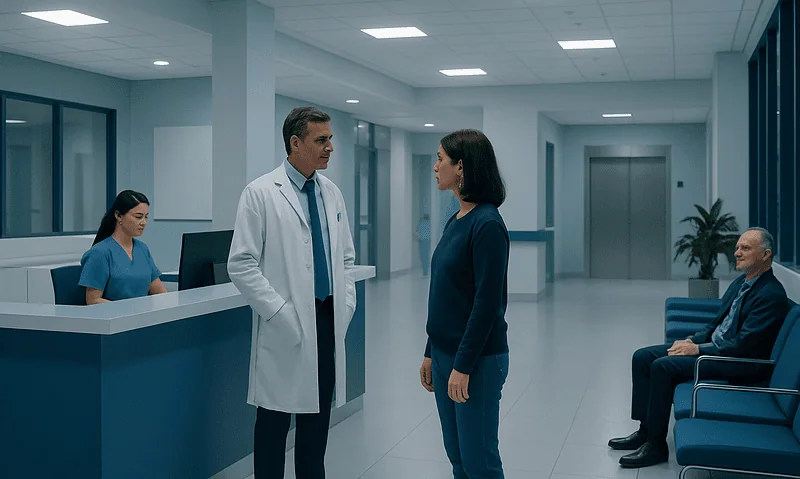
When you arrive for your first appointment, the first part of your visit is usually practical rather than medical. You may pass through a main entrance security check, then head to a registration or reception point where staff confirm your identity, appointment time, and the clinic you need. If you are coming as an international patient, Acibadem International support staff may also help orient you and make sure you are directed correctly.
It is normal for the arrival process to include a few short steps before you see your doctor. Hospitals are large, busy environments, and these checks help protect patient safety, reduce mix-ups, and make sure your medical record is linked to the right person. Even if you have shared documents in advance, staff may still ask to see your passport or ID again on the day.
If this is your first time in the hospital, give yourself extra time. Finding the right entrance, locating the correct desk, and completing registration can take longer than expected, especially if the hospital is busy or you need to upload outside scans or reports. Arriving calmly and a little early can make the whole visit feel easier.
Documents and information to keep ready

The simplest way to make check-in smooth is to keep your essentials together. In most cases, you should have your passport or national ID, appointment confirmation, previous medical reports, imaging disks or digital scan links, pathology results if relevant, and a written list of your current medications. If you use regular medicines, note the name, dose, and how often you take them.
If your visit involves insurance, embassy support, or a company sponsor, keep those papers ready too. Staff may need to confirm coverage terms or identify which services are pre-approved. If you are paying directly, you may be guided about where billing questions are handled before or after the consultation, depending on the type of appointment.
It also helps to prepare a short summary for yourself: why you are attending, what symptoms or concerns you want to discuss, when they started, and any allergies you have. This is especially useful if you are tired from travel or feeling understandably nervous. Clear information at the start helps the care team support you efficiently.
- Passport, ID, or other official identification
- Appointment message, email, or booking reference
- Previous test results, reports, and imaging
- Medication and allergy list
- Insurance or payment-related documents if applicable
Registration, identity checks, and why they matter

During registration, staff usually confirm your full name, date of birth, contact details, and the service you are attending. They may ask you to verify information more than once at different points in the hospital. This can feel repetitive, but it is a standard safety practice designed to reduce errors and ensure the correct patient receives the correct care.
You may also be asked to sign consent or information forms, especially if tests are planned on the same day. If anything is unclear, ask for it to be explained before signing. As an international patient, you can request language support so you feel comfortable with what is being asked and what happens next.
Acibadem International works within hospital quality and safety systems used in JCI-accredited settings, where patient identification, documentation, and care coordination are taken seriously. For you, this usually means a more structured arrival process: practical checks first, then movement to the clinic area once your details are confirmed.
Finding your way: interpreters, escorts, and waiting areas
Large hospitals can be confusing on a first visit, especially after a flight or in a new city. If you are not sure where to go, ask immediately rather than trying to guess. International patient services, reception teams, and interpreters can help direct you to the correct floor, specialty, or waiting area, and in some cases may accompany you through key steps.
If you do not speak Turkish, language support can make a big difference. An interpreter can help during registration, while meeting staff, and during the consultation itself so that both practical and medical details are understood clearly. This is especially helpful if you have complex prior records, questions about timing, or concerns about the next stage of your care plan.
Once checked in, you may wait in a clinic lounge or designated area until your name is called. Waiting times can vary if doctors are seeing urgent cases or if your appointment depends on records or imaging being uploaded. It is a good idea to stay nearby, keep your phone available, and let staff know if you need to step away briefly.
What your first appointment may include
Your first appointment is often focused on understanding your situation fully rather than rushing into decisions. The doctor or specialist team may review your reports, ask about your symptoms, medical history, past treatments, medications, allergies, and your goals for treatment. If you brought outside scans or documents, they may need a little time to review them carefully.
Depending on the specialty, your first visit may also include a physical examination or a recommendation for additional tests. Sometimes these tests can be arranged the same day; sometimes they are scheduled for later, depending on availability, preparation requirements, and the type of evaluation needed. It is common for the first visit to be the starting point of a plan rather than the final answer in one sitting.
If your care involves more than one specialty, Acibadem International may help coordinate next steps between departments. This can be especially useful for international patients who want to make the most of limited time in Turkey or Istanbul. Ask before you leave what happens next, who will contact you, and whether any preparation is needed for follow-up tests or consultations.
Practical details that make the day easier
Small practical choices can make your first appointment feel much smoother. Wear comfortable clothing, especially if there is a chance you may need an examination or same-day imaging. Bring water, keep your phone charged, and have a charger or power bank if possible. If you wear glasses or hearing aids, bring them so you can read forms and communicate easily.
If a family member or companion is attending with you, check in advance whether they can accompany you throughout the visit or only in certain areas. Some departments may limit companions depending on privacy, space, or safety requirements. If you need mobility support, wheelchair access, or extra time because of fatigue or disability, mention this as early as possible so arrangements can be made.
Finally, expect a hospital visit to have a little waiting built into it. Registration, payments, interpreter coordination, or record review can take time. Planning for a flexible schedule on your first day helps reduce stress and gives you space to focus on the conversation with your doctor rather than the clock.
Step by step
- Arrive a little early. Aim to arrive around 20 to 30 minutes before your appointment unless your care team gave different instructions. This gives you time for security entry, registration, and finding the correct clinic without feeling rushed.
- Check in at the correct desk. Show your appointment details and identification at reception or the registration area. If you are an international patient, ask for Acibadem International support or your interpreter if this has already been arranged.
- Complete identity and document verification. Staff may confirm your name, date of birth, and contact information and ask for previous reports or scans. Keep everything together so documents can be reviewed quickly and linked to your record correctly.
- Clarify any insurance or payment questions. If your visit involves insurance, sponsor approval, or direct payment, follow the guidance from the relevant desk before your consultation if asked. If something is unclear, ask for a simple explanation so you know what is covered and what may need separate approval.
- Go to the clinic waiting area. Once registration is complete, staff will direct you to the appropriate floor or specialist clinic. Stay nearby and keep your phone available in case your name is called or a coordinator needs to reach you.
- Meet your doctor or care team. Your first consultation usually focuses on understanding your medical history, current symptoms, and any prior treatment. Use this time to explain your goals, ask questions, and make sure you understand the proposed next steps.
- Confirm what happens after the appointment. Before you leave, check whether you need tests, another consultation, or documents sent from home. Ask who will contact you, how results are shared, and whether any preparation is needed for the next visit.
Your checklist
- Passport or official ID
- Appointment confirmation or booking reference
- Printed or digital copies of previous reports and scans
- Current medication list with doses
- Allergy information and major medical history notes
- Insurance, sponsor, or payment documents if relevant
- Phone charger or power bank
- A written list of questions you want to ask
Key takeaways
- Your first arrival usually includes security entry, registration, identity checks, and directions to the correct clinic.
- Bring your ID, appointment confirmation, medical reports, scans, medication list, and any insurance or sponsor documents.
- Arriving 20-30 minutes early helps you manage practical steps without unnecessary stress.
- Interpreter and international patient support can help with communication, navigation, and coordination.
- Before leaving, confirm the next step, such as tests, follow-up timing, or any documents still needed.
Frequently asked questions
How early should you arrive for your first appointment?
In most cases, arriving 20 to 30 minutes early is a good idea. This gives you enough time for security, registration, and finding the right clinic, especially if it is your first visit or you are carrying outside medical records.
What documents should you bring on the day?
Bring your passport or ID, appointment confirmation, previous medical reports, scans, pathology results if relevant, and a list of your current medications and allergies. If insurance or sponsor arrangements apply, bring those documents as well so staff can guide you correctly.
What if you do not speak Turkish?
You can ask for interpreter support and assistance through international patient services. This can help during registration, throughout your consultation, and when you are discussing next steps, forms, or practical instructions.
Will you see the doctor immediately after arriving?
Usually there are a few practical steps first, such as registration and identity verification. After that, you may spend some time in the clinic waiting area before being called, depending on the schedule, the department, and whether documents need review.
Can your companion come with you?
Often a companion can support you during parts of the visit, but access may vary by department and hospital rules. Some areas may limit companions for privacy, space, or safety reasons, so it is sensible to ask in advance if this matters for your visit.
What happens if you forgot a report or scan?
Tell staff as soon as possible. In some cases, digital copies can be sent later or uploaded, but missing records may delay decisions or mean additional tests are recommended before a full plan can be made.
Will tests happen on the same day as your first appointment?
Sometimes yes, but it depends on the specialty, the doctor's assessment, and test availability. Your first consultation may lead to same-day imaging or blood work, or it may result in a scheduled follow-up if special preparation is required.
Add us as a Preferred Source to see more of our trusted health content across Google Search, AI Overviews and Discover.
More Patient Guides
After-Hours Medical Help in Turkey: What International Patients Should Do
After-hours medical help in Turkey starts with urgent triage, emergency services, and your hospital’s international team in Istanbul or beyond.
9 min read
When to Delay Travel for Treatment in Turkey: Warning Signs to Discuss First
Delay travel for treatment in Turkey if you have fever, chest pain, breathing trouble, new infection, or unstable symptoms—speak to your doctor…
9 min read
How to Recognize Official Hospital Messages and Avoid Medical Travel Scams in Turkey
Official hospital messages in Turkey come from verified channels, clear hospital domains, and documented coordinators—not pressure, personal accounts, or urgent payment demands.
8 min read