

At Acibadem, How We Handle Follow-Up After You Return Home
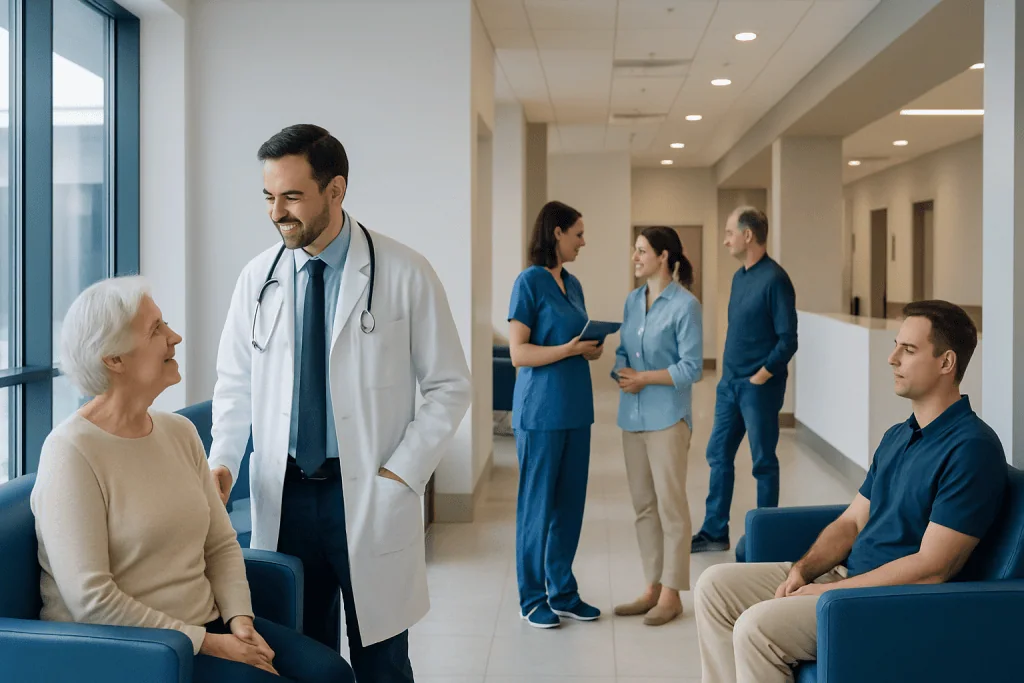
Follow-up after you return home at Acibadem includes discharge guidance, remote check-ins, test review, and help coordinating care from Turkey.
When you travel home after treatment, your care does not simply stop at the airport. At Acibadem, follow-up is organized to help you understand your recovery plan, know when to seek advice, and stay connected with your care team from home.
At a glance
- Best for: International patients planning recovery after returning home
- Main focus: Practical follow-up, communication, records, and safety
- Support includes: Discharge planning, interpreters, remote communication, and coordination
- Before you leave Turkey: Get your documents, medication plan, and warning signs explained clearly
- After you return home: Expect check-ins, result review, and guidance on next steps when appropriate
What follow-up looks like after you go home
If you have treatment abroad, one of the biggest questions is what happens once you are back in your own country. A good follow-up process should help you feel clear about your recovery, your medications, your restrictions, and who to contact if something worries you. It should also make sure important medical information is not lost between your team in Turkey and any doctor you may see at home.
At Acibadem International, follow-up is handled as part of the overall patient journey rather than as an afterthought. Before you leave, your team aims to prepare your discharge documents, recovery instructions, and communication route for any questions that come up later. Depending on your treatment and needs, this may include remote contact, review of test results, and practical support from international patient services.
Just as importantly, follow-up is about safety. Some symptoms are expected during recovery, while others need quick medical advice. Knowing the difference can reduce stress and help you act promptly if needed. The goal is not to replace local emergency care, but to make sure you understand your plan and do not feel alone once you are home.
What you usually receive before leaving the hospital
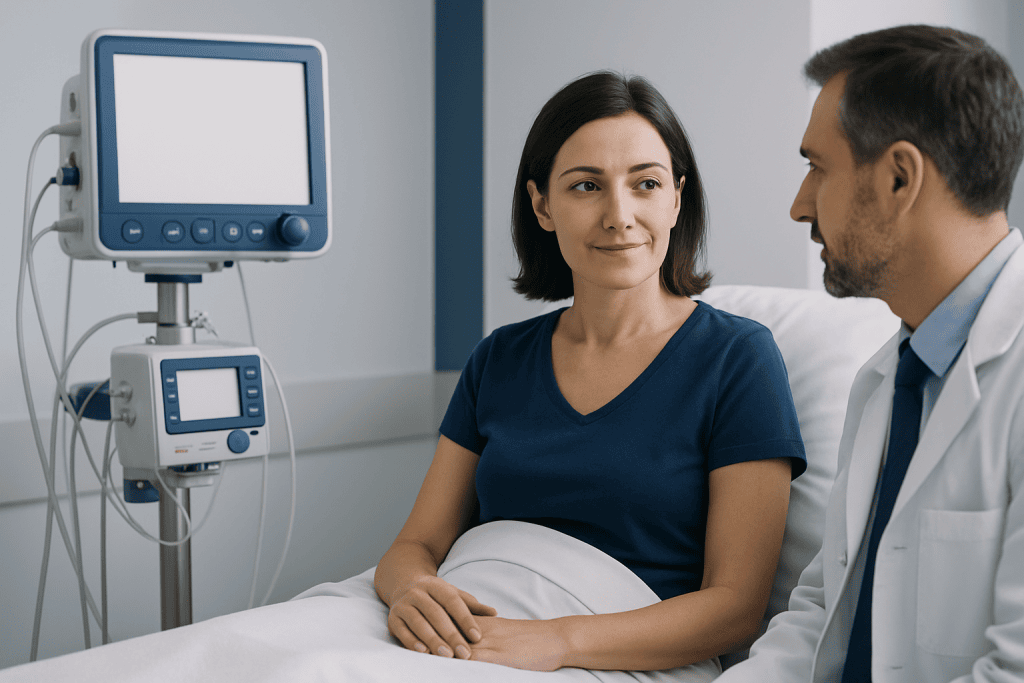
Your discharge process is the foundation of good follow-up. Before you travel, you should expect a clear explanation of what was done, how your recovery is expected to progress, and what you need to do next. This often includes written records, medication instructions, follow-up timing, and advice about travel, rest, wound care, activity, diet, or rehabilitation if relevant.
For international patients, language and logistics matter just as much as medical detail. Acibadem International can help organize documents in a usable format and support communication through international patient coordinators and interpreters when needed. This is especially helpful if you plan to share your records with a doctor at home.
You may be given a package of documents to keep with you and copies to send digitally if needed. Common items include:
- Discharge summary and treatment report
- Medication list with timing and duration
- Copies of imaging, lab results, or pathology reports when available
- Instructions for wound care or recovery milestones
- Advice on warning signs and emergency situations
- Contact details for follow-up questions
Before you leave, it is worth pausing to check that you understand the plan in practical terms. Ask when you can shower, travel long distances, return to work, exercise, eat normally, or restart regular medicines. Small unanswered questions can become stressful once you are on a plane or back at home in a different time zone.
How remote follow-up and communication are managed
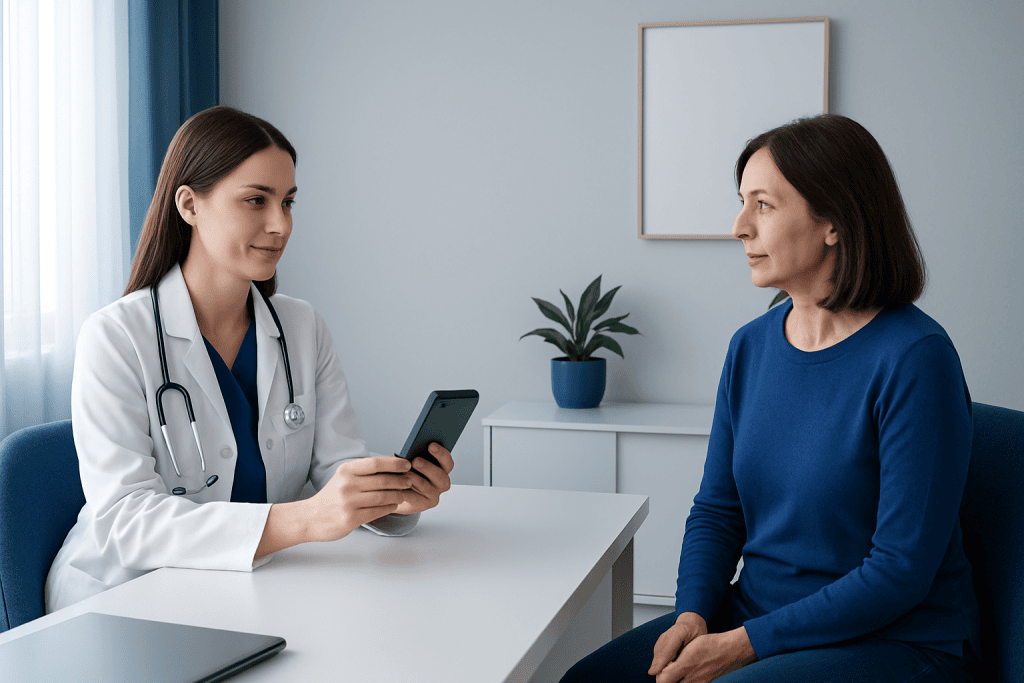
Once you return home, follow-up may happen remotely depending on your treatment pathway. In many cases, this involves scheduled communication to see how you are recovering, discuss symptoms, review available results, and confirm the next steps. Some patients may need only a simple check-in, while others may need a more structured follow-up plan over several weeks or months.
Remote follow-up works best when communication is organized. Keep your discharge papers, medication list, and any home test results in one place so you can share them quickly. If you have photographs of a wound, a temperature log, blood pressure readings, or reports from your local doctor, these can help your team understand how you are doing.
Acibadem International patient services can also help reduce practical friction for international patients. If you need support understanding medical language, arranging the right channel for communication, or knowing which documents to send, the international team can help you navigate the process. This can be especially reassuring if English is not your first language or if you are coordinating care across borders.
It is helpful to remember that remote follow-up has limits. If you have severe pain, heavy bleeding, chest pain, trouble breathing, confusion, or any urgent worsening symptoms, you should seek immediate local emergency care first. Remote advice supports continuity, but emergencies should be assessed in person without delay.
How Acibadem helps coordinate with your doctor at home
Many international patients want their local doctor to stay informed after treatment in Turkey. This is a very sensible step, especially if you have ongoing medical conditions, need repeat prescriptions, or may require blood tests, imaging, wound checks, physiotherapy, or rehabilitation after travel. Follow-up is smoother when your home doctor understands exactly what treatment you had and what recovery is expected.
One practical part of the process is sharing records in a complete and readable format. Your discharge summary, test results, imaging reports, operative notes if relevant, and medication instructions can help your local clinician continue care safely. Acibadem International teams are used to supporting international patients and can help make sure you know which documents are most important to keep and share.
It is also wise to tell your home doctor before you travel, if possible, that you plan to have treatment abroad. That way, they are more prepared to support your recovery once you return. If you need local blood tests or scans as part of follow-up, ask exactly which test is needed, when it should be done, and where the results should be sent.
Good coordination is not only convenient; it is a safety step. It reduces the risk of duplicate medicines, missed findings, or confusion about aftercare instructions. If anything in your local advice seems to differ from your discharge plan, ask for clarification rather than guessing which plan to follow.
When to ask questions and when to seek urgent help
After any treatment, it is normal to have questions once you are back in familiar surroundings. You may wonder whether tiredness is expected, whether swelling should still be present, or whether your appetite and sleep are recovering normally. This is exactly why a follow-up route matters: it gives you a clear place to ask non-urgent questions and confirm whether your recovery is on track.
However, some symptoms should never wait for a convenient email reply. If you experience severe or rapidly worsening pain, heavy bleeding, fainting, new shortness of breath, chest pain, high fever, confusion, signs of a serious allergic reaction, or anything that feels like an emergency, seek urgent local medical care immediately. Once you are safe and assessed, your Acibadem team can still be informed to support continuity.
For non-urgent issues, it helps to be specific. Write down when the symptom started, whether it is getting better or worse, what your temperature is if relevant, what medicines you are taking, and whether you have already seen a local doctor. Clear information often leads to faster, more useful guidance.
If you are unsure whether something is urgent, err on the side of caution. It is always better to get timely local assessment for potentially serious symptoms than to wait and hope they settle on their own.
Simple ways to make your follow-up easier
A smooth follow-up experience often depends on preparation as much as medical care. Before leaving Turkey, save all key contact details in your phone, keep digital copies of your records, and check how you should send questions or documents after you return. Time-zone differences can affect response timing, so knowing the right communication path can prevent unnecessary anxiety.
It also helps to plan your first week at home realistically. Recovery can feel easier in the hospital, where support is close by, and then more tiring once you are back to everyday life. Arrange help with meals, transport, childcare, lifting, or work obligations if you think you may need it. Follow-up is much easier when you have enough rest and less pressure.
You can support your own recovery by staying organized:
- Take medications exactly as instructed
- Keep a small daily note of symptoms and progress
- Attend any local appointments on time
- Do not restart strenuous activity too soon
- Ask before changing dressings, supplements, or regular medicines if you are unsure
- Keep emergency numbers and your treatment documents easy to reach
At Acibadem International, the most helpful follow-up experiences usually come from a combination of clear discharge planning, realistic expectations, and timely communication. When you know what is normal, what is not, and who to contact, recovery tends to feel far more manageable.
Step by step
- Leave Turkey with a clear written plan. Before discharge, make sure you receive written instructions covering medications, activity, wound care, travel advice, and warning signs. Ask questions until the plan feels practical and easy to follow at home, not just medically correct.
- Store your records digitally and on paper. Keep your discharge summary, test results, prescriptions, and imaging in one folder that you can access quickly. This makes it easier to contact Acibadem, update your local doctor, or attend urgent care if needed.
- Confirm how follow-up communication will happen. Before you fly home, ask who to contact, through which channel, and for what type of question. It is also useful to ask about expected response times, especially if you will be in a very different time zone.
- Share important updates from home. If you have a local test, wound review, or doctor visit, keep copies of the findings. Sharing accurate updates helps your Acibadem team understand your recovery and advise on next steps when appropriate.
- Use local care for urgent symptoms. Remote follow-up is valuable, but it is not a substitute for emergency assessment. If something feels urgent or severe, seek immediate local care first and then inform your Acibadem contact when you can.
- Keep your recovery routine steady. Take medicines as prescribed, follow restrictions, and avoid changing your plan without advice. Small daily consistency often makes follow-up simpler because your team can interpret symptoms in the context of a stable routine.
Your checklist
- Discharge summary saved in paper and digital form
- Medication list checked and understood
- Emergency warning signs explained clearly
- Contact route for non-urgent follow-up confirmed
- Local doctor informed if ongoing care may be needed
- Copies of scans, lab results, or reports collected
- Travel home approved by your treating team
- Help arranged at home for the first days if needed
Key takeaways
- Follow-up starts before you leave the hospital, with clear discharge instructions and records.
- Acibadem International helps international patients stay connected through practical communication and coordination support.
- Remote follow-up can guide recovery, but urgent symptoms should be assessed locally without delay.
- Sharing records with your home doctor improves safety and continuity.
- Good preparation, including digital documents and a clear contact plan, makes recovery less stressful.
Frequently asked questions
Will Acibadem still support me after I return home?
Yes, follow-up support is part of the international patient pathway, although the exact format depends on your treatment and needs. In practical terms, this usually means clear discharge guidance, a route for questions, and help coordinating relevant updates after you go home.
What documents should I keep with me after discharge?
Keep your discharge summary, medication list, prescriptions, and any available test or imaging reports. It is best to have both printed and digital copies so you can quickly share them with your local doctor or use them if you need medical attention.
Can follow-up be done remotely from my home country?
Often, yes, at least for certain parts of follow-up such as progress updates, symptom review, and discussion of results. Remote follow-up is helpful for continuity, but it does not replace in-person emergency or urgent assessment where you live.
What if I do not understand part of my aftercare plan?
Ask for clarification before you leave Turkey whenever possible, and use your follow-up contact route if questions come up later. International patient coordinators and interpreter support can be especially helpful in making sure instructions are practical and clear.
Should I tell my local doctor that I had treatment in Turkey?
Yes, this is strongly recommended. Your local doctor can support prescriptions, checks, and recovery monitoring more safely when they know what treatment you had and can review your Acibadem records.
What symptoms mean I should seek urgent local care?
Seek urgent local medical help for severe pain, heavy bleeding, chest pain, difficulty breathing, fainting, confusion, high fever, or any rapidly worsening symptom. Once you are assessed and safe, you or a family member can then update your Acibadem contact for continuity.
How can I make follow-up less stressful once I am home?
Keep all records together, save important contact details, and write down symptoms or questions as they arise. It also helps to plan practical support at home, because rest, medication adherence, and timely local appointments all make recovery smoother.
Add us as a Preferred Source to see more of our trusted health content across Google Search, AI Overviews and Discover.
More Patient Guides
After-Hours Medical Help in Turkey: What International Patients Should Do
After-hours medical help in Turkey starts with urgent triage, emergency services, and your hospital’s international team in Istanbul or beyond.
9 min read
When to Delay Travel for Treatment in Turkey: Warning Signs to Discuss First
Delay travel for treatment in Turkey if you have fever, chest pain, breathing trouble, new infection, or unstable symptoms—speak to your doctor…
9 min read
How to Recognize Official Hospital Messages and Avoid Medical Travel Scams in Turkey
Official hospital messages in Turkey come from verified channels, clear hospital domains, and documented coordinators—not pressure, personal accounts, or urgent payment demands.
8 min read