First Oncology Appointment: What Happens and How to Prepare

The first oncology appointment usually focuses on understanding the diagnosis, staging, and treatment plan. Patients should bring medical records, medication lists, and a written list of questions.
Key Takeaways
- The first oncology appointment usually focuses on understanding the diagnosis, staging, and treatment plan.
- Patients should bring medical records, medication lists, and a written list of questions.
- It is common for the oncologist to recommend more tests before final treatment decisions are made.
- A family member or friend can help with note-taking, emotional support, and remembering information.
- Patients should ask about treatment goals, possible side effects, timing, and who to contact with concerns.
A first oncology appointment helps patients understand a cancer diagnosis or a suspicious finding, review test results, and discuss next steps. Knowing what typically happens and how to prepare can make the visit feel more organized and less overwhelming.
Overview: Why the First Oncology Appointment Matters
A first oncology appointment is an important step after an abnormal scan, biopsy result, or confirmed cancer diagnosis. The main purpose of the visit is to help the patient understand what is known so far, what still needs to be clarified, and what treatment options may be appropriate. In many cases, this appointment is less about starting treatment immediately and more about building a clear medical plan.
During the visit, the oncologist reviews the patient’s medical history, symptoms, test results, and overall health. The doctor may explain the type of cancer, its likely stage, and whether more information is needed before treatment begins. This discussion often introduces the care team, which may include medical oncologists, radiation oncologists, surgeons, pathologists, radiologists, nurses, and supportive care specialists.
For many people, this first meeting can feel emotionally intense. That is normal. A diagnosis or even the possibility of cancer can bring fear, confusion, and many urgent questions. It often helps to remember that the appointment is designed to provide structure, answer concerns, and guide the next steps one stage at a time.
What Usually Happens During the Visit
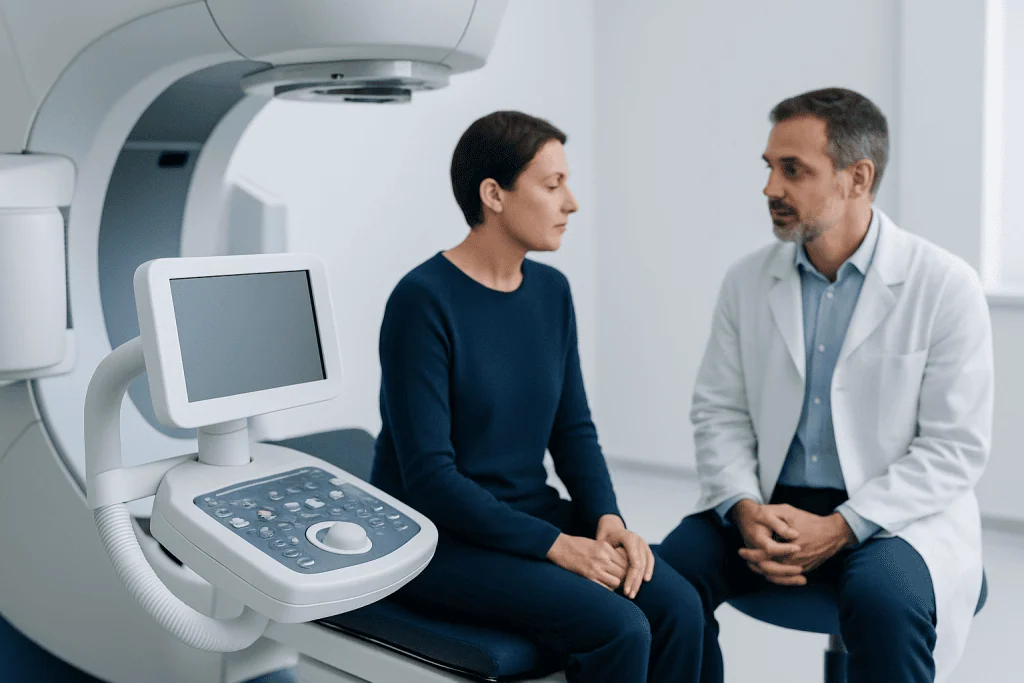
Although every clinic is different, most first oncology appointments follow a similar pattern. The patient usually checks in, completes paperwork, and may meet nursing staff before seeing the doctor. The oncologist then reviews available records, discusses current symptoms, performs or arranges a physical examination if needed, and explains what the test findings suggest.
The doctor may talk about the cancer’s location, cell type, grade, and stage if these details are already known. If the diagnosis is not yet fully confirmed, the oncologist may explain why further imaging, pathology review, blood tests, or another biopsy is needed. Many treatment decisions depend on these details, so it is common for planning to happen over more than one visit.
The appointment also usually includes a discussion of treatment approaches. Depending on the situation, these may include surgery, systemic treatments such as chemotherapy, targeted therapy or immunotherapy, or radiation therapy. The oncologist explains the goals of care, expected timeline, likely benefits, and common side effects in general terms so the patient can begin to make informed decisions.
- Review of medical history and current symptoms
- Discussion of biopsy, scan, or laboratory results
- Explanation of diagnosis, grade, and stage if known
- Recommendations for additional tests if needed
- Overview of treatment options and likely next steps
How to Prepare Before the Appointment
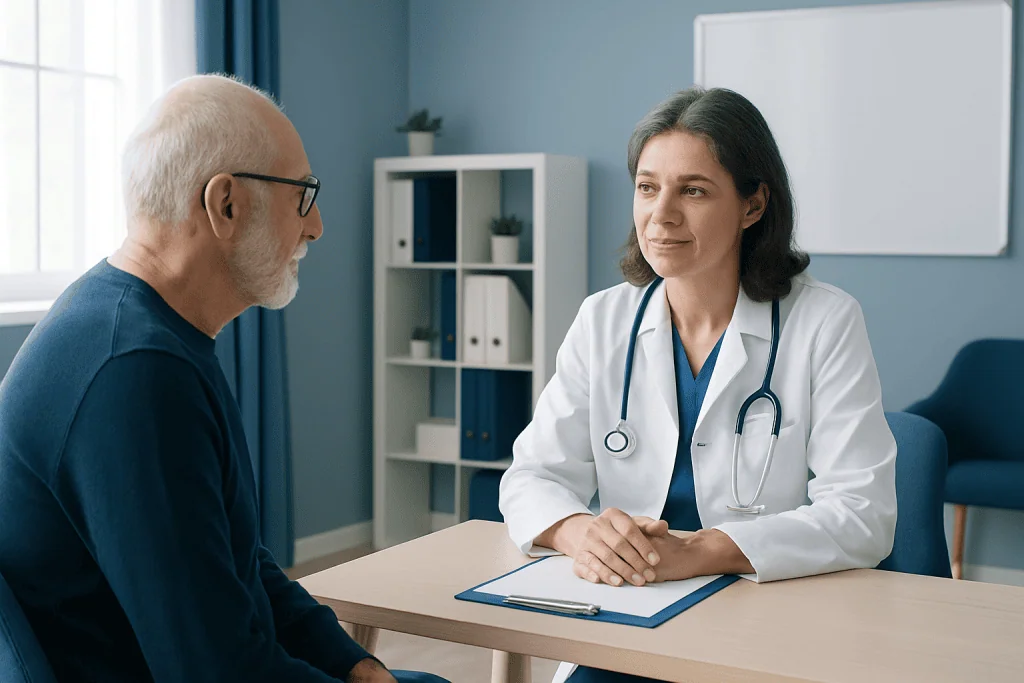
Good preparation can make the first oncology appointment more productive and less stressful. Before the visit, patients should gather all relevant medical records if they are not already available to the clinic. This may include biopsy reports, pathology results, imaging reports, CDs of scans, blood test results, discharge summaries, and records from previous doctors. Having complete information can prevent delays and reduce the need to repeat tests.
It is also helpful to bring a full list of current medications, vitamins, supplements, allergies, and past medical conditions. Patients should include previous surgeries, family history of cancer, and major health issues such as heart disease, diabetes, or kidney disease. These details can affect which treatments are safest and most suitable.
Many people find it useful to write down questions before the visit. Stress can make it harder to remember important concerns in the moment. Bringing a trusted family member or friend can also help, especially for emotional support, note-taking, and discussing the information afterward. If allowed, some patients ask whether they can record part of the conversation for later review.
- Bring identification, insurance or payment documents if relevant, and referral papers
- Carry copies of test results, imaging reports, and scan discs when available
- Prepare a list of symptoms, when they started, and what makes them better or worse
- Write down questions about diagnosis, treatment, side effects, fertility, work, or travel
Questions Patients May Want to Ask
There is no perfect list of questions, but asking the right ones can help patients feel more informed and involved. A useful starting point is to ask exactly what diagnosis is suspected or confirmed, whether the cancer has spread, and what additional tests are needed. Patients may also ask whether the pathology should be reviewed again, especially if treatment decisions depend on very specific tumor features.
Questions about treatment often focus on the goal of care, available options, possible side effects, and the urgency of starting therapy. Some patients want to know which treatment is recommended first and why. Others may wish to ask how treatment could affect daily life, work, appetite, energy, fertility, or future plans. These are all reasonable and important topics.
Practical questions can be just as valuable as medical ones. Patients may ask who to contact with new symptoms, how often appointments will be needed, whether treatment will be given as an outpatient, and if nutrition, psychological support, pain management, or rehabilitation services are available. Clear communication early on often makes care feel more manageable.
Tests, Staging, and Why More Information May Be Needed
One common surprise is that the first oncology appointment does not always end with a final treatment decision. This is often because cancer care depends on accurate staging and a detailed understanding of the tumor. Staging describes how large the cancer is, whether lymph nodes are involved, and whether it has spread to other parts of the body. This information helps guide the safest and most effective treatment plan.
Additional tests may include blood work, imaging such as CT, MRI, PET, or ultrasound, or a more detailed pathology review. In some cases, molecular or genetic testing of the tumor is recommended to look for changes that may influence treatment choices. These steps can feel time-consuming, but they are often essential for personalized care.
Patients may also hear about multidisciplinary tumor boards, where specialists from different fields review complex cases together. This team-based approach can be especially helpful when surgery, radiation therapy, and systemic treatment all need to be considered. At experienced centers, evaluation may include access to advanced diagnostics and specialized treatment planning, including chemotherapy, radiation therapy, or immunotherapy when appropriate.
Understanding Treatment Planning and Supportive Care
Treatment planning is individualized. The oncologist considers the cancer type, stage, biology, symptoms, and the patient’s age, general health, and preferences. Some people need treatment quickly, while others have time to complete staging tests, seek a second opinion, or meet with several specialists before deciding. If the diagnosis relates to a specific tumor type, the patient may be directed toward dedicated pathways for conditions such as breast cancer or lung cancer.
The doctor may explain one main treatment or a sequence of treatments. For example, some patients have surgery first, while others receive systemic treatment or radiation before surgery. In certain cases, the first plan may focus on symptom control, reducing pain, or improving nutrition and strength before definitive cancer treatment begins.
Supportive care is an essential part of oncology, not a separate or lesser form of care. Managing pain, nausea, appetite changes, fatigue, sleep problems, and emotional distress can improve quality of life and help patients tolerate treatment better. Patients should feel comfortable discussing practical concerns such as transport, family responsibilities, work leave, fertility preservation, and mental health support.
How to Cope Emotionally and Stay Organized
It is common to feel anxious before and after a first oncology appointment. Many patients say they only remember part of what was discussed. Because of this, organization can be very helpful. Keeping a folder or digital file with reports, appointment dates, medication lists, and contact numbers makes future visits easier and can reduce uncertainty.
Patients often benefit from simple strategies such as bringing a notebook, asking for written instructions, and reviewing notes with a trusted person after the visit. Some prefer to prepare three or four top-priority questions in case time feels limited. Others find it helpful to repeat back key points to the doctor, such as the diagnosis, next test, and expected timeline, to make sure they understood correctly.
Emotional support matters just as much as medical information. Speaking with loved ones, a counselor, a psycho-oncology specialist, or a patient navigator can help people process fear and make decisions more calmly. Near the start of care, some international patients also choose centers that coordinate multiple specialties in one place; Acibadem International’s multidisciplinary specialists at JCI-accredited hospitals diagnose and treat cancer for international patients with integrated planning and support.
When to Contact the Doctor Before the Next Visit
After a first oncology appointment, patients are usually given instructions about the next test, follow-up date, or treatment planning step. If symptoms change before then, it is important to contact the care team rather than waiting. The oncology team can clarify which problems can be monitored at home and which need urgent attention.
Patients should call their doctor if they develop worsening pain, new bleeding, fever, shortness of breath, severe vomiting, dehydration, confusion, sudden weakness, or a rapid decline in eating and drinking. The exact warning signs can vary depending on the suspected cancer and any treatment already started, so individual guidance should always be followed.
It is also reasonable to contact the clinic if practical problems arise, such as difficulty obtaining records, confusion about appointments, uncertainty about medications, or concern that symptoms are progressing. Early communication often prevents delays and helps the care team provide safer, more coordinated care.
Frequently asked questions
How long does a first oncology appointment usually take?
The length varies by clinic and by how complex the case is, but first visits are often longer than routine follow-ups. Extra time may be needed to review records, explain the diagnosis, discuss testing, and answer questions.
Will treatment start at the first oncology appointment?
Not always. Many patients need additional tests, staging, or pathology review before the doctor can recommend the best treatment plan. If treatment is urgent, the oncologist will explain the timeline clearly.
Should someone come with the patient to the appointment?
Yes, if possible, bringing a trusted family member or friend can be very helpful. They can provide emotional support, take notes, and help remember what the doctor said after the visit.
What documents should be brought to the first oncology appointment?
Patients should bring medical records related to the current problem, such as biopsy reports, imaging reports, scan discs, blood test results, and referral notes. A list of medications, allergies, past illnesses, and previous surgeries is also important.
Is it normal to need more tests after seeing the oncologist?
Yes, this is very common. Cancer treatment depends on accurate diagnosis and staging, so the oncologist may request more imaging, laboratory tests, or a pathology review before finalizing treatment.
Can a patient ask for a second opinion after the first oncology visit?
Yes. Many patients seek a second opinion to confirm the diagnosis or better understand treatment options, especially before starting major therapy. Most oncologists understand this and support informed decision-making.
References
- National Cancer Institute
- American Society of Clinical Oncology
- National Comprehensive Cancer Network
- World Health Organization
- European Society for Medical Oncology
This article is for general information only and is not a substitute for professional medical advice. Please consult a qualified doctor about your individual situation.
Oncology care in Turkey — second opinion and treatment plan
JCI-accredited · board-certified surgeons · reply within 24h
Add us as a Preferred Source to see more of our trusted health content across Google Search, AI Overviews and Discover.

Medical Oncology Department
Medical treatment of cancer with chemotherapy, immunotherapy and targeted therapies under a multidisciplinary tumor board.
60 specialists in this unitMore from the Health Library



Related Specialists

Dr. Dilek Çoban
Pediatrics
Dr. İlke Karagöz
Aesthetic Plastic & Reconstructive Surgery
Dt. Emre Orhon Kuybulu
Oral & Dental Health
Prof. Dr. Özgür Fırat
General Surgery