Radiation Oncology: How Treatment Is Planned and Delivered
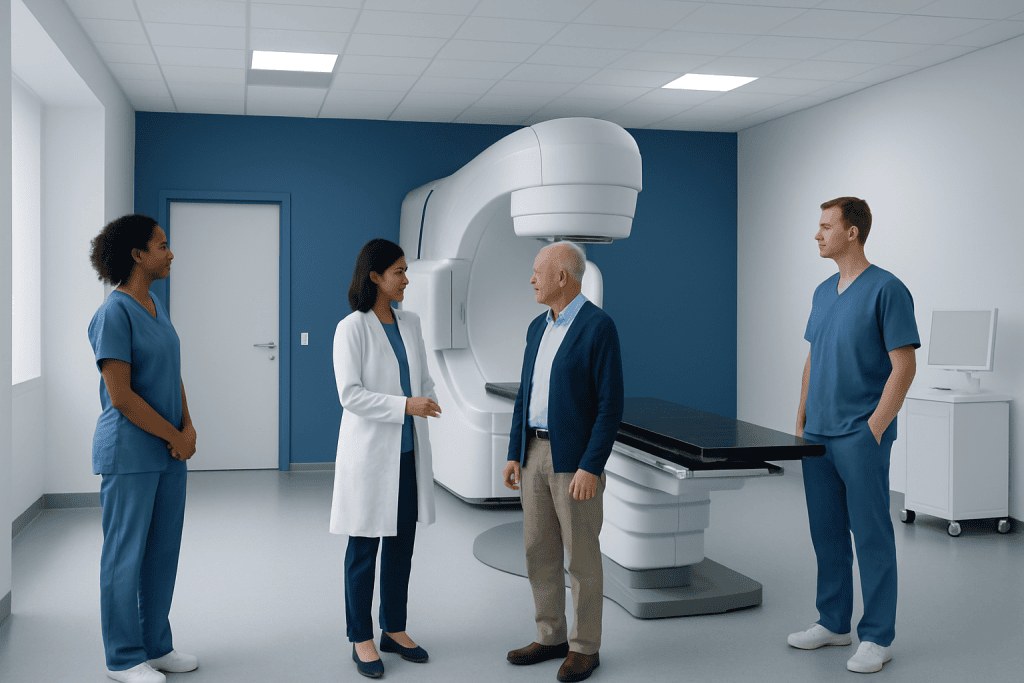
Radiation oncology uses focused radiation to destroy or control cancer cells. Treatment planning usually includes imaging, simulation, contouring, and dose calculation.
Key Takeaways
- Radiation oncology uses focused radiation to destroy or control cancer cells.
- Treatment planning usually includes imaging, simulation, contouring, and dose calculation.
- Radiation may be delivered externally, internally, or with highly specialized techniques depending on the cancer type and location.
- The care team works to balance effective treatment with protection of normal tissues.
- Side effects vary by the area treated and are often manageable with supportive care.
- Regular follow-up helps assess response, manage late effects, and support recovery.
Radiation oncology is the medical specialty that uses precisely planned radiation to treat cancer and, in some cases, relieve symptoms. Treatment is highly individualized, with detailed imaging, careful dose planning, and close monitoring to target disease while protecting nearby healthy tissues.
Overview of Radiation Oncology
Radiation oncology is a branch of cancer care focused on the use of high-energy radiation to treat tumors. The aim is to damage the DNA inside cancer cells so they can no longer grow and divide normally. Because cancer cells are generally less able than healthy cells to repair this damage, treatment can shrink tumors, control disease, or help eliminate it completely.
Radiation treatment is commonly used on its own or alongside other cancer treatments such as surgery, chemotherapy, immunotherapy, or hormone therapy. Depending on the situation, it may be given before surgery to shrink a tumor, after surgery to reduce the chance of cancer returning, or as a main treatment when surgery is not the best option. It can also be used to relieve symptoms such as pain, bleeding, or pressure caused by advanced cancer.
Modern radiation oncology is highly precise. Advanced imaging, computer-based planning, and specialized treatment machines allow doctors to shape the radiation dose to the tumor while reducing exposure to surrounding organs. This careful approach helps improve treatment effectiveness and supports quality of life during and after therapy.
When Radiation Therapy Is Used
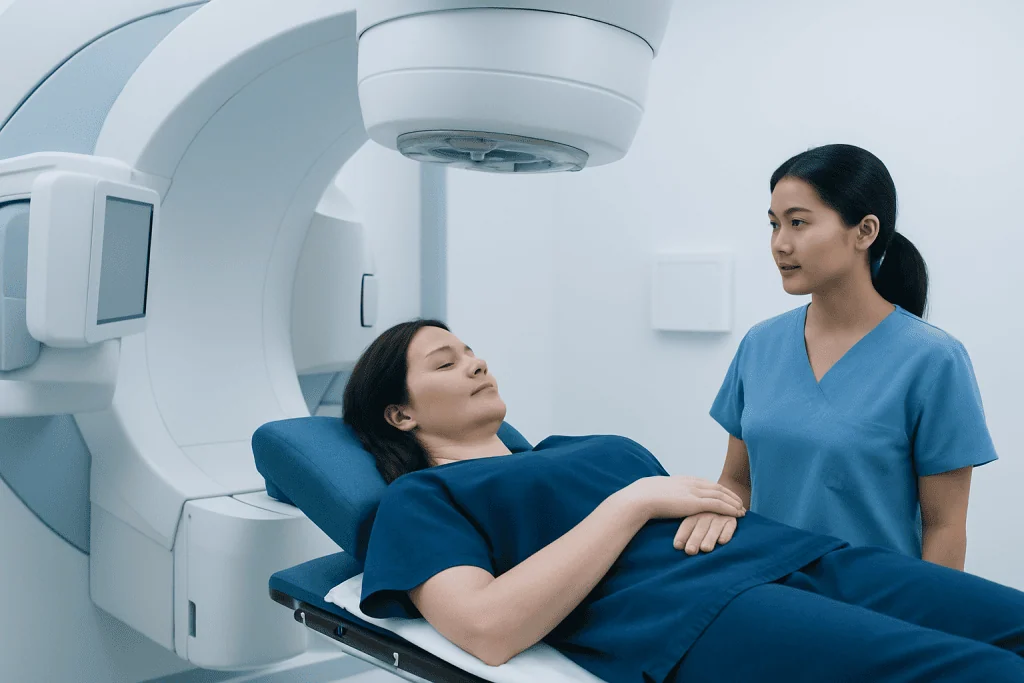
Radiation therapy can be part of treatment for many different cancers, including cancers of the breast, prostate, lung, head and neck, brain, cervix, rectum, and skin. It may also be used for some blood cancers and certain noncancerous conditions in selected cases. Whether it is recommended depends on the tumor type, size, location, stage, and the person’s overall health.
Doctors may suggest radiation with different goals. Curative treatment aims to destroy the cancer or provide long-term control. Adjuvant treatment is given after surgery or another therapy to lower the risk of recurrence. Neoadjuvant treatment is used before surgery to make the tumor easier to remove. Palliative radiation is designed to ease symptoms and improve comfort when a cure is not possible.
The exact treatment plan is individualized. Some patients receive radiation alone, while others benefit from a combined approach. For example, radiation may be part of a broader plan that also includes medical oncology care or surgery, depending on how the cancer behaves and where it is located.
How Treatment Is Planned
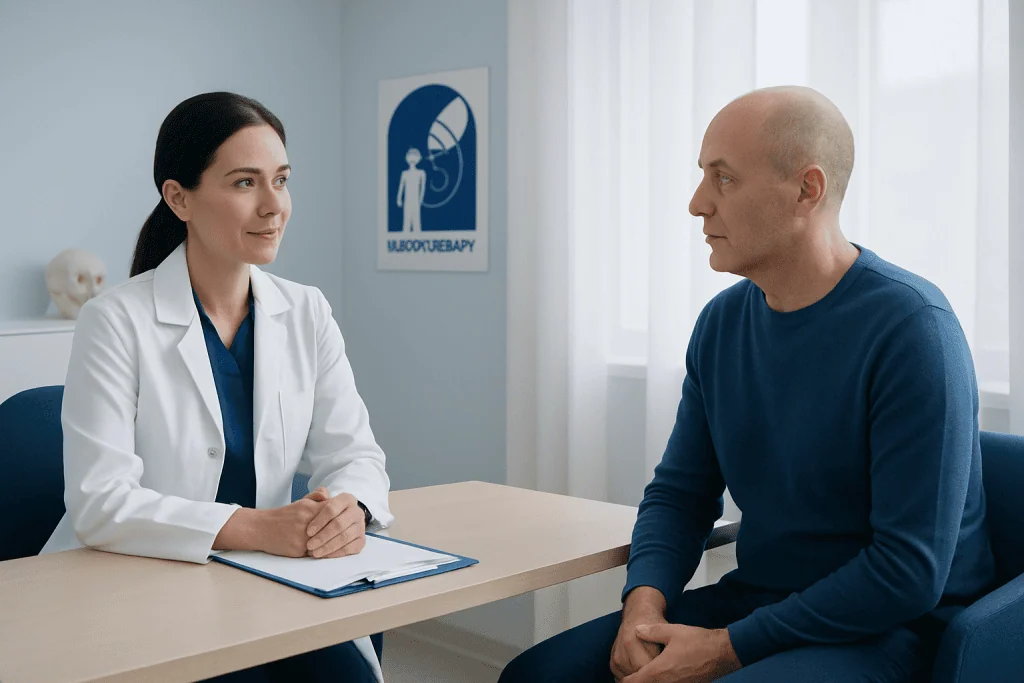
Planning is one of the most important parts of radiation oncology. Before treatment begins, the care team usually reviews biopsy results, imaging scans, and other test findings. The team often includes a radiation oncologist, medical physicist, dosimetrist, radiation therapist, oncology nurses, and other specialists who work together to design the safest and most effective approach.
A planning appointment called simulation is often the next step. During simulation, the patient is positioned in the same way they will be positioned for treatment. CT imaging is commonly used, and MRI or PET scans may also be combined to better define the tumor. Immobilization devices, such as masks or body molds, may be made to help the patient stay still and ensure that treatment is delivered accurately each day.
After simulation, the radiation oncologist outlines the tumor and nearby normal tissues on the images, a process called contouring. The team then calculates the radiation dose, the number of treatments, and the beam angles. This process is designed to deliver enough radiation to treat the cancer while limiting dose to sensitive structures such as the bowel, lungs, spinal cord, heart, or salivary glands, depending on the area being treated.
Quality and safety checks are also built into the planning process. Before the first session, the plan is reviewed carefully, and the treatment machine settings are verified. These checks help confirm that the prescribed dose will be delivered as intended.
How Radiation Is Delivered
There are several ways to deliver radiation therapy. The most common method is external beam radiation therapy, in which a machine called a linear accelerator directs radiation from outside the body toward the tumor. Treatments are painless and usually last only a short time, although setup and positioning can take longer than the actual radiation delivery.
Different external techniques may be used depending on the cancer. Three-dimensional conformal radiotherapy shapes beams to the tumor. Intensity-modulated radiation therapy and image-guided radiation therapy improve precision by adjusting beam intensity and checking positioning before or during treatment. Stereotactic treatments deliver very focused, high-dose radiation in a small number of sessions for selected tumors in the brain, lung, liver, spine, or other sites. In some cases, proton therapy may be considered to reduce radiation exposure beyond the target area.
Internal radiation, also called brachytherapy, places a radiation source inside or close to the tumor. This allows a high dose to be delivered directly to the affected area with less exposure to nearby tissues. It is commonly used in some gynecologic, prostate, breast, and head and neck cancers. Systemic radiation therapy, which uses radioactive substances that travel through the body, is another specialized option for certain diseases.
Treatment schedules vary widely. Some patients are treated once a day over several weeks, while others have shorter courses with fewer sessions. The schedule depends on the cancer type, the treatment goal, the radiation technique, and whether other therapies are being given at the same time.
What to Expect During Treatment
Many people feel reassured to know that radiation therapy itself is not usually felt during the session. The patient lies on a treatment table while the machine moves around them to deliver radiation from planned angles. The team watches from a nearby control area and can see and hear the patient throughout the procedure. It is important to remain as still as possible, but normal breathing is usually allowed unless a special breathing technique is being used.
Appointments often follow a regular routine. Before each session, positioning is checked carefully, sometimes with on-board imaging to confirm accuracy. Small skin marks or temporary tattoos may be used to help align the body consistently. If treatment is being given to the chest or upper abdomen, breath-hold methods may be used in selected cases to reduce radiation exposure to nearby organs.
Most side effects develop gradually over the course of treatment rather than immediately. Common effects include tiredness and localized skin changes in the treated area, but the exact experience depends on the body part being treated. For example, treatment to the head and neck may affect swallowing or cause mouth dryness, while treatment to the pelvis may irritate the bladder or bowel. The care team usually reviews symptoms regularly and offers advice to help manage them.
Weekly reviews with the radiation oncologist or oncology nurse are common during a course of treatment. These check-ins help assess side effects, nutrition, hydration, and overall wellbeing. If needed, the team may coordinate other support services such as dietitians, pain specialists, speech therapists, or rehabilitation professionals.
Benefits, Side Effects, and Safety
The main benefit of radiation oncology is the ability to target a known disease area with a carefully measured dose. For many cancers, radiation therapy can improve cure rates, lower the chance of local recurrence, or provide meaningful symptom relief. It may also help preserve organs and avoid more extensive surgery in selected cases.
Like all cancer treatments, radiation has potential side effects. These are often divided into early effects, which occur during or soon after treatment, and late effects, which may appear months or years later. Early effects can include skin irritation, fatigue, soreness, or inflammation in the treated area. Late effects vary by body region and may involve tissue stiffness, changes in organ function, or rarely, secondary cancers. The possibility of side effects is one reason treatment planning is so detailed.
Radiation oncology teams use multiple safety measures to reduce risk. Imaging guidance, motion management, computer dose calculations, peer review, and machine quality assurance all support accurate delivery. Patients can help by attending appointments consistently, following skin-care and self-care instructions, and reporting new or worsening symptoms promptly.
It is also helpful to understand that external beam radiation does not make a person radioactive after treatment. Most patients can safely be around family members, including children and pregnant people, unless they are receiving a type of internal or systemic radiation for which special instructions are provided.
Follow-Up, Recovery, and Self-Care
Recovery after radiation therapy depends on the treatment area, total dose, and whether other therapies were used. Some side effects improve within weeks, while others may take longer. Follow-up visits are important for checking healing, monitoring the cancer response, and identifying any late effects that may need attention.
After treatment, doctors may recommend imaging scans, blood tests, physical examinations, or other assessments. These are scheduled based on the cancer type and the broader treatment plan. If ongoing treatment is needed, the patient may continue care with a wider cancer team, including surgeons, medical oncologists, and supportive care specialists.
Self-care can make recovery easier. Patients are usually advised to rest as needed, maintain good nutrition and hydration, protect treated skin from friction and sun exposure, and follow activity guidance from their care team. Emotional support also matters. It is common to feel anxious, tired, or uncertain during cancer treatment, and support from loved ones, counselors, or support groups can be helpful.
For patients seeking coordinated care, Acibadem International’s multidisciplinary specialists in JCI-accredited hospitals diagnose and treat cancer using modern radiation oncology techniques for international patients. Depending on the overall treatment plan, care may be coordinated with services such as radiation oncology, PET-CT imaging, or oncology rehabilitation.
When to Speak With the Care Team
Patients should contact their treatment team if they have symptoms that are new, persistent, or worsening during radiation therapy. This includes increasing pain, difficulty eating or drinking, fever, severe fatigue, troublesome skin reactions, vomiting, dehydration, shortness of breath, or problems passing urine or stool. Early communication often allows side effects to be managed before they become more disruptive.
It is also reasonable to ask questions at any stage of treatment. Many people want to understand why radiation is being recommended, what alternatives exist, how many sessions are planned, and what side effects are most likely. A clear discussion with the radiation oncologist can help patients make informed decisions and feel more prepared.
After treatment ends, follow-up should not be skipped even if the patient feels well. Some effects appear later, and regular review helps ensure that any concerns are addressed promptly. Anyone worried about symptoms or uncertain about recovery should seek advice from a qualified doctor rather than trying to manage significant problems alone.
Frequently asked questions
What is radiation oncology?
Radiation oncology is the medical specialty that uses carefully targeted radiation to treat cancer. It includes evaluating the patient, planning the dose and treatment area, delivering therapy safely, and monitoring side effects and recovery.
How is radiation treatment planned?
Planning usually begins with imaging and a simulation appointment to map the exact treatment area. The radiation oncologist and planning team then calculate the dose, shape the beams, and design a schedule that treats the tumor while protecting nearby healthy tissues as much as possible.
Does radiation therapy hurt?
The treatment itself is usually painless. Patients do not normally feel the radiation during delivery, although holding still on the table may feel uncomfortable for some people and side effects can develop gradually over time.
What side effects can happen with radiation therapy?
Side effects depend mainly on the part of the body being treated and the total dose used. Common effects include tiredness and irritation in the treated area, while other symptoms such as swallowing changes, bowel upset, or urinary irritation may occur if those regions are included in the treatment field.
How long does a course of radiation therapy last?
There is no single schedule for everyone. Some people have treatment over several weeks, while others receive a shorter course with fewer sessions, depending on the cancer type, the treatment goal, and the technique being used.
Is a person radioactive after external beam radiation?
No. External beam radiation does not make the body radioactive after the session ends, so most patients can continue normal contact with other people. Special precautions are only needed for certain forms of internal or systemic radiation, and the care team explains these clearly when relevant.
References
- World Health Organization
- American Cancer Society
- National Cancer Institute
- American Society for Radiation Oncology
- European Society for Radiotherapy and Oncology
This article is for general information only and is not a substitute for professional medical advice. Please consult a qualified doctor about your individual situation.
Oncology care in Turkey — second opinion and treatment plan
JCI-accredited · board-certified surgeons · reply within 24h
Add us as a Preferred Source to see more of our trusted health content across Google Search, AI Overviews and Discover.

Medical Oncology Department
Medical treatment of cancer with chemotherapy, immunotherapy and targeted therapies under a multidisciplinary tumor board.
60 specialists in this unitMore from the Health Library

Related Specialists

Prof. Dr. Tuluhan Yunus Emre
Orthopedic Surgery & Traumatology
Assoc. Prof. Dr. Selim Aydin
Cardiovascular Surgery
Dr. Meryem Necafı
Pediatrics
Dr. Benal Çubuk
Pediatrics