Choosing the Right Oncologist: Questions to Ask Before Treatment

Patients can ask about an oncologist’s experience with their specific cancer type and stage. It is helpful to understand treatment goals, expected benefits, risks, and possible side effects before starting care.
Key Takeaways
- Patients can ask about an oncologist’s experience with their specific cancer type and stage.
- It is helpful to understand treatment goals, expected benefits, risks, and possible side effects before starting care.
- A multidisciplinary team and clear communication can improve coordination and support during treatment.
- Second opinions are common in oncology and can help confirm a diagnosis or treatment plan.
- Practical topics such as timing, follow-up, fertility, nutrition, and emotional support also matter.
Choosing an oncologist is an important part of cancer care. Asking clear questions before treatment can help patients understand their options, feel more confident in decisions, and build a strong partnership with their care team.
Overview: Why Choosing the Right Oncologist Matters
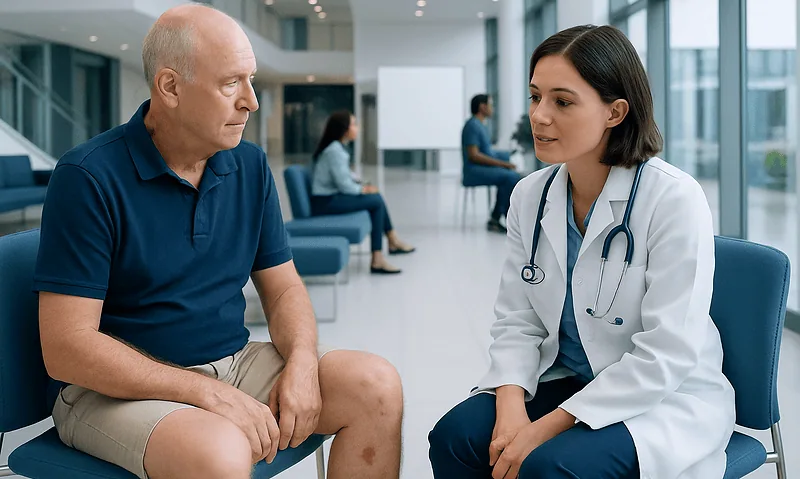
For many people, a cancer diagnosis brings urgent questions and difficult decisions. One of the first and most important steps is choosing the right oncologist. This doctor helps explain the diagnosis, recommends treatment options, coordinates care, and follows progress over time. A good fit is not only about medical expertise, but also about communication, trust, and whether the patient feels heard.
Oncology care is often complex. Some people need one main specialist, while others may work with several experts, such as a medical oncologist, surgical oncologist, and radiation oncologist. Depending on the cancer type, patients may also meet pathologists, radiologists, genetic counselors, palliative care specialists, dietitians, nurses, and psychologists. Understanding who is involved can make the treatment process feel more manageable.
There is no single “perfect” oncologist for everyone. The right choice depends on the person’s diagnosis, treatment goals, age, overall health, location, and personal preferences. Some patients want very detailed explanations, while others prefer a simpler overview. Some prioritize access to clinical trials, while others focus on convenience, family support, or continuity of care closer to home.
Preparing thoughtful questions before the first oncology visit can help patients take an active role in their care. Writing down concerns, bringing a family member or friend, and asking for plain-language explanations can all make appointments more productive and reassuring.
What to Ask About Diagnosis and Expertise
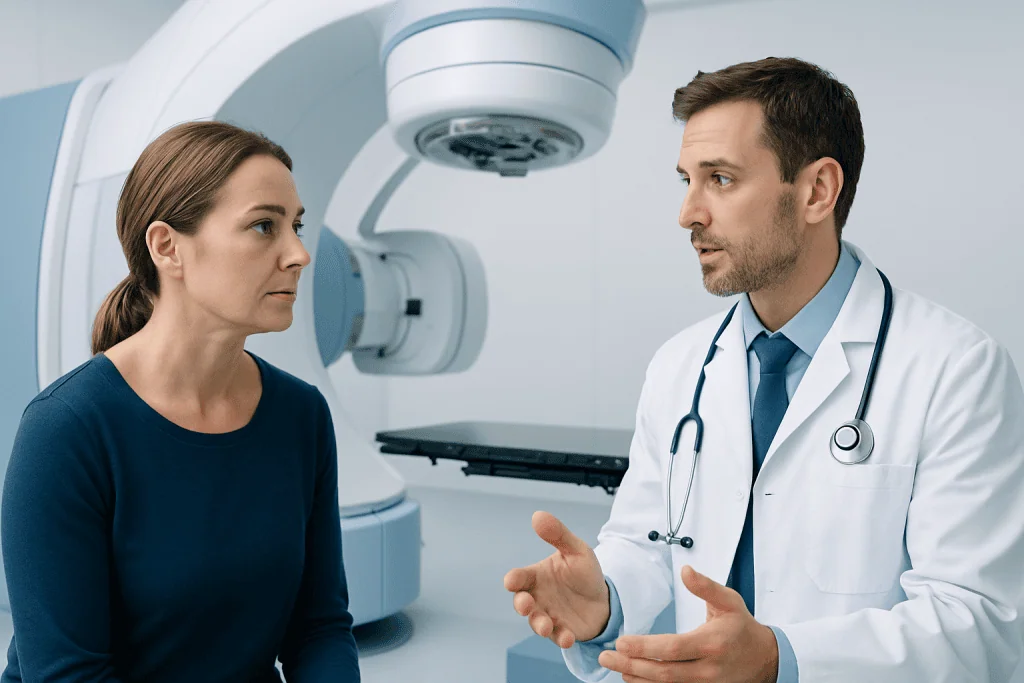
Before treatment begins, patients should make sure they understand the diagnosis clearly. Helpful questions include: What type of cancer is it? What stage is it? Has the diagnosis been confirmed by pathology? Are any additional scans, blood tests, or biopsies needed? Knowing these details can clarify why a certain treatment plan is being recommended and whether there may be more than one reasonable approach.
It is also appropriate to ask about the oncologist’s experience with the specific cancer type. Cancer is not one disease, and treatment can differ greatly by tumor type, stage, molecular features, and the person’s general health. Patients may ask how often the doctor treats this cancer, whether they work within a specialized team, and whether the case is discussed in a tumor board or multidisciplinary meeting.
In some cases, specialized testing helps guide treatment decisions. Patients can ask whether biomarker testing, hormone receptor testing, genetic testing, or other molecular studies are relevant. These tests can sometimes identify treatment targets or clarify prognosis. If the diagnosis involves a complex or uncommon cancer, asking whether a pathology review or expert second opinion would be useful is entirely reasonable.
Questions in this area may include:
- What exactly is my diagnosis, and what does the stage mean?
- Do I need any more tests before deciding on treatment?
- How much experience do you have treating this type of cancer?
- Will my case be reviewed by a multidisciplinary team?
- Should I consider a second opinion or specialist review?
Questions About Treatment Options and Goals

Once the diagnosis is clear, the next step is understanding the available treatments. Patients should ask what options exist, which option is being recommended first, and why. Some cancers may be treated with surgery, systemic therapy, radiation therapy, or a combination of these. In other situations, active surveillance, supportive care, or participation in a clinical trial may also be discussed.
It is especially helpful to ask about the goal of treatment. Depending on the situation, treatment may aim to cure the cancer, control it for as long as possible, shrink it before surgery, lower the risk of recurrence, or ease symptoms and improve quality of life. Clear discussion of the goal can help patients weigh benefits against burdens and make decisions that fit their values.
Patients may also want to understand what treatment involves day to day. This includes how often treatment is given, how long it lasts, whether it is inpatient or outpatient, and how progress will be monitored. If surgery is part of care, asking about the role of cancer surgery can help clarify timing and expectations. If drug treatment is recommended, some patients may also ask whether chemotherapy or targeted medicines are likely to be part of the plan.
Useful questions include:
- What are my treatment options, and which do you recommend?
- What is the goal of this treatment?
- What benefits can I realistically expect?
- How urgent is it to start treatment?
- Are there clinical trials that may be suitable for me?
Understanding Risks, Side Effects, and Quality of Life
Every cancer treatment can cause side effects, but not everyone experiences them in the same way. Patients should ask what short-term and long-term side effects are common, which ones need urgent attention, and what can be done to prevent or manage them. Knowing what to expect often reduces anxiety and helps families plan for daily life during treatment.
Quality of life deserves as much attention as treatment effectiveness. Patients can ask how treatment may affect energy levels, appetite, sleep, work, travel, sexual health, fertility, mood, and independence. Depending on the diagnosis, there may also be questions about appearance, swallowing, speech, mobility, or nerve symptoms. These concerns are not minor; they are a central part of cancer care.
If radiation is recommended, patients may wish to ask how radiation therapy is delivered, what side effects are most likely based on the treatment area, and how the team protects nearby healthy tissues. If symptom control is a concern, asking early about supportive or palliative care can be helpful. Palliative care does not mean treatment is stopping; it focuses on comfort, symptom relief, and emotional support alongside cancer treatment.
Good side-effect planning often includes practical guidance, such as who to call after hours, when to go to the emergency department, and which symptoms require urgent review. Patients may also ask what monitoring will be used to check blood counts, organ function, or response to treatment over time.
The Importance of Team-Based Care and Communication
Modern cancer treatment is often delivered by a team rather than one doctor alone. Asking how care is coordinated can help patients understand who will manage each part of treatment. In many cases, the oncologist works closely with surgeons, radiation oncologists, radiologists, pathologists, specialist nurses, pharmacists, and allied health professionals. This coordinated approach can be especially valuable in complex cancers.
Patients should feel comfortable asking how they will communicate with the team between appointments. Important points include how test results are shared, how quickly questions are answered, who handles prescription refills, and whether there is a nurse navigator or coordinator. Good communication can reduce confusion, prevent delays, and make treatment feel more organized.
It is also useful to ask how decisions are made when more than one treatment path is possible. Some patients prefer the doctor to give a strong recommendation, while others want to review several options in detail. Shared decision-making means the patient’s goals, values, and lifestyle are taken seriously. This may matter when choosing between treatments with different side-effect profiles, schedules, or expected outcomes.
Family involvement can also be discussed. Many patients want a loved one at appointments, either in person or remotely. Asking if visits can include a support person, translation help, or written summaries may improve understanding and confidence. In international centers, patients may also ask about coordination of records and follow-up across countries if needed.
Practical Questions Before Starting Treatment
Alongside medical questions, practical issues often have a big impact on the treatment experience. Patients may ask how soon treatment should start, how long appointments usually take, whether hospitalization is likely, and whether travel or temporary housing may be needed. Understanding the expected schedule can help with work, childcare, transportation, and family planning.
It is also helpful to ask what preparation is needed before treatment. Some people may need dental review, vaccination guidance, nutritional support, fertility counseling, or rehabilitation planning. Others may need to stop certain medications or supplements. Patients should bring a full list of prescriptions, over-the-counter medicines, vitamins, and herbal products to avoid interactions or delays.
Questions about follow-up are equally important. Patients can ask how response will be measured, how often scans or blood tests will be done, and what happens if the first treatment does not work as expected. If a person has a known cancer diagnosis, learning about related conditions such as cancer in a broader sense may also help them understand terminology used throughout care.
Some people may benefit from asking whether genetic counseling, psychosocial support, pain management, or survivorship services are available. If the diagnosis involves the blood or bone marrow, a discussion of advanced therapies such as bone marrow transplantation may occasionally be relevant, depending on the specific disease and treatment plan.
Second Opinions, Self-Advocacy, and Ongoing Support
Seeking a second opinion is common in oncology and is usually welcomed by doctors. It can help confirm the diagnosis, review pathology, compare treatment strategies, and give patients confidence in the next step. A second opinion may be especially helpful for rare cancers, complex treatment decisions, relapse, or when highly specialized surgery or advanced therapies are being considered.
Self-advocacy does not mean a patient must manage everything alone. It means asking questions, speaking up about symptoms, and requesting explanations when something is unclear. Bringing written notes, keeping copies of test results, and asking for medical terms to be explained in plain language can all make a difference. If communication feels rushed or confusing, it is reasonable to ask for another discussion.
Emotional support matters throughout treatment. Cancer can affect mood, relationships, sleep, concentration, and sense of control. Patients may ask about counseling, support groups, social work services, rehabilitation, nutrition guidance, and palliative care. These services can improve daily well-being and help people cope with treatment demands.
Near the end of the decision process, patients may also consider the strengths of the treatment center itself. Access to specialist teams, modern diagnostics, multidisciplinary review, and coordinated supportive care can all influence the treatment experience. Acibadem International’s multidisciplinary specialists and JCI-accredited hospitals diagnose and treat cancer for international patients, with care planned according to the individual diagnosis and needs.
When to Reconsider or Seek More Guidance
Most patients will not have every answer at the first visit, and that is normal. However, certain situations may suggest that more guidance is needed. These include feeling unclear about the diagnosis, not understanding the reason for the recommended treatment, feeling pressured to decide before questions are answered, or having persistent concerns that communication is not working well.
It may also be wise to ask for more review if the treatment plan changes unexpectedly, if new test results raise questions, or if severe side effects develop. Cancer care sometimes needs to adapt over time, and patients deserve to understand why changes are happening. Clear follow-up discussions can help maintain trust and reduce uncertainty.
Urgent medical attention should be sought for serious symptoms during treatment, such as high fever, trouble breathing, heavy bleeding, severe dehydration, new confusion, chest pain, or rapidly worsening pain. Patients should ask their oncology team in advance which warning signs matter most for their specific treatment and how to access help outside normal clinic hours.
Choosing the right oncologist is not only about credentials. It is also about finding a specialist and care team who communicate clearly, respect patient priorities, and provide evidence-based treatment with ongoing support. Asking informed questions before treatment can make the path ahead clearer and more manageable.
Frequently asked questions
What type of doctor is an oncologist?
An oncologist is a doctor who specializes in diagnosing and treating cancer. Depending on the treatment needed, a patient may see a medical oncologist, surgical oncologist, radiation oncologist, or more than one of these specialists.
Is it okay to get a second opinion before starting cancer treatment?
Yes. Second opinions are common in cancer care and can help confirm the diagnosis and treatment plan. They may be especially useful for rare cancers, complex decisions, or when major surgery or advanced therapies are being considered.
What should a patient bring to the first oncology appointment?
It helps to bring previous test results, scan reports, pathology reports, a list of medicines and supplements, and a written list of questions. Many people also find it useful to bring a family member or friend for support and note-taking.
What are the most important questions to ask an oncologist?
Key questions include asking about the exact diagnosis, stage, treatment options, goals of treatment, likely benefits, side effects, and how progress will be monitored. Patients may also ask about the doctor’s experience with that specific cancer and whether a multidisciplinary team is involved.
How can someone know if an oncologist is a good fit?
A good fit usually includes both expertise and communication. Patients often feel more comfortable when the doctor explains things clearly, answers questions respectfully, involves them in decisions, and offers a coordinated plan with appropriate support services.
Should patients ask about fertility, nutrition, and emotional support?
Yes. These topics can be very important before treatment begins, especially for younger patients or anyone concerned about quality of life during and after treatment. Oncology teams can often refer patients to fertility specialists, dietitians, counselors, or support services when needed.
References
- World Health Organization
- National Cancer Institute
- American Society of Clinical Oncology
- European Society for Medical Oncology
- National Comprehensive Cancer Network
This article is for general information only and is not a substitute for professional medical advice. Please consult a qualified doctor about your individual situation.
Oncology care in Turkey — second opinion and treatment plan
JCI-accredited · board-certified surgeons · reply within 24h
Add us as a Preferred Source to see more of our trusted health content across Google Search, AI Overviews and Discover.

Medical Oncology Department
Medical treatment of cancer with chemotherapy, immunotherapy and targeted therapies under a multidisciplinary tumor board.
60 specialists in this unit