Cancer Treatment in Turkey vs Abroad: What International Patients Should Compare

Patients should compare cancer care based on expertise, technology, safety, communication, and continuity of care—not cost alone. Turkey may appeal to international patients because of multidisciplinary oncology services, modern hospitals, and shorter access times in some cases.
Key Takeaways
- Patients should compare cancer care based on expertise, technology, safety, communication, and continuity of care—not cost alone.
- Turkey may appeal to international patients because of multidisciplinary oncology services, modern hospitals, and shorter access times in some cases.
- The best destination depends on the type and stage of cancer, the recommended treatment plan, and the patient’s personal needs.
- A complete review should include pathology confirmation, treatment timeline, possible side effects, travel safety, and aftercare arrangements.
- It is important to ask how emergencies, complications, and long-term follow-up will be managed after returning home.
Choosing cancer care in another country involves more than price alone. International patients often compare medical expertise, treatment options, hospital standards, travel logistics, and follow-up plans when considering cancer treatment in Turkey versus care abroad.
Overview: How to Compare Cancer Treatment in Turkey vs Abroad
For international patients, comparing cancer treatment across countries can feel overwhelming. There is often a lot to assess at once, including the type of cancer, the urgency of treatment, the reputation of the oncology team, the technologies available, and the practical issues of traveling while unwell. A structured comparison can help patients and families make decisions more confidently.
Cancer treatment in Turkey is one of several options considered by patients seeking care outside their home country. Turkey is often compared with destinations in Europe, the Middle East, Asia, and North America. In practice, the best choice depends less on geography and more on whether the hospital can provide the right treatment safely, promptly, and with clear communication.
Rather than asking which country is “best” in general, it is more helpful to ask which center is best suited to a specific diagnosis. Some patients need surgery first, while others may require chemotherapy, radiation therapy, targeted therapy, immunotherapy, or a combination of approaches. A careful comparison focuses on the match between the patient’s needs and the center’s strengths.
What Medical Factors Matter Most
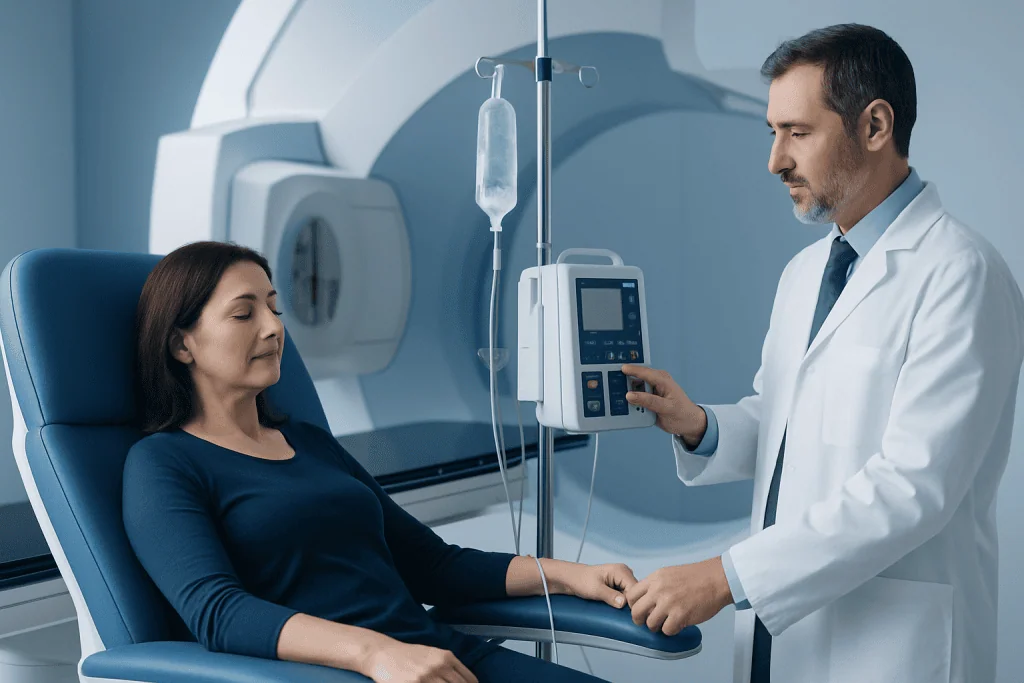
The first and most important question is whether the hospital has experience treating the exact cancer type and stage involved. Oncology is highly specialized. Care for breast cancer, lung cancer, colorectal cancer, leukemia, brain tumors, or sarcoma may require different specialists, technologies, and treatment pathways. Patients should ask whether their case will be reviewed by a multidisciplinary tumor board that includes medical oncologists, surgical oncologists, radiation oncologists, radiologists, pathologists, and other relevant experts.
It is also important to compare the range of treatments available. A strong cancer center should be able to offer evidence-based options such as chemotherapy, surgery, radiation oncology, and when appropriate, targeted treatments or immunotherapy. Patients may want to ask whether the center follows international guidelines, how often the team treats similar cases, and whether treatment can begin without unnecessary delay.
Accurate diagnosis is another key point. Before treatment starts, many patients benefit from a review of pathology slides and imaging. In some cases, molecular or genetic testing may help guide therapy. If a second opinion changes the diagnosis or stage, the treatment plan may also change. This is why strong diagnostic support is just as important as the treatment itself.
Patients comparing countries should also consider supportive care. Cancer treatment may involve pain management, nutritional support, infection monitoring, psychological support, fertility counseling, and rehabilitation. These services can make treatment safer and more manageable, especially for patients traveling far from home.
Hospital Standards, Technology, and Safety

Hospital quality and safety standards are central to any comparison. International patients often look for recognized accreditation, clear infection-control policies, intensive care availability, blood bank support, and emergency services. These are especially important for major cancer surgery, complex chemotherapy regimens, and patients with weakened immune systems.
Technology is another practical consideration. Depending on the diagnosis, patients may need advanced imaging, image-guided biopsy, precision radiation planning, minimally invasive surgery, robotic systems, or specialized infusion units. Access to modern equipment can support accurate diagnosis and more tailored treatment, but technology should always be evaluated together with the expertise of the team using it.
Safety also includes how carefully the hospital prepares for side effects and complications. Patients should ask what happens if there is fever during chemotherapy, bleeding after surgery, dehydration, severe nausea, or a need for urgent readmission. A well-organized center should explain who to contact day or night and how problems will be handled during the patient’s stay.
Another useful question is whether the hospital regularly treats international patients. This can affect the quality of interpretation services, medical document coordination, discharge planning, and communication with doctors back home. Smooth coordination is not just a convenience; it is part of safe, continuous care.
Practical Considerations: Timing, Travel, and Costs
Travel for cancer care involves more than booking a flight. Patients should compare how quickly they can receive appointments, complete tests, start treatment, and return home if appropriate. In some countries, waiting times may be longer for non-urgent procedures, while in others access may be quicker. For cancers that need prompt treatment, this can be a meaningful factor.
Travel logistics should be realistic and tailored to the treatment plan. Some treatments require a short stay, while others need repeated visits over weeks or months. Radiation therapy, for example, is often given in a schedule over several days or weeks, while some surgery patients may need a recovery period before travel. Patients should ask how long they will need to remain nearby and whether they will be medically fit to fly.
Cost is naturally part of the comparison, but it should be viewed in full context. A lower initial quote may not include pathology review, imaging, medications, intensive care, management of complications, accommodation, or follow-up visits. Patients should request a clear written estimate and ask what may change the final cost. Comparing total care costs is usually more helpful than comparing a single procedure price.
Other practical issues include visa requirements, travel insurance, companion needs, language support, and access to familiar food or a suitable recovery environment. For some patients, staying closer to home may reduce stress. For others, traveling may provide faster access to treatment or a broader choice of specialists. The best option is the one that supports both medical care and overall well-being.
Questions International Patients Should Ask Before Choosing
Before deciding on cancer treatment in Turkey or another country, patients may find it useful to prepare a checklist. This helps ensure that important issues are discussed clearly and consistently across different hospitals. Written answers can also make it easier to compare options with family members and local doctors.
Helpful questions include:
- What is the confirmed diagnosis and stage, and will pathology be reviewed again?
- Which specialists will be involved in the case?
- What treatment options are recommended, and why?
- Are surgery, systemic therapy, and radiation available in the same center if needed?
- How soon can treatment begin?
- What side effects or risks are most important in this situation?
- How long will the patient need to stay in the country?
- What kind of follow-up will be needed after returning home?
- What is included in the estimated cost, and what is not included?
- How will records be shared with the patient’s home doctor?
Patients may also want to ask whether clinical trials are available or whether treatment follows major international cancer guidelines. If the cancer is rare or complex, it can be especially important to ask about the center’s experience with similar cases. A thoughtful team should welcome these questions and explain answers in understandable language.
When comparing centers, it can help to keep expectations realistic. No country or hospital can guarantee a cure. Good care is defined by accurate diagnosis, appropriate treatment, careful monitoring, honest communication, and support throughout the process.
Follow-Up Care After Returning Home
One of the most overlooked parts of international cancer care is follow-up. Many cancer treatments continue long after the initial procedure or hospital stay. Patients may need wound checks, blood tests, imaging, medication monitoring, symptom management, rehabilitation, or long-term surveillance for recurrence. A destination hospital should explain clearly which parts of care can be completed abroad and which should continue at home.
This is especially important for patients receiving complex or staged care, such as treatment for breast cancer or lung cancer, where surgery, drug therapy, and radiation may occur over different time periods. Good planning helps avoid treatment gaps and confusion once the patient returns home. Ideally, the international team should provide a written summary for the local oncologist, including the diagnosis, pathology findings, medications used, and next recommended steps.
Patients should also discuss what to do if side effects develop after travel. Fever, pain, shortness of breath, poor wound healing, or severe fatigue may need urgent review. Knowing in advance whether the treating hospital offers remote follow-up or communication with the local care team can provide reassurance.
Near the end of the decision process, some patients may also compare whether the center offers coordinated services for international visitors. Acibadem International’s multidisciplinary specialists and JCI-accredited hospitals diagnose and treat cancer for international patients, with attention to treatment planning and cross-border care coordination.
When a Doctor’s Advice Matters Most
Cancer treatment decisions should not be based on online information alone. Patients should speak with a qualified oncologist before making travel arrangements or delaying treatment in order to seek care elsewhere. A doctor can help explain how urgent the situation is, whether travel is medically reasonable, and what type of center is most appropriate.
Urgent medical advice is especially important if the patient has rapidly worsening symptoms, heavy bleeding, severe pain, new weakness, persistent vomiting, breathing difficulty, high fever, or signs of dehydration. These problems may need immediate evaluation before any international treatment plan can be considered.
It is also wise to seek expert guidance when there is uncertainty about the diagnosis, disagreement between treatment recommendations, or concern that a proposed plan is not clear. In these situations, a formal second opinion can be very helpful. The goal is not simply to choose a country, but to choose safe, evidence-based, well-coordinated care that fits the patient’s individual needs.
With the right questions and medical guidance, international patients can compare options thoughtfully and avoid focusing on only one factor. A balanced decision takes into account quality, safety, access, communication, comfort, and continuity of care.
Frequently asked questions
Is cancer treatment in Turkey suitable for international patients?
For some international patients, cancer treatment in Turkey can be a suitable option if the hospital offers the right expertise, technology, and follow-up planning for their specific diagnosis. The decision should be based on medical needs, safety standards, communication quality, and continuity of care rather than location alone.
What should patients compare besides cost?
Patients should compare the oncology team’s experience, diagnostic accuracy, treatment options, hospital accreditation, infection control, emergency support, and aftercare planning. Clear communication, written treatment plans, and coordination with the home doctor are also very important.
Can treatment start faster abroad than in the patient’s home country?
In some situations, yes, treatment abroad may begin more quickly, depending on the hospital and the type of care needed. However, speed should not come at the expense of careful diagnosis, pathology review, and an appropriate treatment plan.
How important is follow-up after returning home?
Follow-up is a major part of cancer care and should be planned before treatment begins. Patients often need blood tests, imaging, medication checks, symptom monitoring, or further therapy, so a clear handover to the local medical team is essential.
Should patients get a second opinion before traveling for cancer treatment?
A second opinion can be very helpful, especially for rare cancers, complex treatment decisions, or unclear diagnoses. It may confirm the original plan or suggest a different approach, which can help patients make a more informed decision.
Are all cancers equally suitable for treatment abroad?
Not always. Some cancers require urgent treatment, frequent hospital visits, or intensive monitoring, which may make travel more difficult. The suitability of care abroad depends on the cancer type, stage, symptoms, treatment schedule, and the patient’s overall health.
References
- World Health Organization
- National Cancer Institute
- American Society of Clinical Oncology
- European Society for Medical Oncology
- U.S. Centers for Disease Control and Prevention
This article is for general information only and is not a substitute for professional medical advice. Please consult a qualified doctor about your individual situation.
Oncology care in Turkey — second opinion and treatment plan
JCI-accredited · board-certified surgeons · reply within 24h
Add us as a Preferred Source to see more of our trusted health content across Google Search, AI Overviews and Discover.

Medical Oncology Department
Medical treatment of cancer with chemotherapy, immunotherapy and targeted therapies under a multidisciplinary tumor board.
60 specialists in this unit