Common Side Effects of Cancer Treatment and How They Are Managed
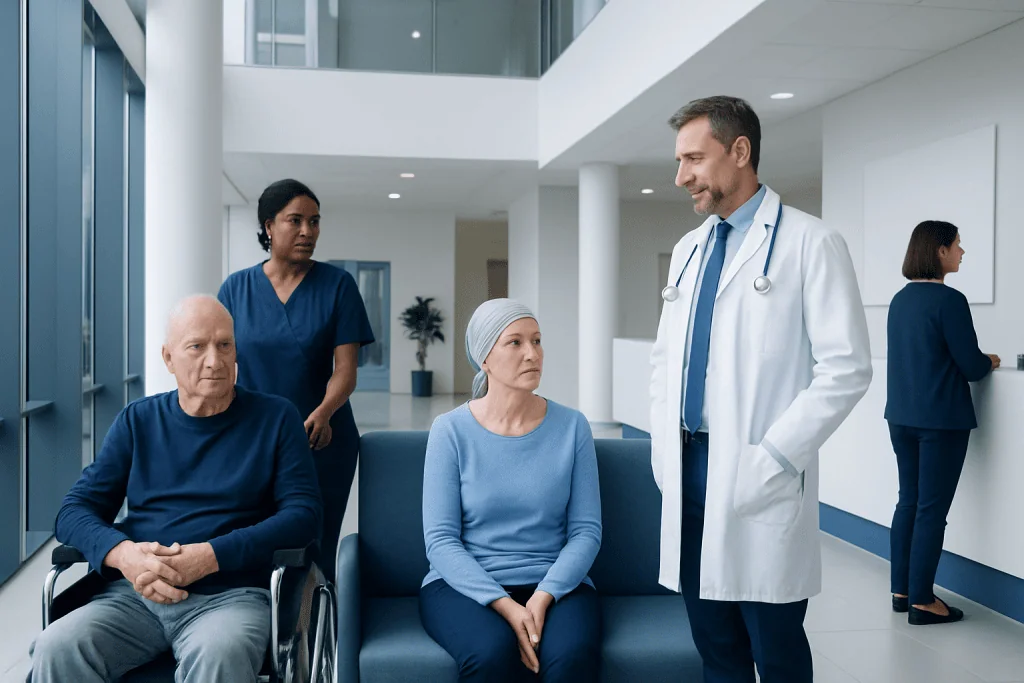
Side effects vary by treatment type, dose, treatment area, and a person’s overall health. Many side effects can be prevented or reduced with supportive medicines, nutrition, hydration, and symptom monitoring.
Key Takeaways
- Side effects vary by treatment type, dose, treatment area, and a person’s overall health.
- Many side effects can be prevented or reduced with supportive medicines, nutrition, hydration, and symptom monitoring.
- Not everyone experiences the same problems, and some side effects improve soon after treatment ends.
- Promptly reporting new or worsening symptoms helps the care team manage complications early.
- Emotional changes, fatigue, and appetite problems are common and deserve the same attention as physical symptoms.
Cancer treatment can cause side effects, but many can be anticipated and managed with timely medical support, self-care, and treatment adjustments. Understanding what may happen and when to ask for help can make treatment safer and more comfortable.
Overview
Common side effects of cancer treatment happen because therapies that target cancer can also affect healthy cells. The exact side effects depend on the type of treatment, such as chemotherapy, radiation therapy, surgery, targeted therapy, immunotherapy, or hormone therapy. They also depend on the part of the body being treated, the treatment schedule, and the person’s age, nutrition, and general health.
Many people worry that side effects are unavoidable or always severe. In reality, experiences vary widely. Some people have only mild symptoms, while others need closer support. Modern cancer care includes supportive treatment designed to prevent complications, reduce discomfort, and help patients continue therapy as safely as possible.
It is also important to know that side effects are not only physical. Cancer treatment can affect sleep, mood, concentration, relationships, and day-to-day routines. A full treatment plan often includes symptom control, dietary advice, rehabilitation, and emotional support alongside care for the cancer itself.
Symptoms and Common Side Effects
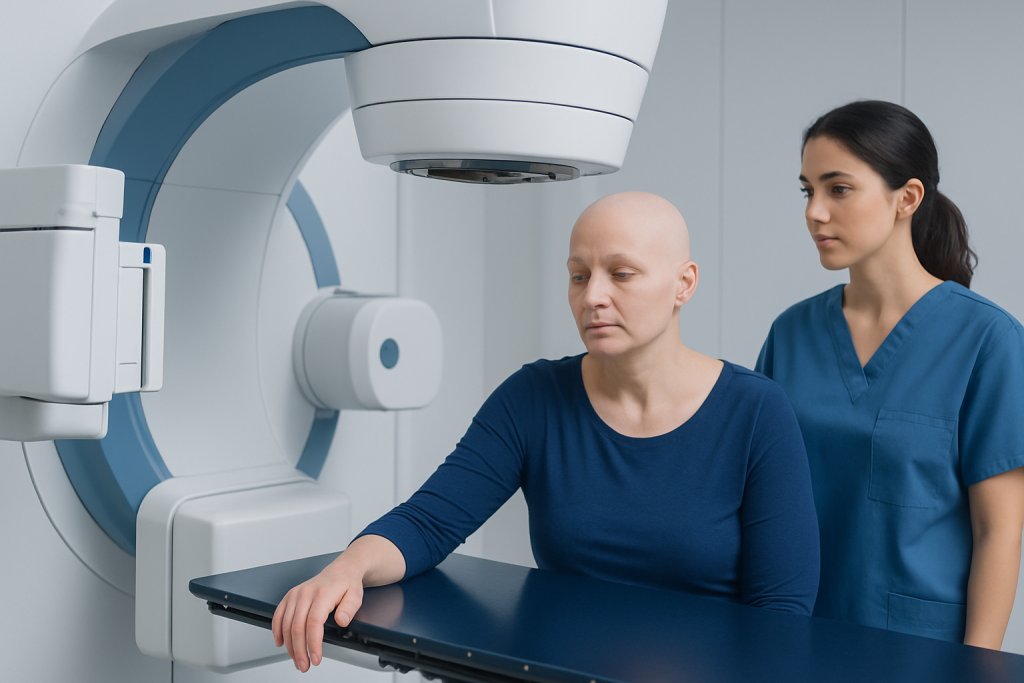
The most familiar side effects include fatigue, nausea, vomiting, appetite loss, constipation, diarrhea, mouth sores, hair loss, and skin changes. Some treatments may also cause numbness or tingling in the hands and feet, called peripheral neuropathy. Others can lead to changes in taste, dry mouth, or difficulty swallowing. These symptoms may begin during treatment, shortly after it, or build up gradually over time.
Blood-related side effects are also common. Cancer treatment can reduce white blood cells, red blood cells, or platelets. This may increase the risk of infection, cause shortness of breath and weakness from anemia, or lead to easier bruising and bleeding. Some people develop fever, chills, or signs of dehydration and need urgent medical assessment.
Different treatment methods have different patterns of side effects. For example, radiation therapy often affects the treated area, such as skin irritation, bowel changes, or throat discomfort. Chemotherapy may cause more body-wide effects because it travels throughout the bloodstream. Immunotherapy can sometimes trigger inflammation in organs such as the lungs, bowel, liver, thyroid, or skin.
- Fatigue and reduced stamina
- Nausea, vomiting, or reduced appetite
- Hair loss or thinning
- Mouth sores and swallowing discomfort
- Diarrhea or constipation
- Skin rashes, dryness, or sensitivity
- Numbness, tingling, or pain in hands and feet
- Low blood counts, infection risk, or easy bruising
Why Side Effects Happen and Who Is More at Risk
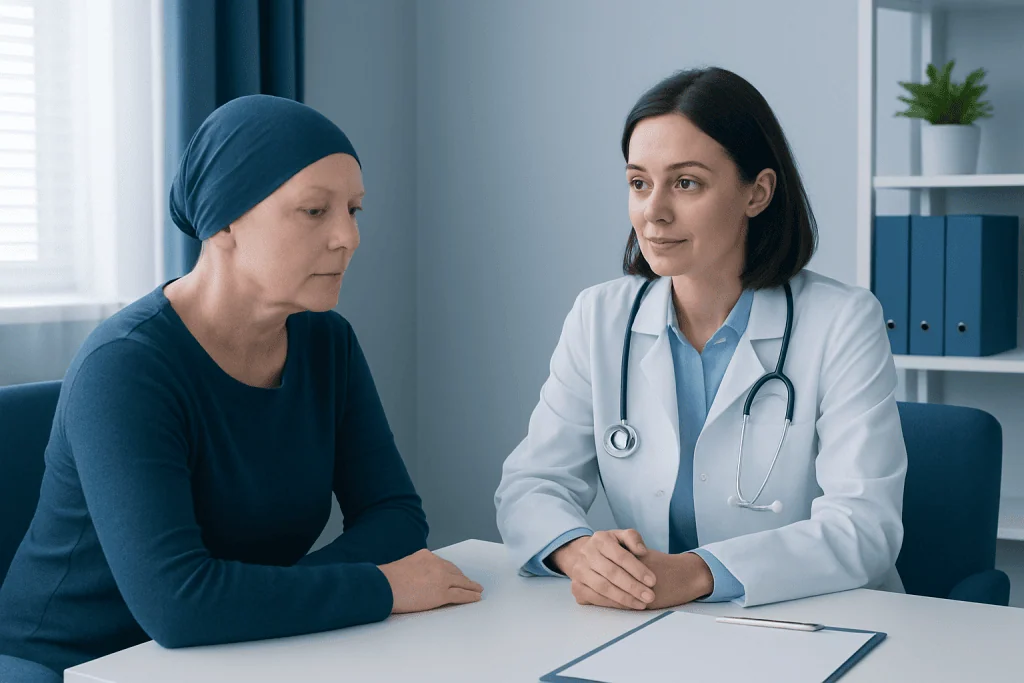
Side effects happen when treatment affects healthy tissues as well as cancer cells. Chemotherapy can damage fast-growing normal cells in the bone marrow, digestive tract, hair follicles, and mouth lining. Radiation affects cells within the treatment field. Surgery may cause pain, swelling, scarring, or temporary changes in movement and function. Targeted therapies and immunotherapies work differently, but they can still disrupt normal body processes and cause inflammation or hormonal changes.
Risk is influenced by several factors. These include the specific medicines used, total dose, treatment combination, treatment duration, previous therapies, and the presence of other medical conditions such as diabetes, heart disease, kidney disease, or lung problems. People who are older, underweight, dehydrated, or already weak from cancer itself may need more careful monitoring.
The type of cancer can matter too, especially if it affects eating, digestion, breathing, or blood production. For example, people treated for breast cancer or lung cancer may have different symptom patterns because their treatment plans often differ. Even so, side effects should never be compared too closely from one person to another, because each treatment journey is individual.
How Doctors Diagnose and Monitor Side Effects
Managing side effects starts with regular monitoring. The cancer care team asks about symptoms at each visit and may use simple grading systems to judge how mild or severe they are. Patients are often encouraged to keep a daily record of temperature, appetite, bowel habits, pain, sleep, and energy levels. This helps identify patterns and shows whether symptoms are improving or becoming more serious.
Blood tests are commonly used to check white blood cells, hemoglobin, platelets, liver function, kidney function, and electrolytes. Depending on symptoms, doctors may also order urine tests, stool tests, imaging, or heart and lung assessments. For example, shortness of breath may need a scan or oxygen check, while persistent diarrhea may need tests to rule out infection or treatment-related inflammation.
Early reporting is essential. Symptoms such as fever, chest pain, severe vomiting, confusion, new bleeding, severe diarrhea, or inability to drink fluids can signal complications that need urgent care. Timely assessment allows the team to treat the problem early and, when necessary, adjust the cancer treatment plan without unnecessary delay.
Treatment Options and Symptom Management
Supportive care is the main way side effects are managed. Doctors may prescribe anti-nausea medicines, pain relief, mouth rinses, stool softeners, anti-diarrheal treatment, skin creams, or medications to support blood counts, depending on the problem. Intravenous fluids may be used for dehydration, and antibiotics may be needed if there is a suspected infection. Some patients benefit from nutritional support, physical therapy, or counseling as part of their care.
Sometimes the cancer treatment itself must be adjusted. This may mean delaying a session, lowering the dose, changing the medicine, or switching to a different approach. These changes are made carefully to balance cancer control with safety and quality of life. When surgery is part of treatment, proper wound care, pain control, breathing exercises, and gradual mobilization help recovery. In selected cases, medical oncology care includes close supportive treatment throughout each cycle to reduce treatment burden.
Management is also tailored to the specific side effect. Fatigue is often addressed with pacing, light activity, sleep support, and treatment of anemia or thyroid problems when present. Mouth sores may improve with gentle oral care and avoiding irritating foods. Neuropathy may require medication review and symptom-relief strategies. Skin reactions from radiation are managed with gentle cleansing, sun protection, and products recommended by the treatment team.
Emotional side effects deserve care too. Anxiety, sadness, irritability, and fear are common during treatment. Support from psychologists, social workers, support groups, and palliative care teams can help patients and families cope better. Palliative care is not only for advanced illness; it is a specialized service focused on symptom relief and quality of life at any stage of cancer treatment.
Prevention and Self-care During Treatment
Not all side effects can be prevented, but practical steps can lower risk and improve comfort. Good hydration, balanced meals, regular handwashing, rest, and light physical activity can support the body during treatment. Patients should take medicines exactly as prescribed, including preventive anti-nausea medicines, and should not stop or add supplements without checking with their doctor.
Simple daily routines can make a difference. Small frequent meals may be easier than large meals when appetite is poor. A soft toothbrush and alcohol-free mouth care can help prevent mouth irritation. Fragrance-free moisturizers may reduce dry or sensitive skin. People with lowered immunity should avoid close contact with those who are unwell and follow food safety advice carefully.
It also helps to prepare for side effects before they start. Patients can ask what symptoms are most likely with their treatment, what warning signs require urgent contact, and which over-the-counter products are safe. Keeping a symptom diary and bringing a list of questions to appointments can improve communication and allow problems to be addressed early.
When to See a Doctor
Patients should contact their treatment team promptly if they develop a fever, signs of infection, uncontrolled nausea or vomiting, severe diarrhea, new bleeding, sudden weakness, shortness of breath, chest pain, confusion, or severe pain. These symptoms may indicate complications that should not wait for the next routine visit. It is safer to call early than to assume a symptom is normal.
Medical advice is also important when side effects interfere with eating, drinking, sleeping, walking, or taking medicines as directed. Ongoing weight loss, worsening fatigue, depressed mood, and persistent numbness or tingling should be discussed even if they do not seem urgent. Small problems can become larger if left untreated.
Near the end of treatment or during follow-up, some side effects may linger or appear later. Long-term fatigue, hormonal changes, heart or lung issues, fertility concerns, bone weakness, and cognitive changes may need continued monitoring. Multidisciplinary specialists at Acibadem International’s JCI-accredited hospitals diagnose and treat cancer-related side effects for international patients as part of coordinated oncology care.
Frequently asked questions
Do all cancer treatments cause the same side effects?
No. Side effects depend on the type of treatment, the dose, the treatment area, and the person’s overall health. Two people receiving treatment for the same cancer may still have different experiences.
How long do cancer treatment side effects last?
Some side effects last only a few days, while others continue throughout treatment or for a period afterward. A few effects, such as neuropathy or fatigue, can take longer to improve and may need ongoing follow-up.
Is fatigue during cancer treatment normal?
Yes, fatigue is one of the most common side effects of cancer treatment. It can be related to the treatment itself, anemia, poor sleep, pain, stress, or reduced nutrition, so it should still be discussed with the care team.
When should a fever during cancer treatment be treated as urgent?
A fever during cancer treatment can be serious, especially if white blood cell counts are low. Patients should contact their treatment team right away or seek urgent care if they develop a fever, chills, or signs of infection.
Can side effects be managed without stopping cancer treatment?
Often, yes. Many side effects improve with supportive medicines, hydration, nutrition support, rest, and careful monitoring. If symptoms become severe, the doctor may adjust the treatment plan to keep care safe.
What can help with nausea and appetite loss during treatment?
Anti-nausea medicines, small frequent meals, adequate fluids, and choosing bland or easy-to-digest foods may help. Patients should tell their doctor early if they are struggling to eat or drink, because dehydration and weight loss can develop quickly.
References
- National Cancer Institute
- American Cancer Society
- World Health Organization
- European Society for Medical Oncology
- National Comprehensive Cancer Network
This article is for general information only and is not a substitute for professional medical advice. Please consult a qualified doctor about your individual situation.
Oncology care in Turkey — second opinion and treatment plan
JCI-accredited · board-certified surgeons · reply within 24h
Add us as a Preferred Source to see more of our trusted health content across Google Search, AI Overviews and Discover.

Medical Oncology Department
Medical treatment of cancer with chemotherapy, immunotherapy and targeted therapies under a multidisciplinary tumor board.
60 specialists in this unit