What Is an Oncologist? Roles, Training, and Care
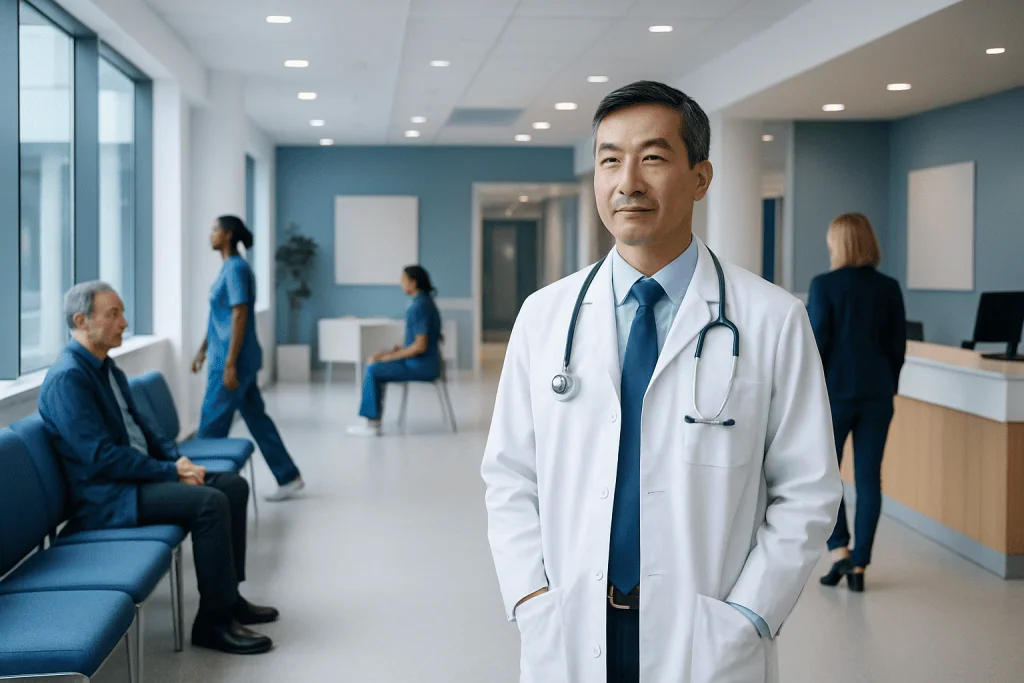
An oncologist is a cancer specialist involved in diagnosis, treatment planning, and long-term follow-up. There are several types of oncologists, including medical, surgical, and radiation oncologists.
Key Takeaways
- An oncologist is a cancer specialist involved in diagnosis, treatment planning, and long-term follow-up.
- There are several types of oncologists, including medical, surgical, and radiation oncologists.
- Oncologists usually work as part of a multidisciplinary team with pathologists, radiologists, nurses, and other specialists.
- Training is extensive and includes medical school, residency, and specialized fellowship training.
- Cancer care may include chemotherapy, immunotherapy, targeted therapy, surgery, radiation therapy, or supportive care.
- Patients can prepare for oncology visits by bringing records, questions, and a list of symptoms and medications.
An oncologist is a doctor who specializes in diagnosing, treating, and monitoring cancer. Different oncologists have different roles, and many patients are cared for by a team that works together to create a personalized treatment plan.
Overview: What Does an Oncologist Do?
An oncologist is a physician who specializes in the care of people with cancer. This includes helping diagnose the disease, explaining what the diagnosis means, discussing treatment options, coordinating care with other specialists, and monitoring recovery or long-term control of the cancer. Oncology care often continues beyond the first treatment because many patients need follow-up visits, symptom support, and ongoing surveillance.
The term “oncologist” is broad. In practice, it includes several different specialties, each with a distinct role in cancer care. Some oncologists use medicines such as chemotherapy, immunotherapy, hormone therapy, or targeted therapy. Others perform cancer surgery or plan radiation treatment. Depending on the type and stage of cancer, a patient may see one oncologist or several.
Modern cancer care is usually team-based. Oncologists often work closely with radiologists, pathologists, oncology nurses, pharmacists, genetic counselors, nutrition professionals, palliative care specialists, and surgeons from different fields. This multidisciplinary approach helps make treatment decisions more precise and better tailored to the person’s needs, overall health, and treatment goals.
Types of Oncologists
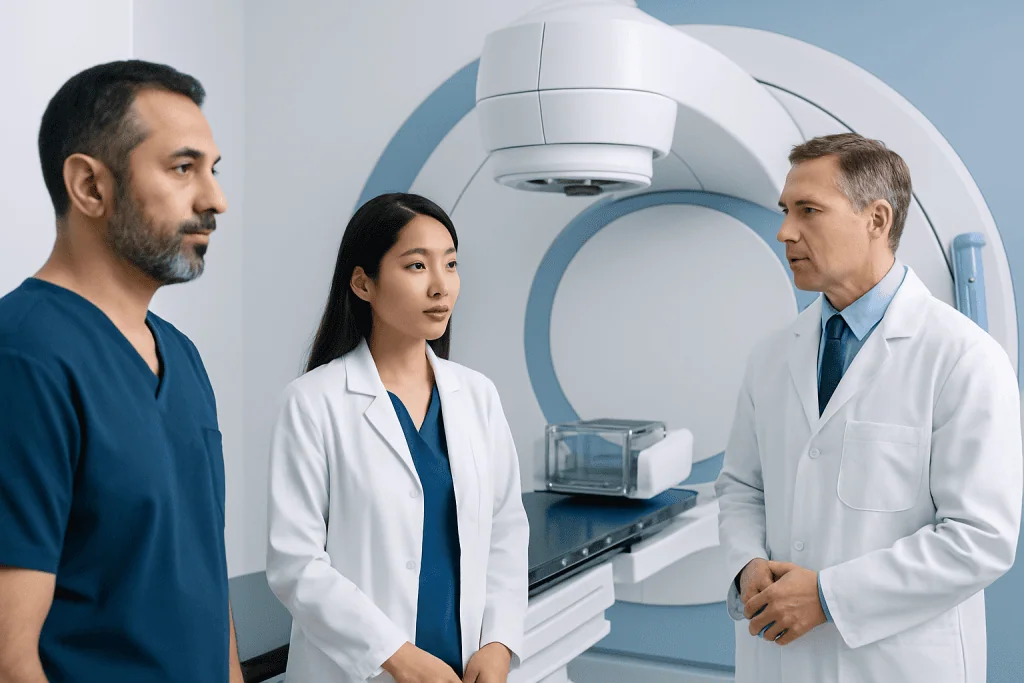
There are three main types of oncologists. A medical oncologist treats cancer with medicines, such as chemotherapy, immunotherapy, targeted therapy, or hormone therapy. A surgical oncologist removes tumors and may also perform biopsies or help determine how far a cancer has spread. A radiation oncologist treats cancer using carefully planned radiation to destroy cancer cells or shrink tumors.
Some oncologists have additional subspecialty expertise. For example, pediatric oncologists care for children with cancer, while gynecologic oncologists focus on cancers of the female reproductive system. Hematologist-oncologists treat blood cancers such as leukemia, lymphoma, and myeloma, as well as some noncancerous blood disorders. Organ-based cancer specialists may focus mainly on breast, lung, gastrointestinal, brain, skin, or urologic cancers.
Patients may also meet other doctors involved in oncology care. A pathologist examines tissue samples to confirm the diagnosis. A radiologist interprets imaging scans. A palliative care physician helps with symptom relief, quality of life, and support during treatment. Although these doctors may not all be called oncologists, they are important members of the broader cancer care team.
- Medical oncologist: treats cancer with medications and oversees systemic therapy
- Surgical oncologist: removes tumors and performs diagnostic or staging procedures
- Radiation oncologist: plans and delivers radiation therapy
- Hematologist-oncologist: specializes in blood cancers and related conditions
- Pediatric oncologist: treats cancers in infants, children, and adolescents
Training and Qualifications
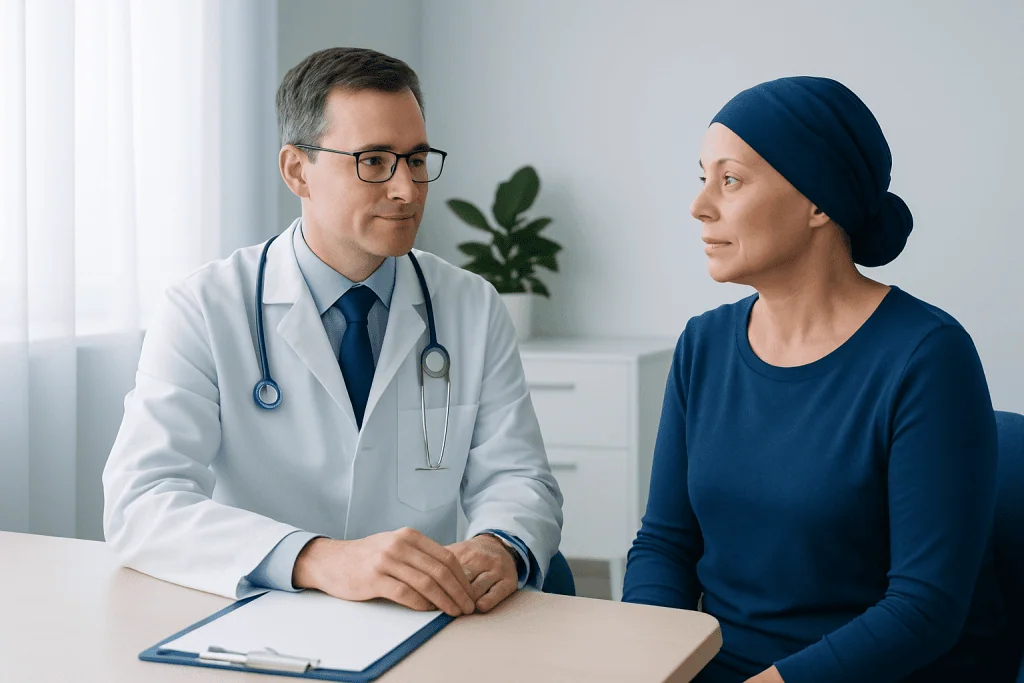
Becoming an oncologist requires many years of education and supervised clinical training. First, the doctor completes medical school. After that, they enter a residency program in a relevant field such as internal medicine, surgery, radiation oncology, pediatrics, or obstetrics and gynecology, depending on the oncology specialty they plan to pursue.
Most oncologists then complete fellowship training, which provides advanced education specifically in cancer care. During fellowship, they learn how to diagnose different cancers, interpret pathology and imaging findings, choose evidence-based treatments, manage side effects, and communicate clearly with patients and families about complex decisions.
In many countries, oncologists also complete board certification or equivalent specialty examinations and continue with ongoing medical education throughout their careers. This is important because cancer medicine changes quickly. New diagnostic tools, treatment strategies, and supportive care approaches are regularly studied and adopted into practice when evidence supports them.
When Someone Is Referred to an Oncologist
A person may be referred to an oncologist after a screening test, imaging scan, blood test, or biopsy raises concern for cancer. Sometimes the referral happens before the diagnosis is fully confirmed, especially if more specialized evaluation is needed. In other cases, a person sees an oncologist after a surgeon or another doctor has already identified cancer and wants the next steps in treatment to be planned.
The first oncology appointment often includes a careful review of symptoms, medical history, imaging, pathology reports, and prior treatments or surgeries. The oncologist may explain the type of cancer, the stage if known, and whether additional tests are needed. These tests may include blood work, advanced imaging, genetic or molecular testing, or a second pathology review.
Referrals can also happen after treatment. Some patients see an oncologist for surveillance to watch for recurrence, manage side effects, or discuss survivorship issues such as fatigue, fertility, nutrition, bone health, or emotional well-being. Even when treatment is finished, oncology follow-up can remain an important part of ongoing care.
How Oncologists Diagnose and Plan Treatment
Oncologists do not usually rely on one test alone. Cancer diagnosis and treatment planning often involve combining biopsy results, laboratory studies, imaging, and an assessment of the patient’s overall health. The exact plan depends on the cancer type, its stage, where it started, whether it has spread, and sometimes the genetic or molecular features of the tumor.
Staging is a key part of oncology. It describes how large the cancer is and whether it has spread to lymph nodes or other organs. Staging helps estimate prognosis, compare treatment options, and guide discussions about goals of care. For some people, treatment begins quickly after diagnosis; for others, a short period of further testing is needed to choose the best approach.
Treatment planning is often discussed in a multidisciplinary tumor board or care meeting, where specialists review the case together. Options may include surgery, radiation therapy, systemic treatments, or a combination. For example, some people may benefit from chemotherapy before surgery to shrink a tumor, while others may need radiation therapy after surgery to reduce the risk of recurrence. In selected cases, immunotherapy or targeted therapies may also be considered.
The oncologist also considers practical and personal factors, such as age, other medical conditions, treatment tolerance, family responsibilities, work, and individual preferences. Good oncology care is not only about fighting the disease; it is also about choosing a plan the patient can understand and safely follow.
What Treatment and Supportive Care May Include
Oncology treatment is highly individualized. Some cancers are best treated with surgery first, while others respond better to medication or radiation. A medical oncologist may recommend chemotherapy, immunotherapy, hormone therapy, targeted therapy, or combinations of these. A surgical oncologist may remove the tumor and nearby lymph nodes when needed. A radiation oncologist designs treatment to deliver radiation precisely while protecting healthy tissues as much as possible.
Supportive care is another major part of an oncologist’s role. Cancer and its treatments can affect energy, appetite, sleep, mood, digestion, and blood counts. Oncologists help prevent, monitor, and manage side effects such as nausea, pain, infection risk, anemia, neuropathy, and skin changes. They may also involve palliative care specialists early, not only at the end of life, but at any stage when symptom relief and quality of life need attention.
Follow-up care is equally important. After treatment, many patients continue to see their oncologist for exams, blood tests, scans, and counseling about recovery. Follow-up may focus on detecting recurrence, managing long-term side effects, and supporting return to daily life. In some situations, patients are also monitored for related conditions such as leukemia or other blood and bone marrow disorders when relevant to their diagnosis or treatment history.
How Patients Can Prepare for an Oncology Appointment
Preparing for an oncology visit can help make the conversation more productive and less overwhelming. It is often useful to bring pathology reports, imaging results, a medication list, and contact information for other doctors involved in care. Some people also find it helpful to bring a family member or trusted friend for support and to help remember the discussion.
Before the appointment, patients may want to write down symptoms, when they started, and how they affect daily life. It can also help to prepare questions about the diagnosis, treatment goals, possible side effects, expected timeline, and whether treatment may affect fertility, work, travel, or everyday activities. Asking for explanations in simple language is appropriate and often encouraged.
Common questions include:
- What type of cancer is it, and what stage is it?
- What treatment options are available, and why is one being recommended?
- What benefits and side effects should be expected?
- Will more tests be needed before treatment begins?
- How often will follow-up visits occur?
For international patients seeking specialist care, Acibadem International’s multidisciplinary specialists and JCI-accredited hospitals diagnose and treat cancer with coordinated oncology services. A clear explanation of records, test results, and treatment steps can help patients feel more informed and supported.
When to See a Doctor and When an Oncologist Is Needed
Not every symptom means cancer, and many common complaints are caused by noncancerous conditions. Still, persistent, unexplained symptoms should be assessed by a qualified doctor. Warning signs that deserve medical attention may include a new lump, unexplained weight loss, unusual bleeding, a lasting cough, changes in bowel or bladder habits, a nonhealing sore, or ongoing fatigue without a clear reason.
A primary care doctor or another specialist usually decides when an oncology referral is appropriate. If cancer is suspected or confirmed, seeing an oncologist can help clarify the diagnosis and treatment plan. In some situations, getting a second opinion from another oncologist is also reasonable, especially if the diagnosis is rare, the treatment options are complex, or major surgery is being considered.
Prompt medical evaluation matters because early diagnosis often creates more treatment options. At the same time, patients should remember that oncology care is meant to provide guidance and support, not just treatment. A good oncologist helps patients understand the situation, weigh decisions carefully, and move forward step by step.
Frequently asked questions
What is the difference between an oncologist and a hematologist?
An oncologist specializes in cancer, while a hematologist focuses on blood disorders. Some doctors are trained as hematologist-oncologists and treat both blood cancers and certain noncancerous blood conditions.
Do all cancer patients need more than one oncologist?
Not always. Some patients mainly see one type of oncologist, while others need a team that includes medical, surgical, and radiation oncology specialists. The exact team depends on the cancer type, stage, and treatment plan.
Can an oncologist diagnose cancer?
Yes, oncologists help diagnose cancer by reviewing symptoms, scans, lab tests, and biopsy results. However, the diagnosis is often confirmed through pathology, imaging, and collaboration with other specialists.
What happens at the first oncology appointment?
The first visit usually includes a review of medical records, symptoms, test results, and any prior procedures. The oncologist may explain the diagnosis, discuss whether more testing is needed, and outline possible treatment options.
When should someone ask for a second opinion from an oncologist?
A second opinion can be helpful when the diagnosis is unclear, the cancer is rare, treatment choices are complex, or major surgery is being considered. Many patients also seek one simply to feel more confident about the plan.
Does seeing an oncologist always mean a person has cancer?
No. Some people are referred because a test result or symptom needs further evaluation. An oncologist may help determine whether cancer is present and what additional tests, if any, are needed.
References
- World Health Organization
- National Cancer Institute
- American Society of Clinical Oncology
- European Society for Medical Oncology
- Centers for Disease Control and Prevention
This article is for general information only and is not a substitute for professional medical advice. Please consult a qualified doctor about your individual situation.
Oncology care in Turkey — second opinion and treatment plan
JCI-accredited · board-certified surgeons · reply within 24h
Add us as a Preferred Source to see more of our trusted health content across Google Search, AI Overviews and Discover.

Medical Oncology Department
Medical treatment of cancer with chemotherapy, immunotherapy and targeted therapies under a multidisciplinary tumor board.
60 specialists in this unit