How Long Is an Oncology Appointment? What Patients Can Expect
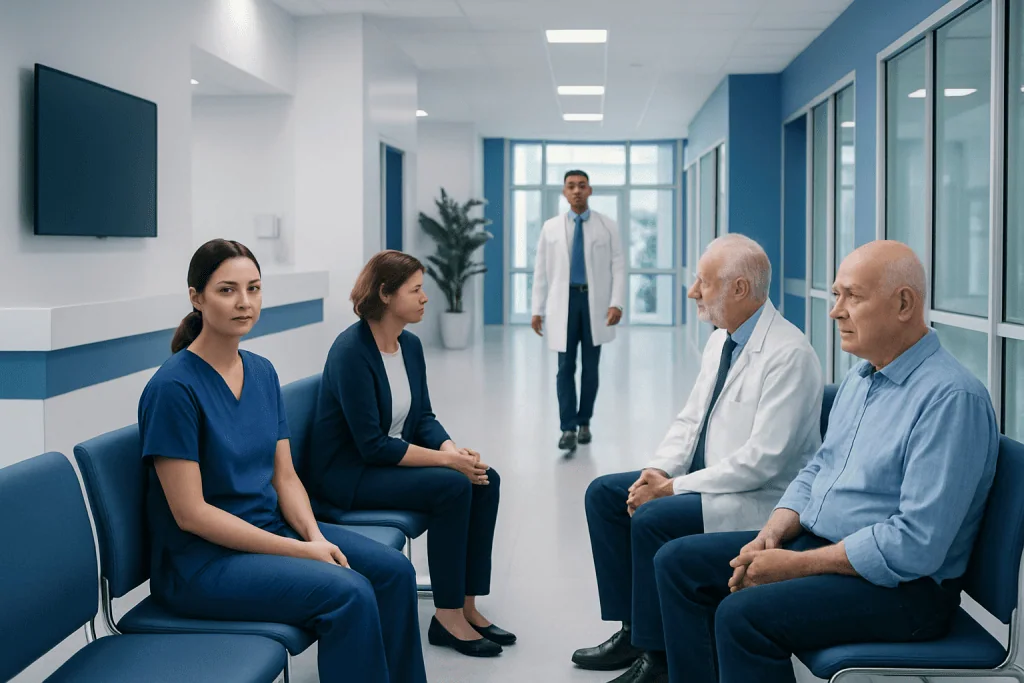
First oncology appointments are usually longer than follow-up visits. The visit may include medical history, physical examination, review of scans or biopsy results, and treatment planning.
Key Takeaways
- First oncology appointments are usually longer than follow-up visits.
- The visit may include medical history, physical examination, review of scans or biopsy results, and treatment planning.
- Bringing records, medication lists, and questions can make the appointment smoother and more useful.
- Some oncology visits involve extra time for blood tests, imaging, or meeting several specialists.
- Patients should ask about next steps, possible side effects, and whom to contact after the visit.
Oncology appointment length depends on the reason for the visit, the tests needed, and whether it is a first consultation or a follow-up. Knowing what usually happens during an oncology appointment can help patients feel more prepared, organized, and at ease.
Overview: How Long Is an Oncology Appointment?
Oncology appointment length can vary quite a bit. In many cases, a first oncology appointment takes longer than a routine follow-up because the specialist needs time to review the person’s symptoms, medical history, previous test results, and overall health. The doctor may also explain the diagnosis, discuss whether more testing is needed, and outline possible treatment options.
Follow-up oncology appointments are often shorter, especially if they are focused on checking progress, reviewing laboratory results, managing side effects, or adjusting treatment. However, even a follow-up visit can take more time if new symptoms appear, if scan results need careful discussion, or if several treatment choices are being considered.
It is also helpful to remember that the total time at the hospital or clinic may be longer than the face-to-face time with the doctor. Registration, nursing checks, blood tests, imaging, infusion scheduling, or waiting for results can all add to the visit. For this reason, patients are often advised to allow extra time and avoid planning important commitments immediately afterward.
What Happens at a First Oncology Appointment
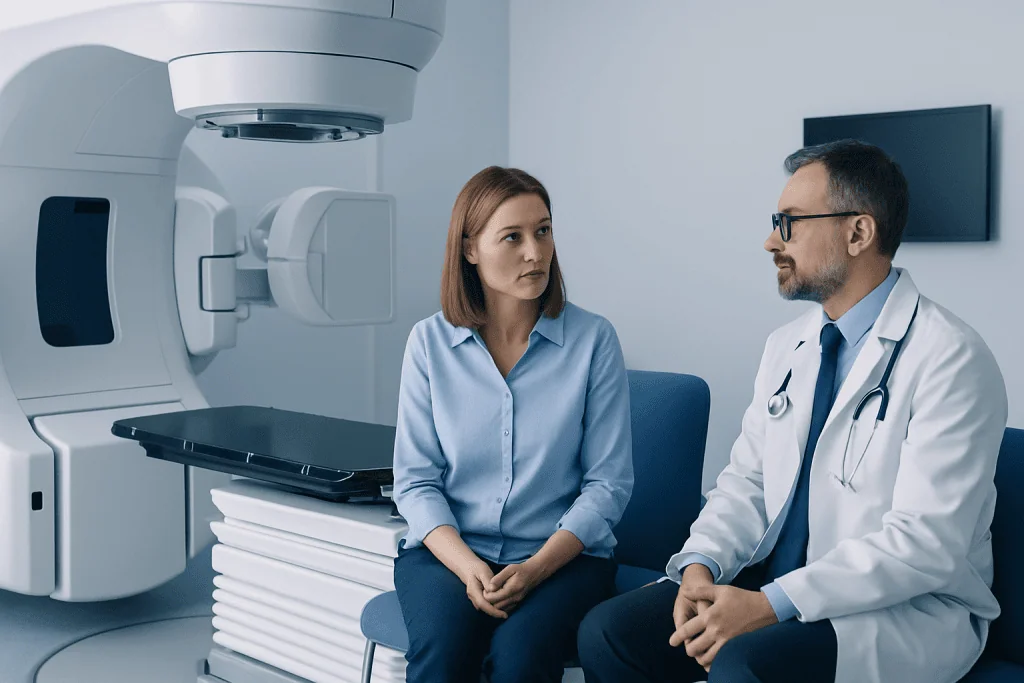
A first oncology appointment usually focuses on understanding the full picture of the patient’s condition. The oncologist may ask when symptoms started, how they have changed, what tests have already been done, and whether there is any personal or family history of cancer or other major illnesses. Current medications, allergies, and past surgeries are also important parts of the discussion.
The doctor often reviews pathology reports, blood tests, biopsy findings, and imaging studies such as CT, MRI, PET, or ultrasound scans. If a diagnosis has already been confirmed, the oncologist may explain the type of cancer, where it started, whether it has spread, and what this means for treatment planning. If the diagnosis is not yet fully clear, the visit may focus more on what additional tests are needed.
A physical examination may be performed depending on the symptoms and cancer type. The first visit often includes time for education, because many patients and families need clear explanations about unfamiliar medical terms and next steps. In some settings, patients may also meet members of a wider care team, such as an oncology nurse, surgeon, radiation oncologist, dietitian, or counselor.
The first consultation can feel emotionally heavy, so it can help to bring a family member or friend for support. Taking notes or asking for written instructions may make it easier to remember key details after the appointment.
Why Some Oncology Appointments Take Longer
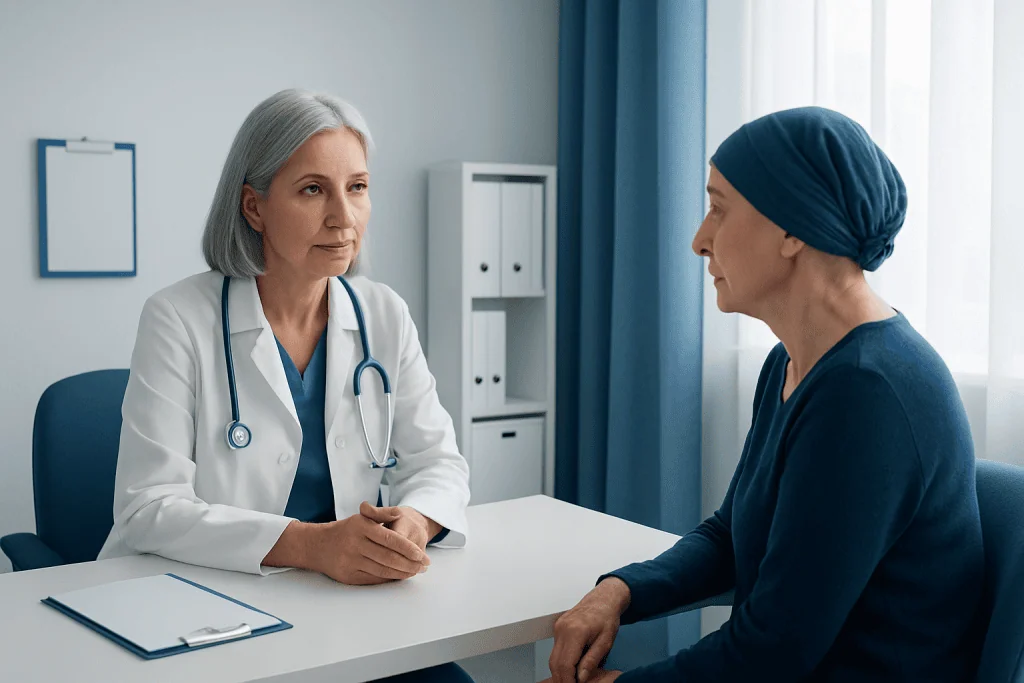
There is no single standard for oncology appointment length because cancer care is highly individualized. Some visits are straightforward, while others involve complex decisions that require careful explanation. A person with a new diagnosis, multiple health conditions, or unclear test results may need a longer appointment than someone attending a routine check after treatment.
Appointments can also be extended when new symptoms need urgent assessment. For example, pain, weight loss, fever, breathing changes, severe fatigue, or side effects from treatment may lead to a more detailed examination and more tests. In these situations, the care team may need additional time to decide whether treatment should continue as planned or be adjusted.
Another reason for longer visits is multidisciplinary care. Some patients need input from more than one specialist, such as medical oncology, surgery, radiology, pathology, or radiation oncology. Coordinated care can improve planning, but it may also mean more conversations, more paperwork, and more waiting between steps. Patients being evaluated for therapies such as chemotherapy or radiation oncology treatment may find that education about benefits, risks, and scheduling adds to the length of the visit.
Language interpretation, arranging second opinions, discussing fertility preservation, or reviewing clinical trial eligibility can also increase appointment time. Although longer visits can feel tiring, they often reflect careful, personalized care.
Common Tests and Discussions During the Visit
Many oncology appointments include more than conversation alone. Depending on the condition, patients may have blood tests, urine tests, imaging, or a physical examination on the same day. Sometimes the oncologist orders additional tests to confirm the stage of disease or to better understand how the tumor may respond to treatment.
Discussions often cover diagnosis, stage, prognosis in general terms, treatment goals, possible side effects, and the expected timing of care. The doctor may explain whether treatment is intended to cure the cancer, control it, shrink it, or relieve symptoms. If surgery is being considered, the patient may be referred for surgical oncology care or other specialist assessment.
For some patients, the visit includes conversation about targeted therapy, immunotherapy, hormone treatment, or supportive care. If the diagnosis relates to a blood cancer such as leukemia, the appointment may include discussion of bone marrow tests, repeated blood monitoring, or admission planning. If a solid tumor is suspected, pathology and imaging often guide the next steps.
Patients should not hesitate to ask for plain-language explanations. It is reasonable to ask what the test results show, what remains uncertain, what happens next, and when decisions need to be made.
How to Prepare for an Oncology Appointment
Good preparation can make an oncology appointment more efficient and less stressful. Patients may find it helpful to collect previous medical records, biopsy or pathology reports, scan reports, laboratory results, referral letters, and a complete medication list. If scans were done at another center, the clinic may need both the report and the image files.
Writing down questions in advance is often useful, especially because a cancer-related appointment can feel overwhelming. Questions might include:
- What is the diagnosis, and how certain is it?
- Are more tests needed?
- What treatment options are available?
- What are the possible benefits and side effects?
- How often will appointments be needed?
- Who should be contacted if symptoms worsen at home?
Patients are also encouraged to bring identification, insurance or payment documents if needed, and contact information for other doctors involved in their care. Wearing comfortable clothing can help if an examination or blood test is likely. Bringing a notebook, using a phone for notes if allowed, or asking a trusted companion to listen can make the information easier to manage.
It may also help to arrive early. Cancer centers can be busy, and there may be forms to complete before seeing the doctor. Allowing extra time can reduce pressure and make the overall experience calmer.
What Happens After the Appointment
After an oncology appointment, the next steps depend on what was discussed. Some patients leave with a clear treatment plan and future appointment dates, while others are scheduled for more tests before a final decision is made. The care team may arrange blood work, imaging, biopsy review, or meetings with other specialists.
Patients may also receive instructions about symptom monitoring, diet, activity, or medicines for supportive care. If treatment is starting soon, the clinic may provide teaching about side effects, infection precautions, hydration, and when to seek urgent help. In some cases, a nurse navigator or coordinator helps organize appointments and answer practical questions.
It is normal to think of new questions after going home. Patients can ask whether there is a phone line, patient portal, or clinic contact for follow-up concerns. Keeping a folder with reports, appointment summaries, and test dates can make future visits easier.
Near the end of the process, some patients may wish to seek care in a comprehensive cancer center. Acibadem International’s multidisciplinary specialists and JCI-accredited hospitals diagnose and treat cancer for international patients, including evaluation for therapies such as bone marrow transplant when appropriate.
When to Contact the Oncology Team Sooner
Not every concern needs to wait until the next scheduled oncology appointment. Patients should contact their oncology team sooner if they develop significant new symptoms, worsening pain, trouble breathing, persistent fever, dehydration, confusion, uncontrolled vomiting, bleeding, or symptoms that feel rapidly different from usual. These problems may need prompt medical attention.
People receiving active cancer treatment should also ask in advance which side effects require urgent reporting. The answer can vary depending on the treatment type, cancer type, and the person’s general health. Clear instructions help patients know when a symptom can be watched at home and when it needs same-day care.
Emotional distress matters too. Anxiety, sadness, sleep problems, or difficulty coping are common during cancer care and deserve attention. Oncology teams can often suggest support services, counseling, or practical resources for patients and families.
Overall, oncology appointment length is best viewed as part of personalized care. Whether the visit is brief or long, the goal is to understand the condition clearly, answer questions, and create the safest and most suitable plan for the patient.
Frequently asked questions
How long does a first oncology appointment usually take?
A first oncology appointment is often longer than later visits because the doctor needs time to review records, ask detailed questions, and discuss possible next steps. The total time at the clinic may be longer still if blood tests, imaging, or paperwork are needed on the same day.
Are follow-up oncology appointments shorter?
Yes, many follow-up visits are shorter, especially when they focus on treatment response, routine blood results, or side effect checks. However, they can still take longer if new symptoms appear or treatment plans need to change.
What should a patient bring to an oncology appointment?
It is helpful to bring identification, a list of current medicines, allergies, previous test results, scan and pathology reports, and contact details for other doctors involved in care. Many people also bring a written list of questions and a family member or friend for support.
Why is there often waiting time during an oncology visit?
Oncology care often involves several steps, such as check-in, nursing assessment, blood work, imaging, and reviewing results before the doctor visit. Delays can happen because treatment decisions may depend on same-day findings or coordination with other specialists.
Will treatment start at the first oncology appointment?
Sometimes treatment planning begins at the first visit, but treatment does not always start that day. Additional tests may be needed first to confirm the diagnosis, stage the cancer, or decide which therapy is most appropriate.
Can a patient ask for more explanation if the information is confusing?
Yes. Patients are encouraged to ask the oncologist to explain results, treatments, and medical terms in simpler language. It is also reasonable to ask for written instructions or a summary of the next steps.
References
- World Health Organization
- National Cancer Institute
- American Cancer Society
- European Society for Medical Oncology
- National Comprehensive Cancer Network
This article is for general information only and is not a substitute for professional medical advice. Please consult a qualified doctor about your individual situation.
Explore treatments in Turkey — costs, top hospitals & a free quote
JCI-accredited · board-certified surgeons · reply within 24h
Add us as a Preferred Source to see more of our trusted health content across Google Search, AI Overviews and Discover.

Medical Oncology Department
Medical treatment of cancer with chemotherapy, immunotherapy and targeted therapies under a multidisciplinary tumor board.
60 specialists in this unit