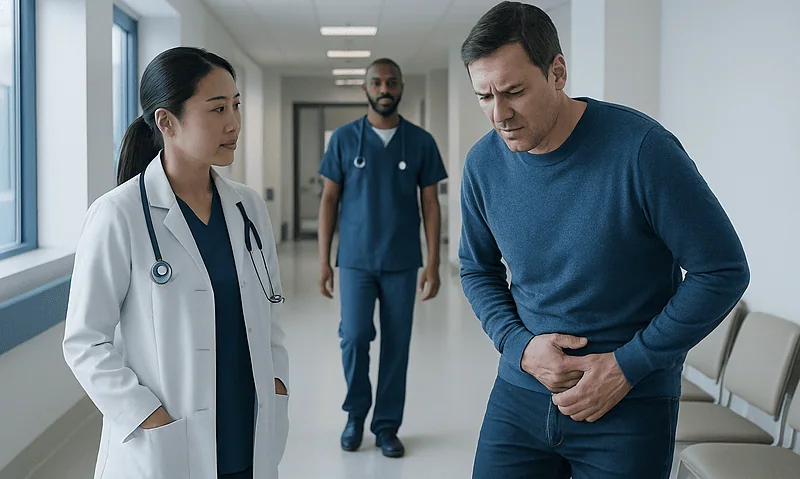
Cancer Treatment Side Effects: What to Expect and How They Are Managed
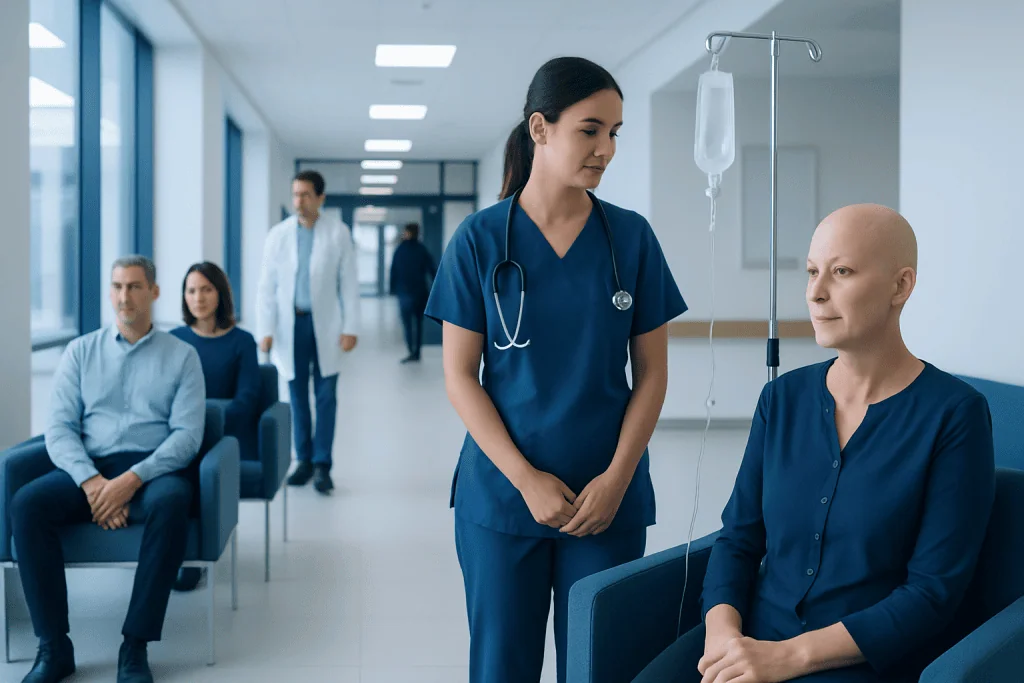
Side effects depend on the type of cancer treatment, the treatment dose, the area treated, and the person's overall health. Common side effects include fatigue, nausea, appetite changes, hair loss, skin reactions, pain, and increased infection risk.
Key Takeaways
- Side effects depend on the type of cancer treatment, the treatment dose, the area treated, and the person's overall health.
- Common side effects include fatigue, nausea, appetite changes, hair loss, skin reactions, pain, and increased infection risk.
- Many symptoms can be reduced with medicines, nutrition support, hydration, rest, and careful symptom tracking.
- Some side effects need prompt medical attention, especially fever, breathing problems, severe vomiting, dehydration, or unusual bleeding.
- Open communication with the oncology team helps manage symptoms early and safely.
Cancer treatment side effects are common, but they do not affect every person in the same way. Many side effects can be anticipated, monitored closely, and managed with supportive care, lifestyle adjustments, and treatment changes when needed.
Overview
Cancer treatment side effects are unwanted physical or emotional changes that happen during or after cancer care. They can occur with chemotherapy, radiation therapy, surgery, targeted therapy, hormone therapy, immunotherapy, or a combination of treatments. Some side effects are short term and improve soon after treatment ends, while others may last longer or appear later.
Not everyone has the same experience. Two people receiving similar treatment may have very different symptoms. This is because side effects are influenced by the treatment type, dose, schedule, the part of the body being treated, age, nutrition, other health conditions, and individual response.
Most side effects happen because cancer treatments affect healthy cells as well as cancer cells. For example, some treatments can affect the digestive tract, bone marrow, skin, nerves, or hormone balance. Modern oncology care places strong emphasis on supportive care, which means preventing, reducing, and treating side effects so the person can stay as comfortable and active as possible.
Patients are often reassured to learn that side effect management is a routine part of cancer care. The oncology team usually monitors symptoms closely, recommends practical coping strategies, and adjusts treatment if needed to protect safety and quality of life.
Common Symptoms and Side Effects
The most common cancer treatment side effects include fatigue, nausea, vomiting, appetite loss, taste changes, mouth sores, diarrhea, constipation, and hair loss. Some people also develop skin dryness, redness, itching, numbness or tingling in the hands and feet, sleep problems, mood changes, and difficulty concentrating. Pain may come from the cancer itself, a procedure, or the treatment.
Blood-related side effects are also common, especially with treatments that affect the bone marrow. A low white blood cell count can raise the risk of infection. Low red blood cells may cause tiredness, weakness, or shortness of breath. Low platelets can increase bruising or bleeding. Regular blood tests help detect these problems early.
Different treatments can lead to different patterns of side effects. Radiation therapy often affects the area being treated, such as skin irritation or swallowing discomfort if the neck or chest is involved. Immunotherapy may trigger inflammation in organs because it stimulates the immune system. Targeted therapies can cause skin, blood pressure, liver, or digestive changes depending on the drug used.
- Fatigue that does not improve fully with rest
- Nausea, vomiting, or reduced appetite
- Hair loss or thinning
- Mouth sores and swallowing discomfort
- Diarrhea or constipation
- Skin changes, rashes, or sensitivity
- Fever or signs of infection
- Numbness, tingling, or weakness
Why Side Effects Happen and Who May Be More at Risk
Side effects happen because cancer treatment is designed to destroy or control cancer cells, but some healthy tissues may also be affected. Cells that divide quickly, such as those in the hair follicles, digestive tract, bone marrow, and mouth, are especially sensitive to many anti-cancer treatments. This helps explain why hair loss, mouth sores, digestive upset, and blood count changes are so common.
The risk and severity of side effects often depend on the treatment plan. Combination therapy may cause more symptoms than a single treatment. Higher doses, longer courses, or treatment to larger body areas can also increase the chance of side effects. For instance, chemotherapy often affects the whole body, while radiation therapy usually causes symptoms in the area being treated.
Personal factors matter as well. Older age, poor nutrition, dehydration, reduced kidney or liver function, and certain long-term medical conditions may affect how the body processes treatment. Previous cancer therapies can also influence future tolerance. People who already have nerve problems, skin disorders, bowel conditions, or weakened immunity may notice more pronounced symptoms.
Emotional stress, anxiety, and poor sleep can make physical side effects feel harder to manage. This does not mean symptoms are “just stress.” Rather, cancer care works best when it addresses the whole person, including physical comfort, mental health, rest, hydration, and social support.
How Side Effects Are Diagnosed and Monitored
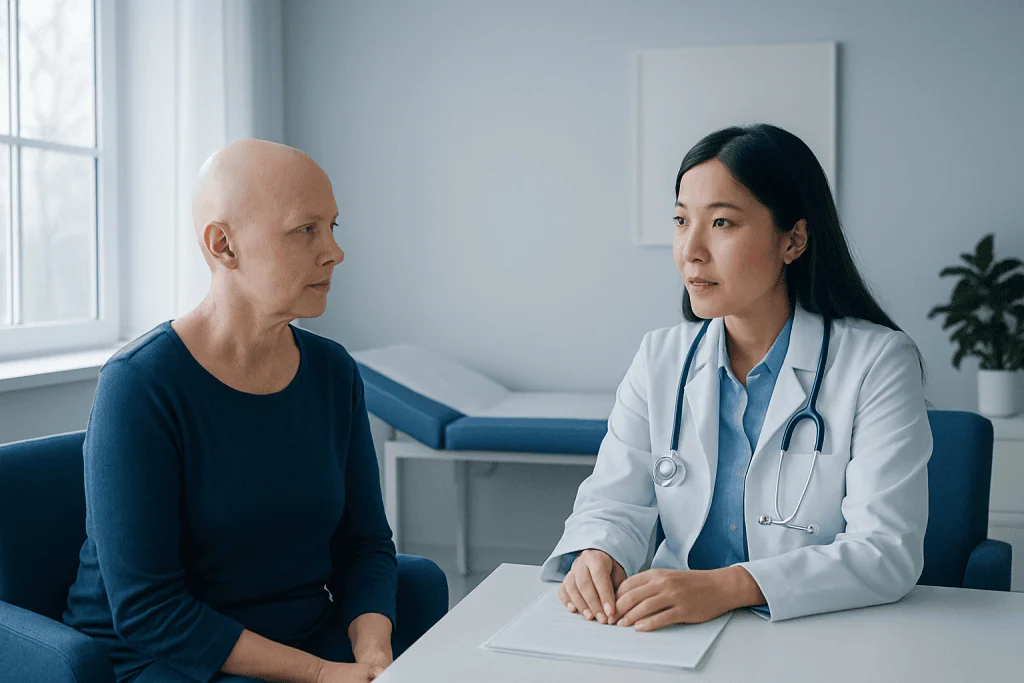
Diagnosing treatment side effects begins with listening carefully to the patient’s symptoms and noting when they started, how severe they are, and whether they are getting worse. Doctors and nurses often ask about fatigue, appetite, bowel habits, sleep, skin changes, pain, mood, and daily activities. Symptom diaries can be very useful between visits.
Monitoring usually includes physical examination and regular blood tests. These may check blood cell counts, kidney and liver function, electrolytes, and markers of inflammation. If a person develops a cough, shortness of breath, chest pain, severe diarrhea, confusion, or new pain, imaging or other tests may be needed to find out whether the cause is a treatment side effect, an infection, or the cancer itself.
It is important not to assume every symptom is a normal part of treatment. Some side effects need urgent assessment because they can become serious without quick care. Fever during cancer treatment, persistent vomiting, trouble breathing, sudden weakness, severe dehydration, and heavy bleeding should always be reported promptly.
Oncology teams often use structured grading systems to describe side effect severity. This helps them decide whether to continue treatment as planned, add supportive medicines, reduce the dose, delay treatment briefly, or refer the person to another specialist such as a dietitian, dermatologist, pain specialist, or rehabilitation expert.
Treatment and Management Options
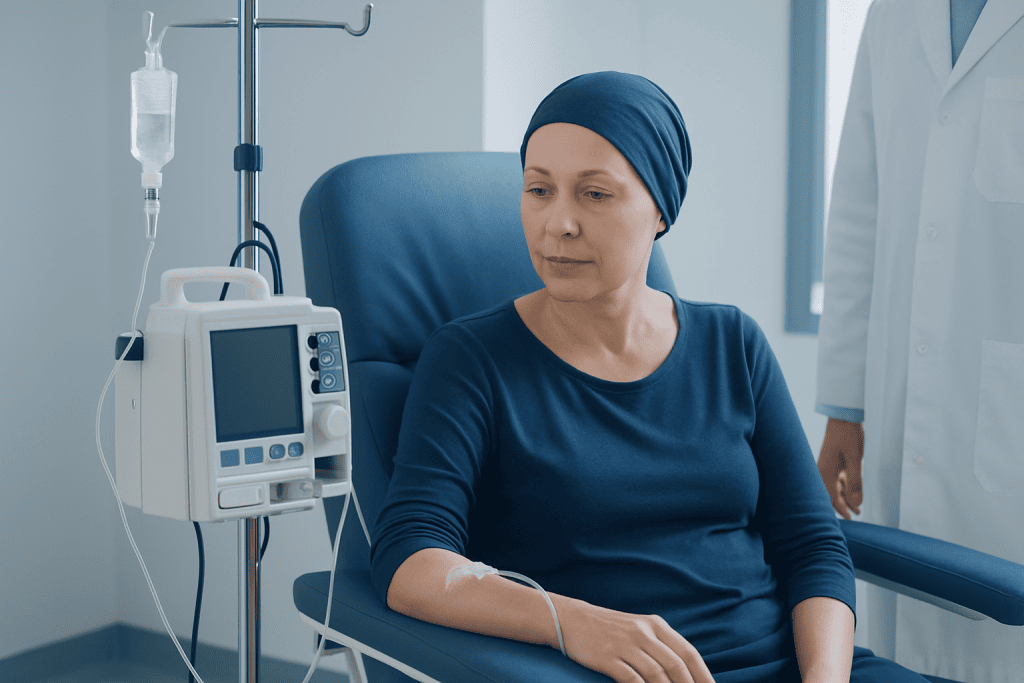
Managing cancer treatment side effects usually involves a combination of preventive steps, symptom-relief medicines, supportive therapies, and close follow-up. Anti-nausea medicines may be given before and after treatment. Pain relief, mouth care, skin creams, bowel medicines, hydration support, and nutritional guidance are also commonly used. Rest is important, but light activity can often help with energy, sleep, and mood.
If blood counts drop, the medical team may recommend infection precautions, treatment delays, blood transfusion support in selected cases, or medicines that stimulate blood cell production when appropriate. If side effects become more intense, the cancer treatment plan may be adjusted. This can include changing the dose, timing, or treatment type while still aiming to treat the cancer effectively.
Some side effects need specialist care. For example, surgery-related pain or healing issues may be addressed after surgical oncology procedures. Immune-related inflammation caused by immunotherapy may require temporary treatment interruption and medicines to calm the immune response. Neuropathy, swallowing problems, or severe fatigue may benefit from rehabilitation, speech therapy, or physical therapy.
Supportive care also includes emotional and practical support. Counseling, support groups, sleep strategies, and help with daily routines can improve overall well-being. Near the end of treatment planning or follow-up, some international patients may seek care at centers such as Acibadem International, where multidisciplinary specialists in JCI-accredited hospitals diagnose and treat cancer and its treatment-related side effects.
Prevention and Self-care During Cancer Treatment
Not all side effects can be prevented, but many can be reduced with early planning. Patients are often encouraged to eat small, balanced meals, stay hydrated, protect their skin from irritation and sun exposure, and maintain gentle physical activity when possible. Good mouth care may reduce soreness and infection risk, especially during chemotherapy or head and neck radiation.
Infection prevention is especially important when immunity is low. Frequent handwashing, safe food handling, avoiding close contact with people who are ill, and following the oncology team’s advice about crowds or travel can help. It is also wise to check before taking any vitamins, herbal products, or over-the-counter medicines, because some may interfere with cancer treatment.
Fatigue is one of the most common and frustrating symptoms. Pacing activities, accepting help, taking short rest breaks, and preserving energy for essential tasks can make daily life easier. Many people also find that regular sleep habits, short walks, and good nutrition improve stamina over time.
Keeping a record of symptoms can be one of the best self-care tools. Notes about fever, pain, bowel changes, appetite, weight, sleep, and mood can help the doctor identify patterns and act earlier. Self-care works best when it supports, rather than replaces, medical guidance.
When to See a Doctor
Patients should contact their oncology team whenever side effects interfere with eating, drinking, sleeping, walking, or taking medicines. Symptoms do not need to become severe before they are reported. Early communication often makes problems easier to treat and may prevent an emergency visit or hospital admission.
Urgent medical advice is especially important for fever, chills, shortness of breath, chest pain, confusion, fainting, uncontrolled pain, persistent vomiting, severe diarrhea, signs of dehydration, reduced urine output, heavy bleeding, or new swelling. These symptoms can point to infection, low blood counts, organ inflammation, or other serious complications.
Any sudden change after a recent cancer treatment session should be taken seriously. People receiving newer treatments, including targeted therapy or immunotherapy, should also report new rashes, yellowing of the skin or eyes, severe cough, hormone-related symptoms, or marked bowel changes because these may need prompt treatment adjustments.
Regular follow-up remains important even after treatment ends. Some effects improve quickly, while others may persist or appear later, including nerve symptoms, fertility concerns, heart effects, or bone health changes. Ongoing medical care helps monitor recovery and address longer-term needs safely and compassionately.
Frequently asked questions
Does everyone get side effects from cancer treatment?
No. Some people have only mild symptoms, while others have more noticeable side effects. The experience depends on the treatment type, dose, overall health, and how an individual body responds.
How long do cancer treatment side effects last?
Many side effects improve during breaks in treatment or within days to weeks after treatment ends. Some can last longer, and a few may appear months or years later. Follow-up care helps monitor both short-term and long-term effects.
What is the most common side effect of cancer treatment?
Fatigue is one of the most commonly reported side effects across many cancer treatments. Nausea, appetite changes, bowel changes, skin reactions, and low blood counts are also common, depending on the therapy used.
Can cancer treatment side effects be prevented?
Not all side effects can be prevented, but many can be reduced. Doctors often use preventive medicines, blood tests, hydration advice, nutrition support, and close symptom monitoring to lower risks and treat problems early.
When should a patient call the doctor during cancer treatment?
A doctor should be contacted promptly for fever, trouble breathing, severe vomiting, severe diarrhea, bleeding, confusion, dehydration, or pain that is not controlled. It is also important to call if symptoms are getting worse or making it hard to eat, drink, sleep, or function normally.
Do side effects mean the treatment is working?
Not necessarily. Some effective treatments cause noticeable side effects, while others do not. The presence or absence of side effects is not a reliable way to measure how well treatment is controlling the cancer.
References
- National Cancer Institute
- American Cancer Society
- World Health Organization
- European Society for Medical Oncology
- National Comprehensive Cancer Network
This article is for general information only and is not a substitute for professional medical advice. Please consult a qualified doctor about your individual situation.
Oncology care in Turkey — second opinion and treatment plan
JCI-accredited · board-certified surgeons · reply within 24h
Add us as a Preferred Source to see more of our trusted health content across Google Search, AI Overviews and Discover.
Check your numbers in seconds
BMI, calories, due date, blood pressure and 30+ more clinical calculators — free, instant, doctor-reviewed ranges.

Medical Oncology Department
Medical treatment of cancer with chemotherapy, immunotherapy and targeted therapies under a multidisciplinary tumor board.
60 specialists in this unit