Kidney Stones Treatment: How Doctors Remove or Pass Stones

Small kidney stones often pass on their own with fluids, pain relief, and time. Doctors choose treatment based on stone size, location, symptoms, and any blockage or infection.
Key Takeaways
- Small kidney stones often pass on their own with fluids, pain relief, and time.
- Doctors choose treatment based on stone size, location, symptoms, and any blockage or infection.
- Common procedures include shock wave lithotripsy, ureteroscopy, and percutaneous nephrolithotomy.
- Urgent care is needed for fever, severe pain, vomiting, or trouble passing urine.
- Preventing future stones usually involves hydration, dietary changes, and sometimes medicines.
Kidney stones treatment depends on the stone’s size, location, symptoms, and whether it is blocking urine or causing infection. Many small stones pass with fluids and pain control, while larger or more painful stones may need a procedure to break them up or remove them.
Overview of Kidney Stones Treatment
Kidney stones are hard mineral deposits that form in the kidneys and can move into the urinary tract. Treatment aims to relieve pain, help the stone pass safely, protect kidney function, and lower the chance of future stones. The right approach depends on how large the stone is, where it is located, what it is made of, and whether it is causing obstruction, infection, or repeated symptoms.
Many kidney stones, especially smaller ones, can pass naturally without surgery. In these cases, doctors often recommend drinking enough fluids, using pain-relieving medicines, and waiting while monitoring symptoms. Some people may also receive medicine to relax the ureter, the tube that carries urine from the kidney to the bladder, to make passage easier.
When a stone is too large to pass, causes ongoing pain, blocks urine flow, harms kidney function, or is linked to infection, a procedure may be needed. Common options include shock wave treatment to break the stone, ureteroscopy to remove or fragment it, and surgery for larger or more complex stones. A urologist helps decide which option is safest and most effective for each person.
Symptoms and When Treatment Is Needed
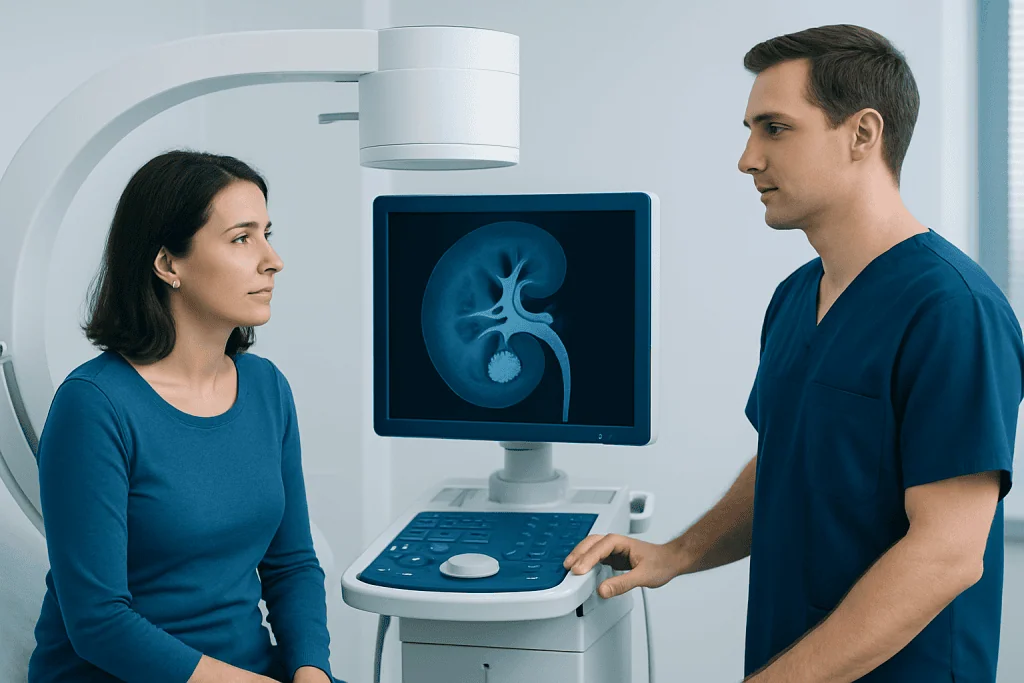
Kidney stones do not always cause symptoms right away. Problems often begin when a stone moves and irritates or blocks part of the urinary tract. Typical symptoms include sudden severe pain in the side, back, lower abdomen, or groin, along with nausea, vomiting, burning during urination, or blood in the urine.
Doctors may recommend active treatment if symptoms are severe or if the stone is unlikely to pass on its own. A stone may also need intervention if it causes repeated emergency visits, persistent bleeding, significant swelling of the kidney, or a drop in kidney function. Stones in a single functioning kidney usually need especially careful management.
Some warning signs suggest urgent medical attention is needed. These include fever, chills, severe pain that does not improve, inability to keep fluids down, very little urine, or complete difficulty passing urine. A kidney stone with infection can become serious quickly and should be treated without delay.
- Common symptoms: flank pain, blood in urine, nausea, vomiting
- Possible urinary symptoms: urgency, frequency, burning, cloudy urine
- Urgent signs: fever, chills, severe uncontrolled pain, reduced urine output
How Doctors Diagnose Kidney Stones
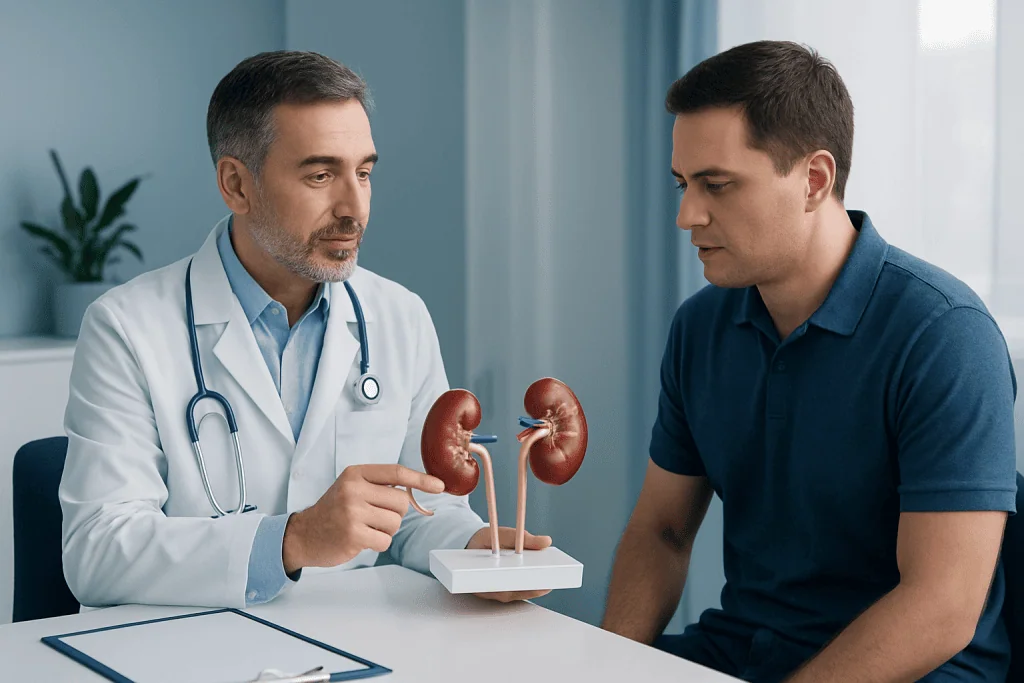
Diagnosis usually begins with a medical history, symptom review, physical examination, and urine and blood tests. Urine testing can show blood, crystals, or signs of infection. Blood tests may help assess kidney function and look for high levels of minerals or other factors that contribute to stone formation.
Imaging is often needed to confirm the diagnosis and guide treatment. A CT scan is commonly used because it can show the stone’s size and location clearly. In some cases, ultrasound or X-rays may be used, especially to reduce radiation exposure or to monitor known stones over time.
If a stone passes, doctors may ask the person to strain the urine and save the stone for analysis. Knowing the stone type can help with prevention. Common types include calcium stones, uric acid stones, struvite stones, and cystine stones. Evaluation may also include a metabolic workup in people who form stones repeatedly or at a young age.
Passing a Kidney Stone: Conservative Treatment
When a stone is small and there are no signs of infection or dangerous blockage, conservative treatment is often the first step. This usually includes drinking enough fluid, using prescribed pain relief, resting as needed, and following the doctor’s instructions about when to seek review. The goal is to allow the stone to move through the urinary tract as comfortably and safely as possible.
Some patients are given medicine that can help relax the ureter and improve the chance that a stone in the lower urinary tract will pass. This approach is sometimes called medical expulsive therapy. It is not suitable for everyone, and the decision depends on the stone’s size, location, and the person’s overall health.
During this period, follow-up is important. Doctors may repeat imaging or urine tests to make sure the stone is progressing and that kidney function remains safe. If pain continues, the stone does not move, or symptoms worsen, treatment may shift from observation to a procedure.
People with recurrent stones may also be evaluated for related conditions such as kidney stones risk factors or urinary problems that contribute to formation. This helps make treatment more complete and reduces the chance of another episode.
Procedures to Remove or Break Up Kidney Stones
If a stone is too large to pass or is causing complications, doctors may recommend a procedure. One common option is shock wave lithotripsy, also called extracorporeal shock wave lithotripsy. This treatment uses sound waves from outside the body to break the stone into smaller pieces so they can pass more easily. It can be helpful for selected stones based on their size, hardness, and location.
Another common treatment is ureteroscopy. During this procedure, a thin scope is passed through the urinary tract to find the stone. The doctor may remove it with a small basket or break it into pieces with a laser. Ureteroscopy is often used for stones in the ureter or kidney and usually does not require any skin incision. In some cases, a temporary stent is placed to help urine drain while the area heals. Patients exploring this approach may hear it described alongside ureteroscopy as a minimally invasive option.
For large, complex, or multiple kidney stones, percutaneous nephrolithotomy may be the best choice. In this procedure, the surgeon reaches the kidney through a small opening in the back to remove the stone directly. This is usually reserved for bigger stones or those not suitable for other treatments. It may be discussed with other stone-focused options such as kidney stone treatment plans tailored to stone size and anatomy.
Some patients need drainage before definitive stone treatment, especially if urine is blocked or there is infection. A stent or nephrostomy tube may be placed urgently to relieve pressure and allow treatment of infection first. Advanced imaging and specialized urology care help guide the safest next step.
Recovery, Risks, and What to Expect After Treatment
Recovery depends on the treatment used. After conservative management or shock wave lithotripsy, many people return to normal activities relatively quickly, though mild discomfort, blood in the urine, or passage of small stone fragments can occur for a short time. After ureteroscopy or percutaneous nephrolithotomy, recovery may take longer and can include temporary urinary symptoms, fatigue, or soreness.
Doctors usually recommend drinking fluids, taking prescribed medicines, and watching for signs of infection or obstruction after treatment. If a stent is placed, it may cause urgency, frequency, flank discomfort, or blood-tinged urine until it is removed. These symptoms are often temporary but should still be discussed if they are difficult to manage.
All procedures carry some risks, although serious complications are not common when care is individualized and monitored carefully. Possible risks include bleeding, infection, incomplete stone clearance, ureteral injury, or the need for another procedure. Follow-up appointments and imaging help confirm that the stone has cleared and that the urinary tract is healing well.
Prevention and Self-Care After a Kidney Stone
Prevention is a key part of kidney stones treatment because many people can develop stones again. The most widely recommended step is drinking enough fluid throughout the day to keep urine diluted. The exact amount varies from person to person, but the goal is generally to produce pale urine unless a doctor advises otherwise for another medical reason.
Dietary advice depends partly on stone type. For many people, doctors suggest limiting excess salt, avoiding dehydration, and reducing too much animal protein if intake is high. It is also important not to cut out calcium without medical guidance, because normal dietary calcium may actually help reduce some stones. People with uric acid stones may need additional steps to reduce urine acidity, while those with recurrent calcium stones may benefit from further metabolic evaluation.
Medicines are sometimes prescribed to lower the risk of new stones, especially in people with repeated episodes. These may be used to change urine chemistry or lower the amount of certain minerals in the urine. A doctor may recommend a 24-hour urine collection and blood tests to guide prevention more precisely.
Near the end of treatment planning, some patients may seek care in centers with multidisciplinary stone services. Acibadem International’s specialists in JCI-accredited hospitals diagnose and treat kidney stones for international patients, including evaluation, minimally invasive procedures, and follow-up prevention strategies.
When to See a Doctor
A doctor should assess any new severe flank or abdominal pain, especially if it comes in waves or is associated with blood in the urine. Medical review is also important if symptoms return after a known stone, because new stones or remaining fragments can cause similar problems.
Prompt care is especially important for fever, chills, persistent vomiting, weakness, or trouble passing urine. These symptoms can suggest infection or blockage, both of which may need urgent treatment. People with pregnancy, a single kidney, chronic kidney disease, or a history of frequent stones should seek guidance early.
Even after a stone passes, follow-up can be valuable. A urologist or kidney specialist may help confirm the stone type, identify why it formed, and create a practical plan to reduce recurrence. This often makes future episodes less likely and supports long-term kidney health.
Frequently asked questions
Can kidney stones pass without surgery?
Yes. Many small kidney stones pass on their own with fluids, pain control, and time. A doctor may also prescribe medicine to help the ureter relax and improve stone passage in selected cases.
How do doctors decide whether a kidney stone needs removal?
The decision depends on the stone’s size, location, severity of symptoms, and whether it is causing blockage, infection, or kidney problems. Stones that are large, very painful, unlikely to pass, or linked to fever often need a procedure.
What is the most common procedure for kidney stone removal?
Common procedures include shock wave lithotripsy and ureteroscopy. The best choice varies by stone size, location, and composition, as well as the patient’s anatomy and overall health.
Is kidney stone treatment painful?
Doctors aim to control pain at every stage of treatment. Some discomfort can happen during stone passage or recovery after a procedure, but medicines and supportive care usually help manage it well.
How long does it take to recover after kidney stone treatment?
Recovery time depends on the treatment used. People often recover faster after conservative treatment or shock wave therapy, while recovery after ureteroscopy or percutaneous procedures may take a bit longer.
Can kidney stones come back after treatment?
Yes, kidney stones can recur, especially if the underlying cause is not addressed. Drinking enough fluids, following dietary advice, and having stone analysis or metabolic testing can help reduce the risk.
References
- National Institute of Diabetes and Digestive and Kidney Diseases
- American Urological Association
- European Association of Urology
- National Kidney Foundation
- Mayo Clinic
This article is for general information only and is not a substitute for professional medical advice. Please consult a qualified doctor about your individual situation.
Explore treatments in Turkey — costs, top hospitals & a free quote
JCI-accredited · board-certified surgeons · reply within 24h
Add us as a Preferred Source to see more of our trusted health content across Google Search, AI Overviews and Discover.

More from the Health Library



Related Specialists

Prof. Dr. Emel Özcan
Physical Medicine & Rehabilitation
Dr. Umut Özbebit
Aesthetic Plastic & Reconstructive Surgery
Ody. Sevtap Kutlay
Audiology
Dyt. Pınar Koç
Nutrition & Diet