

At Acibadem, How to Prepare Your Questions Before You Speak With Our International Team

Prepare questions for Acibadem International Team with a simple checklist for treatment planning, travel, costs and support in Turkey.
Before you speak with Acibadem International, it helps to know what you want to ask and what documents to keep nearby. A clear question list can make your first conversation more useful, calmer, and easier to follow.
At a glance
- Best for: First-time international patients planning a call or message
- What to prepare: Medical records, medicines list, passport details and practical questions
- Main goal: Get clear answers on suitability, next steps, timing and logistics
- Helpful support: Interpreter, travel coordination and international patient services
- Keep in mind: Bring written notes so you do not forget key questions
Why preparing your questions matters
Your first conversation with an international patient team is often about two things at once: your medical needs and the practical details of coming to Turkey. If you prepare your questions in advance, you are more likely to leave the conversation with clear next steps instead of trying to remember everything later.
This is especially helpful if you are feeling anxious, comparing options, or speaking about a condition that has involved many appointments already. A written list helps you stay focused on what matters most to you, whether that is diagnosis review, treatment timing, travel planning, or recovery support.
At Acibadem International, the team may help coordinate records review, communication with relevant specialists, and practical arrangements for international patients. Preparing your questions does not need to be complicated; it simply helps the team understand your priorities and helps you understand what happens next.
What to have with you before the conversation
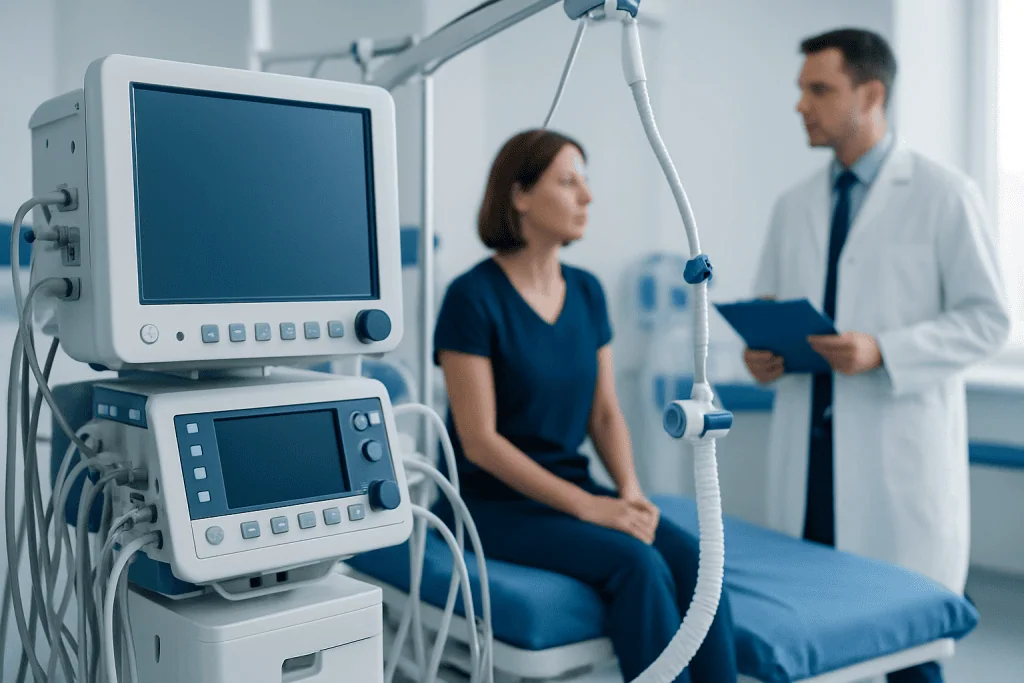
Try to gather your key information before you speak with the international team. You do not need every document ever created, but it helps to have the basics ready so your conversation is more productive. If you can, keep everything in one folder on your phone, computer, or in print.
Useful items often include your diagnosis or main symptoms, recent test results, scan reports, pathology reports if relevant, previous treatment summaries, allergy information, and a current medicines list. If another doctor has already recommended a treatment, keep that note nearby too, along with any questions you have about alternatives or timing.
It also helps to have practical information ready, such as where you are travelling from, whether you will come alone or with a companion, and the dates when you could realistically travel. If a family member may join the call, decide in advance who will take notes and who will ask which questions.
- Your passport name and country of residence
- Recent reports and imaging summaries
- Current medications, doses and allergies
- Previous operations or major treatments
- Your available travel window
- Companion or caregiver plans
The most useful question topics to cover

A good question list usually includes both medical and non-medical topics. Start with the reason you are reaching out: you may want to ask whether your records are enough for an initial review, which department is most suitable, or whether you may need extra tests after arrival. Keeping your questions grouped by topic makes the discussion easier to follow.
Then cover logistics. Ask about the likely sequence of appointments, how many days you may need in Istanbul or elsewhere in Turkey, whether a companion can stay with you, and what kind of interpretation or coordination support is available. International care works best when you understand not only the treatment plan but also how the visit fits into your real life.
If you are concerned about costs, ask how quotations are prepared, what information is needed to give an estimate, and which parts of care may depend on in-person assessment. This gives you a more realistic planning picture without expecting exact numbers too early.
- Are my current records enough for an initial review?
- Which specialist or department should assess my case?
- Would I likely need additional tests after arrival?
- How long should I plan to stay?
- What support is available for interpreters, transport or accommodation guidance?
- How are estimates and payment steps explained for international patients?
How to ask medical questions clearly
You do not need medical vocabulary to ask strong questions. In fact, short, plain questions are often the best ones. Focus on your main concern, what has already happened, and what you want help understanding next.
For example, instead of asking a very broad question like “What should I do?”, try something more specific: “Based on the reports I have, what type of specialist should review my case first?” or “Would you expect any repeat imaging when I arrive?” Specific questions are easier for the team to answer accurately and efficiently.
If you have several concerns, rank them. Put your top three first so they are definitely covered if time is limited. You can also ask the team to repeat or summarise the answer in simpler language if anything is unclear; international patient services at Acibadem are used to helping people navigate unfamiliar medical systems and terminology.
Questions about travel, timing and daily logistics
Many patients focus only on the clinical side and then realise later that the practical details matter just as much. You may want to ask how quickly an initial review can be organised once documents are shared, what the usual communication process looks like, and what kind of timeline to expect between first contact and confirmed appointments.
Travel questions can also include airport arrival planning, local transport, whether you will need help moving between the hospital and hotel, and whether a family member can stay nearby. If you have mobility needs, dietary concerns, or a special requirement for your room or travel plan, mention this early rather than waiting until the last minute.
Acibadem International can be a useful point of contact for these practical details because the international team understands that medical travel involves more than appointments alone. It is reasonable to ask what support is available directly and what parts you should arrange yourself.
Questions about follow-up, records and returning home
Even before you travel, it is smart to ask what happens after treatment or assessment. Many patients feel reassured once they understand how discharge papers, reports, imaging copies, prescriptions and follow-up recommendations will be handled. This is especially important if your local doctor at home will continue some part of your care.
You can ask whether you are likely to receive documents in English, how records are usually shared, and what kind of follow-up communication may be possible after you return home. If your treatment could affect flying, work, or daily activities, include those questions too so you can plan your return more safely.
When you know the follow-up pathway early, it is easier to arrange leave from work, support from family, and post-travel appointments at home. A well-prepared first conversation should help you understand not only how to come to the hospital, but also how to leave with a practical plan.
Step by step
- Write down your main goal. Start with one sentence that explains why you are contacting the international team. This could be to seek an expert opinion, explore treatment in Turkey, understand timing, or ask what records are needed first.
- Gather your medical documents. Keep your latest reports, scan summaries, pathology results if relevant, and medicines list together. Having them ready helps the team understand your case faster and lets you ask more precise questions.
- Group your questions by topic. Create simple sections such as medical review, tests, travel, costs, stay length, companion support and follow-up. This keeps the conversation organised and reduces the chance of forgetting something important.
- Highlight your top three questions. If you feel overwhelmed, choose the three questions you most need answered first. These should usually cover suitability, likely next steps and the practical timeline.
- Keep a notebook during the call or chat. Write down names of departments, requested documents, and any timing mentioned. Ask for clarification if a term is unfamiliar, and repeat back key points to make sure you understood correctly.
- Confirm what happens next. Before ending the conversation, check who will contact you, what documents you still need to send, and when you can expect an update. Clear next steps make the whole process feel more manageable.
Your checklist
- My diagnosis, symptoms or reason for contacting the team
- Recent medical reports and imaging summaries
- Pathology report if relevant to my condition
- Current medication list, doses and allergies
- Passport details and country of residence
- Preferred travel dates and whether a companion will join me
- A written list of my top medical and practical questions
- A notebook or phone note for answers and next steps
Key takeaways
- Prepare both medical and practical questions before you contact the international team.
- Keep your recent records, medicines list and travel details ready in one place.
- Prioritise your top three questions so the most important points are covered first.
- Ask about timing, stay length, companion support and follow-up, not only treatment itself.
- Use the conversation to confirm clear next steps and who will contact you next.
Frequently asked questions
What are the most important questions to ask first?
Start with questions about whether your records are enough for an initial review, which specialist should assess your case, and what the likely next steps are. After that, ask about timing, expected stay length, and any practical arrangements you may need for travel to Turkey.
Do I need to have all of my medical records before I contact Acibadem International?
No, but having your most recent and most relevant records is very helpful. If something is missing, the international team can usually tell you what would be most useful to send next.
Should I ask about costs during the first conversation?
Yes, it is reasonable to ask how estimates are prepared and what information is needed to provide one. Keep in mind that some parts of care may only be confirmed after a specialist review or in-person assessment.
Can I ask about travel and accommodation support as well as treatment?
Yes, and you should. International patient services often help patients understand practical matters such as interpreters, local coordination, transport guidance and accommodation-related planning, so these questions are appropriate and useful.
What if I do not speak English or Turkish confidently?
Tell the team your preferred language as early as possible. Acibadem International supports many international patients and can help coordinate communication and interpretation where available.
How can I make sure I do not forget anything during the call?
Prepare a written list in advance and keep it in front of you during the conversation. It also helps to have a family member with you, or to take notes and summarise the answers back to the coordinator before the call ends.
Should I ask about follow-up before I decide to travel?
Yes, because follow-up planning affects your return home, work arrangements and local care. Ask how reports are shared, whether documents are provided in English, and what kind of post-visit communication may be possible.
Add us as a Preferred Source to see more of our trusted health content across Google Search, AI Overviews and Discover.
More Patient Guides

Interpreter Support in Turkish Hospitals: When to Request Help
Interpreter support in Turkish hospitals helps you understand appointments, consent and discharge clearly in Turkey or Istanbul.
9 min read
Medical Interpreter at the Hospital: When to Request One and How It Helps
Medical interpreter at the hospital helps you understand care, consent and next steps clearly in Turkey or Istanbul. Request one before key…
8 min read
Acibadem Hospital Safety: How We Protect International Patients
Acibadem hospital safety means coordinated, JCI-aligned care, interpreters, infection control, and clear support for international patients in Turkey.
9 min read