

At Acibadem, How to Start Your Care Plan from Abroad with the Right Documents

Start your care plan from abroad by preparing the right medical and travel documents for review before coming to Turkey or Istanbul.
If you are arranging treatment from another country, having the right documents ready can make your care plan safer, faster, and less stressful. This guide helps you understand what to prepare, what to translate, and how Acibadem International can coordinate your review before you travel.
At a glance
- Best time to start: As early as possible, ideally before booking travel
- Most important items: Diagnosis records, test results, medications, ID and passport details
- Translations: Helpful when records are not in English or Turkish
- Who can help: International patient coordinators and interpreters
- Main benefit: Quicker medical review and safer treatment planning
Why documents matter before you travel
When you start your care plan from abroad, your documents are the foundation of everything that follows. They help the medical team understand your diagnosis, previous treatments, current symptoms, and any safety considerations before you arrive. That means fewer surprises, clearer next steps, and a more realistic plan for your time in Turkey.
Good documentation is especially important if you have already had tests, surgery, imaging, biopsies, or ongoing treatment in your home country. Sharing these records early can sometimes prevent unnecessary repetition and helps specialists review your case in context. It also supports smoother coordination if several departments may need to be involved.
At Acibadem International, international patient services can help organize this process so you know what to send and in what format. Because Acibadem hospitals are JCI-accredited and used to working with overseas patients, the review process is designed to be structured, practical, and safety-focused rather than rushed.
What documents you should prepare first

Start with the essentials: your passport details, a short summary of your health concern, and any recent medical reports related to the condition you want assessed. If you have a confirmed diagnosis, include the report that states it. If you do not yet have a diagnosis, include the tests, scans, and specialist notes that explain what has been investigated so far.
It helps to gather your records into clear groups by date and type. Recent materials are usually the most useful, but older records can also matter if they explain how your condition developed or what treatment you have already received. If you are unsure whether something is relevant, send it anyway and let the coordinator advise you.
- Passport copy or passport details page
- Referral letter or specialist consultation notes, if available
- Laboratory results
- Imaging reports and, where possible, image files on CD, USB, or secure digital link
- Pathology or biopsy reports
- Operation notes or discharge summaries from previous hospital stays
- Current medication list, including doses
- Allergy information and chronic condition history
How to organize records for a faster medical review

The easier your records are to read, the easier it is for the team to assess your case. Try to send complete documents rather than cropped photos of a single page. PDFs are often the simplest format for reports, while original image files are usually more useful than screenshots for radiology review.
Create a folder with simple file names such as “MRI_March_2026,” “BloodTests_April_2026,” or “BiopsyReport_January_2026.” If you have many items, add a one-page summary with your age, main symptoms, diagnosis if known, major past treatments, current medicines, and your questions. This gives the reviewing team a quick overview before they read the full records.
If your case is urgent, say so clearly and include the reason, such as severe pain, rapidly changing symptoms, or a recommendation from your local doctor not to delay care. Clear organization does not replace clinical triage, but it can reduce back-and-forth and help the right specialist team review your information sooner.
Do you need translations or certified copies?
If your records are already in English, they are often suitable for an initial international review. If they are in another language, translation may be needed so the specialist team can assess them accurately. In many situations, you do not need to translate every old document at first; recent key reports are usually the best place to start.
Ask whether a simple medical translation is enough for review or whether certified translation is needed for any administrative step. This can vary depending on the document and your treatment journey. For example, a coordinator may first request translated summaries and then advise if additional certified copies are required later.
Acibadem International can guide you on which records are most important to translate first, which helps you avoid unnecessary cost and delay. If an interpreter will be part of your hospital journey, that support is separate from document translation, so it is still wise to make your records readable in advance whenever possible.
Important safety information to include
When planning care from abroad, safety details are just as important as diagnosis records. Always include your current medication list, known allergies, implanted devices, chronic diseases, and any previous reactions to anesthesia, contrast dye, or medicines. If you are pregnant or there is any chance you may be pregnant, this should be stated clearly.
If you have heart disease, diabetes, kidney disease, a bleeding disorder, an autoimmune condition, or a history of infections, mention this even if it seems unrelated. These details may affect imaging choices, medication planning, timing, or whether another specialist needs to review your case before a procedure is considered.
You should also share practical medical information such as mobility limitations, oxygen use, dialysis, recent hospital admission, or a need for ongoing wound care. Multidisciplinary specialist teams at Acibadem International can plan more safely when they understand both your diagnosis and your day-to-day health needs before you travel.
What happens after you send your documents
Once your records are submitted, an international patient coordinator usually helps route them to the relevant specialty or specialties. Depending on your case, the team may ask for more recent tests, clearer image files, a pathology review, or additional details about your symptoms and timeline. This is normal and does not necessarily mean there is a problem; it often means the doctors are trying to plan carefully.
After review, you may receive guidance on the likely next step, such as consultation, further testing, second opinion, treatment planning, or scheduling. In some cases, the doctors may advise repeating a test in Turkey because timing, imaging quality, or technical compatibility matters. If that happens, ask what is essential before travel and what can safely wait until arrival.
At Acibadem International, patient coordinators can also assist with practical matters linked to your care plan, including appointment scheduling, interpreter arrangements, and general travel or accommodation support. This can be particularly helpful if your treatment path involves multiple departments or if you are traveling with a companion.
Common mistakes to avoid when arranging care from overseas
A common mistake is sending only a brief message such as “I need treatment” without any supporting records. Another is sending incomplete or poor-quality images that cannot be read properly. If the medical team has to keep requesting basics, planning may take longer than necessary.
It is also easy to forget the practical side of medical readiness. Patients sometimes focus on scans and reports but leave out medications, allergies, previous surgeries, or active infections. These omissions can affect whether a proposed plan is appropriate, especially if surgery, anesthesia, imaging contrast, or multiple specialists may be involved.
Finally, avoid booking non-refundable travel too early. It is safer to wait until the review is sufficiently advanced and you understand what type of visit is being planned, how long you may need to stay, and whether any pre-arrival preparation is required. A little patience at this stage often saves stress later.
Step by step
- Collect your core medical records. Start with the documents most directly related to your current condition, especially recent reports, scan results, pathology findings, and discharge summaries. Add your medication list, allergies, and a short symptom timeline so the reviewing team has a complete picture.
- Prepare clear digital files. Scan or export documents as readable PDFs and avoid blurry phone photos if possible. Label each file by test type and date so nothing gets lost or confused during review.
- Translate key records if needed. If your records are not in English or Turkish, begin with the newest and most important reports. Ask first whether standard translation is enough for review or whether certified translation will be needed later.
- Share your safety information upfront. Include chronic illnesses, previous surgeries, implant details, allergies, and any reaction to anesthesia or contrast agents. Mention pregnancy, dialysis, mobility needs, or recent hospitalizations early so planning is safer.
- Send everything through the international patient channel. Use the contact route provided for international patients so your information reaches the right coordinator. This helps connect your records to the appropriate specialty team and keeps communication in one place.
- Respond quickly to follow-up questions. You may be asked for missing pages, original scan files, or updated test results. Quick replies help the team move from document review to a clearer care plan without avoidable delay.
- Confirm the next step before booking travel. Before you finalize flights or accommodation, check whether your first visit is for consultation, testing, treatment, or a second opinion. That makes your travel timeline more realistic and reduces the chance of changing plans after arrival.
Your checklist
- Passport copy or identification details ready
- Recent medical reports gathered in one folder
- Imaging reports plus original image files if available
- Pathology, biopsy, or surgery records included when relevant
- Current medication list with doses prepared
- Allergies and chronic conditions clearly listed
- Key records translated into English or Turkish if needed
- Short symptom and treatment timeline written
- Questions for the medical team noted in advance
Key takeaways
- Starting your care plan from abroad is easier when your records are complete, recent, and clearly organized.
- The most useful documents usually include diagnosis notes, imaging, pathology, medication lists, and allergy information.
- Translations may be needed if records are not in English or Turkish, but you can often begin with the most important recent reports.
- Safety details such as chronic illnesses, previous reactions, implants, and pregnancy status should always be shared early.
- Acibadem International can help coordinate document review, specialist routing, interpreters, and practical planning for overseas patients.
Frequently asked questions
Which documents are most important to send first?
Begin with the records most relevant to your current health issue: specialist notes, recent test results, imaging reports, pathology or biopsy reports, and any previous treatment summaries. Also include your medication list, allergy information, and a short explanation of your symptoms and timeline.
Do I need to translate all of my medical records before contacting Acibadem?
Not always. For an initial review, the newest and most important records are usually the priority, especially if they explain the diagnosis, recent investigations, or treatment history. If your documents are not in English or Turkish, ask which items should be translated first.
Can I start planning treatment before I book my trip to Turkey?
Yes, and that is usually the safer approach. Sending your documents first allows the medical team to review your case, request anything missing, and clarify the likely next step before you commit to travel dates.
What if I only have photos of my reports on my phone?
You can start with what you have, but clear, complete copies are much better than partial or blurry images. If possible, ask your doctor or hospital in your home country for PDF copies and original radiology files to support a more accurate review.
Will my previous tests always be accepted, or might they be repeated in Istanbul?
Some previous tests may be sufficient, while others may need to be repeated depending on how recent they are, the image quality, the technical method used, or the clinical question being answered. If repeat testing is recommended, ask whether it is required before treatment planning or can be done after arrival.
How does Acibadem International help international patients during this process?
Acibadem International helps coordinate communication between you and the relevant hospital teams, including collecting records, arranging medical review, and organizing practical support. Depending on your needs, this can include appointment coordination, interpreter assistance, and guidance around travel and accommodation logistics.
Should I include unrelated health conditions in my documents?
Yes, especially if they affect anesthesia, medications, healing, imaging contrast, or overall treatment safety. Conditions such as diabetes, heart disease, kidney problems, bleeding disorders, or active infections can influence how your care plan is structured.
Add us as a Preferred Source to see more of our trusted health content across Google Search, AI Overviews and Discover.
More Patient Guides
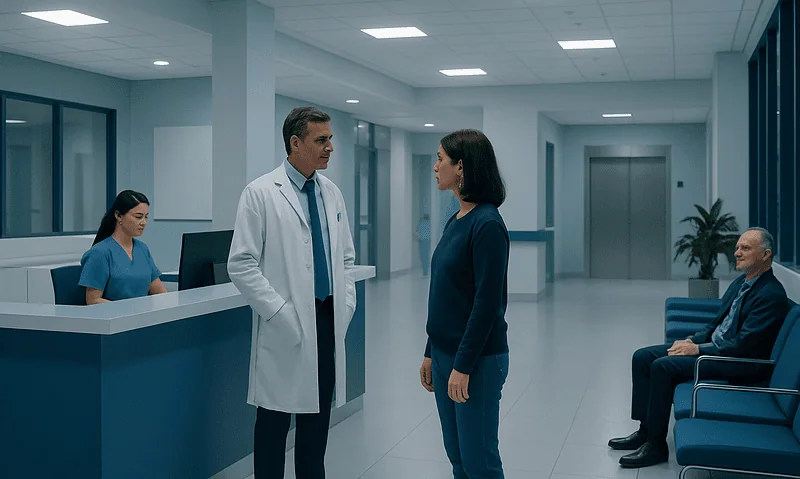
After-Hours Medical Help in Turkey: What International Patients Should Do
After-hours medical help in Turkey starts with urgent triage, emergency services, and your hospital’s international team in Istanbul or beyond.
9 min read
When to Delay Travel for Treatment in Turkey: Warning Signs to Discuss First
Delay travel for treatment in Turkey if you have fever, chest pain, breathing trouble, new infection, or unstable symptoms—speak to your doctor…
9 min read
How to Recognize Official Hospital Messages and Avoid Medical Travel Scams in Turkey
Official hospital messages in Turkey come from verified channels, clear hospital domains, and documented coordinators—not pressure, personal accounts, or urgent payment demands.
8 min read