Bleeding Disorder Symptoms: When Nosebleeds, Heavy Periods, or Easy Bruising Need Attention

Frequent nosebleeds, heavy periods, easy bruising, and prolonged bleeding can be signs of a bleeding disorder. Bleeding disorders may be inherited or acquired and can involve platelets, clotting factors, blood vessels, or certain medications.
Key Takeaways
- Frequent nosebleeds, heavy periods, easy bruising, and prolonged bleeding can be signs of a bleeding disorder.
- Bleeding disorders may be inherited or acquired and can involve platelets, clotting factors, blood vessels, or certain medications.
- Diagnosis often includes a medical history, family history, physical exam, and blood tests.
- Treatment depends on the cause and may include medicines, hormone-based therapies, iron treatment, or management before procedures.
- Urgent medical care is needed for severe bleeding, head injury with bleeding symptoms, or signs of significant blood loss.
Bleeding disorder symptoms can include frequent nosebleeds, heavy menstrual bleeding, easy bruising, or bleeding that lasts longer than expected. While many causes are treatable, ongoing or unusual bleeding should be assessed by a doctor to find the reason and guide care.
Overview
Bleeding is a normal part of healing after an injury, but the body usually stops it quickly through a carefully balanced clotting process. When this process does not work as expected, a person may notice bleeding that is heavier, more frequent, or longer-lasting than usual. This pattern may point to bleeding disorder symptoms.
Bleeding disorders are not all the same. Some are inherited, meaning a person is born with them, while others develop later in life because of medications, liver disease, vitamin deficiency, immune conditions, or other health problems. Some disorders affect platelets, which help form the initial plug at a bleeding site. Others affect clotting factors, the proteins that strengthen and stabilize a clot.
Common warning signs include repeated nosebleeds, easy bruising, heavy menstrual periods, bleeding gums, or prolonged bleeding after dental work, surgery, or minor cuts. In some people, symptoms are mild and only become noticeable during an operation, childbirth, or after an injury. In others, the pattern has been present for years but was never recognized as abnormal.
Early evaluation can be helpful because many causes can be managed effectively. A doctor can determine whether symptoms are related to a true bleeding disorder, another medical condition, or a medicine that affects clotting. Identifying the cause also helps reduce the risk of complications such as anemia or excessive bleeding during procedures.
Symptoms That May Need Attention
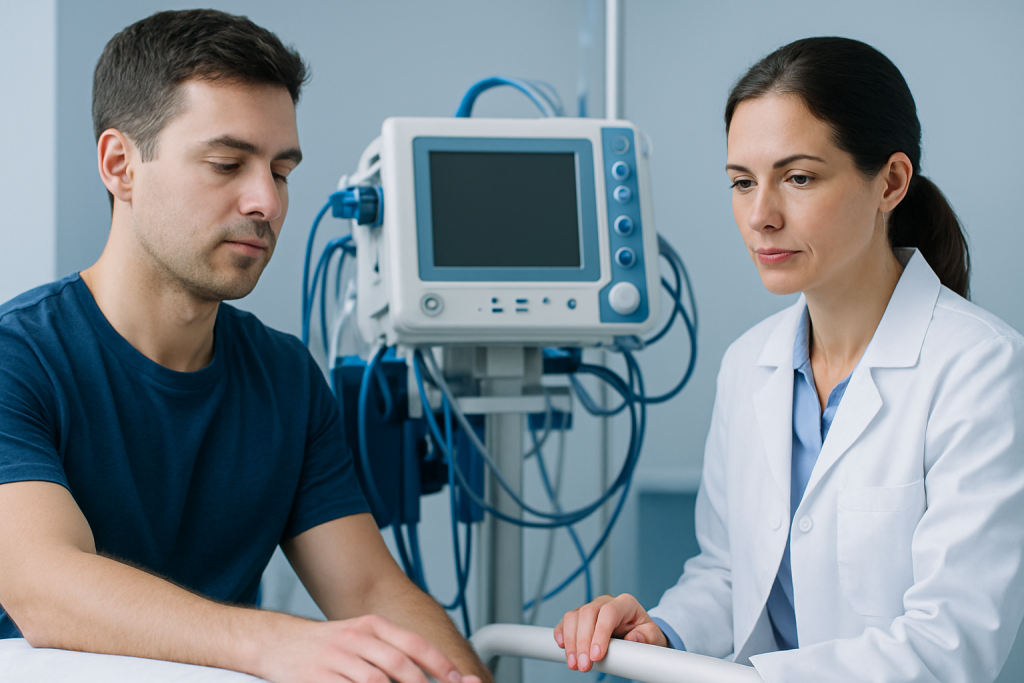
Bleeding disorder symptoms can look different from person to person. Some people have mainly skin and mucous membrane bleeding, such as easy bruising, frequent nosebleeds, or bleeding from the gums. Others may have deeper bleeding into joints or muscles, which can happen in some inherited clotting factor disorders.
Symptoms that deserve attention include periods that are unusually heavy, bleeding that soaks through pads or tampons quickly, bleeding that lasts many days, or passing large clots. Frequent nosebleeds, especially those that are hard to stop, can also be an important clue. Children may show repeated bruises in places not explained by normal play, prolonged bleeding after losing a tooth, or bleeding after small injuries that seems excessive.
Other signs can include small red or purple spots on the skin, large bruises after minor bumps, blood in the urine or stool, or prolonged bleeding after injections, blood tests, dental care, or surgery. Some people also develop symptoms of iron deficiency from slow, repeated blood loss, such as fatigue, weakness, shortness of breath with activity, or pale skin.
- Frequent or prolonged nosebleeds
- Heavy or extended menstrual bleeding
- Easy bruising or unusually large bruises
- Bleeding gums without clear dental cause
- Prolonged bleeding after cuts, childbirth, surgery, or dental treatment
- Blood in urine or stool, or unexplained joint swelling
Causes and Risk Factors

Bleeding disorders can be inherited or acquired. Inherited conditions include von Willebrand disease and hemophilia, which affect proteins needed for proper clotting. These conditions may run in families, but family history is not always obvious. Some relatives may have mild symptoms, or the condition may not have been diagnosed previously.
Acquired bleeding problems are also common. Medicines such as aspirin, nonsteroidal anti-inflammatory drugs, blood thinners, and some supplements can interfere with normal clotting. Liver disease may reduce the body’s ability to make clotting factors. Kidney disease, bone marrow disorders, immune-related platelet problems, and vitamin K deficiency can also affect bleeding risk.
Heavy menstrual bleeding is sometimes the first clue to an underlying disorder, especially in adolescents and young adults. People who have repeated nosebleeds, bleeding after dental work, or a family history of unusual bleeding may have a higher chance of an inherited cause. At times, bleeding reflects a separate condition rather than a primary blood disorder, so assessment should look at the whole health picture.
Risk factors that make doctors more alert include a known family history of clotting factor deficiency, previous unexplained bleeding after surgery, use of anticoagulant medicines, and conditions affecting the liver or immune system. If symptoms suggest a specific inherited disorder, the doctor may discuss evaluation for conditions such as hemophilia or von Willebrand disease when those possibilities fit the pattern of bleeding.
How Doctors Diagnose Bleeding Disorders
Diagnosis begins with a detailed medical history. The doctor will ask what type of bleeding happens, how often it occurs, how long it lasts, and whether it started in childhood or appeared later. Questions often cover nosebleeds, periods, bruising, bleeding after dental work, surgery, childbirth, or injuries, as well as any family history of similar problems.
A physical examination may help identify bruises, skin changes, joint swelling, or signs of anemia. The doctor also reviews all medicines and supplements because common products, including pain relievers and herbal supplements, can affect bleeding. This step is important because medication-related bleeding may improve once the cause is recognized.
Blood tests are often used to assess platelet count, hemoglobin level, clotting times, and specific clotting factors. Depending on the situation, the doctor may order tests for von Willebrand factor, platelet function, liver function, or iron deficiency. In some cases, repeat testing is needed because certain results can vary over time, with illness, or with hormonal changes.
If the pattern is complex, referral to a hematologist may be recommended. A specialist can arrange further evaluation and help create a plan for surgery, dental procedures, pregnancy, or childbirth. When heavy periods are a major symptom, coordination with gynecology is often useful so that both bleeding control and iron deficiency can be addressed together.
Treatment Options
Treatment depends on the cause, the severity of symptoms, and whether bleeding is happening now or needs to be prevented before a procedure. Some people need only practical measures and observation, while others benefit from medicines that help clotting work more effectively. The goal is to reduce bleeding, treat complications such as anemia, and lower the risk of serious events.
For inherited disorders, care may include medicines that increase certain clotting proteins, replacement of missing clotting factors, or therapies that help clots stay in place longer. If heavy periods are the main issue, hormone-based treatments may be considered, and iron supplements may be used when blood loss has led to iron deficiency. Nosebleeds may improve with local pressure, nasal care, or treatment by an ENT specialist if there is a structural cause in addition to a bleeding tendency.
When medications are contributing, a doctor may adjust the dose or suggest an alternative if it is safe to do so. Bleeding linked to an underlying illness may improve as that illness is treated. In selected cases, people with repeated severe symptoms benefit from specialist-led care plans before dental treatment or surgery, including preparation through hematology care.
Management is often coordinated across specialties. For example, someone with problematic menstrual bleeding may need both blood evaluation and gynecology care, while persistent nosebleeds may require assessment through ENT evaluation. If surgery or an invasive test is planned, the medical team may take extra steps to make the procedure safer and reduce bleeding risk.
Prevention and Self-Care
Self-care cannot replace treatment for a true bleeding disorder, but it can help lower day-to-day bleeding risk. People who bruise or bleed easily may benefit from avoiding unnecessary use of medicines that can affect platelets, such as aspirin or some anti-inflammatory drugs, unless a doctor has specifically advised them to take these. It is also wise to tell dentists, surgeons, and other healthcare professionals about any history of abnormal bleeding.
Good nasal care can help reduce recurrent nosebleeds. Keeping the inside of the nose moist, avoiding aggressive nose blowing, and using a humidified environment when the air is dry may make bleeding less likely. For bleeding gums, regular dental care and gentle oral hygiene are helpful, though persistent gum bleeding should still be evaluated.
People with heavy menstrual bleeding may find it useful to track cycle length, flow, clots, and any symptoms of fatigue or dizziness. This information can help the doctor understand whether the bleeding is outside the usual range. If iron deficiency is suspected, the doctor may recommend testing and treatment rather than self-medicating without guidance.
Medical identification, such as a wallet card or alert bracelet, may be useful for those with a diagnosed bleeding disorder. Before planned procedures, travel, pregnancy, or childbirth, discussing a prevention plan with a healthcare team can help avoid complications. Near the end of the care pathway, some patients may choose centers such as Acibadem International, where multidisciplinary specialists in JCI-accredited hospitals evaluate and treat bleeding disorders for international patients.
When to See a Doctor
A doctor should evaluate recurrent nosebleeds, periods that are consistently very heavy, easy bruising without clear explanation, or bleeding that lasts longer than expected after cuts or dental work. Medical review is also important if there is a family history of a bleeding disorder or if symptoms are affecting daily life, school, work, or exercise tolerance.
Urgent care is needed for bleeding that does not stop with pressure, vomiting blood, blood in the stool with weakness or dizziness, significant bleeding after an injury, or any signs of severe blood loss such as fainting, chest discomfort, confusion, or shortness of breath. Emergency attention is especially important if there has been a head injury, because internal bleeding may not be visible right away.
Children, pregnant women, and people preparing for surgery should not ignore possible bleeding disorder symptoms. Early planning can make procedures and delivery safer. If a person has already been diagnosed with a bleeding disorder, they should follow their specialist’s advice about what to do during an emergency and when to seek immediate help.
Although many causes of abnormal bleeding are manageable, the right approach depends on finding the reason. Timely medical assessment can provide reassurance, clarify what is normal, and guide safe treatment when needed.
Frequently asked questions
What are the most common bleeding disorder symptoms?
Common bleeding disorder symptoms include frequent nosebleeds, easy bruising, heavy menstrual bleeding, bleeding gums, and bleeding that lasts longer than expected after cuts or dental work. Some people may also notice large bruises after minor bumps or feel tired because of iron deficiency from ongoing blood loss.
Are heavy periods always a sign of a bleeding disorder?
No, heavy periods can have many causes, including hormonal changes, fibroids, or other gynecologic conditions. However, very heavy bleeding from the first periods onward, especially with nosebleeds or easy bruising, can suggest an underlying bleeding problem and should be discussed with a doctor.
Can adults develop a bleeding disorder later in life?
Yes, not all bleeding disorders are inherited. Some develop later because of medicines, liver disease, immune conditions, vitamin deficiency, or other health problems that affect platelets or clotting factors.
When should nosebleeds be considered unusual?
Nosebleeds may need attention if they happen often, last a long time, are hard to stop, or occur along with easy bruising or heavy periods. A doctor should also assess nosebleeds that cause weakness, frequent blood loss, or concern for anemia.
How are bleeding disorders tested?
Doctors usually begin with a history, physical exam, and blood tests that check blood counts and clotting function. Depending on the results, more specific tests may measure platelet function or clotting proteins such as von Willebrand factor.
Can a bleeding disorder be treated?
Many bleeding disorders can be managed effectively once the cause is identified. Treatment may include medicines that support clotting, iron treatment for anemia, changes to medications that increase bleeding risk, or planning before surgery and dental procedures.
References
- World Health Organization
- Centers for Disease Control and Prevention
- National Heart, Lung, and Blood Institute
- American Society of Hematology
- National Hemophilia Foundation
This article is for general information only and is not a substitute for professional medical advice. Please consult a qualified doctor about your individual situation.
Explore treatments in Turkey — costs, top hospitals & a free quote
JCI-accredited · board-certified surgeons · reply within 24h
Add us as a Preferred Source to see more of our trusted health content across Google Search, AI Overviews and Discover.