Colon Cancer Diagnosis: Tests, Biopsy, and What Happens Next
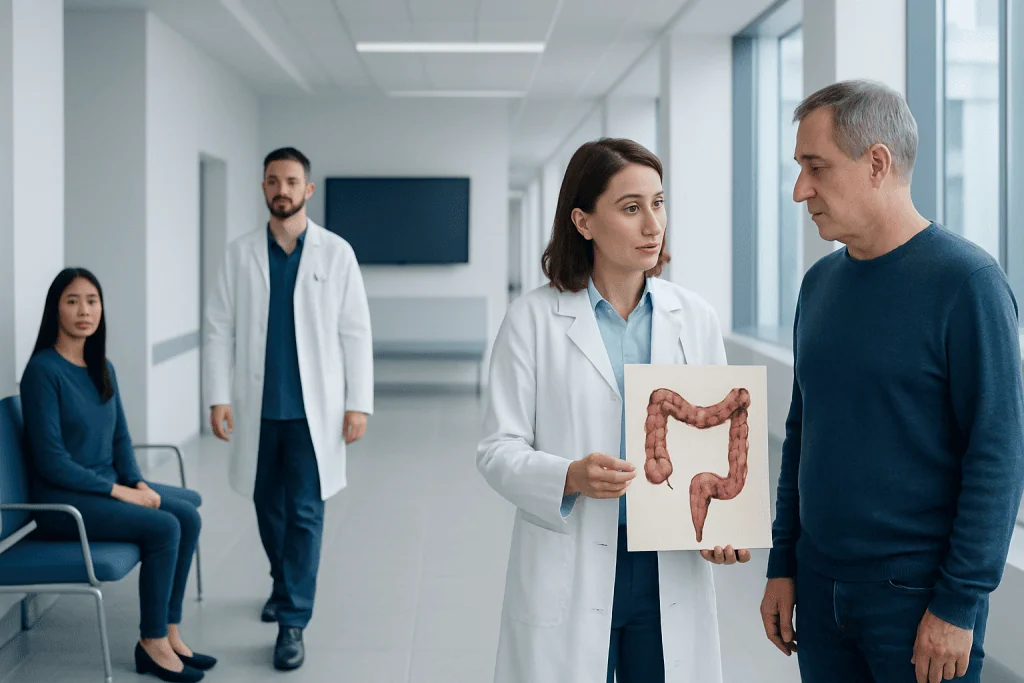
Colon cancer diagnosis often starts with symptoms, screening results, or an abnormal imaging test. A colonoscopy with biopsy is the main way to confirm colon cancer.
Key Takeaways
- Colon cancer diagnosis often starts with symptoms, screening results, or an abnormal imaging test.
- A colonoscopy with biopsy is the main way to confirm colon cancer.
- Imaging and blood tests help stage the cancer and guide treatment decisions.
- Early diagnosis can improve treatment options and outcomes.
- A multidisciplinary team usually reviews results and creates a personalized care plan.
Colon cancer diagnosis is a step-by-step process that confirms whether cancer is present, shows how far it has spread, and helps doctors choose the most appropriate treatment. Understanding the tests and what happens next can make the process feel clearer and more manageable.
Overview: How Colon Cancer Is Diagnosed
Colon cancer diagnosis is the process doctors use to find out whether a growth in the colon is cancer, and if so, how advanced it is. It often begins after a screening test is abnormal, such as a stool-based test, or when a person develops symptoms like rectal bleeding, a persistent change in bowel habits, abdominal pain, unexplained weight loss, or iron-deficiency anemia. Some people are diagnosed even though they feel well, because screening can detect problems before symptoms appear.
The diagnosis usually does not rely on a single test. Instead, doctors combine information from a medical history, physical examination, colonoscopy, tissue biopsy, blood tests, and imaging scans. Each step answers a different question: whether there is a suspicious lesion, whether it is cancerous, and whether it is limited to the colon or has spread elsewhere in the body.
This step-by-step approach helps avoid guesswork. A confirmed diagnosis is important because several noncancerous conditions can cause similar symptoms or look concerning on early tests. These may include polyps, inflammation, diverticular disease, or colorectal cancer affecting a nearby part of the bowel.
Common Signs and Situations That Lead to Testing
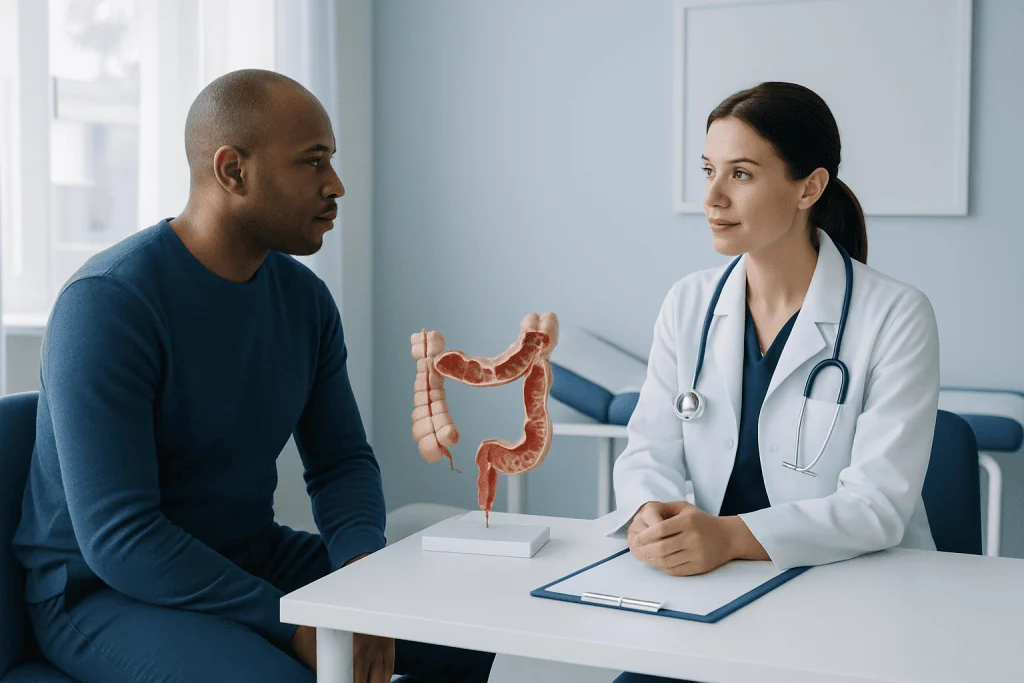
Doctors may investigate colon cancer because of symptoms, family history, routine screening, or an incidental finding on another test. Common warning signs include blood in the stool, darker stools, ongoing constipation or diarrhea, narrower stools, bloating, fatigue, and unexplained weight loss. Symptoms do not always mean cancer, but they should be assessed, especially if they persist.
Some people have a higher risk and may need testing sooner or more often. Risk can be increased by older age, a personal history of colon polyps, inflammatory bowel disease, a strong family history of colon cancer, or inherited syndromes such as Lynch syndrome or familial adenomatous polyposis. Lifestyle factors such as smoking, heavy alcohol use, obesity, low physical activity, and diets high in processed meats may also contribute to risk.
In many cases, the first sign is an abnormal screening result. A fecal immunochemical test or stool DNA test may detect hidden blood or abnormal DNA shed by a tumor. These tests can suggest that something needs closer evaluation, but they cannot confirm the diagnosis on their own. If a stool test is positive, colonoscopy is usually the next step.
- Persistent rectal bleeding or blood in stool
- Long-lasting change in bowel habits
- Iron-deficiency anemia without a clear cause
- Positive stool-based screening test
- Suspicious finding on imaging or during another procedure
Colonoscopy and Biopsy: The Main Tests
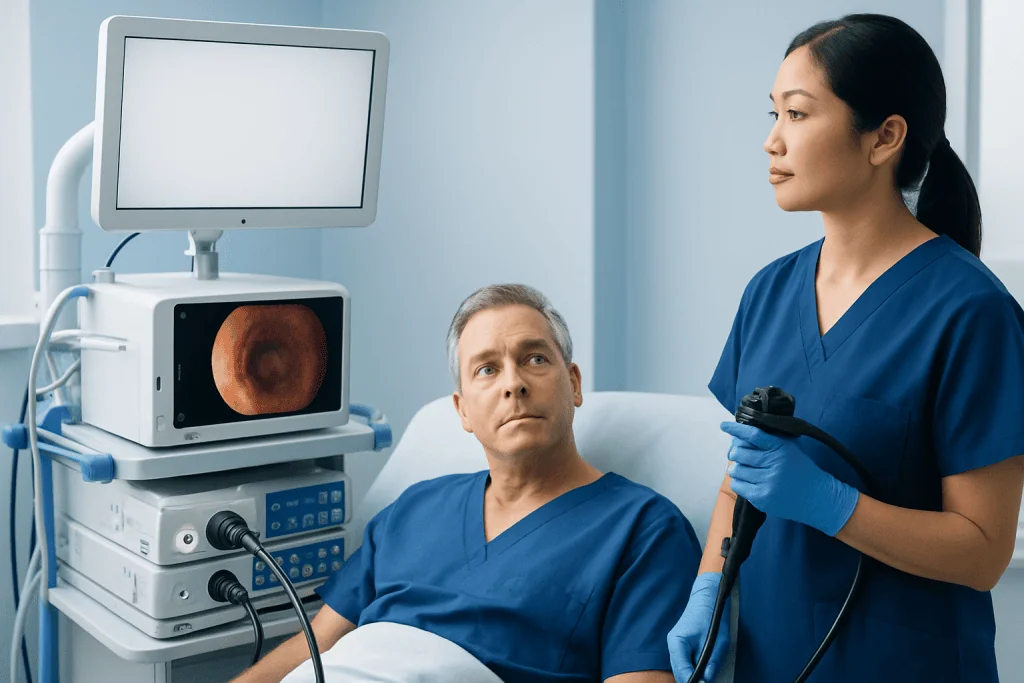
A colonoscopy is the most important test for confirming suspected colon cancer. During this procedure, a doctor uses a thin, flexible tube with a camera to examine the inside of the colon. The bowel must be cleaned beforehand so the lining can be seen clearly. Sedation is commonly used, which helps many patients feel more comfortable during the examination.
If the doctor sees a suspicious area, they can take a biopsy during the same procedure. A biopsy means removing a small sample of tissue so it can be examined under a microscope by a pathologist. This is the key step that confirms whether abnormal tissue is cancer, a precancerous polyp, or a noncancerous condition. Small polyps may sometimes be removed completely during colonoscopy.
The pathology report provides details that help guide treatment. It may describe the type of cancer, most commonly adenocarcinoma, and features such as how abnormal the cells look. If a blockage or difficult anatomy prevents a complete colonoscopy, doctors may use other tests to evaluate the rest of the colon and plan further care. In centers offering advanced colonoscopy, the procedure can also help remove certain polyps and assess the exact location of the lesion.
Waiting for biopsy results can be stressful, but it is a normal part of the process. The pathology review needs time because tissue is carefully prepared, stained, and interpreted. In some situations, additional tests may be performed on the sample to better understand the tumor.
Imaging, Blood Tests, and Staging
Once a biopsy confirms colon cancer, the next step is staging. Staging shows how deeply the cancer has grown into the colon wall, whether nearby lymph nodes are involved, and whether it has spread to organs such as the liver or lungs. This information is essential because treatment decisions depend heavily on the stage.
Imaging tests commonly include a CT scan of the chest, abdomen, and pelvis. These scans help doctors look for spread beyond the colon and evaluate nearby structures. In selected cases, MRI or PET/CT may be used if more detail is needed or if standard imaging leaves important questions unanswered. If there is concern about spread to the liver, more detailed liver imaging may be recommended.
Blood tests are also part of the work-up. These often include a complete blood count to check for anemia, liver function tests, kidney function tests, and a tumor marker called carcinoembryonic antigen, or CEA. CEA cannot diagnose colon cancer by itself, but it can be helpful as a baseline before treatment and later in follow-up to monitor response or recurrence.
Doctors usually describe stage using the TNM system: T for how far the tumor has grown into the bowel wall, N for lymph node involvement, and M for metastasis. This leads to an overall stage from I to IV. A clinical stage is estimated from scans and exam findings, and a more precise pathologic stage may be assigned after surgery if the tumor is removed.
What Happens After the Diagnosis Is Confirmed
After colon cancer is confirmed, results are usually reviewed by a multidisciplinary team. This may include a gastroenterologist, colorectal surgeon, medical oncologist, radiation oncologist in selected situations, radiologist, and pathologist. Working together helps the team match treatment to the cancer stage, the tumor location, and the patient’s overall health.
For many people with colon cancer, surgery is the main treatment, especially when the disease is localized. The operation removes the part of the colon containing the tumor along with nearby lymph nodes. Depending on the stage and pathology results, chemotherapy may be recommended after surgery to reduce the risk of recurrence. In some advanced cases, systemic therapy may be used first or combined with surgery in a carefully planned sequence.
Treatment planning may also include molecular or biomarker testing on the tumor. These tests can provide information about mismatch repair status or other genetic features that may influence prognosis, screening recommendations for family members, or the choice of medicines in advanced disease. Supportive care, nutrition advice, and planning for recovery are also important parts of care from the beginning.
Patients may hear terms such as colectomy or medical oncology during these discussions. When expertise from different specialties is needed, centers such as Acibadem International offer multidisciplinary evaluation in JCI-accredited hospitals for international patients.
Treatment Planning and Questions to Ask
Once the stage is known, the care team will explain the recommended treatment plan, the goal of treatment, and the expected next steps. Some patients move quickly toward surgery, while others may need more testing first, especially if the cancer appears advanced or if there are other health issues to consider. It is reasonable to ask for explanations in plain language and to bring a family member or friend to appointments.
Helpful questions include whether the cancer is confined to the colon, whether lymph nodes are involved, whether more scans are needed, and whether genetic or molecular testing is recommended. Patients can also ask about the purpose of each treatment, possible side effects, recovery time, and the schedule for follow-up. Understanding the plan often helps reduce uncertainty.
A second opinion may also be useful, particularly if surgery is complex, the stage is advanced, or different treatment approaches are possible. In many cases, another specialist will confirm the same general approach, which can be reassuring. A second opinion should not be seen as delaying care unnecessarily; it is often part of making an informed decision.
- What stage is the cancer, and what does that mean?
- Has the tumor spread to lymph nodes or other organs?
- Is surgery recommended, and how urgent is it?
- Will chemotherapy be needed?
- Should family members consider screening earlier?
Follow-Up, Recovery, and Emotional Support
The period after diagnosis can feel overwhelming, even when the treatment plan is clear. Many people find it helpful to take notes, keep copies of reports, and ask for a written summary of the plan. Practical preparation, such as arranging time off work, planning transport, or organizing help at home after procedures, can make treatment feel more manageable.
Emotional support matters just as much as medical planning. Anxiety is common while waiting for biopsy results, scans, or specialist appointments. Talking with the care team, a counselor, or a support group can help. Family and friends may also need guidance about how to provide useful support, such as attending appointments or helping with daily routines.
Follow-up begins early and continues after treatment. It may include physical examinations, CEA blood tests, repeat colonoscopy, and imaging at intervals recommended by the care team. These visits help monitor recovery, detect recurrence if it happens, and identify any new polyps or bowel problems that need attention.
Healthy lifestyle habits remain valuable throughout care and recovery. Eating a balanced diet, staying physically active as tolerated, avoiding tobacco, and limiting alcohol can support overall health. These steps do not replace treatment, but they can contribute to well-being during and after cancer care.
When to See a Doctor
A person should see a doctor if they notice persistent rectal bleeding, blood in the stool, unexplained changes in bowel habits, ongoing abdominal discomfort, fatigue, or unexplained weight loss. These symptoms are often caused by conditions other than cancer, but they should not be ignored, particularly if they continue or worsen. Prompt evaluation can identify the cause and allow treatment to begin sooner if needed.
It is also important to follow recommended screening, even without symptoms. Screening can find colon polyps before they turn into cancer and can detect cancer at an earlier stage when treatment may be simpler. People with a family history of colon cancer or inherited risk factors may need earlier or more frequent screening than the general population.
Anyone who has a positive stool test should arrange follow-up promptly, usually with colonoscopy. A positive screening test does not automatically mean cancer, but it does mean further evaluation is necessary. If severe abdominal pain, vomiting, inability to pass stool, or heavy bleeding occurs, urgent medical attention is needed.
Frequently asked questions
Is colonoscopy the only way to diagnose colon cancer?
A colonoscopy with biopsy is the main test used to confirm colon cancer because it allows doctors to see the colon lining and collect tissue samples. Other tests, such as stool tests and imaging scans, can suggest a problem but usually cannot confirm the diagnosis by themselves.
How long does it take to get colon biopsy results?
Biopsy results are often available within several days, but timing can vary by hospital and by whether extra testing is needed on the sample. Waiting can be difficult, but the tissue must be carefully examined by a pathologist to provide an accurate diagnosis.
What does staging mean in colon cancer?
Staging describes how far the cancer has grown in the colon and whether it has spread to lymph nodes or other organs. It helps doctors choose the most appropriate treatment and gives a clearer picture of prognosis.
Can blood tests detect colon cancer?
Blood tests can support the evaluation, but they cannot diagnose colon cancer on their own. They may show anemia, assess organ function, and measure CEA, a tumor marker that can help with treatment planning and follow-up.
What happens if a colonoscopy finds a tumor?
If a tumor is seen during colonoscopy, the doctor usually takes a biopsy so the tissue can be examined under a microscope. If cancer is confirmed, imaging and other tests are used to stage the disease and plan treatment.
Will everyone with colon cancer need surgery?
Many people with localized colon cancer are treated with surgery because removing the tumor is often the main part of care. However, treatment depends on the stage, the tumor location, and the person's overall health, so some patients may also need chemotherapy or other therapies.
References
- World Health Organization
- American Cancer Society
- National Cancer Institute
- National Comprehensive Cancer Network
- U.S. Centers for Disease Control and Prevention
This article is for general information only and is not a substitute for professional medical advice. Please consult a qualified doctor about your individual situation.
Colon Cancer in Turkey — costs, top hospitals & a free quote
JCI-accredited · board-certified surgeons · reply within 24h
Add us as a Preferred Source to see more of our trusted health content across Google Search, AI Overviews and Discover.

Medical Oncology Department
Medical treatment of cancer with chemotherapy, immunotherapy and targeted therapies under a multidisciplinary tumor board.
60 specialists in this unitMore from the Health Library



Related Specialists

Assoc. Prof. Dr. A. Enes Arikan
General Surgery
Prof. Dr. Hale Göksever Çelik
Gynecology & Obstetrics
Prof. Dr. Faik Acar Koç
Perinatology & High Risk Pregnancies
Prof. Dr. Züleyha Çalikuşu
Internal Medicine