Are Video Games Bad for Children’s Health?

Video games can have both benefits and drawbacks for children. The main concerns are excessive screen time, poor sleep, low physical activity, eye strain, and emotional or behavioral changes.
Key Takeaways
- Video games can have both benefits and drawbacks for children.
- The main concerns are excessive screen time, poor sleep, low physical activity, eye strain, and emotional or behavioral changes.
- Age-appropriate games, time limits, and regular breaks can reduce health risks.
- Parents should watch for signs that gaming is affecting school, mood, sleep, or relationships.
- A balanced daily routine matters more than focusing on gaming alone.
Video games are not automatically bad for children’s health, but their effects depend on how long a child plays, what they play, and how gaming fits into sleep, exercise, school, and family life. With healthy limits and parental guidance, gaming can be part of a balanced routine.
Overview
Many parents wonder whether video games are bad for children’s health. The short answer is that video games are not inherently harmful, but they can become a problem when they are excessive, poorly supervised, or replace other important parts of a child’s routine. As with many everyday activities, the impact depends on content, duration, timing, and the child’s individual needs.
Video games can offer some positive experiences. Depending on the game, children may practice problem-solving, coordination, creativity, teamwork, and persistence. Some games are social and allow children to connect with friends, while others can be educational or encourage strategic thinking.
At the same time, gaming can affect sleep, physical activity, posture, mood, and attention if it becomes unbalanced. Fast-paced or highly stimulating games close to bedtime may make it harder for some children to settle down. Long periods of sitting and screen exposure may also contribute to a less active lifestyle.
Rather than asking whether all video games are good or bad, it is usually more helpful to ask whether gaming is healthy for a particular child in a particular context. A child who sleeps well, stays active, keeps up with school, and enjoys offline activities may tolerate gaming very differently from a child whose habits are already strained.
How Video Games Can Affect Children’s Health
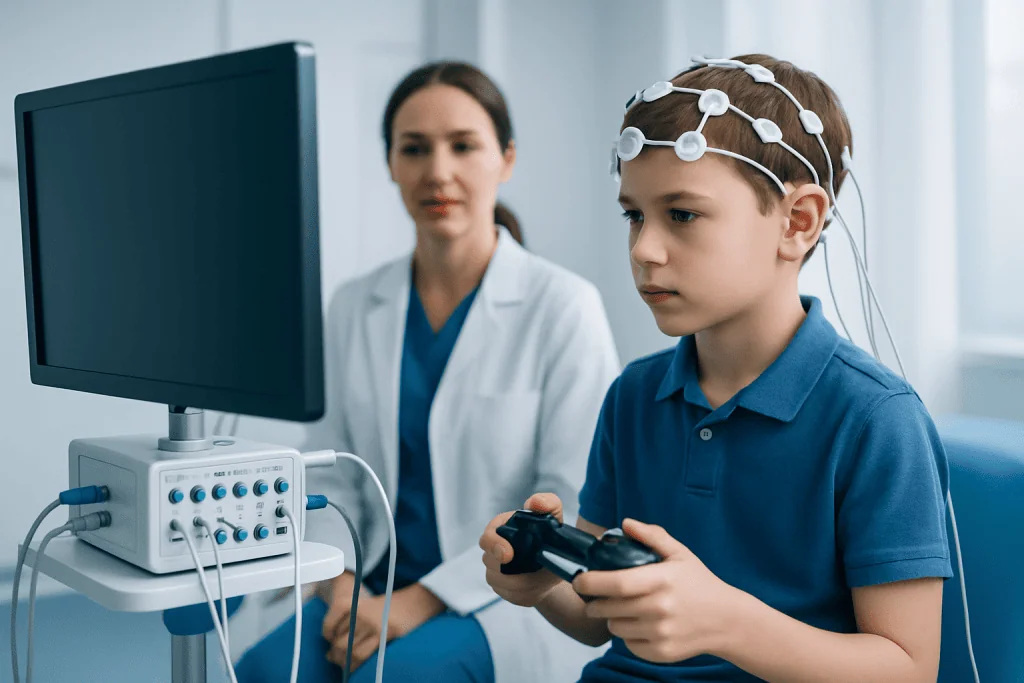
The most common health concerns linked to gaming involve lifestyle habits. If children spend many hours gaming, they may have less time for outdoor play, sports, reading, family interaction, and sleep. Over time, this imbalance can affect physical fitness, concentration, and emotional well-being.
Sleep is one of the most important areas to watch. Gaming late in the evening, especially with exciting or competitive content, can delay bedtime and make it harder to relax. Blue light from screens may also interfere with the body’s natural sleep-wake rhythm in some children. Poor sleep can then affect mood, memory, school performance, and overall health.
Long gaming sessions can also cause physical discomfort. Some children develop tired eyes, headaches, dry eyes, neck pain, shoulder tension, or hand and wrist discomfort from prolonged screen use and poor posture. These symptoms are usually related to habits rather than gaming itself and often improve with breaks, better ergonomics, and reduced screen time.
For emotional health, the effects can vary. Some children use games as a fun way to relax and socialize, while others may become irritable, frustrated, or overly focused on winning or continuing play. If gaming starts to crowd out friendships, family time, schoolwork, or hobbies, it may be affecting health in a broader sense.
Possible Benefits of Video Games
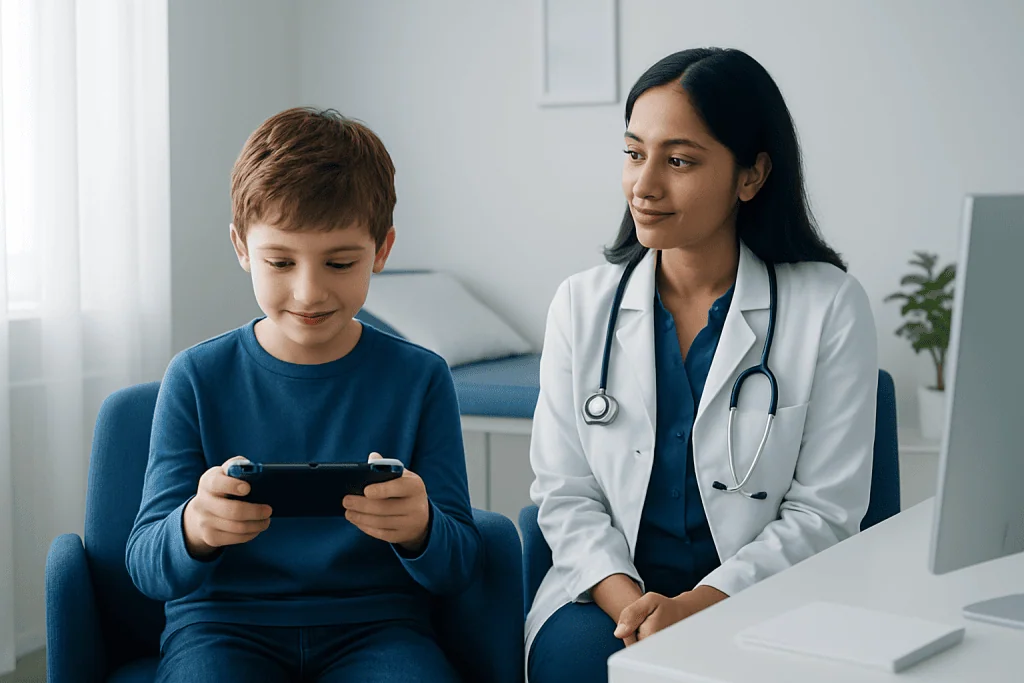
It is important to recognize that video games are not only associated with risks. In moderation, some games may support learning and development. Children may improve hand-eye coordination, visual-spatial skills, reaction time, and certain forms of problem-solving through game play.
Games can also provide social benefits. Multiplayer games may help children cooperate, communicate, and maintain friendships, especially when they are used in a healthy and age-appropriate way. For some children, gaming can create a sense of achievement and enjoyment that supports confidence and stress relief.
Creative games may encourage planning, design, storytelling, and experimentation. Educational games can reinforce concepts in language, math, science, or logic. Movement-based games can also add some physical activity, though they should not replace regular exercise.
The key is balance and supervision. Benefits are most likely when children play suitable games for limited periods, with adult awareness of content and behavior. Games should add to a child’s life, not dominate it.
Risks and Warning Signs to Watch For
Parents and caregivers should pay attention to patterns rather than isolated moments. A child becoming excited about a game is normal. More concerning signs appear when gaming begins to interfere with daily functioning, such as sleep loss, missed homework, falling grades, reduced physical activity, or withdrawal from family and friends.
Some children may become unusually upset when asked to stop playing. Irritability, frequent arguments, secretive behavior around devices, or loss of interest in other activities can suggest that gaming habits need closer attention. This does not always mean a serious disorder, but it does mean the current routine may be unhealthy.
Online gaming can bring additional challenges. Children may be exposed to inappropriate language, bullying, pressure from other players, in-game purchases, or unsuitable content. Parents should review age ratings, privacy settings, and communication features, and discuss online safety in simple, clear terms.
Common signs that gaming may be affecting health include:
- Difficulty falling asleep or waking up tired
- Frequent headaches or eye discomfort
- Less interest in exercise or outdoor play
- Mood changes after gaming
- Declining school performance
- Skipping meals or eating mindlessly while playing
- Conflict at home about screen time
What Increases the Risk of Harm?
Not all children are affected in the same way. Age, temperament, sleep needs, family routines, and underlying health concerns can all influence how gaming affects a child. Younger children often need more direct supervision and stronger structure around device use.
The type of game matters too. Fast, highly stimulating, competitive, or open-ended games can be harder for some children to stop, especially when they involve rewards, social pressure, or constant updates. Games with mature themes may also affect children differently depending on their age and emotional development.
Children may be more vulnerable to unhealthy gaming patterns if they already have difficulties with attention, anxiety, mood regulation, or social stress. In some cases, gaming may become a way to avoid problems rather than a simple leisure activity. If parents have concerns about behavior or development more broadly, it can help to discuss them with a pediatrician or child mental health professional.
Family environment is also important. Children are more likely to develop healthy digital habits when adults model balanced screen use, keep regular mealtimes and bedtimes, and create daily opportunities for movement, conversation, and offline fun.
Healthy Gaming Habits for Children
The goal is usually not to ban video games completely, but to place them within a healthy routine. Clear limits can reduce conflict and help children know what to expect. Parents may find it useful to set rules about when gaming is allowed, how long it lasts, and what responsibilities must come first.
Simple strategies often make a big difference. Keeping screens out of bedrooms at night, avoiding gaming close to bedtime, and encouraging regular movement breaks can protect sleep and reduce physical strain. Children also benefit from a daily rhythm that includes schoolwork, meals, exercise, family time, and enough rest.
Helpful habits include:
- Choose games that are age-appropriate and suitable for the child’s maturity level
- Use screen time limits that fit the child’s age and family routine
- Encourage breaks every 30 to 60 minutes to stand, stretch, and rest the eyes
- Keep gaming equipment in shared family spaces when possible
- Avoid screens for at least a period before bedtime
- Talk about online behavior, privacy, and respectful communication
- Balance gaming with sports, outdoor play, hobbies, and face-to-face social time
If a child often complains of dry or tired eyes, families may also want to learn more about general eye strain prevention strategies. If sleep becomes a repeated problem, healthy bedtime routines are especially important, and persistent issues may need medical advice.
When to Seek Professional Advice
Parents should consider speaking with a doctor if gaming seems to be affecting a child’s sleep, vision comfort, physical activity, school performance, or emotional well-being. It is also a good idea to seek help if a child becomes very distressed when unable to play, or if gaming appears to be replacing most other activities.
A pediatrician can help look at the whole picture, including sleep habits, growth, mood, behavior, and daily routines. Sometimes the issue is mainly about screen habits, but in other cases there may be underlying concerns such as anxiety, attention difficulties, headaches, or problems with posture and musculoskeletal strain. Depending on symptoms, the child may benefit from assessment in pediatric care or guidance from specialists in child and adolescent psychiatry.
Children with repeated headaches, blurred vision, or eye discomfort may need an eye evaluation. Ongoing neck, back, or hand pain may also deserve medical attention, particularly if symptoms persist despite breaks and better posture. In some situations, a doctor may recommend support from ophthalmology or a rehabilitation-focused approach such as physical therapy and rehabilitation.
For families seeking care internationally, Acibadem International’s multidisciplinary specialists and JCI-accredited hospitals evaluate and treat children with sleep, behavioral, eye, and musculoskeletal concerns related to lifestyle and screen use. Professional guidance can help families create a realistic, child-centered plan that supports both health and enjoyment.
Frequently asked questions
Are video games always bad for children?
No. Video games are not automatically harmful, and some can support problem-solving, coordination, creativity, and social interaction. The main issue is whether gaming is balanced with sleep, school, exercise, and offline relationships.
How much gaming is too much for a child?
There is no single number that fits every child. Gaming may be too much if it regularly disrupts sleep, homework, physical activity, family life, or mood. Parents should focus on the child’s overall routine and functioning, not only the clock.
Can video games affect sleep?
Yes, they can. Evening gaming may make it harder for some children to fall asleep because of stimulation and screen light exposure. Keeping gaming away from bedtime and maintaining a calm nighttime routine can help.
Do video games harm children’s eyes?
Video games do not usually cause permanent eye damage by themselves, but long screen sessions can lead to temporary symptoms such as eye strain, dryness, blurred vision, or headaches. Regular breaks, blinking, good lighting, and proper screen distance can reduce discomfort.
Can gaming affect a child’s mental health?
It can, especially if gaming becomes excessive or starts replacing sleep, exercise, school, or real-world social contact. Some children may become irritable, anxious, or overly focused on gaming, while others use games in a healthy and enjoyable way. Changes in mood or behavior should be discussed with a qualified professional if they persist.
What are signs that a child needs help with gaming habits?
Warning signs include poor sleep, falling grades, withdrawal from family or friends, frequent conflict about stopping play, and loss of interest in other activities. Physical complaints like headaches, eye discomfort, or neck pain can also be clues. If these patterns continue, a pediatrician can help assess the situation.
References
- World Health Organization
- American Academy of Pediatrics
- Centers for Disease Control and Prevention
- National Institutes of Health
- American Academy of Child and Adolescent Psychiatry
This article is for general information only and is not a substitute for professional medical advice. Please consult a qualified doctor about your individual situation.
Explore treatments in Turkey — costs, top hospitals & a free quote
JCI-accredited · board-certified surgeons · reply within 24h
Add us as a Preferred Source to see more of our trusted health content across Google Search, AI Overviews and Discover.