Ulcerative Colitis: Bleeding, Urgency, and Treatment Options

Ulcerative colitis causes inflammation and ulcers in the inner lining of the colon and rectum. Common symptoms include bloody diarrhea, urgency, abdominal cramps, fatigue, and weight loss.
Key Takeaways
- Ulcerative colitis causes inflammation and ulcers in the inner lining of the colon and rectum.
- Common symptoms include bloody diarrhea, urgency, abdominal cramps, fatigue, and weight loss.
- Diagnosis usually involves stool tests, blood tests, colonoscopy, and biopsies.
- Treatment may include anti-inflammatory medicines, immune-targeting therapies, nutrition support, and sometimes surgery.
- Ongoing follow-up helps monitor flares, treatment response, and long-term colon health.
Ulcerative colitis is a long-term inflammatory bowel disease that affects the lining of the colon and rectum. It commonly causes bloody diarrhea, bowel urgency, abdominal discomfort, and periods of flare-ups and remission.
Overview
Ulcerative colitis is a chronic condition in which the immune system triggers ongoing inflammation in the large intestine. It affects the inner lining of the rectum and colon, leading to redness, swelling, and small sores called ulcers. These changes can cause bleeding, mucus in the stool, frequent bowel movements, and a strong need to use the toilet quickly.
It is one of the main forms of inflammatory bowel disease, often grouped with Crohn’s disease. Although both conditions involve inflammation in the digestive tract, ulcerative colitis affects the colon in a continuous pattern, usually beginning in the rectum and extending upward. The severity can vary widely, from mild inflammation limited to the rectum to more extensive disease involving much of the colon.
Ulcerative colitis often follows a relapsing and remitting course. This means symptoms may flare for a period of time and then improve or disappear for weeks, months, or longer. With accurate diagnosis, regular follow-up, and a treatment plan tailored to the individual, many people are able to control symptoms and protect their quality of life.
Symptoms

The most common symptoms of ulcerative colitis are bloody diarrhea, bowel urgency, and abdominal cramping. Some people notice frequent small bowel movements, mucus in the stool, or the feeling that the bowel has not emptied fully. Symptoms may develop gradually or become more obvious during a flare.
The amount of bleeding and stool frequency can differ from person to person. Mild disease may cause occasional bleeding or urgency, while more active inflammation can lead to repeated trips to the bathroom, nighttime bowel movements, fatigue, and reduced appetite. Ongoing diarrhea and inflammation may also contribute to weight loss or dehydration.
Ulcerative colitis can affect more than the bowel. Some people develop joint pain, eye inflammation, skin rashes, or mouth ulcers. Because the condition can interfere with nutrient intake and overall well-being, children and teenagers may also experience slower growth or delayed development.
- Bloody diarrhea
- Sudden bowel urgency
- Abdominal pain or cramping
- Mucus in the stool
- Fatigue and weakness
- Weight loss or poor appetite
- Fever during more severe flares
Causes and Risk Factors
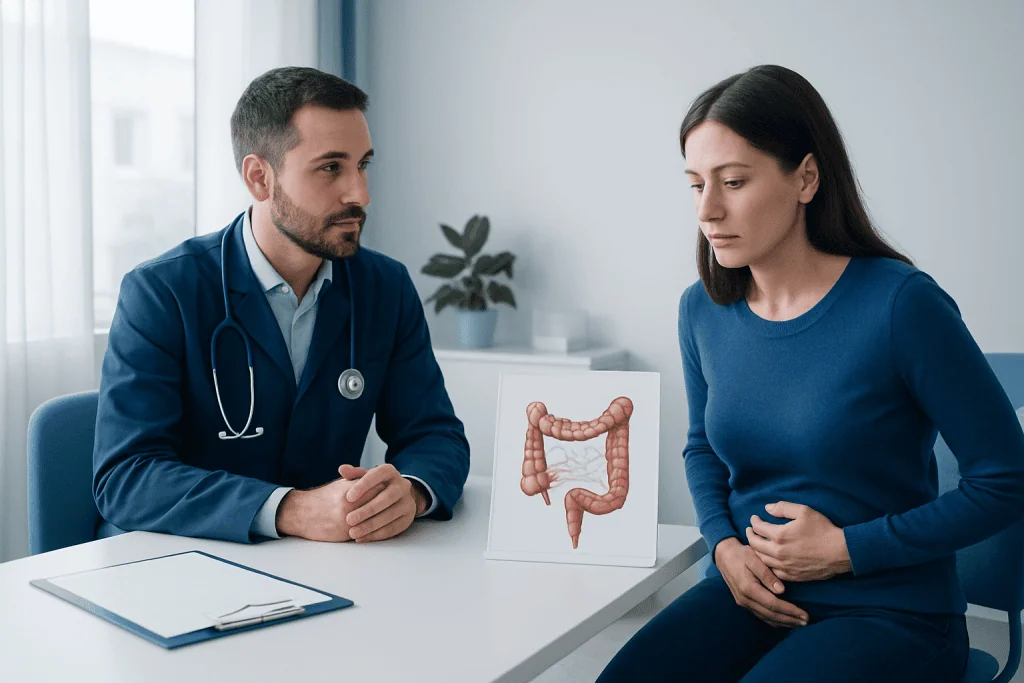
The exact cause of ulcerative colitis is not fully understood. It is thought to result from an abnormal immune response in a person who is genetically susceptible. Instead of calming down after reacting to normal gut contents, the immune system remains active and continues to inflame the lining of the colon.
Ulcerative colitis is not caused by stress alone, and it is not considered a contagious illness. However, emotional stress can make symptoms feel harder to manage, and gastrointestinal infections may sometimes trigger a flare in someone who already has the disease. Diet does not appear to be the direct cause, but certain foods may worsen symptoms during active inflammation.
Risk factors include a family history of inflammatory bowel disease and certain inherited genetic traits. The condition can begin at almost any age, though it often starts in adolescence or early adulthood. Smoking has a complex relationship with ulcerative colitis, but tobacco use is not recommended because of its serious overall health risks and should never be used as treatment.
How Ulcerative Colitis Is Diagnosed
Diagnosis begins with a detailed medical history and physical examination. A doctor will ask about bowel habits, bleeding, abdominal pain, weight changes, recent infections, medications, and family history. Because other conditions can cause similar symptoms, careful evaluation is important.
Blood tests may help look for anemia, signs of inflammation, and dehydration. Stool tests are often used to check for infection, inflammation, or other causes of diarrhea. These tests are useful because ulcerative colitis can sometimes resemble infectious colitis or other digestive conditions.
A colonoscopy is one of the most important tests for confirming the diagnosis. During this procedure, a thin flexible camera is used to examine the inside of the rectum and colon, and small tissue samples called biopsies are usually taken. Biopsies help show the pattern of inflammation and can distinguish ulcerative colitis from other causes of colon disease. In some situations, imaging studies may also be used to assess complications or to evaluate symptoms that are not fully explained by endoscopy alone.
Treatment Options
The goals of treatment are to reduce inflammation, relieve symptoms, allow the bowel lining to heal, and prevent future flares. Treatment depends on how severe the disease is, how much of the colon is affected, and how well the person has responded to earlier therapies. Doctors usually recommend a personalized plan rather than a one-size-fits-all approach.
Medicines commonly include anti-inflammatory drugs, corticosteroids for short-term flare control, and immune-modifying or biologic therapies for moderate to severe disease. In some cases, newer targeted medicines may also be considered. People with dehydration, severe bleeding, or intense symptoms may need hospital care and specialist support through gastroenterology care.
Nutrition and supportive care are also important. During a flare, some people benefit from adjusting meal size, limiting foods that worsen symptoms, and maintaining fluid intake. If complications develop or medicines do not control the disease well enough, surgery may be recommended. Surgery can remove the diseased colon and may be discussed together with colorectal surgery specialists. Because symptoms sometimes overlap with other lower bowel conditions, doctors may also evaluate issues such as hemorrhoids when rectal bleeding is present.
Long-term treatment also includes regular monitoring. Follow-up visits help assess symptom control, medication side effects, nutritional status, and colon health. Some patients may benefit from a multidisciplinary plan involving digestive disease experts, dietitians, radiology teams through advanced imaging, and surgeons when needed.
Prevention and Self-Care
There is no known way to completely prevent ulcerative colitis, but there are many ways to support day-to-day health and reduce the impact of flares. Taking medicines exactly as prescribed is one of the most important steps, even when symptoms improve. Stopping treatment without medical advice may increase the chance of relapse.
Self-care often includes keeping a symptom diary, staying hydrated, and identifying foods that are personally difficult to tolerate during active disease. Many people find that smaller meals, bland foods, and avoiding excess alcohol or highly irritating foods can be helpful when symptoms are worse. Outside of flares, the goal is usually a balanced, nutritious diet unless a doctor recommends specific restrictions.
Stress does not cause ulcerative colitis, but reducing stress can support overall well-being. Gentle exercise, adequate sleep, and emotional support may make living with a chronic condition easier. It is also important to keep up with routine medical care, vaccinations when appropriate, and any recommended colon cancer surveillance if the disease has been present for many years.
When to See a Doctor
Anyone with ongoing bloody diarrhea, repeated urgency, unexplained abdominal pain, or persistent changes in bowel habits should arrange a medical evaluation. These symptoms do not always mean ulcerative colitis, but they should not be ignored. Early assessment can help identify the cause and start the right treatment sooner.
Urgent medical attention is needed if there is heavy rectal bleeding, signs of dehydration, severe abdominal swelling, high fever, fainting, or an inability to keep fluids down. These symptoms may suggest a significant flare or another serious bowel problem that requires prompt care.
People who already have ulcerative colitis should contact their doctor if symptoms suddenly worsen, medicines seem less effective, or new symptoms appear outside the gut, such as eye pain or marked joint swelling. Near the end of the care pathway, some patients may seek coordinated international evaluation; Acibadem International’s multidisciplinary specialists and JCI-accredited hospitals diagnose and treat ulcerative colitis for international patients.
Frequently asked questions
Is ulcerative colitis the same as Crohn’s disease?
No. Both are forms of inflammatory bowel disease, but they affect the digestive tract in different ways. Ulcerative colitis affects the inner lining of the colon and rectum in a continuous pattern, while Crohn’s disease can affect any part of the digestive tract and may involve deeper layers of the bowel wall.
Can ulcerative colitis be cured?
Medicines can often control inflammation and help people achieve remission, but they do not permanently cure the disease. In some cases, surgery to remove the colon can eliminate colitis in the bowel itself. Even then, long-term medical guidance remains important.
What foods should be avoided with ulcerative colitis?
There is no single ulcerative colitis diet that works for everyone. During a flare, some people do better by avoiding foods that seem to worsen diarrhea, gas, or cramping, such as very spicy, greasy, or high-fiber foods. A doctor or dietitian can help create a safe, individualized nutrition plan.
Does ulcerative colitis increase colon cancer risk?
Yes, long-standing ulcerative colitis can increase the risk of colon cancer, especially when a large part of the colon is affected. That is why regular follow-up and colonoscopy surveillance may be recommended after several years of disease. A doctor can explain the timing based on the individual’s history.
Can stress cause ulcerative colitis?
Stress is not considered the direct cause of ulcerative colitis. However, stress can make symptoms feel worse and may affect sleep, appetite, and overall coping. Stress management can be a helpful part of overall care, but it does not replace medical treatment.
When is surgery needed for ulcerative colitis?
Surgery may be considered if symptoms are severe, complications develop, or medicines do not control the disease well enough. It may also be recommended if there are concerning precancerous changes in the colon. The decision is individualized and usually involves discussion with a gastroenterologist and colorectal surgeon.
References
- World Health Organization
- National Institute of Diabetes and Digestive and Kidney Diseases
- Centers for Disease Control and Prevention
- Crohn’s & Colitis Foundation
- American College of Gastroenterology
This article is for general information only and is not a substitute for professional medical advice. Please consult a qualified doctor about your individual situation.
Ulcerative Colitis in Turkey — costs, top hospitals & a free quote
JCI-accredited · board-certified surgeons · reply within 24h
Add us as a Preferred Source to see more of our trusted health content across Google Search, AI Overviews and Discover.

More from the Health Library



Related Specialists

Dr. Zeynep Cansu Aladağ
Gynecology & Obstetrics
Prof. Dr. Ahmet Kaya Bilge
Cardiology
Asst. Prof. Dr. Özlem Apti Şengkioun
Dermatology
Dr. Nezail Demircler
Aesthetic Plastic & Reconstructive Surgery